A London to Stonehenge day trip is one of the easiest ways to see one of Britain’s most important prehistoric monuments without staying overnight in Wiltshire. Stonehenge sits on Salisbury Plain roughly 90 miles west of central London, and you can reach it by organised coach, train plus bus or taxi, or car. The trip takes most of a day once travel and sightseeing time are included, so good timing matters.
Quick Answer
A London to Stonehenge day trip is practical in one day. Allow roughly 6–10 hours overall, depending on transport and extra stops. The simplest option is a direct coach tour; independent travelers can take a direct train from London Waterloo to Salisbury, then use the official Stonehenge Tour Bus or a taxi.
Stonehenge attracts more than a million visitors in a typical recent year, but its appeal is not simply its size. The site preserves evidence of prehistoric engineering, burial practices, landscape design and deliberate alignment with the movements of the sun. Although archaeologists have learned a great deal about the monument, its complete purpose remains uncertain.
Key Takeaways
- A London to Stonehenge day trip normally requires most of a day once travel is included.
- London Waterloo to Salisbury takes around 1 hour 30 minutes on a direct train; Stonehenge is about 12 miles or 19 km from Salisbury station.
- Booking Stonehenge admission online before the day of your visit can save money, and opening hours vary by date.
- Standard admission does not let you walk inside the stone circle; special Stone Circle Experience tickets are required for that access.
- The visitor centre, exhibition, reconstructed Neolithic houses, stone circle and surrounding prehistoric landscape are all worth allowing time for.
At a Glance
| Time Required | About 6–10 hours for the full London day trip; allow roughly 2–3 hours at Stonehenge itself if you want to see the exhibition and monument without rushing. |
| Difficulty | Easy to moderate; the main visitor areas are accessible, but optional landscape walks cross uneven ground. |
| Tools Needed | Admission booking, transport ticket, smartphone, headphones for the free audio guide, comfortable shoes and weather-appropriate clothing. |
| Cost | Varies by admission date and transport. English Heritage currently offers savings of up to 15% for qualifying advance bookings; transport and optional special-access experiences cost extra. |
The History of Stonehenge
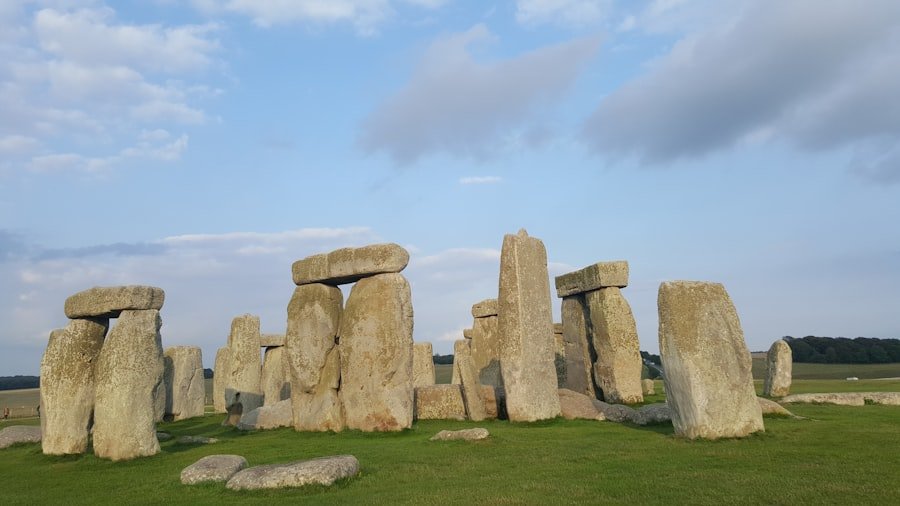
Stonehenge was not built in a single project. According to English Heritage’s Stonehenge timeline, the first major monument at the site was a circular earthwork constructed around 3000 BC. The famous large stone settings were erected around 2500 BC, and the monument continued to be altered during the centuries that followed.
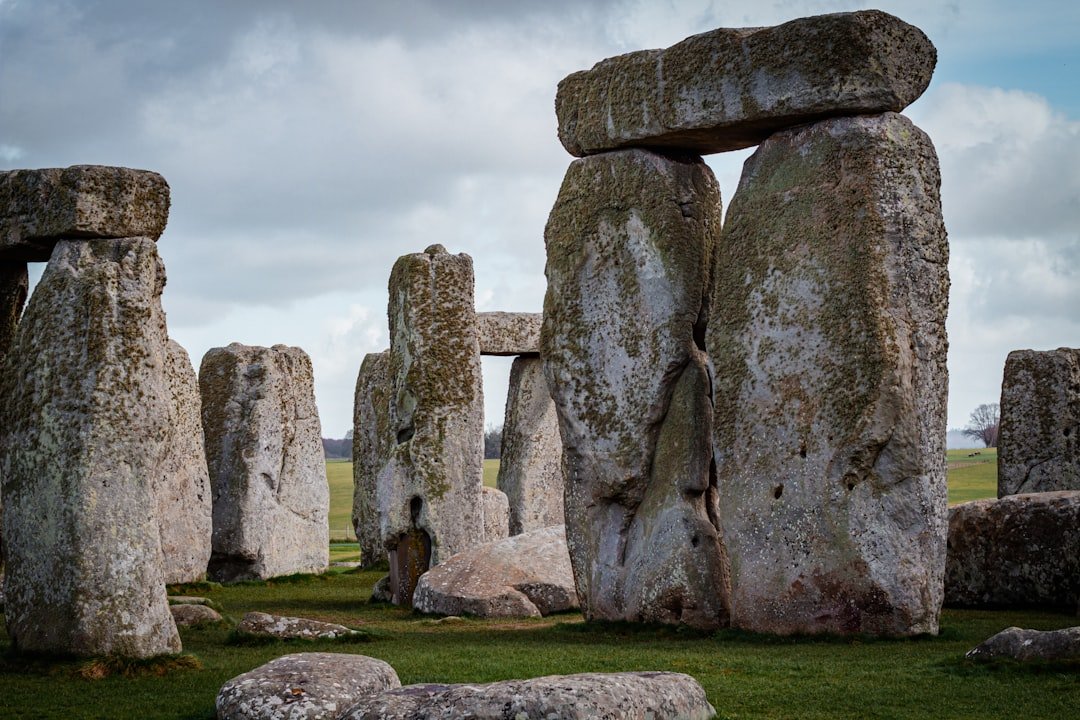
The monument uses two main types of stone. The large sarsens were probably brought from the West Woods area near the Marlborough Downs, while smaller stones known collectively as bluestones came from much farther away, including sources in south-west Wales. English Heritage reports that the sarsens weigh about 25 tons on average, with the Heel Stone weighing roughly 30 tons.
Moving, shaping and raising these stones would have required careful organisation and a large workforce using ropes, timber, stone tools and other simple technologies. Archaeologists continue to study exactly how the builders transported and erected them.
Stonehenge also had an important funerary role. Cremated human remains were placed at the monument during its early history, and the wider landscape contains a major concentration of prehistoric burial mounds. However, it would be too simple to describe Stonehenge only as a cemetery.
The monument is also aligned with important solar events. The axis of Stonehenge relates to the summer-solstice sunrise and winter-solstice sunset, suggesting that seasonal observations held special meaning for the people who designed and used the site. Its complete purpose, however, remains unknown.
Stonehenge is part of the UNESCO-listed Stonehenge, Avebury and Associated Sites landscape, which preserves an exceptional concentration of Neolithic and Bronze Age monuments.
Planning Your Day Trip from London
Start by checking the official Stonehenge prices and opening-times page for your exact travel date. Hours vary through the year, so an old fixed timetable can quickly become inaccurate.
English Heritage currently advises that online bookings completed by midnight the day before a visit can qualify for an advance discount of up to 15%. Same-day tickets may still be available online or at the site, but they are normally sold at the full rate. Advance booking is especially sensible during weekends, school holidays and other busy periods.
Note: Do not rely on an old blog post for opening hours or bus times. English Heritage and the official Stonehenge Tour both change schedules seasonally, so recheck them shortly before travelling.
For most first-time visitors, allowing about two to three hours at Stonehenge gives enough time to see the visitor centre, exhibition, reconstructed Neolithic houses and stone circle without rushing. Add extra time if you plan to walk through the wider landscape instead of relying mainly on the visitor shuttle.
What Standard Admission Includes in Your Visit
The visitor centre is more than a ticket entrance. Its exhibition contains more than 250 archaeological objects from the Stonehenge landscape, together with displays explaining the monument and the people who built it. Outside, reconstructed Neolithic houses help visitors understand everyday life around 4,500 years ago.
The stone circle lies away from the visitor centre. English Heritage operates frequent visitor shuttles, with the journey taking roughly 5–10 minutes. If you prefer to walk, the route between the visitor centre and stones passes through the prehistoric landscape. English Heritage says the complete walk from the visitor centre to the stones and back is about 2.6 miles or 4 km.
Warning: A normal Stonehenge ticket does not allow you to enter the interior of the stone circle. General-admission visitors stay on the designated path. Special Stone Circle Experience visits provide limited inside-the-circle access outside normal public hours and must be booked separately.
Transportation Options from London to Stonehenge
You have three practical choices: an organised coach tour, independent travel by train and onward bus or taxi, or driving. The best option depends on whether you value simplicity, independence or flexibility.
| Option | Best For | Main Consideration |
| Guided coach tour | Simplest one-day option | Fixed departure and sightseeing schedule |
| Train + bus/taxi | Independent travelers without a car | Requires coordinating the return train and seasonal bus timetable |
| Car | Maximum flexibility and extra Wiltshire stops | London and A303 traffic can make journey times unpredictable |
Guided Coach Tour
Organised coach tours are popular because they remove the need to coordinate trains, buses and admission times. Many leave central London and some combine Stonehenge with another destination. Before booking, check exactly how much time the operator gives you at Stonehenge and whether admission is included in the advertised price.
Train from London Waterloo to Salisbury
For independent travelers, Salisbury is the nearest railway station. English Heritage states that direct trains from London Waterloo take around 1 hour 30 minutes. Salisbury station is about 12 miles or 19 km from Stonehenge, rather than eight miles as sometimes reported.
From the station, you can take a taxi or use the official Stonehenge Tour Bus. The bus operates seasonal timetables and serves Salisbury railway station, Salisbury city centre and Stonehenge, with an option to stop at Old Sarum on relevant journeys.
Pro Tip: When using the train-and-bus route, work backwards from the last Stonehenge bus you are comfortable taking. Leave enough time for the shuttle or walk back to the visitor centre before starting your return journey to Salisbury.
Driving from London
English Heritage estimates the drive from central London at around two hours in normal conditions. Stonehenge is just off the A303 and the visitor-centre postcode is SP4 7DE. Heavy London traffic or congestion on the A303 can make the journey considerably longer, so avoid planning a tight schedule.
English Heritage currently charges a £4 parking fee for non-members. Parking rules and payment arrangements can change, so confirm them on the official Stonehenge directions page before driving.
What to See and Do at Stonehenge
Your visit should begin at the visitor centre rather than rushing straight to the monument. The exhibition explains the archaeological evidence behind Stonehenge, including objects recovered from the surrounding landscape, while multimedia displays show how the site may have appeared during different periods.
See the Stone Circle
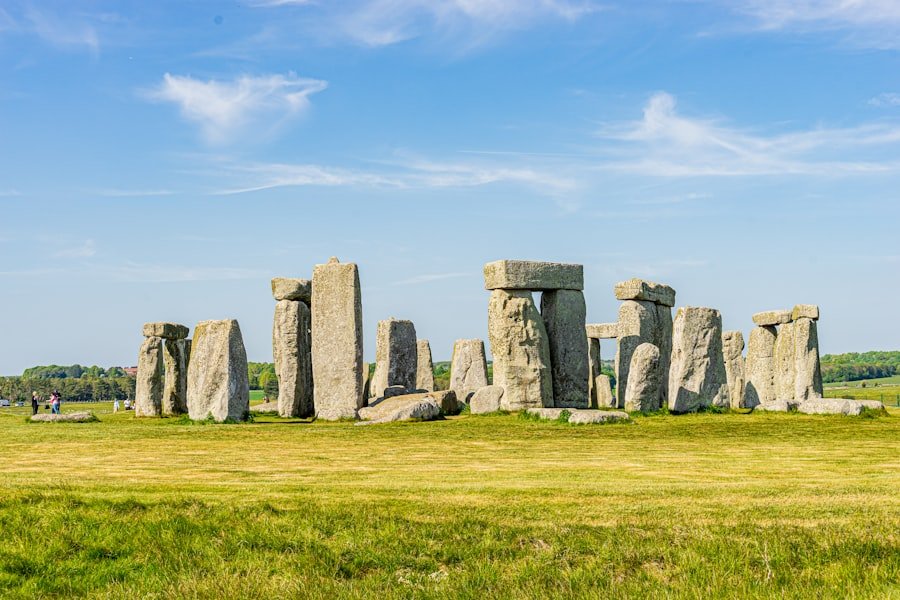
The stone circle remains the highlight. Standard visitors follow a designated path around the monument, which reaches within about five metres of the stones at its closest point. The route provides views from several angles while protecting fragile archaeology beneath the surrounding ground.
If entering the circle itself is important to you, English Heritage offers separately ticketed Stone Circle Experience visits outside normal general-admission hours. Availability is limited and advance booking is essential.
Use the Free Audio Guide
Instead of renting a handset, download the official Stonehenge audio guide to your smartphone. English Heritage currently provides the guide free in multiple languages and no longer hires audio-guide handsets on site. Bring your own headphones.
Explore the Exhibition and Neolithic Houses
The visitor centre displays archaeological objects including pottery, tools, jewellery and human remains discovered in the Stonehenge landscape. The reconstructed Neolithic houses outside provide a more tangible look at the homes, materials and daily life associated with the period when the stone monument was built.
Walk Through the Stonehenge Landscape
If the weather is good, consider walking part or all of the route between the visitor centre and monument. The surrounding landscape contains burial mounds and other prehistoric features that are easy to miss if you only ride the shuttle.
The wider landscape has uneven ground, so sturdy footwear is helpful. Wheelchair users can access the main visitor centre, visitor shuttle and principal stone-circle areas, subject to weather conditions, although the wider landscape is less accessible.
Nearby Attractions and Activities
Stonehenge can fill the central part of your day, but several nearby attractions can work well if your transport schedule leaves enough time.
Salisbury
Salisbury is the easiest addition for travelers arriving by train because you already pass through the city. Salisbury Cathedral is famous for its medieval architecture and houses the best-preserved of the four surviving original 1215 Magna Carta documents. Cathedral admission and opening arrangements should be checked on the official Salisbury Cathedral website.
Salisbury also has shops, cafés and historic streets, making it a practical place for lunch or a short walk before catching the train back to London.
Old Sarum
Old Sarum is another convenient option, especially for passengers using the Stonehenge Tour Bus. This hilltop site combines prehistoric, Roman, Norman and medieval history and offers views across the surrounding landscape.
Avebury
Avebury is another major prehistoric monument within the same UNESCO World Heritage property as Stonehenge. Its enormous henge and stone circles sit around part of the modern village, creating a very different experience from Stonehenge. The National Trust’s Avebury visitor information provides current opening details for the stone circle, museum and Avebury Manor.
Avebury is better suited to travelers with a car or a tour designed specifically to include it. Trying to combine London, Stonehenge, Salisbury and Avebury independently in one day can make the trip unnecessarily rushed.
Sample London to Stonehenge Day-Trip Itinerary
The exact schedule depends on your train, coach or traffic conditions, but this outline gives you a realistic structure:
- Early morning: Leave London and travel toward Salisbury Plain.
- Late morning: Arrive at the Stonehenge visitor centre and see the exhibition and Neolithic houses.
- Late morning to early afternoon: Take the shuttle or walk to the stone circle and explore the monument.
- Early afternoon: Return to the visitor centre for lunch or a café break.
- Mid-afternoon: Continue to Salisbury or Old Sarum if your return transport gives you enough time.
- Late afternoon or early evening: Begin the journey back to London.
If your main goal is Stonehenge rather than collecting multiple attractions, spending more time at the monument and surrounding landscape usually produces a better experience than squeezing several distant destinations into one day.
Tips for a Successful Day Trip
Book Before You Travel
Booking admission in advance gives you a clearer plan and can reduce the admission price. English Heritage currently offers savings of up to 15% for eligible advance bookings completed by midnight before the visit.
Wear Suitable Shoes
The main paths around the visitor centre and stone circle are straightforward, but optional landscape routes cross fields and uneven surfaces. Wet weather can make grassy areas slippery.
Bring Water and Weather Protection
Stonehenge is exposed to wind, sun and rain. Bring water, sun protection or waterproof clothing as conditions require. There is a café at the visitor centre serving food and drinks, and picnic areas are also available, so visitors are not limited to carrying all their own food.
Download the Audio Guide Before Arriving
Downloading the free official audio guide before leaving London can save mobile-data problems at the site. Remember to pack headphones because English Heritage no longer rents audio-guide handsets.
Allow Time for Security and the Shuttle
Visitors and belongings may be subject to security checks. You should also allow time to travel between the visitor centre and stone circle. The shuttle normally takes around 5–10 minutes each way, while walking takes substantially longer.
Check Special-Event Dates
Summer solstice, winter solstice and other special events can affect access, transport and opening arrangements. If your trip falls close to one of these dates, check English Heritage and local transport information immediately before travel instead of relying on a standard itinerary.
Conclusion and Final Thoughts
A London to Stonehenge day trip is entirely achievable, but the experience is better when you treat it as a full-day outing rather than a quick stop. A coach tour offers the simplest journey, while the Waterloo-to-Salisbury train and official Stonehenge Tour Bus give independent travelers a practical public-transport route. Driving provides the most flexibility for adding places such as Avebury.
The history is equally important to the logistics. Stonehenge developed in stages over many centuries, combines stones brought from different parts of Britain and sits within a much larger prehistoric landscape. Its funerary evidence and alignment with the solstices reveal important clues about the people who used it, while its complete purpose remains open to interpretation.
Allow time for the exhibition, Neolithic houses, stone circle and surrounding landscape rather than arriving only for a quick photograph. With advance booking, realistic travel times and current transport information, the trip can be one of the most rewarding historical excursions from London.
Optional reading: If you’re looking for a completely different topic after planning your London to Stonehenge day trip, Tagline Today also has a separate guide to Asian melon, covering different varieties and culinary uses. It is unrelated to Stonehenge travel planning but may interest readers exploring the site’s other lifestyle content.
Sources
- English Heritage — Plan Your Visit to Stonehenge — London travel, train, driving and visitor planning information.
- English Heritage — Stonehenge Prices and Opening Times — current admission and advance-booking guidance.
- English Heritage — Stonehenge History and Stories — construction dates, stone origins, archaeology and solar alignment.
- The Stonehenge Tour — Official Bus Timetable — seasonal Salisbury-to-Stonehenge transport information.
- UNESCO — Stonehenge, Avebury and Associated Sites — World Heritage status and archaeological significance.
- National Trust — Avebury — official visitor information for Avebury stone circle and associated attractions.
Frequently Asked Questions
What is a London to Stonehenge day trip?
A London to Stonehenge day trip is a same-day journey from London to the prehistoric Stonehenge monument in Wiltshire and back. It can be taken as an organised coach tour or planned independently by train, bus, taxi or car.
How long does a London to Stonehenge day trip take?
Allow roughly 6–10 hours for the complete outing, depending on your transport method, traffic and whether you add Salisbury or another attraction. Spending about two to three hours at Stonehenge itself works well for many first-time visitors.
What is included in a London to Stonehenge day trip?
It depends on how you travel. Organised tours may bundle coach transport and Stonehenge admission, while independent travelers buy transport and admission separately. Some commercial tours also include additional destinations, so check exactly what a package covers before paying.
How far is Stonehenge from London?
Stonehenge is roughly 90 miles west of central London. English Heritage estimates the drive at around two hours in normal conditions, although congestion can make it longer.
Can I visit Stonehenge independently from London?
Yes. One of the easiest independent routes is a direct train from London Waterloo to Salisbury, taking around 1 hour 30 minutes, followed by the official Stonehenge Tour Bus or a taxi to the visitor centre.
Can visitors walk inside the Stonehenge stone circle?
Not with normal daytime admission. General visitors stay on the designated path around the monument. English Heritage sells limited Stone Circle Experience visits outside normal public opening hours for visitors who want approved access inside the circle.
Are meals included in a London to Stonehenge day trip?
Meals are not automatically included. Some tour operators may include food or scheduled meal stops, but many do not. Stonehenge has a visitor-centre café selling food and drinks, along with picnic areas.
Do I need to book Stonehenge tickets in advance?
Advance booking is recommended, particularly during busy periods. English Heritage currently offers savings of up to 15% on qualifying tickets booked online by midnight before the visit, while same-day admission is normally charged at the full rate.
Is Stonehenge accessible for wheelchair users?
The visitor centre, visitor shuttle and main stone-circle viewing areas are designed to be accessible to wheelchair users, although grass paths can depend on weather conditions. The wider prehistoric landscape includes uneven terrain and is less accessible.