A day trip from London to Oxford is one of the easiest ways to experience England’s university heritage without staying overnight. Oxford is home to the oldest university in the English-speaking world, historic colleges, the Bodleian Libraries, museums, markets, riverside walks, and architecture that can be explored largely on foot. With direct trains from London and careful planning, you can comfortably see several of the city’s highlights in one day.
Quick Answer
The easiest London to Oxford day trip is usually by train. GWR services from London Paddington take around one hour, with the fastest trips listed at about 52 minutes, while direct Chiltern Railways trains from Marylebone can take from about 1 hour 12 minutes. Arrive early, explore central Oxford on foot, and return to London in the evening.
Key Takeaways
- Train is generally the simplest option for a London to Oxford day trip, with direct services from both Paddington and Marylebone.
- Central Oxford is compact and many major attractions are within walking distance of one another.
- Top sights include Christ Church, the Bodleian Libraries, Radcliffe Camera, the Ashmolean Museum, Covered Market, and Oxford’s historic streets.
- Some college and library interiors require tickets, tours, or advance booking, so check official websites before travelling.
- Driving is less convenient because central parking is limited and Oxford has special traffic restrictions in 2026.
- Punting on the River Cherwell, University Parks, and Christ Church Meadow are good outdoor options if your schedule allows.
At a Glance
| Time Required | A full day; roughly 8–12 hours including travel |
| Difficulty | Easy to moderate; expect considerable walking |
| Tools Needed | Train or coach ticket, charged phone, comfortable shoes, and any attraction reservations |
| Cost | Varies by transport, meals, and paid attractions; several major museums, parks, and outdoor sights can be visited free |
Oxford’s academic history stretches back more than nine centuries. According to the University of Oxford, teaching existed in the city by 1096. That history is visible in the college quadrangles, libraries, churches, lanes, museums, and stone buildings throughout central Oxford.
The city also works well for different types of visitors. History enthusiasts can focus on the university and medieval architecture, literature fans can explore connections with Lewis Carroll, J.R.R. Tolkien, and C.S. Lewis, while families and casual visitors can combine museums with parks, markets, cafés, and riverside walks.
How to Get from London to Oxford
You can travel from London to Oxford by train, coach, or car. For most day-trippers, the train offers the best balance of speed and convenience.
London Paddington to Oxford by Train
Great Western Railway operates services between London Paddington and Oxford. According to Great Western Railway, journeys typically take around one hour, and the fastest listed services can take about 52 minutes.
Paddington is usually the strongest choice if journey time is your main concern. Some services are direct, while others may require a change, so check the specific train before booking.
London Marylebone to Oxford by Train
Chiltern Railways also operates direct trains between London Marylebone and Oxford. Chiltern Railways lists direct journeys taking from about 1 hour 12 minutes, although schedules can vary on weekends, holidays, and during engineering work.
Marylebone can be a convenient alternative if it is easier to reach from your London accommodation.
GWR lists the fastest London Paddington to Oxford service at about 52 minutes, making rail an especially practical choice for a one-day visit.
Pro Tip: Compare both Paddington and Marylebone before booking. The fastest ticket is not always the cheapest, and the London station that is easiest to reach from your hotel may save more time overall.
London to Oxford by Coach
Coach travel can be useful if you want a potentially cheaper or more flexible alternative to rail. The Oxford Tube, operated by Stagecoach, runs between London and Oxford throughout the day and night, with frequent services at busy times. London stops include locations such as Victoria, Marble Arch, Notting Hill Gate, and Shepherd’s Bush.
National Express-linked coach services are another option. Coach journeys usually take longer than the fastest trains and can be affected more heavily by road traffic, so allow extra time if your itinerary includes timed attraction tickets.
Driving from London to Oxford
Driving from London is possible via the M40, but it is usually less convenient for a simple day trip. Journey time can vary considerably with London and Oxford traffic, and central Oxford has limited parking. Oxford City Council recommends Park & Ride for many visitors arriving by car.
Warning: Oxford’s road rules are changing in September 2026. As of September 9, 2026, cars passing designated temporary congestion-charge locations during charging hours may incur a £5 daily charge. Oxfordshire County Council says the congestion charge will be replaced by a traffic-filter trial on September 28, 2026. From that date, cars without an appropriate permit will not simply be able to pay £5 to pass through traffic-filter points. Check the official Oxfordshire County Council transport page immediately before driving.
Using Oxford Park & Ride
Oxford has five Park & Ride sites around the ring road: Pear Tree, Oxford Parkway, Thornhill, Redbridge, and Seacourt. Thornhill is particularly convenient for drivers approaching from London and the M40.
From August 17, 2026, Oxford introduced a £3 combined Park + Bus ticket covering up to 16 hours of parking and return bus travel for up to five people. Because transport policies and prices can change, verify the latest details on the Oxford City Council Park & Ride page.
Top Attractions to Visit in Oxford

Oxford’s most famous attractions are concentrated in and around the historic center, which makes them relatively easy to combine during a day trip.
University of Oxford and Its Colleges
The University of Oxford is not built around one enclosed campus. Its departments, libraries, colleges, and other buildings are spread across the city.
The university’s current graduate-admissions terminology refers to 43 colleges, including societies and permanent private halls. Visitors should not expect all of them to be open at the same time. College opening hours, admission charges, academic events, and private functions can affect access.
Christ Church
Christ Church is one of Oxford’s best-known colleges and is also home to Christ Church Cathedral. Its quadrangles, dining hall, architecture, and grounds make it a popular visitor stop.
It also has an important literary connection. Charles Lutwidge Dodgson, better known as Lewis Carroll, spent much of his professional life as a mathematician and logician at Christ Church. His association with the college is an important part of Oxford’s Alice in Wonderland story.
Because Christ Church is a working academic and religious institution, visitor access can vary. Check official visitor information and book ahead when required rather than assuming you can enter every part of the college on arrival.
Radcliffe Camera
The Radcliffe Camera is one of Oxford’s most recognizable buildings. Designed by James Gibbs and built between 1737 and 1748, it opened in 1749 and is now part of the Bodleian Libraries complex.
You can freely admire and photograph the exterior from Radcliffe Square, but the interior is a working library rather than an ordinary walk-in tourist attraction. According to the Bodleian Libraries, members of the public can enter the Radcliffe Camera through specific guided tours.
Bodleian Library and Divinity School
The Bodleian is one of Oxford’s essential stops for visitors interested in books, architecture, and university history. Different Bodleian tours provide access to different spaces, so read the tour description carefully before booking.
The Divinity School, built between 1424 and 1488, is the university’s oldest purpose-built teaching room and first examination school. Its elaborate stone ceiling is a highlight, and film fans may recognize the room from the Harry Potter series.
Note: Do not assume that one Bodleian ticket provides access to every historic library space. The Radcliffe Camera, Old Library, Divinity School, Convocation House, and other rooms appear on different tour products and schedules.
Exploring Oxford’s Historical and Cultural Sites
Ashmolean Museum
The Ashmolean Museum is the University of Oxford’s museum of art and archaeology. It opened in 1683 as Britain’s first public museum and the world’s first university museum.
Its collections range from Egyptian antiquities and archaeological material to European and Asian art. General museum admission is free, although major temporary exhibitions may require paid tickets.
Current visitor note: As of September 9, 2026, the Ashmolean reports that four Level 3M Western Art galleries are temporarily closed for essential work until approximately mid-October 2026. Check the Ashmolean Plan Your Visit page for the latest information.
History of Science Museum
The History of Science Museum is another strong option, especially if you are interested in astronomy, medicine, mathematics, scientific instruments, and the development of scientific ideas. General admission is free and no booking is normally required for individual visitors.
Because it is close to the Bodleian and Broad Street, it can fit easily into a central Oxford walking route.
Oxford Castle & Prison
Oxford Castle & Prison provides a different view of the city’s history, covering the site’s development from a Norman castle to a prison. Admission is normally based around a guided tour, followed by time to explore parts of the site independently.
This attraction takes more time than simply viewing university buildings from the street, so include it only if medieval, criminal, or prison history is a priority for your day.
University Church of St Mary the Virgin
The University Church of St Mary the Virgin stands beside Radcliffe Square and has played an important role in Oxford University history. Entry to the church itself is normally free, while a charge applies for climbing the tower.
The tower is popular for elevated views across Radcliffe Square and Oxford’s historic skyline, although visitors should consider whether the extra time and stairs fit their schedule.
A Practical One-Day Oxford Itinerary
A common mistake is trying to enter too many colleges and museums in a single day. Oxford rewards walking, so a better strategy is to choose two or three major interiors and see the remaining landmarks from outside.
Morning: Arrive and Explore the Historic Center
- Take an early train from London.
- Walk from Oxford Station toward the historic center.
- Explore Broad Street and the exterior of the Bodleian Libraries.
- Walk into Radcliffe Square to see the Radcliffe Camera.
- Visit the Divinity School or take a pre-booked Bodleian tour if it is a priority.
Late Morning: Christ Church
Continue toward Christ Church. If you have booked admission, explore the college and cathedral. If you do not want another paid attraction, enjoy the surrounding streets and continue into Christ Church Meadow instead.
Lunch: Covered Market or Central Oxford
Walk back toward the Covered Market for lunch. Its central location makes it useful for a day trip because you can eat without making a long detour from the main attractions.
Afternoon: Choose a Museum
The Ashmolean is the strongest general-purpose museum choice because of the range of its collections. The History of Science Museum is smaller and easier to combine with the Bodleian area.
If the weather is good and museums are less important to you, spend the afternoon exploring University Parks, Christ Church Meadow, or punting on the Cherwell.
Late Afternoon: Walk, Shop, or Relax
Use the final part of the day for Oxford’s historic streets, independent shops, cafés, or another exterior college visit. Keeping this period flexible also protects your return train if an earlier attraction takes longer than expected.
Enjoying a Day of Shopping and Dining in Oxford
Oxford Covered Market
The Covered Market is one of the city’s most useful stops for food and independent shopping. Oxford City Council records that the market opened in 1774. Today it contains independent specialists selling food, drinks, gifts, and other goods.
Because it is close to High Street and many university landmarks, it can be incorporated into a sightseeing route without losing much time.
Pubs, Cafés, and Restaurants
Oxford has traditional pubs, cafés, bakeries, casual restaurants, and international dining options across the center. Rather than crossing the city for one particular restaurant during a tight itinerary, consider eating near whichever attraction you reach around lunchtime.
The Eagle and Child on St Giles’ is famous for its connection with the Inklings, the literary group associated with J.R.R. Tolkien and C.S. Lewis. However, it should not currently be planned as a dining stop. The historic pub has been closed since 2020 and is undergoing restoration.
Note: The Eagle and Child remains closed for restoration as of September 2026. Its owner, the Ellison Institute of Technology, is restoring the building, and current plans point toward reopening in 2027. You can still view the historic exterior on St Giles’.
If you prefer contemporary dining, central Oxford also has numerous restaurants serving British, Italian, Asian, Middle Eastern, and other international cuisines.
Outdoor Activities and Parks in Oxford
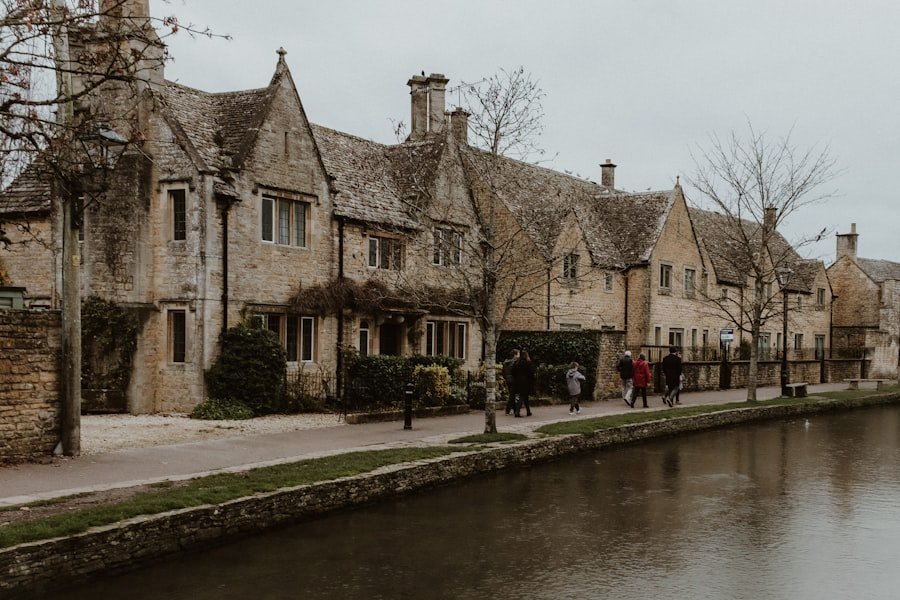
University Parks: A Haven of Tranquility
University Parks is one of Oxford’s most popular green spaces. The University describes it as a green expanse of more than 70 acres in the heart of the city.
The park includes lawns, walking routes, sports areas, trees, plant collections, and riverside scenery. It is free to enter and provides a useful break after visiting crowded colleges and libraries.
The River Cherwell borders part of the park, making the area particularly attractive if you want to combine walking with views of Oxford’s waterways.
Christ Church Meadow: A Scenic Retreat
Christ Church Meadow is a free open space immediately south of Christ Church. Its paths provide views of the college buildings, the Oxford skyline, the River Thames, and the River Cherwell.
The Meadow is open during daylight hours for most of the year and is useful for walking, running, picnicking, watching boats, or simply getting away from busy central streets.
The surrounding floodplain also supports plants, birds, and other wildlife, while Old English Longhorn cattle graze in parts of the meadow.
Rowing, Punting, and Oxford’s Rivers
Rowing is deeply associated with Oxford, particularly on the Thames, which is often called the Isis locally. Visitors walking around Christ Church Meadow may see college rowing activity and boathouses along the river.
For casual visitors who want to get on the water themselves, however, punting on the River Cherwell is the more typical Oxford experience. Punts can be hired during the operating season from local boathouses, and some operators offer instruction or a chauffeur service.
The University of Oxford itself describes punting on the Cherwell as a classic Oxford experience. If you have never punted before, allow enough time for instructions and avoid squeezing it into a tightly booked itinerary.
Tips for Making the Most of Your Day Trip
Leave London Early
An early departure gives you a better chance of seeing Oxford before the busiest part of the day. It also gives you more flexibility if a train is delayed or an attraction takes longer than expected.
Book Priority Attractions First
If Christ Church, a Bodleian tour, or another timed attraction is essential to you, book that first and build the rest of your itinerary around it. Do not create a schedule with several back-to-back timed admissions on opposite sides of the city.
Walk Whenever Practical
Much of Oxford’s appeal is concentrated in a compact historic center. Walking is often simpler than using local buses between central attractions and allows you to notice courtyards, lanes, churches, façades, and smaller landmarks that you would otherwise miss.
Wear Comfortable Shoes
A day trip can involve several miles of walking, often on old paving, uneven surfaces, stairs, and historic floors. Comfortable shoes will make a significant difference by late afternoon.
Check Opening Hours on the Day
Oxford’s colleges are working academic institutions rather than conventional tourist attractions. Exams, ceremonies, services, university events, private functions, maintenance, and term schedules can all affect visitor access.
Museums and libraries can also have temporary gallery or room closures. Check official pages shortly before leaving London rather than relying solely on an older itinerary.
Do Not Overload Your Schedule
Trying to enter five or six major attractions often creates a rushed experience. For most first-time visitors, two or three substantial interiors plus an outdoor walking route provide a better day.
Making Memories on Your London to Oxford Day Trip
A London to Oxford day trip combines university history, architecture, literature, museums, dining, shopping, and outdoor scenery within a city that is relatively easy to explore on foot. Direct rail connections make it practical to leave London in the morning, spend most of the day in Oxford, and return in the evening.
The best approach is to decide which one or two ticketed attractions matter most, reserve those where necessary, and leave room for walking. Radcliffe Square, the Bodleian area, Christ Church, Covered Market, University Parks, and Christ Church Meadow can then be combined according to your interests and the weather.
Oxford’s charm is not limited to famous interiors. Walking past college gates, seeing the Radcliffe Camera from the square, following the river through Christ Church Meadow, or stopping at a café can be just as memorable as a formal tour. A flexible itinerary lets you experience both the university’s centuries-old history and the modern city around it without spending the day rushing from one reservation to another.
For a completely different read elsewhere on the site, the original article also links to Exploring the Delightful World of Asian Melon.
Frequently Asked Questions
What is a London to Oxford day trip?
A London to Oxford day trip means travelling from London to Oxford in the morning, spending several hours exploring the university city, and returning to London the same evening. The relatively short rail journey makes this practical without an overnight stay.
How far is London from Oxford?
Oxford is roughly 55–60 miles from central London by road, depending on the route. Chiltern Railways lists the rail distance between Marylebone and Oxford at about 50 miles. Road journey times vary considerably with traffic.
How long is the train from London to Oxford?
GWR says London Paddington to Oxford journeys take around one hour, with the fastest listed services at approximately 52 minutes. Direct Chiltern Railways services from Marylebone can take from about 1 hour 12 minutes. Always check the timetable for your specific travel date.
Should I travel from Paddington or Marylebone?
Paddington is often faster because GWR operates journeys of around an hour. Marylebone can still be more convenient if you are staying nearby or find a better Chiltern fare. Compare total travel time from your London accommodation rather than looking only at the train duration.
What are the best attractions for a first Oxford visit?
Popular first-time stops include Radcliffe Square and the Radcliffe Camera, the Bodleian Libraries, Christ Church, the Ashmolean Museum, Covered Market, the University Church of St Mary the Virgin, University Parks, and Christ Church Meadow.
Can tourists go inside the Radcliffe Camera?
Yes, but it is a working library rather than an ordinary walk-in attraction. Public interior access is normally available through specific Bodleian guided tours. You can view the exterior freely from Radcliffe Square.
Can I visit Oxford without paying for attractions?
Yes. You can walk through the historic center, see the Radcliffe Camera exterior, visit the Ashmolean Museum and History of Science Museum for general admission, walk through University Parks and Christ Church Meadow, and explore streets and market areas without buying multiple attraction tickets.
Is Oxford easy to explore on foot?
Yes. Many major visitor attractions are concentrated in and around Oxford’s historic center. Walking is usually the most practical way to move between the Bodleian area, Covered Market, Christ Church, museums, colleges, and nearby parks.
Is driving from London to Oxford a good idea?
Driving is possible, but train travel is generally simpler for a one-day visit. Central Oxford has limited parking and special traffic restrictions. Drivers should consider Park & Ride and check Oxfordshire County Council’s current congestion-charge or traffic-filter rules before travelling.
Sources
- University of Oxford — Our History — supports the university’s nine centuries of continuous history and evidence of teaching by 1096.
- Great Western Railway — London to Oxford — supports Paddington–Oxford journey times and train information.
- Chiltern Railways — London Marylebone to Oxford — supports direct Marylebone services and journey times.
- Oxfordshire County Council — Oxford Traffic Information — supports current congestion-charge and traffic-filter guidance.
- Bodleian Libraries — Spaces to Visit — supports Radcliffe Camera and Divinity School visitor-access information.
- Ashmolean Museum — Plan Your Visit — supports free general admission and current visitor information.