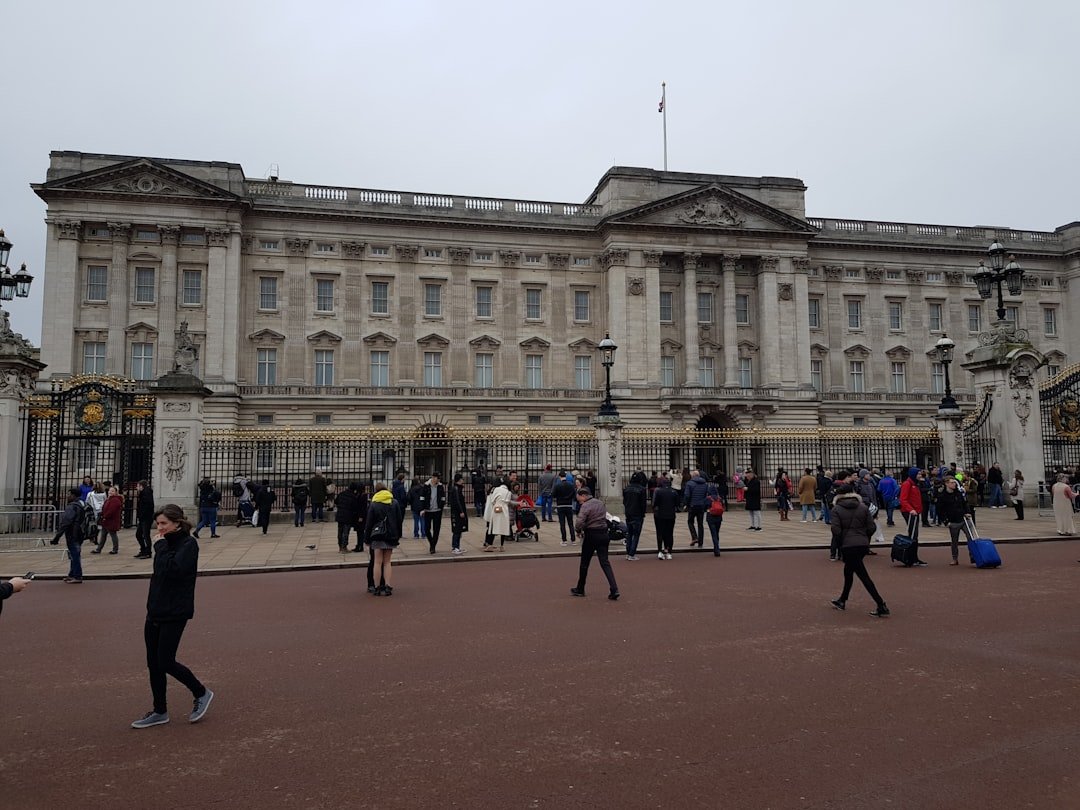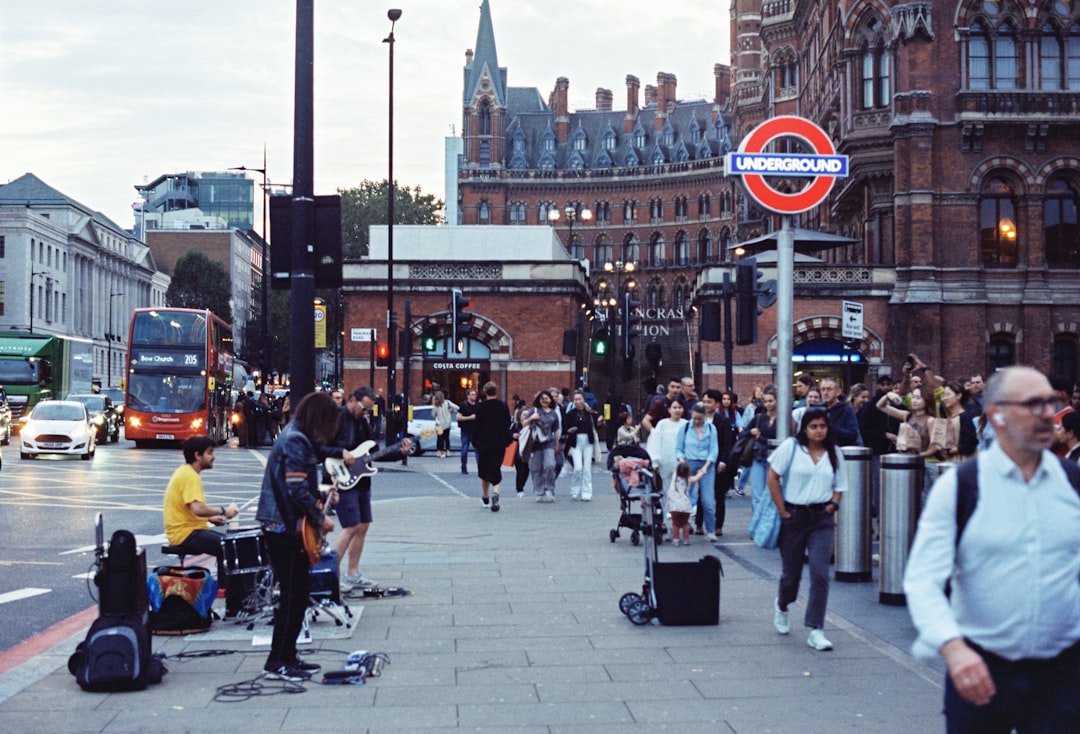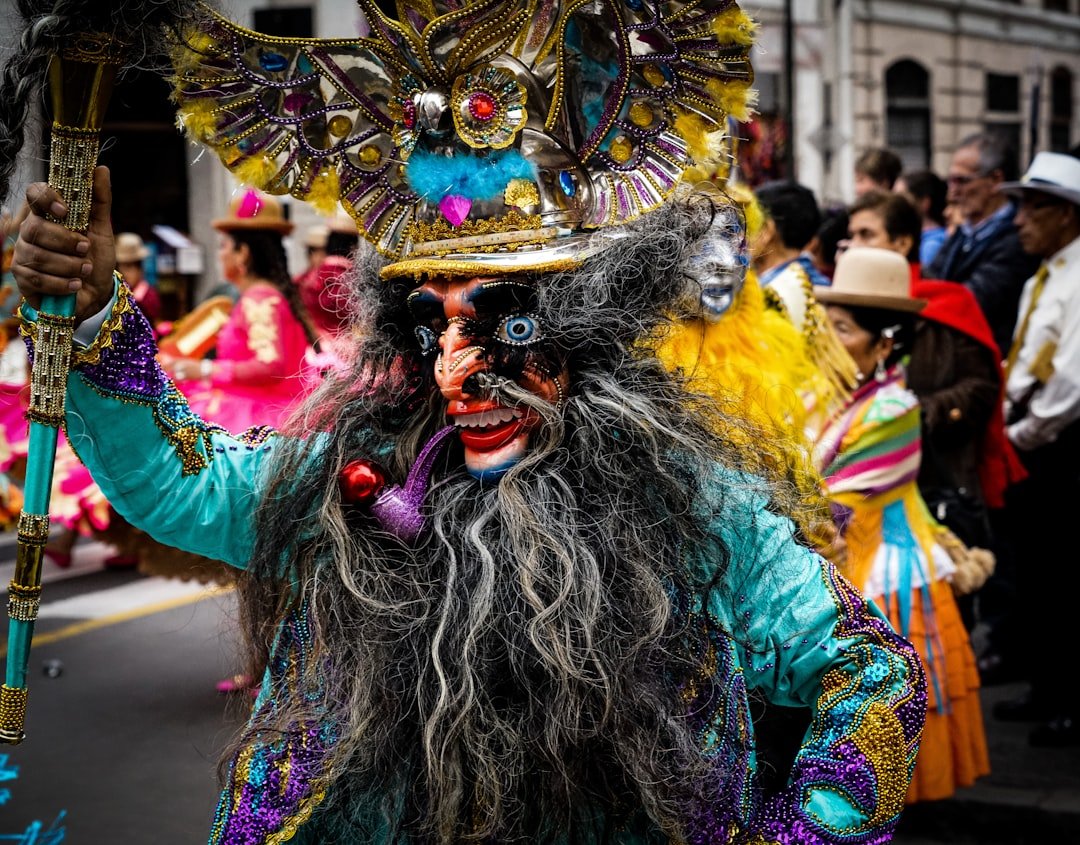
Notting Hill Carnival is London’s major annual celebration of Caribbean culture, filling the streets of west London with mas costumes, steelpan, sound systems, dancing and food. The next Carnival weekend runs from Saturday, August 28 through Monday, August 30, 2027. If you are planning your first visit, the biggest decisions are which day to attend, how to get there and how to handle the crowds safely.
Quick Answer
Notting Hill Carnival 2027 runs from Saturday, August 28 through Monday, August 30. Panorama is ticketed on Saturday; the main street Carnival is free on Sunday and Monday. Sunday focuses on families and children, while Monday is Adults Day. Use public transport, arrive early, and expect major road closures and dense crowds.
Last checked: October 1, 2026. Dates and figures were verified against official sources.
Key Takeaways
- Sunday begins with J’ouvert at 6am, followed by the opening ceremony and Children’s Day Parade; sound systems run from noon to 7pm.
- Monday’s Adults Day Parade begins at 10:30am, with sound systems running from noon to 7pm.
- The final detailed 2027 route map has not yet replaced the 2026 map on the official maps page.
- Driving into the Carnival area is strongly discouraged because surrounding roads close, and public hire bikes and scooters are suspended inside the Carnival footprint.
- Official welfare, first-aid and accessibility arrangements include dedicated support areas, accessible toilets and several recommended viewing locations.
Notting Hill Carnival 2027 dates and schedule
The main Notting Hill Carnival takes place on Sunday, August 29 and Monday, August 30, 2027, with the ticketed UK National Panorama Steel Band Competition on Saturday, August 28. Sunday is Families and Children’s Day, while Monday is the main Adults Day celebration, according to the official 2027 Carnival information.
The weekend has a different character each day, so choosing the right day matters. Saturday centers on steelpan competition, Sunday includes J’ouvert and children’s mas, and Monday brings the main adult parade.
| Day | Main events | Key times | Entry |
|---|---|---|---|
| Saturday, Aug. 28 | UK National Panorama Steel Band Competition | The 2027 Saturday page currently lists the event from 4pm to midnight, with Junior Panorama at 5pm and Panorama at 8pm. | Ticket required |
| Sunday, Aug. 29 | J’ouvert, opening ceremony, Children’s Day Parade, Dutty Mas, sound systems | J’ouvert 6–9am; opening 10–10:30am; Children’s Parade from 10:30am; sound systems noon–7pm | Free |
| Monday, Aug. 30 | Adults Day Parade, mas bands, sound systems | Parade from 10:30am; sound systems noon–7pm | Free |
The official Carnival schedule gives the current parade and sound-system timings. Saturday’s precise hours should still be reconfirmed before you travel because the separate official schedule and 2027 Saturday page currently show different overall Panorama hours.
The final detailed 2027 parade map is also still pending. The official Carnival maps page should be your reference once the 2027 version replaces the previous map.
History and cultural significance of Notting Hill Carnival
Notting Hill Carnival grew from several strands of Caribbean cultural and community activity in post-war London rather than from a single event. Its roots include Claudia Jones’s indoor Caribbean Carnival in 1959 and Rhaune Laslett’s multicultural street festival in Notting Hill in 1966.
From Claudia Jones to the first street festival
Trinidadian journalist and activist Claudia Jones organized an indoor Caribbean Carnival at St Pancras Town Hall in January 1959. Her event followed a period of severe racial tension in London and helped establish Caribbean Carnival traditions in the capital.
In 1966, local social worker and community activist Rhaune Laslett organized a children’s street festival intended to bring together the different communities living around Notting Hill. Steelpan musician Russell Henderson and other Caribbean performers joined the event, helping turn the street celebration into something closer to the Carnival that developed afterward.
The official history of Notting Hill Carnival traces both of these strands and explains how Caribbean music, mas, steelpan and sound-system culture became central to the event.
Why the Carnival still matters
The Carnival gives Caribbean communities a highly visible platform for music, costume-making, dance, food and cultural traditions. It also reflects a much broader story about migration, racism, community organization and the development of multicultural London.
Mas bands may spend months preparing costumes and performances. Steel bands, sound systems and community organizations also operate beyond Carnival weekend, helping keep these traditions active throughout the year.
Getting to Notting Hill Carnival
Public transport is the most practical way to reach Notting Hill Carnival because roads throughout the event area close or become heavily restricted. Paddington, Bayswater, High Street Kensington, Queen’s Park and Shepherd’s Bush can all be useful approaches, but the best station depends on the day, crowd controls and your mobility needs.
Do not assume that the station closest to the parade is the easiest. Stations around Notting Hill and Westbourne Park can become extremely busy, and temporary entrance, exit or closure arrangements may be introduced as crowds build.
For visitors who need step-free access, the Carnival’s accessibility guidance highlights Paddington. It provides step-free options for the Elizabeth line and assisted access on several Underground lines.
Pro Tip: Pick both an arrival station and a different backup station before you leave. Crowd controls can make the station you used on the way in less convenient when you are ready to go home.
Driving is a poor choice because the Carnival footprint and surrounding streets are affected by closures. The official Notting Hill Carnival FAQs strongly recommend public transport and also state that public hire cycling and scooter services are suspended within the Carnival footprint.
Accommodation options for Notting Hill Carnival
Staying close to Notting Hill can make the weekend convenient, but rooms near the route are in high demand and street closures can complicate taxi or car access. Another practical strategy is to stay near a well-connected station outside the busiest streets and travel into the Carnival area by public transport.

The Laslett and The Portobello Hotel are two established boutique hotels in and around Notting Hill. They suit travelers who want to stay close to the neighborhood rather than commute across London.
Budget travelers can also look at hostels and guesthouses around Bayswater, Paddington, Shepherd’s Bush and nearby parts of west London. Short-term rentals are another option, including Airbnb properties, but availability and prices can change sharply around the bank holiday weekend.
If you stay inside the Carnival area, remember that being geographically close does not always mean a quick journey. Barriers, one-way pedestrian flows and closed roads can force you to walk farther than the map suggests.
Notting Hill Carnival street food and drink
Food is one of the easiest ways to experience Caribbean culture at Notting Hill Carnival. Expect stalls serving dishes associated with Jamaica, Trinidad and Tobago, Guyana and other Caribbean communities, alongside vegetarian, vegan and more general festival food.
Jerk chicken remains one of the best-known Carnival foods and is commonly served with rice and peas or festival, a slightly sweet fried dough. Other dishes to look for include curried goat, roti filled with spiced meat or vegetables, ackee and saltfish, fried plantain and Guyanese pepper pot.
For something sweet, you may find rum cake, coconut-based treats and fresh tropical fruit. Drinks can include coconut water, soft drinks and Caribbean beverages such as sorrel.
Carry a refillable water bottle and keep drinking water throughout the day, especially if the weather is warm. Alcohol can make dehydration and heat problems worse, so alternate alcoholic drinks with water and eat during the day.
Pro Tip: Eat before the busiest part of the afternoon. Queues can grow around popular food areas while dense crowds make it slower to move between stalls.
Notting Hill Carnival parade and entertainment
The parade combines mas bands, elaborate costumes, live percussion, steelpan and mobile music. Away from the moving parade, static sound systems and live stages create separate pockets of music throughout the Carnival footprint, so you do not need to follow the parade continuously to enjoy the event.
Mas bands and costumes
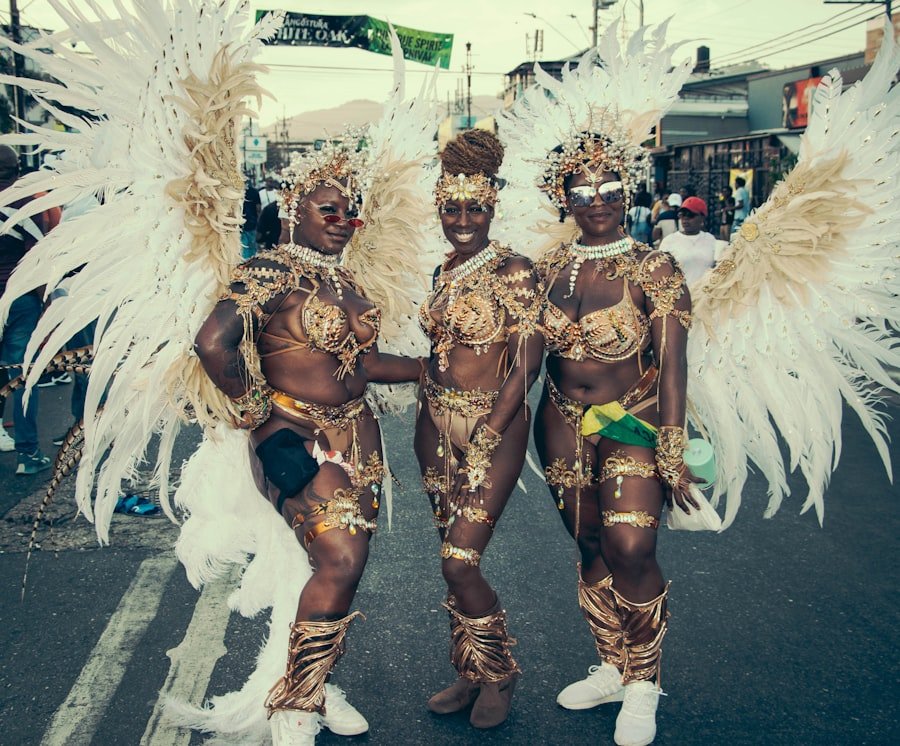
“Mas” is short for masquerade. Carnival participants wear costumes that can include feathers, beads, sequins, sculpted pieces and large decorative structures. Bands develop their own themes and spend considerable time preparing for the road.
Sunday emphasizes children’s mas and family participation, although Dutty Mas also forms part of the program. Monday is the main Adults Day Parade, with adult mas bands taking center stage.
Sound systems and stages
Sound-system culture is a core part of Notting Hill Carnival. Different systems set up around the area and play genres including reggae, dub, dancehall, soca and other Caribbean-influenced music.
The current schedule lists sound systems from noon to 7pm on both Sunday and Monday. Live stages add another option if you prefer to stay in one location rather than moving continuously with the parade.
Popular sound-system areas can become very crowded later in the day. If seeing a particular part of the parade or hearing a specific system matters to you, get to that area earlier rather than trying to cross the Carnival footprint at peak time.
Notting Hill Carnival safety tips
Notting Hill Carnival is extremely busy, so your safest plan is to stay aware of crowd movement, keep valuables secured and know what to do if you become separated from your group. Comfortable footwear, weather protection, drinking water and a charged phone are more useful than carrying a large bag.
Use a zipped bag or secure pocket for your phone, wallet and travel cards. Carry only what you need, and avoid wearing valuable jewelry that could be lost in dense crowds.
If you are attending with children or anyone who may need help if separated, agree on a meeting point before entering the busiest streets. The organizers also recommend taking a current photo before leaving home so stewards can see what the person is wearing if you need help finding them.
Welfare and medical help
The official Carnival safety guidance lists four welfare locations: Powis Square, the north end of Emslie Horniman’s Pleasance Gardens, Shrewsbury Gardens and Venture Community Centre on Faraday Road.
Stewards, police and medical staff operate throughout the Carnival area. If someone needs medical help and cannot move, seek nearby staff immediately. Call 999 for an emergency when direct help is not available; 101 is the police non-emergency number.
Warning: Do not push into a street that is already densely packed or try to move against a strong crowd flow. Follow steward and police directions, and move toward a less crowded area if you feel unwell, overwhelmed or unsafe.
Accessibility and family planning
Visitors with mobility or sensory concerns should plan their approach and viewing area before arriving because surfaces, crowd density and temporary transport restrictions can make spontaneous route changes difficult. The organizers identify several places that may be easier to use than the busiest stretches of the parade route.
The official Carnival accessibility guide identifies the Judging Zone on Great Western Road, Portobello Green, The Tabernacle, St Stephen’s Gardens and Meanwhile Gardens as useful options for people concerned about mobility or crowd intensity.
The Judging Zone grandstand includes a wheelchair access platform, while St Stephen’s Gardens is described as a calmer alcohol-free, smoke-free and food-free space. Most official toilet locations also have accessible toilets.
Sunday is the better match for many families because it is designated Families and Children’s Day. Arriving earlier gives children more time to enjoy the parade before the streets become most crowded.
Young children may also benefit from ear defenders because the sound systems can be extremely loud. A compact stroller is easier to handle than a large buggy when pedestrian routes narrow.
Notting Hill Carnival after parties and events
Carnival celebrations often continue after the daytime street program through club nights, warm-up events and other Caribbean music events across London. However, these change each year, so do not rely on old lists of venues or assume that a previous Carnival party will return in 2027.
Choose an event only after its venue or organizer has published the date, lineup, ticket policy and entry requirements. This matters especially on Sunday and Monday nights, when travel can still be affected by Carnival crowds and road closures.
If you plan to continue into the night, leave enough time to eat, hydrate and travel from Notting Hill to the venue. A ticketed event elsewhere in London may be some distance from the street Carnival, even if it is marketed as a Carnival weekend party.
Frequently Asked Questions
What is the Notting Hill Carnival?
Notting Hill Carnival is an annual Caribbean-led street celebration in west London featuring mas bands, steelpan, sound systems, dancing and food. Its modern roots include Caribbean cultural events organized in London from 1959 and the multicultural Notting Hill street festival organized by Rhaune Laslett in 1966.
When is Notting Hill Carnival 2027?
The main Notting Hill Carnival takes place on Sunday, August 29 and Monday, August 30, 2027. The ticketed UK National Panorama Steel Band Competition takes place on Saturday, August 28.
Is Notting Hill Carnival free?
Yes, the main street Carnival on Sunday and Monday is free to attend. Saturday’s Panorama steelband competition is ticketed, and optional grandstand seating, private events or club parties may also require paid tickets.
What time does Notting Hill Carnival start?
Sunday begins with J’ouvert at 6am, followed by the opening ceremony at 10am and the Children’s Day Parade from 10:30am. Monday’s Adults Day Parade begins at 10:30am, while sound systems are scheduled from noon to 7pm on both days.
How do I get to Notting Hill Carnival?
Public transport is the best way to reach Notting Hill Carnival because local roads close and traffic access is heavily restricted. Paddington is a useful option for many visitors, especially those needing step-free services, but temporary station arrangements can change as crowds build.
Which day is best for families?
Sunday is Families and Children’s Day and is the natural choice for visitors with younger children. It features the Children’s Day Parade and family-focused participation, although the streets can still become extremely crowded later in the day.
What should I bring to Notting Hill Carnival?
Bring comfortable shoes, a refillable water bottle, weather protection, a charged phone and a small secure bag for essentials. Families with young children may also want ear defenders because sound-system areas can be extremely loud.
Is Notting Hill Carnival accessible?
Yes, the organizers provide accessibility guidance and identify several recommended viewing areas. These include a wheelchair platform at the Judging Zone, Portobello Green, St Stephen’s Gardens and Meanwhile Gardens, while most official toilet locations have accessible toilets.
If you are browsing more from TaglineToday, you can also read this homemade cottage cheese recipe, the article about Ozzy Osbourne, and this guide to Asian melon.
Sources
- Notting Hill Carnival: Carnival 2027: official 2027 dates, day themes and free or ticketed entry.
- Notting Hill Carnival: Saturday: 2027 Panorama date and currently published event timings.
- Notting Hill Carnival: Official Schedule: J’ouvert, parade and sound-system times.
- Notting Hill Carnival: Maps: official route-map publication page.
- Notting Hill Carnival: History: Claudia Jones, Rhaune Laslett and the development of Carnival.
- Notting Hill Carnival: FAQs: driving, public transport and public hire bike and scooter guidance.
- Notting Hill Carnival: Safety: welfare areas, weather preparation and emergency guidance.
- Notting Hill Carnival: Accessibility: accessible viewing areas, toilets and transport information.