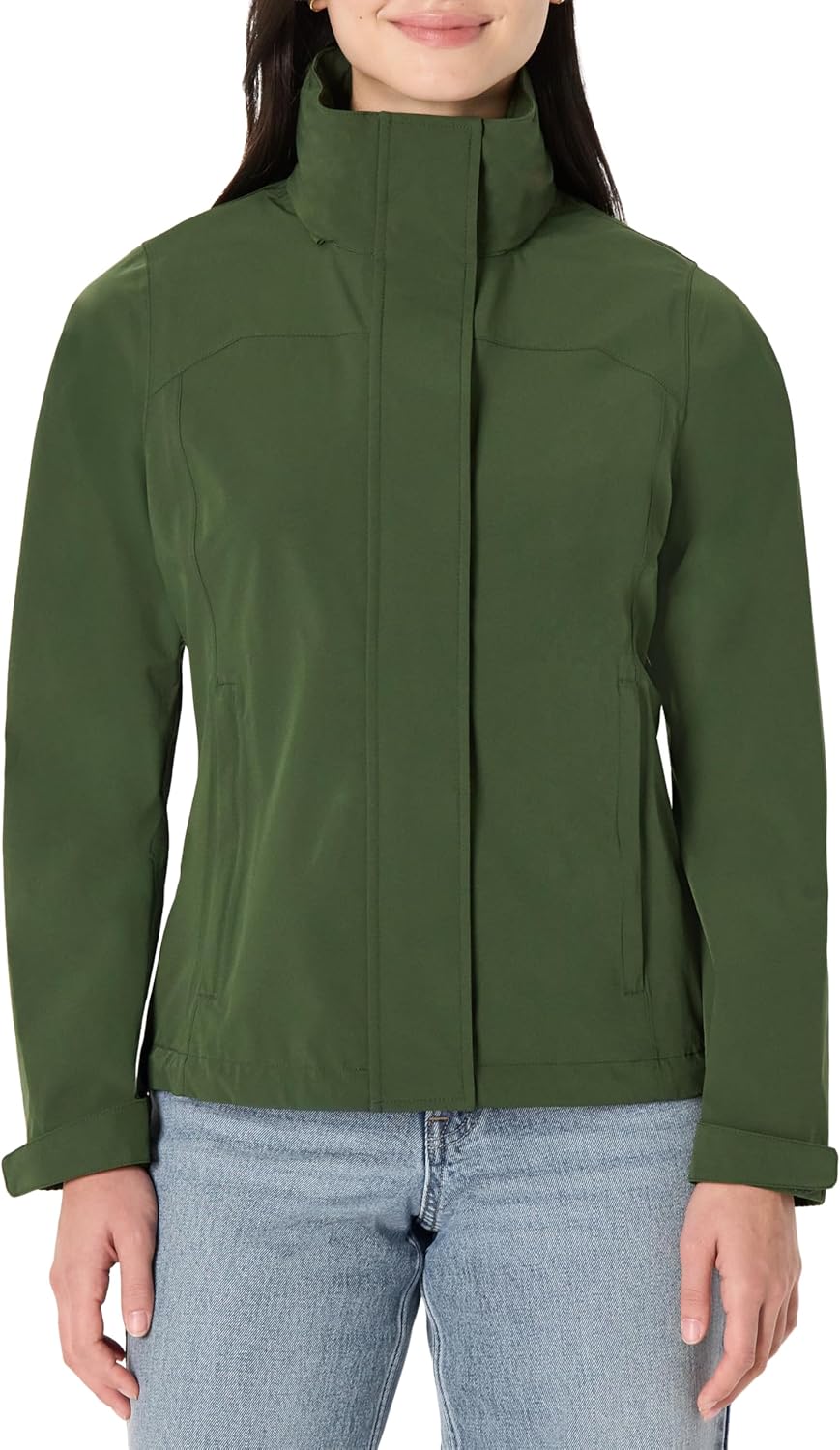
Packing for London is easiest when you plan for layers, rain, and plenty of walking rather than one “typical” forecast. Across the year, London stays relatively mild but changeable, so your core kit should include comfortable shoes, a water-resistant outer layer, and clothing you can add or remove as conditions change. Then adjust the warmth of those layers for your season.
Quick Answer
For London, pack comfortable walking shoes, a compact umbrella or hooded rain layer, and mix-and-match clothing you can layer. Spring and autumn need light knits and rain protection; summer needs breathable clothes plus one light layer; winter needs a warm coat, gloves, scarf, and weather-resistant shoes. Check the short-range forecast before you leave.
Key Takeaways
- London’s climate is mild enough that flexible layers are usually more useful than packing several bulky outfits.
- Rain falls throughout the year, so a compact umbrella, hooded jacket, or other light rain protection earns its place in every season.
- Comfortable, broken-in shoes matter because sightseeing often means long periods on hard or wet pavements.
- Summer still needs a light layer, while winter calls for warmer outerwear rather than specialist snow gear for a typical city trip.
London Weather at a Glance: What It Means for Packing
London’s weather changes by season, but rain protection and layers remain useful all year. The Met Office Heathrow 1991–2020 climate averages provide a practical London-area benchmark: average monthly highs run from about 8–9°C in winter to 22–24°C in summer.
Rain is not an everyday event, but there is no reliably dry season. Heathrow records at least 1 mm of rain on roughly 8 to 12 days per month, depending on the time of year.
| Season | Months | Monthly average highs | Monthly average lows | Rain days per month | Packing priority |
|---|---|---|---|---|---|
| Spring | March–May | 12–18°C (53–65°F) | 4–9°C (39–48°F) | About 8–9 | Light layers and rain protection |
| Summer | June–August | 22–24°C (71–75°F) | 12–14°C (54–58°F) | About 8 | Breathable clothes plus one light layer |
| Autumn | September–November | 11–20°C (53–68°F) | 5–12°C (41–53°F) | About 8–11 | Warm layers and water-resistant footwear |
| Winter | December–February | 8–9°C (47–48°F) | About 3°C (37°F) | About 10–12 | Warm coat, knit layers, scarf and gloves |
What to Pack for London in Spring
For London in spring, pack light layers that can handle cool mornings, milder afternoons, and occasional showers. March through May warms steadily, so a flexible combination of long-sleeve tops, a light knit, and a water-resistant outer layer works better than one bulky coat.
A lightweight waterproof jacket or water-resistant trench is especially useful because you can wear it over a sweater without taking up much suitcase space. Jeans or other full-length trousers work well early in the season, while lighter trousers, dresses, or skirts become more comfortable as May gets warmer.
For footwear, choose comfortable trainers, sneakers, flats, or ankle boots that tolerate wet pavement. Avoid making brand-new shoes your main sightseeing pair, because even a stylish shoe can become uncomfortable after several hours of walking.
- Long-sleeve shirts or T-shirts for base layers
- One or two light sweaters or cardigans
- A lightweight waterproof or water-resistant jacket
- Comfortable closed walking shoes
- A compact umbrella
- A light scarf for cooler mornings and evenings
- Sunglasses for brighter spring days
What to Pack for London in Summer

Summer in London runs from June through August and is the warmest part of the year, but you still need one light layer and basic rain protection. Average monthly highs at Heathrow are about 22–24°C, while average lows are around 12–14°C, so evenings can feel noticeably cooler than sunny afternoons.
Choose breathable fabrics such as cotton and linen for daytime sightseeing. T-shirts, light shirts, dresses, skirts, shorts, and lightweight trousers can all work, depending on your style and plans. Add a cardigan, light sweater, or thin jacket for evenings and air-conditioned indoor spaces.
Comfort matters more than dressiness for long walking days. Sandals are fine if they are supportive and already broken in, but trainers or other breathable walking shoes may be more practical for a full day of sightseeing.
Sun protection also belongs in a London summer bag. The NHS recommends at least SPF 30 sunscreen, suitable clothing, and sunglasses when protection is needed, because sunburn can occur in the UK even on cloudy days.
- Breathable T-shirts, shirts, dresses, or lightweight bottoms
- One cardigan, light sweater, or thin jacket
- Comfortable walking shoes or supportive sandals
- A compact umbrella or packable rain layer
- Sunglasses and a sun hat
- SPF 30 or higher sunscreen
- A refillable water bottle
What to Pack for London in Autumn
Autumn in London, from September through November, needs more warmth as the season progresses. September can still feel mild, but November is much cooler, so build your packing list around removable layers rather than assuming one autumn outfit will suit the whole season.
Start with T-shirts or long-sleeve tops, then add a sweater or cardigan and a water-resistant jacket. By November, a warmer coat may be more comfortable, especially for evenings and longer outdoor plans.
Water-resistant trainers, ankle boots, or other shoes with reliable grip are practical choices for damp pavement. Thicker socks become useful later in the season, while scarves and light gloves can add warmth without taking up much room.
Keep at least one mid-layer in your day bag if you expect to stay out from morning through evening. Temperatures often feel quite different after sunset, especially after a mild daytime start.
- Long-sleeve tops and T-shirts for layering
- One or two sweaters or cardigans
- A water-resistant jacket or warmer coat later in the season
- Water-resistant walking shoes or ankle boots
- Comfortable socks
- A compact umbrella
- A scarf and, later in autumn, light gloves
What to Pack for London in Winter
For winter in London, pack a warm coat, insulating layers, weather-resistant shoes, and cold-weather accessories. December through February has average monthly highs of roughly 8–9°C and lows near 3°C at Heathrow, so warmth matters, but most city visitors do not need specialist snow clothing.
A long-sleeve top or thermal-style base layer can sit under a sweater, cardigan, or fleece. Add a warm outer coat that gives you enough room to move comfortably while wearing those layers underneath.
Choose shoes that keep your feet reasonably dry and have good grip on wet pavement. Warm socks, gloves, a scarf, and a hat that covers your ears make outdoor sightseeing more comfortable, particularly after dark or during cold, windy spells.
If you plan to wear skirts or dresses, thermal leggings or tights can add warmth without requiring another bulky outfit. A compact umbrella or hooded outer layer is also worth packing because winter is one of the wetter parts of the London climate record.
- A warm winter coat
- Long-sleeve or thermal-style base layers
- Sweaters, cardigans, or fleece mid-layers
- Water-resistant shoes or boots with good grip
- Warm socks
- Gloves, scarf, and warm hat
- Thermal leggings or tights if useful for your outfits
- Compact umbrella or hooded rain protection
How to Layer Clothes for London Weather

The easiest way to dress for London is to use three simple layers: a base layer, an optional warm mid-layer, and an outer layer suited to the season. This gives you more control than relying on one thick garment, especially when you move between cool streets, warm shops, museums, restaurants, and public transport.
1. Start With a Comfortable Base Layer
Use a T-shirt, breathable shirt, or long-sleeve top next to your skin. In winter, a lightweight thermal-style top can add warmth without taking up much suitcase space.
2. Add a Mid-Layer You Can Remove
A cardigan, sweater, or light fleece provides warmth but can easily come off when you go indoors. Choose pieces that work with several outfits instead of packing a different sweater for every day.
3. Finish With the Right Outer Layer
Spring and summer usually call for a light waterproof or water-resistant layer. Autumn needs something warmer as November approaches, while winter generally calls for a proper warm coat.
Pro Tip: Try your complete layered outfit before packing. A raincoat that fits comfortably over a T-shirt may feel too tight once you add a sweater underneath.
For a compact suitcase, favor garments that can be worn in several combinations. Jersey, fine knits, and other flexible fabrics are easier to layer and usually take less room than thick single-purpose pieces.
Must-Have Accessories for London Weather
A few small accessories can make a bigger difference than extra outfits. Prioritize items that keep you dry, protect you from the sun, carry your daily essentials, or keep your phone working while you explore.
Rain Protection
A compact umbrella is useful in every season, especially if your coat has no hood. If you dislike carrying an umbrella through busy streets, a lightweight hooded rain jacket is a practical alternative.
Day Bag
Use a comfortable backpack, tote, or crossbody bag with enough room for a water bottle, umbrella, portable charger, and any layer you remove during the day. Avoid carrying more than you need, particularly if you expect a long sightseeing day.
Sun Protection
Sunglasses are useful beyond midsummer, while sunscreen and a hat become more important on bright spring and summer days. Keep sun protection accessible rather than buried at the bottom of your suitcase.
Phone Power and Charging
A portable charger can be useful if you rely on your phone for maps, tickets, photographs, and travel information. Travelers whose devices use a different plug system should also pack a suitable UK plug adapter.
Practical Packing Tips for Traveling to London
Pack around your actual itinerary rather than filling your suitcase with “just in case” outfits. A museum-heavy weekend, a theatre trip, and a week of outdoor sightseeing have different needs, but most travelers benefit from a compact wardrobe built around comfortable shoes and interchangeable layers.
Check the Forecast Before Finalizing Your Bag
Use the short-range forecast close to departure to decide whether you need an extra warm layer, stronger rain protection, or more lightweight clothing. Climate averages tell you what is normal; the forecast tells you what your particular travel dates are likely to bring.
Build Outfits That Mix and Match
Choose a small group of tops, bottoms, and layers that work together. This reduces luggage without limiting your options, and it makes it easier to adapt when the temperature changes during the day.
Keep Your Main Luggage Manageable
London’s transport network can involve stairs, platforms, and station changes, so lighter luggage is easier to handle. Transport for London advises passengers traveling with luggage to use a lift rather than an escalator when appropriate and to ask staff for help if needed.
Use Packing Cubes or Simple Compartments
Packing cubes can separate tops, underwear, outer layers, and accessories so you can find things quickly. Rolling suitable clothes can also save space and reduce the amount of rummaging needed in a small hotel room.
Leave Some Space for the Return Journey
London has everything from department stores and markets to museum shops and small independent retailers. Leaving a little unused suitcase space gives you room for purchases without having to repack everything at the end of the trip.
Check Airport Rules for Liquids
If your trip involves UK airport security, check the rules for your departure airport because equipment and liquid limits can differ. Current GOV.UK hand-luggage guidance says that at most UK airports, liquids in cabin baggage cannot be in containers larger than 100 ml, although some airports may permit larger containers.
Frequently Asked Questions
What are the essential items to pack for London in the summer?
Pack breathable tops and bottoms, comfortable walking shoes, a light sweater or jacket, a compact umbrella or rain layer, sunglasses, and sun protection. London summers are mild to warm rather than consistently hot, and average nighttime temperatures are much cooler than daytime highs, so one removable layer is useful.
What should I pack for London in the winter?
Pack a warm coat, sweaters or other insulating layers, long-sleeve tops, gloves, a scarf, warm socks, and weather-resistant walking shoes. A hooded rain layer or compact umbrella is also useful. Typical winter temperatures are cool rather than severely cold, so flexible layers usually work better than specialist snow clothing.
What should I pack for London in the spring and autumn?
Pack clothing that can be layered, including long-sleeve tops, a light sweater or cardigan, trousers or jeans, comfortable shoes, and a water-resistant outer layer. Spring grows warmer from March to May, while autumn cools from September to November, so the weight of your coat should match your exact travel month.
What type of footwear should I pack for London?
Choose comfortable, already broken-in shoes that can handle long periods of walking. Trainers, sneakers, flats, or supportive boots can all work, depending on the season. At least one pair should tolerate wet pavement, and winter footwear should offer reliable grip without necessarily being heavy or designed for deep snow.
Should I pack any specific accessories for London?
A compact umbrella, comfortable day bag, portable charger, and sunglasses are useful in most seasons. In winter, add gloves, a scarf, and a warm hat. International visitors may also need a UK plug adapter. Keep daily accessories light enough that carrying your bag for several hours remains comfortable.
Does it rain every day in London?
No, it does not normally rain every day in London. Heathrow’s 1991–2020 climate averages show at least 1 mm of rain on roughly 8 to 12 days per month. Rain can occur in every season, however, which is why lightweight rain protection is more useful than assuming any month will stay dry.
Do I need a heavy coat in London during summer?
You usually do not need a heavy winter coat for a London summer trip. A cardigan, light sweater, denim-style jacket, or thin waterproof layer is generally more practical for cooler evenings and wet weather. Check the forecast close to departure because unusually cool or hot spells can still change what feels comfortable.
More from Tagline Today: try this simple homemade cottage cheese recipe, read the site’s