Wondering what to wear in London in January? Pack for cold, damp, changeable winter days rather than extreme Arctic conditions. Removable layers, a warm rain-resistant coat, comfortable closed shoes, and a few compact winter accessories will cover most sightseeing days while letting you adjust easily when you move indoors.
Quick Answer
For a typical January sightseeing day, wear a long-sleeve base layer, a sweater or fleece, a warm water-resistant coat, trousers, and comfortable water-resistant walking shoes. Carry gloves, a scarf, and a hat. Add thermals for long outdoor periods or cold snaps, but keep layers easy to remove indoors.
Key Takeaways
- Central London is usually chilly rather than severely cold, so adjustable layers are more useful than one extremely heavy outfit.
- Rain-ready outerwear matters because January has regular wet days, even though London is not continuously rainy.
- Comfortable water-resistant trainers or boots are usually more practical than bulky snow boots for normal city sightseeing.
- A scarf, gloves, and hat take little suitcase space and make long outdoor walks noticeably more comfortable.
What Is London Weather Like in January?
January in London is normally cold, damp, and changeable, with occasional frost and the possibility of wintry weather. The Met Office 1991–2020 Greenwich Observatory climate normals give a much more useful picture than a broad UK winter average.
| January measure | Greenwich 1991–2020 average | What it means for clothing |
|---|---|---|
| Daily maximum temperature | 8.47°C | A warm coat and adjustable layers suit most daytime sightseeing. |
| Daily minimum temperature | 3.36°C | Evenings and early mornings can feel considerably colder. |
| Air frost | 5.90 days | Gloves and shoes with useful grip are sensible additions. |
| Monthly rainfall | 43.93 mm | A water-resistant or waterproof outer layer is useful. |
| Days with at least 1 mm of rain | 10.47 days | Prepare for wet pavements without assuming every day will be rainy. |
| Sunshine | 44.42 hours | Expect many grey or low-light periods and plan warm clothing for long outdoor days. |
These are long-term averages, not a forecast for your particular trip. London can still get milder spells, colder snaps, wind, and frost. Visit London also describes winter as a cold season when visitors should wrap up warmly while exploring the city.
Snow is possible, but you should not pack as though deep snow is guaranteed. The Met Office’s Southern England climate summary notes that snowfall in the region is mainly a winter and early-spring occurrence, while lying snow is more restricted. For most London trips, cold rain, damp pavements, and frost are more useful packing considerations.
How to Layer Clothes for London in January
Layering is the easiest way to stay comfortable in London because your day may alternate between chilly streets and much warmer indoor spaces. Several lighter garments also give you more control than one very bulky layer. The Met Office similarly advises wearing several light layers in cold weather.
- Base layer: Start with a fitted long-sleeve top. Merino wool and moisture-wicking synthetic fabrics work well because they provide warmth without excessive bulk.
- Middle layer: Add a wool sweater, fleece, cardigan, or lightweight insulated layer. This is the piece you can remove first when you enter a museum, café, restaurant, or other warm space.
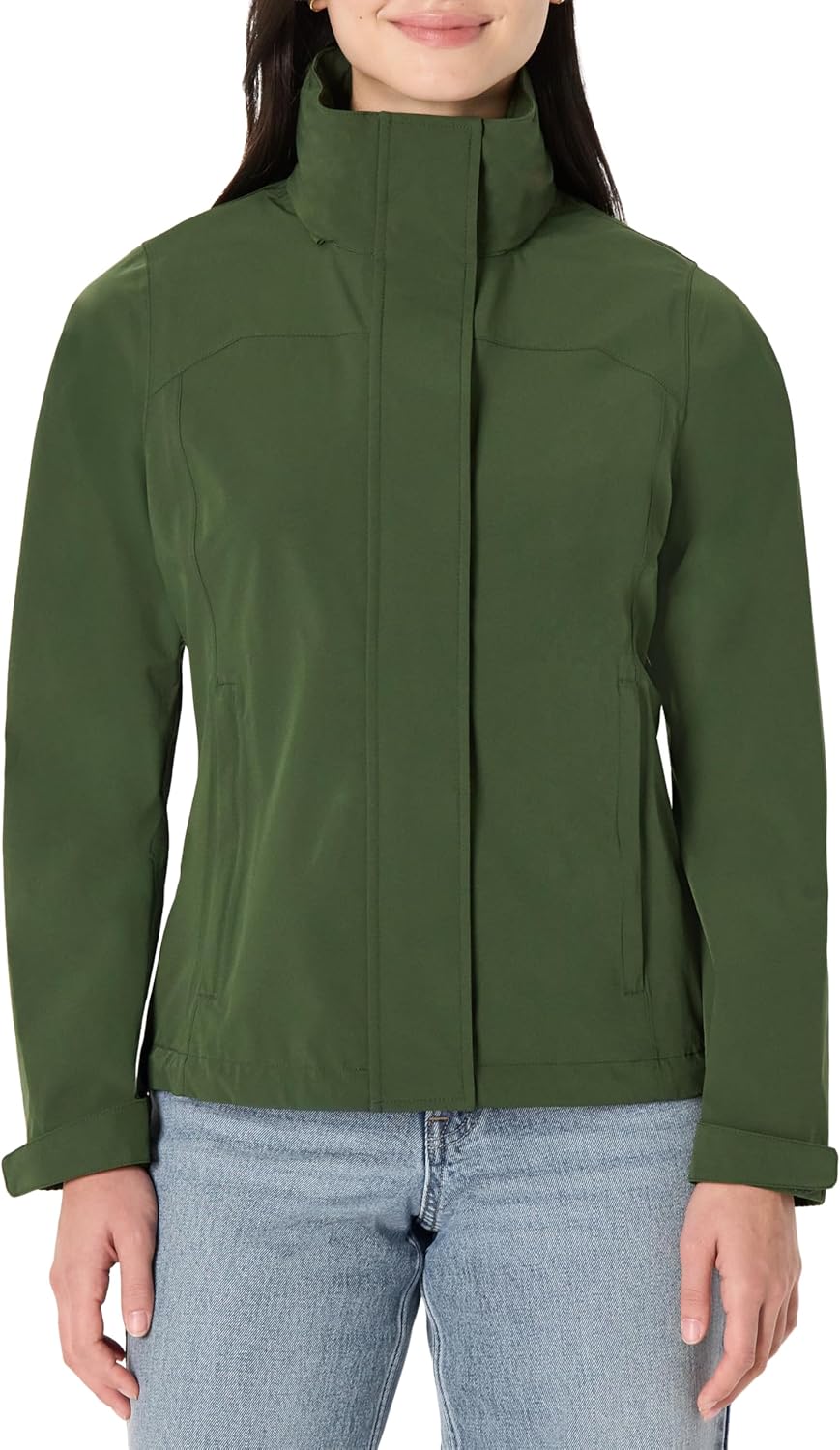
- Outer layer: Finish with a coat or shell that blocks cold wind and resists rain. Your outer layer should be roomy enough to fit comfortably over the layers underneath.
A thermal base layer is most useful if you feel the cold easily, expect to spend hours outside, or the forecast shows a particularly cold spell. On milder January days, a normal long-sleeve top with a warm sweater may be enough beneath your coat.
Waterproof Outerwear
Your outer layer should protect you from both cold air and passing rain without becoming uncomfortable during a full day of walking. A warm water-resistant coat works for many January trips, while a properly waterproof jacket or shell gives extra protection when the forecast is consistently wet.
Waterproof-breathable membranes such as Gore-Tex are designed to block outside moisture while allowing some water vapour to escape. Whatever material you choose, practical features can matter as much as the label. A hood, secure pockets, adjustable cuffs, and room for a sweater make a coat easier to use during a city trip.
If you prefer a packable setup, a lightweight rain shell can fit easily in a backpack and go over an insulating sweater or jacket when needed. This gives you flexibility without requiring one extremely heavy coat for the entire trip.
Warm Accessories

Gloves, a scarf, and a hat are small items, but they can make a major difference when you spend several hours outside. They are especially useful during early mornings, evenings, riverside walks, and colder spells.
A wool or merino beanie provides warmth without taking much suitcase space. A scarf can cover your neck and help block cold wind around the top of your coat. If you regularly use your phone for maps, tickets, or photos, touchscreen-compatible gloves are convenient because you do not need to remove them repeatedly.
Cashmere, merino wool, and other insulating knits can provide warmth with relatively little bulk. You do not need the thickest possible accessories; aim for pieces that fit easily into a day bag when you no longer need them.
Comfortable Footwear
For most visitors, comfortable closed walking shoes are more important than specialised snow boots. London sightseeing can involve long periods on hard pavements, so support, cushioning, grip, and resistance to wet conditions should guide your choice.
Water-resistant leather trainers, walking shoes, or ankle boots are practical options. Choose soles with useful tread for wet surfaces and occasional frost. Fully insulated boots may be worthwhile during a colder forecast, but they can feel unnecessarily hot and bulky during a normal day spent moving between outdoor attractions and indoor spaces.
Brands such as Sorel and Timberland offer winter-oriented footwear, as mentioned in the original article, but brand name matters less than fit. Break shoes in before travelling and make sure they remain comfortable with the socks you intend to wear.
Versatile Pieces
Versatile clothes make January packing easier because one garment can work across sightseeing, restaurants, museums, and evening plans. Choose pieces that combine easily rather than packing a separate outfit for every activity.
Neutral trousers, dark jeans, knitwear, and simple long-sleeve tops can be mixed throughout the trip. A denim jacket can still be useful, but in January it works better as an indoor layer or mid-layer than as your only outdoor jacket.
A little black dress can also work for dinner, theatre, or another evening activity. Pair it with warm tights or leggings, ankle boots, and your winter coat rather than treating it as a stand-alone winter outfit.
Stylish Hats and Scarves

Hats and scarves let you add colour and texture without sacrificing warmth. A knitted beanie creates a casual look, while a structured wool hat can work with a smarter coat for evenings or dressier plans.
Scarves are equally flexible. A patterned scarf can add interest to a simple black, navy, camel, or grey coat, while a solid wool or cashmere scarf keeps a cleaner, more understated look.
Because these accessories are easy to remove, they are also a simple way to adjust your outfit as temperatures change. Keep one scarf and one hat that coordinate with most of the clothes in your suitcase instead of packing several bulky alternatives.
Dark and Neutral Colors
Dark and neutral colours are practical for a winter city wardrobe because they mix easily and are less likely to show marks from wet streets and everyday travel. Black, navy, charcoal, brown, beige, and other muted shades can form the base of several outfits.
For example, a charcoal sweater, black trousers, and a navy coat can work for sightseeing and still look polished enough for many restaurants or evening plans. You can then add a brighter scarf, hat, bag, or piece of jewellery when you want more colour.
This does not mean your entire January wardrobe needs to be dark. The practical goal is simply to choose a core colour palette that lets most tops, trousers, footwear, and outerwear work together.
Weather-Appropriate Fabrics
Fabric choice affects how warm and comfortable your layers feel. Wool, merino wool, fleece, down, and synthetic insulation all have useful winter applications, while moisture-wicking fabrics are especially helpful for active sightseeing.
Merino wool works well as either a base layer or a fine sweater because it provides warmth without requiring a very thick garment. Fleece is a practical mid-layer because it is light and easy to remove. Down provides excellent warmth for its weight, while synthetic insulation is another useful option for winter jackets and vests.
Cotton shirts and other everyday fabrics can still form part of your wardrobe, especially when you will spend much of the day indoors. For longer outdoor periods in cold or damp weather, however, wool or performance fabrics are usually more useful as the layer closest to your skin.
Easy London January Outfit Ideas
You do not need a complicated wardrobe for London in January. A few repeatable outfit formulas cover most tourist activities while leaving enough flexibility for changes in temperature.
For a Full Day of Sightseeing
Wear a long-sleeve top, sweater or fleece, warm rain-resistant coat, trousers, comfortable water-resistant walking shoes, and medium-weight socks. Carry a scarf and gloves so you can add them during colder outdoor stretches.
For Museums, Shopping, and Cafés
Use a lighter base layer under a removable sweater or cardigan, then add your normal winter coat outdoors. This combination helps you avoid overheating after you have spent several minutes inside a warm building.
For Dinner or the Theatre
Choose smart trousers with knitwear, or a dress with warm tights, then wear your usual winter coat and comfortable boots. You generally do not need a separate heavy formal coat unless your plans require a particularly dressy outfit.
What to Pack for London in January
A compact January packing list should cover warmth, rain, walking comfort, and indoor-outdoor temperature changes. Adjust quantities to the length of your trip rather than packing multiple versions of every item.
- A warm water-resistant or waterproof coat
- Long-sleeve base-layer tops
- One or more sweaters, fleeces, or cardigans
- Comfortable trousers or jeans
- Optional thermal leggings or base-layer bottoms for colder days
- Comfortable water-resistant walking shoes or boots
- Warm socks
- A scarf
- Gloves
- A warm hat or beanie
- A small umbrella or hooded rain layer
Pro Tip: Build each outfit around the same coat and pair of comfortable shoes. Changing your sweater, scarf, or top gives you variety without using valuable suitcase space on several bulky winter outfits.
What Should You Avoid Wearing?
Avoid clothing that leaves you with no way to adjust when conditions change. One thin outfit beneath an oversized heavy coat can feel cold outdoors and uncomfortable once the coat comes off indoors.
Open-toed shoes and sandals are poor choices for normal January sightseeing. Thin canvas shoes can also become uncomfortable if pavements are wet. If rain is forecast, avoid relying on outerwear that quickly absorbs water unless you also have a waterproof layer.
You also do not need to assume that London requires expedition-level winter gear. Heavy snow boots, extremely thick thermals, and multiple bulky insulated layers may be unnecessary unless a specific cold spell or snow forecast justifies them.
For a separate food feature that was linked in the original article, see this guide to exploring the delightful world of Asian melon.
Frequently Asked Questions
What is the weather like in London in January?
London is normally cold, damp, and changeable in January. Met Office 1991–2020 normals for Greenwich show an average daily maximum of 8.47°C, an average minimum of 3.36°C, 43.93 mm of rain, and about 10.47 days with at least 1 mm of rainfall.
What should I wear to stay warm in London in January?
Wear removable layers rather than relying on one very heavy garment. A long-sleeve base layer, sweater or fleece, warm water-resistant coat, trousers, scarf, gloves, and hat provide a practical combination for most sightseeing days.
What type of footwear is suitable for London in January?
Comfortable closed shoes with good grip and some water resistance are suitable for most January visits. Walking trainers, leather shoes, or ankle boots usually work well, while heavily insulated snow boots are mainly useful during unusually cold or snowy conditions.
Are there any specific clothing items to avoid in London in January?
Avoid open-toed shoes, thin footwear that becomes uncomfortable when wet, and outfits that cannot be adjusted as you move indoors and outdoors. If rain is expected, do not rely solely on an outer layer that absorbs water easily.
Can I still dress stylishly while staying warm in London in January?
Yes, you can dress stylishly without giving up warmth. Start with a coordinated coat, trousers or dress, and comfortable boots, then use a scarf, hat, knitwear, and other accessories to add colour or texture while keeping the outfit practical.
Does it snow in London in January?
Snow can occur in London in January, but you should pack primarily for cold rain, damp conditions, and occasional frost rather than assume deep snow. Check the forecast shortly before your trip and add more insulation or snow-ready footwear only when conditions call for it.
Sources
- Met Office: Greenwich Observatory long-term averages: Supports the 1991–2020 January temperature, frost, rainfall, rain-day, and sunshine figures.
- Met Office: How cold weather affects your health: Supports the recommendation to wear several lighter layers in cold weather.
- Met Office: Southern England climate: Supports the regional context for snowfall and lying snow.
- Visit London: Best time to visit London: Supports the general description of London winter conditions and the need to wrap up warmly.