Istanbul changes noticeably with the seasons. Heat, rain, visitor numbers, festival schedules, and public holidays can all affect how much you enjoy walking between its historic districts, cruising the Bosphorus, or spending long days at major sights.
Quick Answer
For most travelers, the best time to visit Istanbul is April–May or September–October. These months combine comfortable walking weather with fewer weather extremes than midsummer or midwinter. Choose April for tulips, May or September for warmer shoulder-season conditions, October for cultural events, summer for long evenings, and winter for generally lighter crowds.
Last checked: October 1, 2026. Dates and figures were verified against official sources.
Key Takeaways
- April, May, September, and October give most visitors the easiest balance of temperature and sightseeing conditions.
- July and August are warm and relatively dry, but hot afternoons and heavy visitor demand can make sightseeing more tiring.
- November through February generally brings cooler, wetter weather and lighter tourism demand, although New Year and special events can create exceptions.
- Major religious holidays and cultural events move from year to year, so exact dates matter when choosing travel dates.
Best Time to Visit Istanbul by Travel Style
The best months depend on what matters most to you. For a first sightseeing trip with plenty of walking, April–May and September–October are the safest choices because they avoid the strongest summer heat and the wettest part of winter.
- Best for first-time sightseeing: April, May, September, and October.
- Best for tulips and spring parks: April.
- Best for warm evenings and outdoor dining: June through early September.
- Best for generally lighter visitor numbers: November through February, outside holiday periods.
- Best for major cultural programming: spring through autumn, with dates varying by year.
If your trip is mostly about mosques, palaces, museums, markets, and food, Istanbul works year-round. The main decision is how much heat, rain, and crowding you are comfortable with.
Weather and Climate in Istanbul
Istanbul has four distinct seasons, with warm summers and cool, wetter winters. Its position between the Black Sea and the Sea of Marmara also means conditions can change quickly, particularly in spring and autumn.
Official Turkish State Meteorological Service climate statistics list July and August average highs at 29.7°C (85°F). January averages a high of 9.6°C (49°F) and a low of 4.2°C (40°F).
| Month | Average High / Low | Average Rainy Days | Typical Travel Pattern |
|---|---|---|---|
| January | 9.6°C / 4.2°C (49°F / 40°F) | 16.3 | Cool, wet, generally quieter |
| February | 10.2°C / 4.2°C (50°F / 40°F) | 13.9 | Cool; Ramadan begins February 8 in 2027 |
| March | 12.4°C / 5.5°C (54°F / 42°F) | 12.6 | Early spring; Ramazan Bayramı is March 9–11 in 2027 |
| April | 17.4°C / 9.2°C (63°F / 49°F) | 10.1 | Excellent walking weather and tulip season |
| May | 22.3°C / 13.6°C (72°F / 56°F) | 7.5 | One of the best sightseeing months |
| June | 27.1°C / 18.0°C (81°F / 64°F) | 5.4 | Warm, dry and increasingly busy |
| July | 29.7°C / 20.5°C (85°F / 69°F) | 3.5 | Hot, dry and heavily visited |
| August | 29.7°C / 20.8°C (85°F / 69°F) | 3.6 | Hot, dry and busy |
| September | 25.9°C / 17.6°C (79°F / 64°F) | 5.5 | Warm shoulder season; 2027 Biennial starts September 18 |
| October | 20.6°C / 13.7°C (69°F / 57°F) | 9.5 | Comfortable sightseeing and a strong cultural calendar |
| November | 16.1°C / 9.9°C (61°F / 50°F) | 11.3 | Cooler, wetter and generally calmer |
| December | 11.8°C / 6.5°C (53°F / 44°F) | 15.5 | Wet and cool; New Year creates a late-month exception |
May and September stand out if you want warmer weather without the highest midsummer temperatures. April and October are cooler but excellent for long walking days, although rain remains possible.
Winter is not consistently snowy. Snow can occur, but rain is much more common, so waterproof shoes and a weather-resistant outer layer are more useful than planning specifically for snow.
Peak Tourist Season in Istanbul
)
July and August are firmly within Istanbul’s high-demand travel period, but visitor levels do not fit neatly into one three-month “peak season.” Spring and autumn can also be busy because their weather is especially attractive for sightseeing.
Official Istanbul tourism statistics recorded 1,879,266 foreign visitor arrivals in July 2025, compared with 1,268,660 in January. The Istanbul Provincial Directorate of Culture and Tourism report shows why midsummer should be treated as a high-demand period.
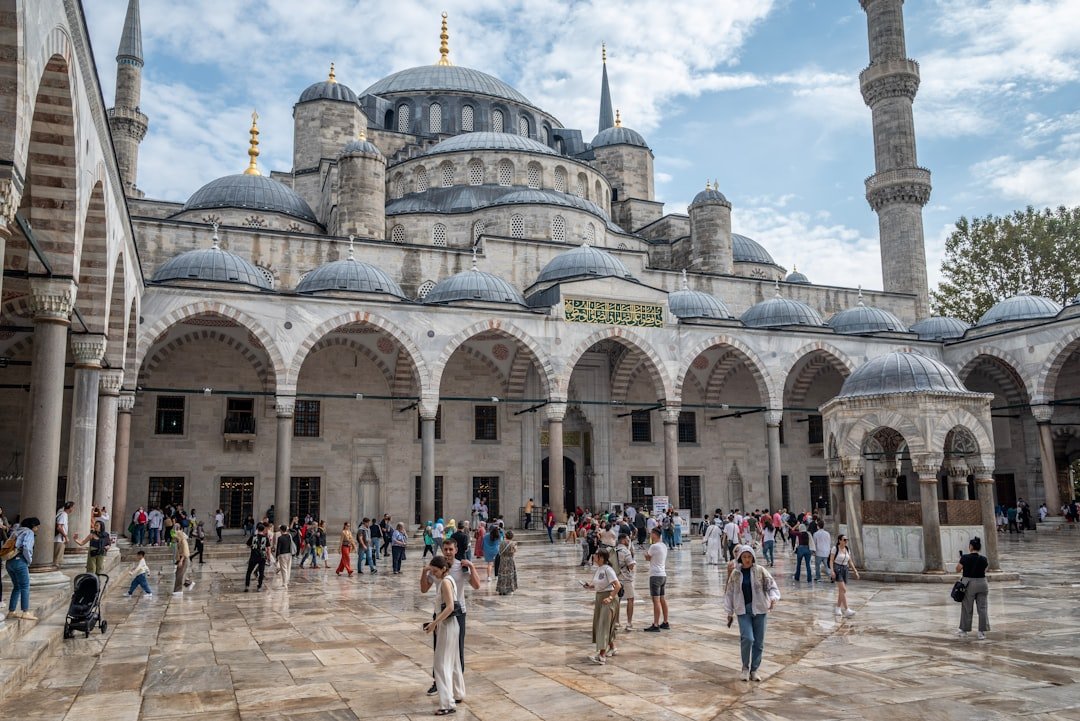
Expect the greatest pressure at famous sights in Sultanahmet, busy ferry terminals, popular Bosphorus viewpoints, and central districts such as Taksim and Galata. Booking accommodation earlier gives you more choice, especially if your dates overlap a major event or holiday.
Summer does have advantages. July and August average only about 3.5 rainy days per month, and long warm evenings suit Bosphorus cruises, rooftop dining, waterfront walks, and outdoor events.
Off-peak Season in Istanbul
| Metrics | Off-peak Season in Istanbul |
|---|---|
| Weather | Cooler and wetter, with occasional snow |
| Tourist Numbers | Generally lower from late autumn through winter |
| Hotel Prices | Demand is often lower outside New Year and major events |
| Attraction Wait Times | Often shorter than in the busiest summer periods |
| Local Events | Indoor cultural events continue, with fewer large outdoor festivals |
The quieter period generally runs from November through February. It suits travelers who prioritize museums, historic interiors, restaurants, markets, and lower demand over long sunny days.
December is the wettest month in the official climate series, averaging 99.2 mm of precipitation and about 15.5 rainy days. January averages about 16.3 rainy days, so a flexible indoor-outdoor itinerary works better than a schedule built entirely around viewpoints and walking tours.
Winter can also make major historic districts feel less hectic. You may have more space in museums, bazaars, cafés, and palace grounds, although weekends, New Year, exhibitions, and special events can still create busy periods.
Events and Festivals in Istanbul
Istanbul has major cultural events in every part of the year, so the best time to visit can depend as much on the calendar as the weather. Exact festival dates change annually, and religious holidays move through the Gregorian calendar.
Spring Events
April is Istanbul’s best-known flower season. In 2026, the municipality’s Lale Bayramı was held on April 11–12, with tulip displays centered on Emirgan Grove, Göztepe 60th Year Park, Gülhane Grove, and Hıdiv Grove. İBB reported planting 3.58 million tulips across the featured areas that year.
The Istanbul Film Festival is also a major spring event. The İKSV 2026 calendar listed the Istanbul Film Festival for April 9–19, the Istanbul Music Festival for June 11–25, and the Istanbul Jazz Festival for June 30–July 13. These 2026 dates show their seasonal pattern, but future editions should not be assumed to use the same dates.
Autumn and Winter Cultural Events
For travelers visiting in late 2026, Filmekimi runs October 9–18, 2026 in Istanbul. The 30th Istanbul Theatre Festival then runs from October 22 to December 3, 2026.
Looking further ahead, the 19th Istanbul Biennial is confirmed for September 18–November 14, 2027. This makes autumn 2027 especially attractive for contemporary art visitors.
Religious Holidays That Can Affect Travel
Ramadan and the two major religious holiday periods move earlier each year. According to the official 2027 holiday calendar from Türkiye’s Presidency of Religious Affairs, Ramadan begins February 8, 2027; Ramazan Bayramı runs March 9–11; and Kurban Bayramı runs May 16–19.
These periods can change local travel patterns, family schedules, restaurant rhythms, and opening arrangements. During Ramadan itself, Istanbul remains active, and evenings can become especially lively around iftar, the meal that ends the daily fast.
Pros and Cons of Visiting Istanbul in Different Seasons
)
Every season offers a worthwhile version of Istanbul. Your best choice depends on whether you value comfortable walking weather, summer nightlife, cultural events, lower demand, or quieter historic districts.
| Season | Advantages | Tradeoffs | Best For |
|---|---|---|---|
| Spring | Mild weather, tulips, strong cultural calendar | Rain is still possible; visitor numbers rise quickly | First visits and long sightseeing days |
| Summer | Long evenings, little rain, outdoor dining and cruises | Hot afternoons and heavy demand at famous sights | Nightlife and waterfront activities |
| Autumn | Warm September, comfortable October, many arts events | Rain increases through October and November | Culture, food and neighborhood exploration |
| Winter | Generally lighter tourism demand and atmospheric historic areas | More rain, shorter days and occasional cold spells | Museums, food, markets and flexible itineraries |
Tips for Visiting Istanbul in Different Seasons
Small changes to your daily schedule can make each season much easier. Plan outdoor sightseeing around the weather, but keep enough flexibility to swap a viewpoint or long walk for a museum, palace, bazaar, or café when conditions change.
Spring
- Carry a light waterproof layer because sunny and rainy periods can occur on the same trip.
- Use April for parks and tulips, but expect popular green spaces such as Emirgan to draw local visitors too.
- May is warmer and drier on average, making it especially practical for full days on foot.
Summer
- Visit exposed historic sites early in the day before afternoon heat builds.
- Carry water and take midday breaks in museums, covered markets, cafés, or shaded areas.
- Use the long evenings for Bosphorus ferries, waterfront neighborhoods, and outdoor dining.
Pro Tip: In July and August, schedule the most walking-intensive sights in the morning and save ferry rides, indoor attractions, or shaded neighborhoods for the hottest part of the afternoon.
Autumn
- September still feels summery, while October is cooler and better suited to long urban walks.
- Pack a light rain layer as rainfall increases later in the season.
- Check event dates before booking because major film, theatre, art, and national celebrations can increase demand in specific districts.
Winter
- Wear layers and waterproof shoes rather than relying on one heavy coat.
- Build each day around a mix of indoor and outdoor stops so rain does not derail the itinerary.
- Keep waterfront plans flexible during poor weather, especially if wind and rain make exposed areas uncomfortable.
How to Choose the Right Season for Your Istanbul Trip
If you want the strongest all-around balance, choose late April through May or September through October. These periods give you comfortable temperatures for walking while avoiding the coldest winter weather and the hottest summer afternoons.
Choose summer if warm evenings and outdoor activities matter more than crowds. Choose winter if you value a slower pace, indoor cultural sights, markets, restaurants, and potentially better accommodation availability.
Event-focused travelers should work backward from confirmed dates. Autumn 2026 has Filmekimi and the Istanbul Theatre Festival, while autumn 2027 adds the Istanbul Biennial. Religious holiday periods can also shape domestic travel, so check the year-specific calendar rather than assuming the same dates every year.
If you’re planning a trip to Istanbul, you may also be interested in exploring the delightful world of Asian melon. This refreshing fruit is a popular snack in many Asian countries and can be found in various dishes and desserts. To learn more about this delicious fruit, check out this article.
Frequently Asked Questions
What is the best time to visit Istanbul?
The best time to visit Istanbul for most travelers is April to May or September to October. These months offer a strong balance of comfortable temperatures, manageable weather, outdoor sightseeing, and cultural events without the strongest midsummer heat.
What is the weather like during the best months to visit Istanbul?
April averages a high of 17.4°C, May 22.3°C, September 25.9°C, and October 20.6°C. Rain is possible in every one of these months, but May and September are notably drier than the winter period.
When is Istanbul busiest?
Istanbul is heavily visited during the warmer months, with July and August firmly within the high-demand period. Spring and early autumn can also be busy because their milder weather attracts sightseeing visitors, while major holidays and festivals create additional local peaks.
What major events take place in spring and autumn?
Spring typically brings Istanbul’s tulip displays and the Istanbul Film Festival, while autumn has a strong film, theatre, and art calendar. Confirmed examples include Filmekimi on October 9–18, 2026 and the 19th Istanbul Biennial on September 18–November 14, 2027.
What should I pack for Istanbul in spring or autumn?
Pack layers, comfortable walking shoes, and a light waterproof outer layer. Temperatures can change between morning and afternoon, and rain remains possible even during the most comfortable sightseeing months.
Does it snow in Istanbul?
Yes, Istanbul can receive snow in winter, but rain is more common and snowfall is not guaranteed. January and February are the coldest months, so travelers should plan for wet, chilly conditions rather than assuming they will see snow.
Sources
- Turkish State Meteorological Service: Official Istanbul monthly temperature, rainfall, and rainy-day statistics.
- Istanbul Provincial Directorate of Culture and Tourism: July 2025 foreign visitor arrival figures and monthly comparisons.
- Istanbul Metropolitan Municipality: 2026 Lale Bayramı dates, locations, and tulip planting figures.
- Istanbul Foundation for Culture and Arts: 2026 Istanbul Film, Music, Jazz, and Theatre festival calendar.
- Filmekimi: Official October 9–18, 2026 Istanbul dates.
- Presidency of Religious Affairs: Official 2027 Ramadan, Ramazan Bayramı, Kurban Bayramı, and public holiday dates.
- Istanbul Biennial: Confirmed September 18–November 14, 2027 dates for the 19th Istanbul Biennial.