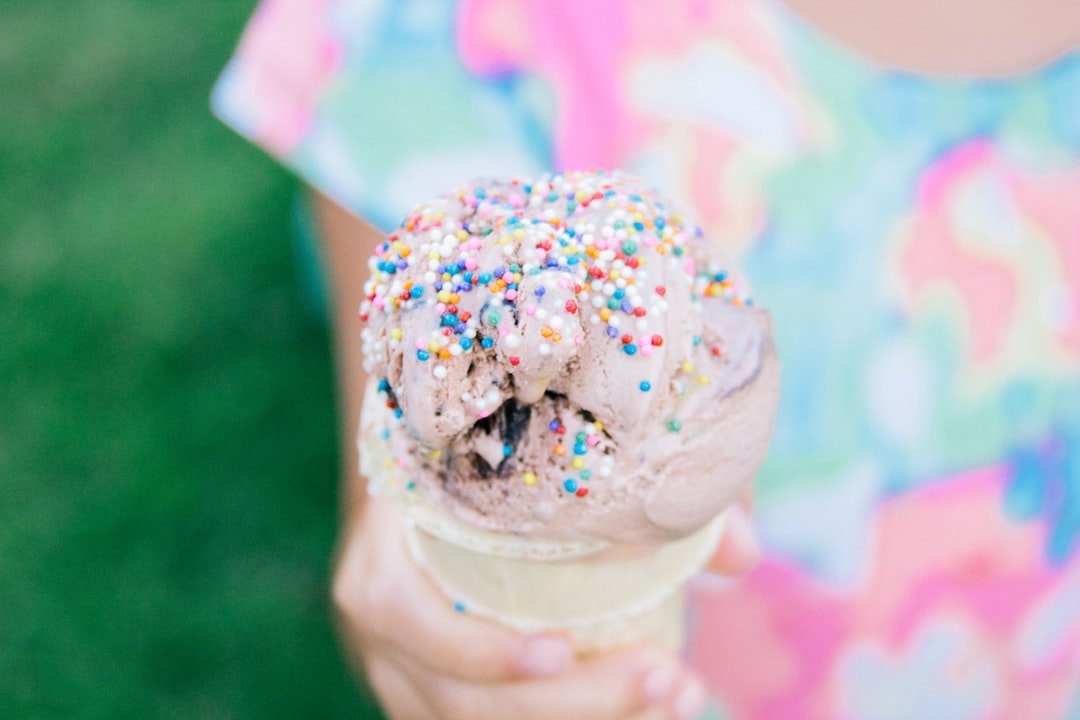
Dondurma is one of Istanbul’s most memorable desserts: dense, cold, and often noticeably chewier than ordinary ice cream. The best-known traditional style is Maraş dondurması, associated with Kahramanmaraş and made with ingredients such as milk, sugar, and salep. In Istanbul, you can try Maraş-style dondurma at major chains as well as long-running neighborhood ice-cream shops in districts such as Kadıköy and Bostancı.
Quick Answer
For traditional-style dondurma in Istanbul, MADO is an accessible choice for Maraş-style ice cream, while Meşhur Dondurmacı Ali Usta in Moda and Yaşar Usta in Bostancı are long-running neighborhood favorites. Look for dense texture, natural-tasting flavors, steady local demand, and clearly identified ingredients rather than choosing only by the vendor show.
Key Takeaways
- Traditional Maraş dondurması is known for a dense, elastic texture associated with salep and specialized preparation.
- Meşhur Dondurmacı Ali Usta in Moda dates to 1969, while Yaşar Usta is strongly associated with Bostancı and Kadıköy.
- MADO traces its ice-cream-making heritage to 1850, although the MADO chain and brand developed much later.
- Pistachio, plain milk, chocolate, fruit, mastic, and other seasonal flavors are common, but selections vary by shop.
- Traditional dairy-based dondurma is not vegan, so visitors with allergies or dietary restrictions should confirm ingredients directly with the shop.
Where to Find the Best Dondurma in Istanbul
Istanbul has hundreds of places selling ice cream, but not every frozen dessert labeled “dondurma” is the dense, stretchy Maraş-style product travelers may have seen in videos. Some shops focus on traditional Turkish ice cream, while others specialize in fruit ice creams, sorbets, or softer gelato-style desserts.
MADO is one of the easiest names for visitors to recognize. According to the company, its family ice-cream tradition began in Kahramanmaraş in 1850. The business later moved into Yaşar Patisserie in 1980 and continued under the MADO brand as a growing chain from 1991. MADO is especially useful if your priority is trying a recognizable Maraş-style ice cream without making a special trip across the city. You can read the company history on the official MADO website.
On Istanbul’s Asian side, Meşhur Dondurmacı Ali Usta is one of Moda’s best-known neighborhood ice-cream stops. Reputable Istanbul food coverage dates the shop to 1969. Its appeal is less about the theatrical cone tricks associated with tourist streets and more about stopping for ice cream during a walk through Moda and Kadıköy.
Yaşar Usta is another established name on the Asian side. Its Bostancı location is in Kadıköy, and the shop is particularly associated with fruit-forward and seasonal ice creams. Because flavors change with ingredients and season, it is better to see what is available at the counter than to arrive expecting one specific combination.
Pro Tip: Do not cross Istanbul solely for a shop without checking its current location and opening status first. Branches, seasonal hours, and menus can change, especially outside the warmer months.
Dondurma, Maraş Dondurması, and Gelato: What Is the Difference?
The Turkish word dondurma broadly means ice cream. In everyday use, it can refer to many types of frozen dairy desserts sold across Türkiye.
Maraş dondurması is more specific. It is strongly associated with Kahramanmaraş and has protected geographical-indication status in Türkiye. The Turkish Patent and Trademark Office lists Maraş Dondurması as registered geographical indication no. 344, registered on April 18, 2018. Traditional descriptions emphasize goat milk, sugar, salep, elasticity, density, and resistance to rapid melting. See the official TÜRKPATENT registration.
Gelato is a different style. It is generally softer and less elastic, and it does not depend on salep for the characteristic stretch associated with Maraş-style Turkish ice cream. Istanbul has excellent examples of both, so knowing which texture you want can help you choose the right shop.
| Style | Typical Character | What to Expect |
|---|---|---|
| Maraş-style dondurma | Dense, elastic, chewy | Salep-associated texture and slower melting |
| Other Turkish dondurma | Varies by recipe and shop | Milk, fruit, nuts, chocolate, mastic, or regional flavors |
| Gelato | Softer and smoother | Less stretch and a different mouthfeel |
The Different Flavors of Dondurma
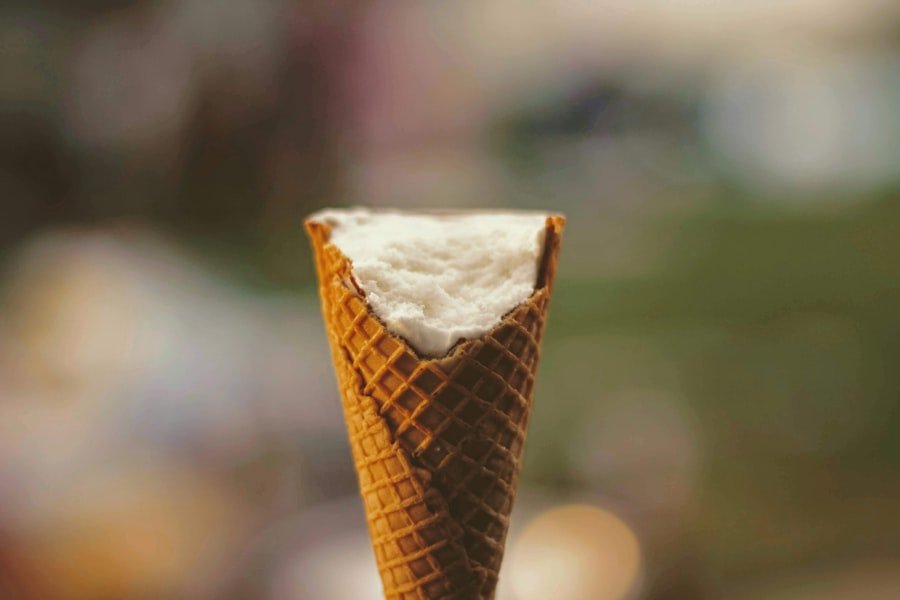
Dondurma is celebrated not only for its texture but also for the range of flavors available. Plain milk, chocolate, pistachio, hazelnut, fruit, and mastic are common choices, although the exact menu changes from one shop to another.
For a first taste, try one simple flavor such as plain milk or pistachio before moving to heavily flavored combinations. It makes the texture and salep character easier to notice.
Mastic is an aromatic resin traditionally associated with the eastern Mediterranean and is used in some Turkish ice-cream recipes to add fragrance and gumminess. It should not be assumed to be present in every dondurma recipe, however.
Fruit flavors are especially worth trying when they match the season. Sour cherry, strawberry, mulberry, melon, lemon, and similar options may taste more vivid when shops are working with good-quality fruit. Some shops also offer rose, coffee, caramel, tahini, or nut-based varieties.
The existing Turkish culture reference on dondurma provides additional background on the dessert.
The Unique Texture of Dondurma
| Texture | Description |
|---|---|
| Elasticity | Salep contains compounds that thicken the milk mixture and contribute to the stretch associated with Maraş-style dondurma. |
| Chewiness | Traditional Maraş-style ice cream is denser and more resistant when bitten than ordinary soft ice cream. |
| Slower melting | Salep helps stabilize the mixture and contributes to greater resistance to rapid melting. |
What sets classic Maraş-style dondurma apart is the combination of density, elasticity, and chew. Türkiye’s official Culture Portal explains that salep contains glucomannan, which swells in milk and contributes to viscosity, structure, elasticity, and resistance to melting. The registered product description also emphasizes the dense, slightly chewy character of Maraş dondurması. See the Türkiye Culture Portal description of Maraş Dondurması.
This texture also explains why traditional-style vendors can lift, stretch, turn, or briefly hold the ice cream on a long metal serving tool. The famous serving performance works because the product is firmer and more cohesive than ordinary soft ice cream.
Dondurma-Making Process
Traditional Maraş dondurması starts with a relatively short ingredient list but requires careful technique. Official descriptions from Kahramanmaraş identify milk, salep, and sugar as the central ingredients. Goat milk is particularly associated with the traditional regional version.
In one official preparation description, the milk is heated to about 90°C, salep and then sugar are incorporated, and the mixture is worked until it develops the required body. It is then rested and cooled before final freezing and serving. The exact production method varies between traditional artisans and commercial manufacturers, so it is better to think of this as the traditional Maraş framework rather than one universal recipe used by every Istanbul dondurmacı.
Flavorings such as pistachio, fruit, cocoa, or mastic may be incorporated depending on the shop. The finished ice cream should feel dense rather than excessively aerated.
Note: “Turkish dondurma” is not one standardized recipe. The protected Maraş style has more specific characteristics, while neighborhood shops may use their own formulas for fruit, milk, chocolate, or sorbet-style flavors.
The Role of Dondurma in Turkish Culture
Dondurma is both an everyday dessert and a recognizable part of Turkish street-food culture. Families buy it during evening walks, neighborhood shops build loyal local followings, and tourist areas turn the act of serving it into entertainment.
Maraş dondurması has an especially strong regional identity. Türkiye’s official culture resources describe it as a symbol of Kahramanmaraş, and its geographical-indication registration recognizes the connection between the product, its reputation, and its traditional method.
The dessert also shows how regional foods can travel. A style associated with Kahramanmaraş is now widely sold in Istanbul, elsewhere in Türkiye, and internationally, while Istanbul’s own neighborhood dondurmacı shops have developed reputations based on their individual recipes and flavors.
Dondurma as a Popular Tourist Attraction
For many visitors, the first encounter with Turkish dondurma happens in tourist areas such as Sultanahmet, around İstiklal Avenue, or in busy shopping districts. Vendors may use a long-handled metal scoop to spin the cone, pull it away just as you reach for it, stack cones, or briefly turn the serving process into a small performance.
The official Visit Istanbul tourism site describes this playful style of serving as part of the city’s dondurma experience. The performance can be fun, particularly for first-time visitors, but it should not be confused with a guarantee of ice-cream quality. A quiet neighborhood shop without tricks may serve equally good or better ice cream.
If your main goal is a photograph or video, a busy tourist vendor may be ideal. If your priority is tasting different recipes, consider adding Moda, Kadıköy, or Bostancı to your food itinerary.
Dondurma Etiquette: How to Eat It Like a Local
There is no complicated etiquette for eating dondurma. If you buy from a theatrical street vendor, the cone trick is usually part of the experience. You can play along, smile, and wait for the actual handoff. If you would rather skip the performance, make that clear politely.
A cone is a classic choice for walking around Istanbul, while a cup is easier if the weather is hot or you want several flavors without worrying about drips. Because dense dondurma can be more filling than soft ice cream, two carefully chosen flavors may be more satisfying than ordering many at once.
Ask what is seasonal or what the shop is known for. A neighborhood dondurmacı may be stronger at fruit flavors, while a Maraş specialist may be the better choice when you specifically want the chewy traditional texture.
Pro Tip: When comparing shops, order the same simple flavor—such as plain milk, pistachio, or chocolate—at two places. It is easier to compare texture, sweetness, and ingredient quality when the flavor itself is not changing.
Dondurma Festivals and Events in Istanbul
Dondurma appears at food events, neighborhood celebrations, tourism activities, and seasonal promotions in Istanbul, but travelers should not plan a trip around claims of a fixed annual “Istanbul Ice Cream Festival” or neighborhood “Dondurma Carnival” without checking current official event information. Those specific recurring events are not reliably established enough to present as guaranteed annual fixtures.
Instead, treat dondurma as a year-round food experience. Warm weather brings heavier foot traffic and more seasonal fruit flavors, while many established shops continue serving ice cream beyond summer.
If attending a food festival is important to your trip, check Istanbul’s official tourism and municipal event calendars shortly before your visit because event names, venues, dates, and organizers can change from year to year.
Dondurma in Modern Cuisine: Innovative Uses in Desserts and Drinks
Contemporary cafés and restaurants sometimes use dondurma beyond the classic cone or cup. A dense scoop can be paired with Turkish coffee, cakes, pastries, baklava, fruit, or nuts. The contrast between warm pastry and cold ice cream is especially popular in Turkish dessert service.
Modern chefs may also use ice cream in affogato-style coffee desserts, milkshakes, plated desserts, or floats. These dishes are contemporary interpretations rather than a definition of traditional dondurma itself.
The important distinction is the base product. A dessert made with true Maraş-style dondurma will behave differently from one made with ordinary soft ice cream or gelato because its texture is denser and more elastic.
How to Recognize Good Dondurma
Long lines can indicate popularity, but they are not the only sign of quality. Use several clues together:
- Texture: Maraş-style ice cream should feel dense and cohesive rather than foamy.
- Flavor: Pistachio should taste nutty, fruit flavors should resemble the fruit, and chocolate should not taste mainly of sugar.
- Ingredient information: A good shop should be able to tell you what is in the ice cream, especially when you ask about dairy, nuts, salep, or allergens.
- Turnover: Busy neighborhood shops often move through stock quickly.
- Seasonality: A changing fruit selection can be a positive sign when the shop works with seasonal ingredients.
- Clean handling: Scoops, counters, cones, and serving areas should look well maintained.
Do not assume that extreme stretch automatically means better dondurma. Texture is important, but balance matters: the dessert should still taste like milk, fruit, nuts, chocolate, or whichever flavor you ordered.
Salep, Wild Orchids, and Responsible Sourcing
Salep deserves special attention because traditionally it is produced from orchid tubers. Its thickening properties help create the body associated with Maraş dondurması.
Warning: Do not collect wild salep orchids yourself. Türkiye’s Ministry of Agriculture and Forestry states that wild collection is restricted because uncontrolled harvesting damages natural populations. Authorized cultivation and production are subject to official controls.
The ministry reiterated this point in a June 19, 2026 salep-harvest notice and explained that controlled cultivation is used to protect natural populations. See the Ministry of Agriculture and Forestry salep guidance.
As a customer, you do not need to investigate the supply chain of every scoop, but established producers with traceable commercial sourcing are preferable to products marketed around illegally collected wild orchids.
Tips for Choosing the Best Dondurma Shop in Istanbul
Start by deciding what type of experience you want. If you want the famous stretchy texture, choose a shop known for Maraş-style ice cream. If your priority is fresh fruit flavors, a neighborhood dondurmacı may be more rewarding. If you mainly want a street-performance video, tourist areas make that easy.
Next, look at the menu rather than simply counting the number of flavors. A smaller selection made well can be better than a huge display of brightly colored options. Natural-looking color, clear ingredient information, and balanced sweetness are usually more useful signals than novelty alone.
Customer traffic can help, but interpret it carefully. A famous tourist shop may be crowded because of its location or performance, while a residential shop may have fewer visitors during the daytime and become busy after dinner.
For a practical first tasting, consider this order:
- Try plain milk or another simple flavor to judge texture.
- Add pistachio or another nut flavor for richness.
- Choose one seasonal fruit flavor if available.
- If you enjoy aromatic flavors, ask whether the shop has mastic, rose, or another regional specialty.
Prices, portion sizes, flavors, branches, and opening hours can change, so check current information shortly before visiting rather than relying on an old restaurant list.
If you’re interested in how fruit flavors are used in desserts beyond Türkiye, the existing article on Asian melon explores another fruit-focused food topic.
Frequently Asked Questions
What is dondurma?
Dondurma is the Turkish word for ice cream. The best-known traditional style is Maraş dondurması, a dense and elastic ice cream associated with Kahramanmaraş and traditionally made with ingredients including milk, sugar, and salep.
What makes dondurma different from regular ice cream?
Maraş-style dondurma is usually denser, chewier, and more elastic than ordinary ice cream. Salep helps thicken and stabilize the mixture, contributing to its distinctive texture and slower melting.
Where can I find good dondurma in Istanbul?
For Maraş-style ice cream, MADO is one accessible option. On the Asian side, Meşhur Dondurmacı Ali Usta in Moda and Yaşar Usta in Bostancı are long-established neighborhood names. Check current locations and hours before traveling.
What are some popular dondurma flavors?
Common choices include plain milk, chocolate, pistachio, hazelnut, mastic, strawberry, sour cherry, lemon, mulberry, melon, and other seasonal fruit flavors. Selection varies by shop and season.
Is all Turkish dondurma made with salep?
No. Salep is strongly associated with traditional Maraş-style dondurma, but recipes sold under the broader term dondurma vary widely. Ask the shop if you specifically want salep-based ice cream.
Is dondurma suitable for people with dietary restrictions?
Traditional Maraş dondurması contains milk, so it is not suitable for people who must avoid dairy. Nut flavors may also create allergy concerns. Some ice-cream shops may sell sorbets or plant-based frozen desserts, but these should not automatically be assumed to be traditional dondurma. Ask staff about ingredients and cross-contact before ordering.
Do all Istanbul dondurma vendors perform the cone trick?
No. The cone trick is especially common at tourist-oriented street stands, but many respected neighborhood ice-cream shops simply serve the dessert without a performance.
Sources
- Türkiye Culture Portal — Maraş Dondurması — traditional ingredients, salep, texture, history, and regional characteristics.
- Turkish Patent and Trademark Office — Maraş Dondurması — geographical-indication registration details.
- Visit Istanbul — Dondurma — Istanbul tourism context and traditional serving experience.
- Türkiye Ministry of Agriculture and Forestry — Salep Harvest Guidance — cultivation controls and protection of wild salep orchids.
- MADO — From the Past to the Present — company-specific history and its Kahramanmaraş ice-cream tradition.