Quick Answer
In Istanbul, start with plainly grilled meat or fish, rice-based dishes, vegetables, yogurt-based meze, and dedicated gluten-free venues. If you have celiac disease, ask about flour, bread crumbs, bulgur, marinades, shared fryers, grills, utensils, and preparation surfaces. “Naturally gluten-free” does not guarantee freedom from cross-contact.
Key Takeaways
- Gluten occurs naturally in wheat, barley, and rye, and people with celiac disease need a strict gluten-free diet.
- Kebabs, grilled fish, rice, vegetables, yogurt dishes, and some meze can be gluten-free, but recipes and preparation methods vary.
- Bulgur, regular bread, simit, pide, börek, lahmacun, mantı, and standard baklava contain wheat unless a specific gluten-free version is used.
- For celiac disease, ask how food is prepared, not only what ingredients it contains.
Istanbul Gluten-Free Guide for Dining Out Safely
Dining out in Istanbul is possible on a gluten-free diet, but the level of care you need depends on why you avoid gluten. For celiac disease, even a dish made without wheat can become unsafe through cross-contact, meaning gluten is transferred from another food, utensil, surface, fryer, or grill.
The National Institute of Diabetes and Digestive and Kidney Diseases advises people with celiac disease to ask restaurants about ingredients, preparation methods, and gluten-free menus. The Celiac Disease Foundation’s dining guidance also recommends asking about separate preparation space, clean cookware, cleaned grills, and dedicated fryers.
When ordering, explain that you cannot eat gluten and ask specific questions. A server may know that bread contains wheat but may not immediately think about breadcrumbs in köfte, flour in soup, bulgur in a filling, or a shared fryer.
- Ask whether the dish contains un (flour), buğday (wheat), arpa (barley), çavdar (rye), bread, breadcrumbs, or bulgur.
- Ask whether sauces, marinades, stock, or seasoning mixes contain gluten.
- For fried food, ask whether the fryer is shared with breaded or flour-coated foods.
- For grilled food, ask whether bread is heated on the same grill or preparation surface.
- Ask staff not to place bread on your plate.
Note: If you think you may have celiac disease but have not been tested, talk with a doctor before starting a strict gluten-free diet. Removing gluten before testing can affect diagnostic results.
Traditional Turkish Dishes That May Be Gluten-Free
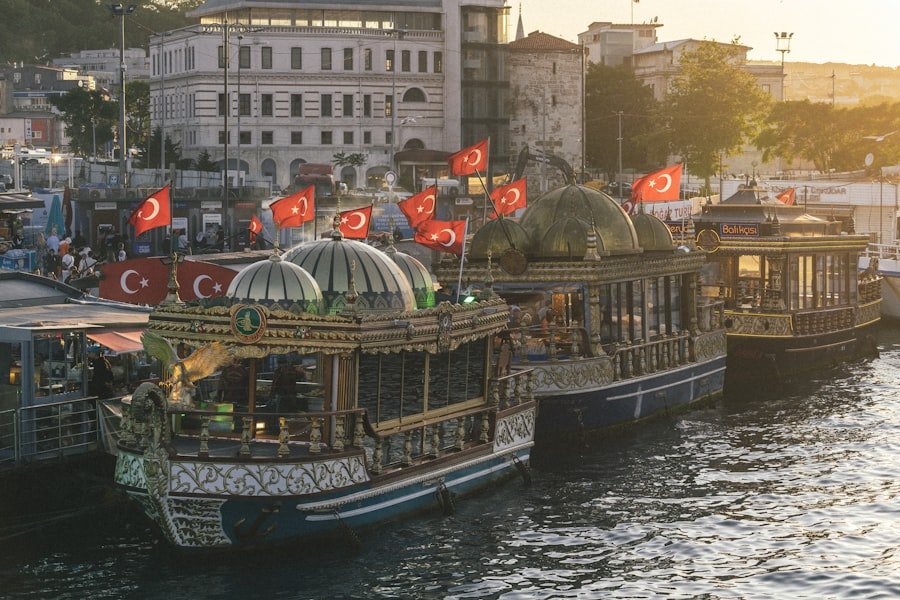
Turkish cuisine includes many foods that do not require wheat, barley, or rye. However, restaurant recipes vary, so treat the following as starting points to ask about, not automatic celiac-safe choices.
Kebabs and Grilled Meat
Şiş kebap and other plainly grilled meats can be gluten-free when the meat, marinade, seasoning, and cooking surface are free from gluten. Adana-style minced kebab and köfte need extra checking because some recipes may include bread or breadcrumbs.
Rice, Vegetables, and Meze
Plain rice, grilled or stewed vegetables, yogurt, hummus, haydari, cacık, and some stuffed vegetables may be suitable. Ask about thickeners, stock, seasoning mixes, and garnishes. For dolma or sarma, confirm that the filling uses rice rather than bulgur, because bulgur is made from wheat.
Dishes That Usually Contain Wheat
Regular simit, pide, börek, gözleme, lahmacun, mantı, and baklava are wheat-based. Traditional mantı uses wheat dough; only choose it when a restaurant specifically provides a gluten-free version and can explain how it is prepared.
Soups also deserve caution. Lentil soup may be thickened with flour, while meatballs can contain bread. French fries are made from potatoes, but a shared fryer can expose them to gluten from breaded foods.
Navigating Istanbul’s Markets for Gluten-Free Ingredients
| Market Name | Gluten-Free Ingredients Available | Location |
|---|---|---|
| Spice Bazaar | Spices, nuts, dried fruits | Eminönü, Fatih |
| Grand Bazaar | Spices, nuts, dried fruits, honey | Beyazıt, Fatih |
| Kadıköy Market | Fresh produce, nuts, dried fruits | Kadıköy, Anatolian Side |
Istanbul’s markets are useful for naturally gluten-free foods such as fresh fruit, vegetables, nuts, dried fruit, meat, dairy, rice, lentils, and chickpeas. Bulk ingredients need more care because scoops, bins, counters, and nearby flour can create cross-contact.
For packaged food, look for the Turkish word glütensiz. Turkey’s food-labeling guidance allows “glütensiz” claims when the final food contains no more than 20 mg/kg of gluten; the same guidance also regulates “very low gluten” claims separately. The Turkish Ministry of Agriculture and Forestry also states that consumers can request ingredient and allergen information at food-service establishments.
Gluten-Free Bakeries and Cafes in Istanbul
Dedicated gluten-free bakeries and cafes can reduce uncertainty because they may avoid ordinary wheat flour in the kitchen. Mixed bakeries require more questions, especially if flour is used in the same preparation area.
The original guide references “Gluten Free Istanbul” as a specialist bakery. Because venue names, locations, and operating status can change, confirm the business is currently operating and ask whether all production is gluten-free before making a special trip.
The original also named Mendel’s as a gluten-free option. Its current official website lists conventional items such as croissants and does not present the business as a dedicated gluten-free cafe, so do not assume its menu is suitable for celiac disease without direct confirmation.
For a broader, locally maintained list, the Çölyak Hastaları Derneği gluten-free venue directory lists Istanbul cafes, markets, restaurants, and bakeries with gluten-free offerings. The association advises contacting venues before visiting and telling staff that you have celiac disease.
Communicating Your Dietary Needs in Turkish
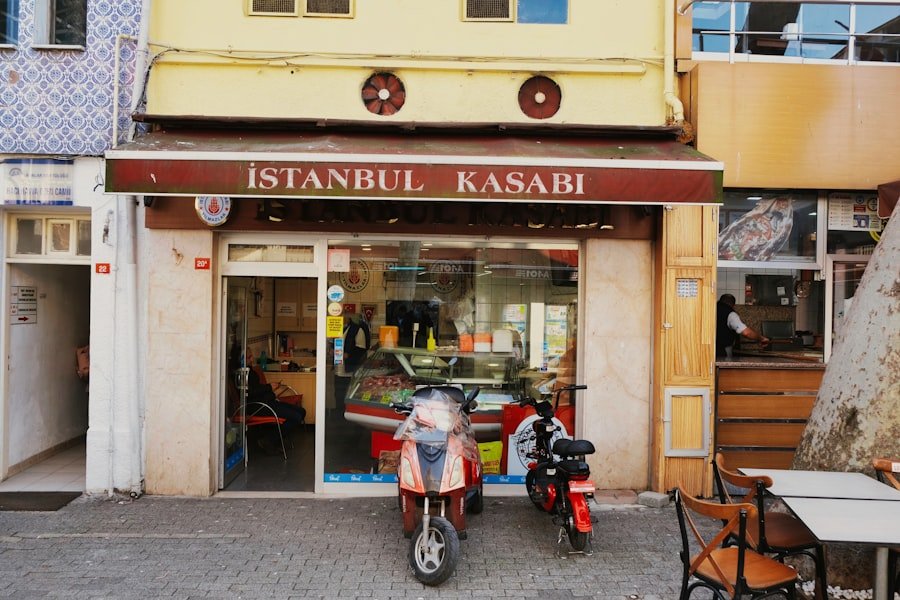
Clear wording helps staff understand that you are avoiding more than visible bread. If you have celiac disease, say so directly and then ask about ingredients and preparation.
- Ben glüten yemiyorum. — I do not eat gluten.
- Çölyak hastasıyım. — I have celiac disease.
- Bu yemek glütensiz mi? — Is this dish gluten-free?
- Bu yemek un içeriyor mu? — Does this dish contain flour?
- İçinde buğday, arpa veya çavdar var mı? — Does it contain wheat, barley, or rye?
- Ayrı hazırlanabilir mi? — Can it be prepared separately?
Useful ingredient words include buğday for wheat, arpa for barley, çavdar for rye, un for flour, ekmek for bread, and bulgur for bulgur wheat. A translation card can help if you need to explain cross-contact in more detail.
Exploring Istanbul’s Gluten-Free-Friendly Neighborhoods
Kadıköy and Beşiktaş are practical areas to search because both have dense restaurant scenes and businesses that offer gluten-free products. The important distinction is whether a venue is fully gluten-free or simply offers a few gluten-free items in a mixed kitchen.
In Kadıköy, ask bakeries and cafes whether gluten-free items are prepared on separate surfaces and with separate utensils. In Beşiktaş, the same rule applies: a gluten-free bread or dessert on the menu does not by itself show that the kitchen controls cross-contact.
If you are staying in Sultanahmet, Eminönü, or another tourist-heavy area, you do not need to travel across the city for every meal. Plain grilled dishes and rice-based meals may be workable when staff can answer your questions clearly and prepare the food without gluten contact.
Resources for Gluten-Free Travelers in Istanbul
Good preparation makes gluten-free travel easier. Before a restaurant visit, review its current menu, call during a quieter time if needed, and save a Turkish explanation of your dietary requirements on your phone.
Apps such as Find Me Gluten Free can help you discover possible restaurants, but user reviews should be treated as leads rather than guarantees. Menus, staff practices, and kitchen procedures can change, so confirm your needs directly with the venue.
For packaged foods, read labels every time, even if you have bought the product before. For restaurant meals, focus on the questions that change your actual risk: ingredients, shared fryers, grills, utensils, surfaces, sauces, and bread contact.
With those checks in place, Istanbul’s mix of grilled foods, rice dishes, vegetables, dairy, legumes, and specialist gluten-free businesses gives you many ways to eat well without treating every traditional dish as automatically safe.
Frequently Asked Questions
What is gluten?
Gluten is a group of proteins found naturally in wheat, barley, and rye. Foods made with these grains, including ordinary bread, pasta, pastries, bulgur, and many baked goods, contain gluten unless they are specially made with gluten-free ingredients.
What is a gluten-free diet?
A gluten-free diet excludes wheat, barley, rye, and foods made from them. It is the standard treatment for celiac disease and may also be used for other medically diagnosed gluten-related conditions. A balanced diet can still include meat, fish, dairy, fruit, vegetables, rice, potatoes, and naturally gluten-free grains.
What is celiac disease?
Celiac disease is an autoimmune disorder in which eating gluten triggers an immune reaction that damages the small intestine. People with celiac disease need a strict gluten-free diet to prevent ongoing intestinal damage and related complications.
What are common symptoms of celiac disease?
Celiac disease can cause digestive and non-digestive symptoms, and some people have few obvious symptoms. Possible signs include diarrhea, bloating, abdominal discomfort, fatigue, weight changes, nutrient deficiencies, and skin problems. A clinician should evaluate suspected celiac disease because symptoms overlap with many other conditions.
What is the Istanbul Gluten-Free Guide?
This Istanbul Gluten-Free Guide explains how to choose potentially suitable Turkish dishes, reduce cross-contact risk, shop for ingredients, communicate in Turkish, and find gluten-free-friendly businesses. It is designed for travelers and residents who need practical help eating without gluten in Istanbul.
Why is a gluten-free guide useful in Istanbul?
A guide is useful because Turkish cuisine includes both naturally gluten-free foods and many wheat-based staples. Bread, bulgur, pastries, soups, meatballs, sauces, and shared cooking equipment can create hidden gluten exposure, so knowing what to ask helps you make safer choices.
What foods are naturally gluten-free?
Naturally gluten-free foods include plain meat, fish, eggs, dairy, fruit, vegetables, rice, potatoes, corn, quinoa, buckwheat, beans, lentils, nuts, and seeds. In restaurants, sauces, marinades, seasonings, shared equipment, or added flour can still introduce gluten.
Are gluten-free options available in Istanbul?
Yes, Istanbul has restaurants, cafes, bakeries, and markets with gluten-free foods, including some dedicated gluten-free businesses. Availability and kitchen practices can change, so people with celiac disease should confirm ingredients and cross-contact procedures directly before ordering.
If you are looking for more delicious and healthy recipes to try, check out this article on homemade cottage cheese. This simple and nutritious dish can be a great addition to your gluten-free diet.
Sources
- NIDDK: Eating, Diet, & Nutrition for Celiac Disease: Gluten-containing grains, naturally gluten-free foods, cross-contact, restaurant precautions, and testing guidance.
- Celiac Disease Foundation: Dining and Social Eating: Restaurant questions and cross-contact precautions.
- Turkish Ministry of Agriculture and Forestry: Gluten-free labeling threshold and consumer allergen-information rules.
- Çölyak Hastaları Derneği: Glutensiz Mekanlar: Istanbul businesses offering gluten-free products and the association’s advice to confirm details before visiting.
- Mendel’s official website: Current menu positioning and conventional pastry offerings.
”’
import re, json, textwrap, html as htmlmod
print(“Words”, len(re.findall(r”\b[\w’’-]+\b”, re.sub(r”<[^>]+>