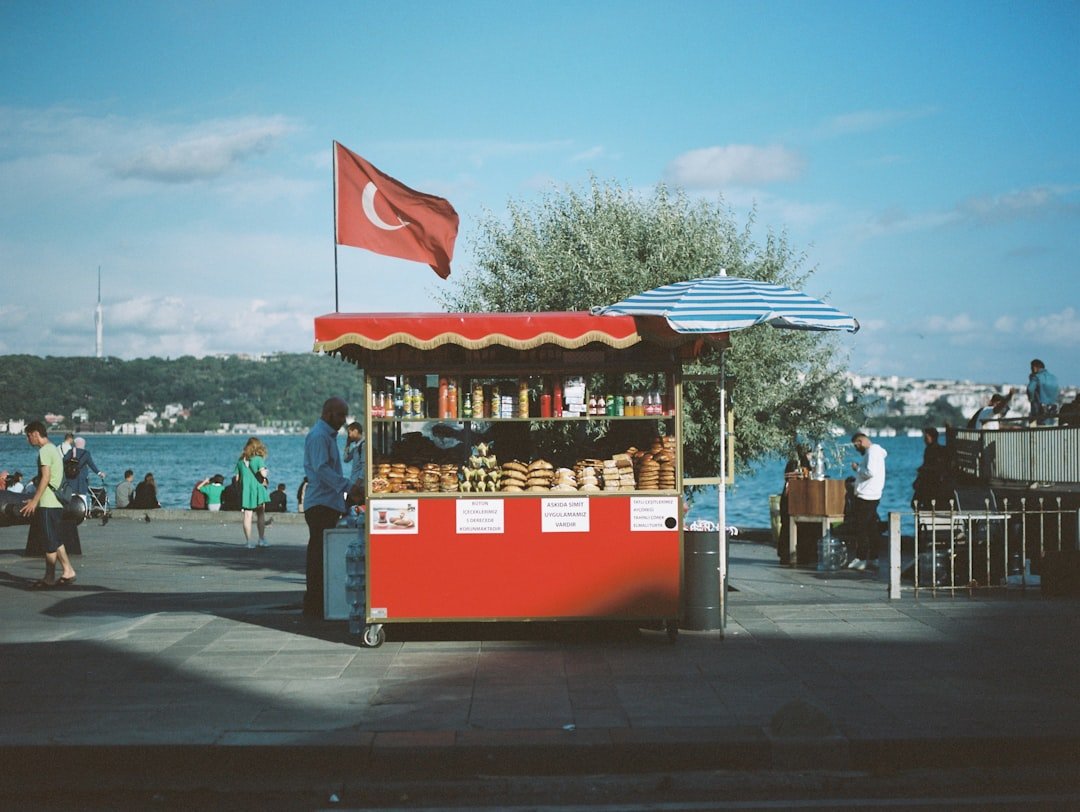
For the best Turkish coffee in Istanbul, start with places that are known for the drink itself rather than choosing a café only for its view. Mandabatmaz in Beyoğlu and Fazıl Bey in Kadıköy are strong traditional choices, while Şark Kahvesi adds the atmosphere of the Grand Bazaar. Beyond the cafés, understanding the cezve brewing method and how to order sweetness will make your first cup much easier to enjoy.
Quick Answer
For a classic Turkish coffee in Istanbul, try Mandabatmaz in Beyoğlu, Fazıl Bey in Kadıköy, or Şark Kahvesi inside the Grand Bazaar. Choose Pierre Loti when the Golden Horn view matters as much as the drink, and visit Kurukahveci Mehmet Efendi in Eminönü when you want freshly ground coffee to take home.
Last checked: October 1, 2026. Dates and figures were verified against official sources.
Key Takeaways
- Turkish coffee describes a preparation method: finely ground coffee is brewed unfiltered in a cezve, usually with the sugar added before brewing.
- Order it sade for no sugar, az şekerli for lightly sweetened, orta for medium sweetness, or şekerli for a sweeter cup.
- UNESCO added Turkish coffee culture and tradition to its Representative List of the Intangible Cultural Heritage of Humanity in 2013.
- Let the grounds settle before drinking and stop before you reach the sediment at the bottom of the cup.
The Art of Making Turkish Coffee
Turkish coffee is made by combining very finely ground coffee, water, and any desired sugar in a small long-handled pot called a cezve. The coffee is heated slowly so foam develops before it is poured, grounds and all, into a small cup.
The method matters more than a particular bean variety. According to the GoTürkiye Turkish coffee guide, the coffee should be ground to a powder-like texture and cooked over low heat. Sugar is normally decided before brewing because it is added directly to the cezve.
A practical starting point comes from the Kurukahveci Mehmet Efendi cezve guide: use one coffee cup of water and about one teaspoon, or 6 grams, of finely ground coffee for each serving.
- Measure one small coffee cup of water per person and pour it into the cezve.
- Add the finely ground coffee and your chosen amount of sugar.
- Mix before heating so the coffee, water, and sugar are evenly combined.
- Heat the cezve slowly and watch the surface as foam develops.
- Remove it before it aggressively boils over, preserving as much foam as possible.
- Pour gently into the cup and wait briefly for the grounds to settle.
The drink is intentionally unfiltered. That gives Turkish coffee its dense body, but the sediment at the bottom is normally left in the cup rather than swallowed.
The Best Turkish Coffee in Istanbul
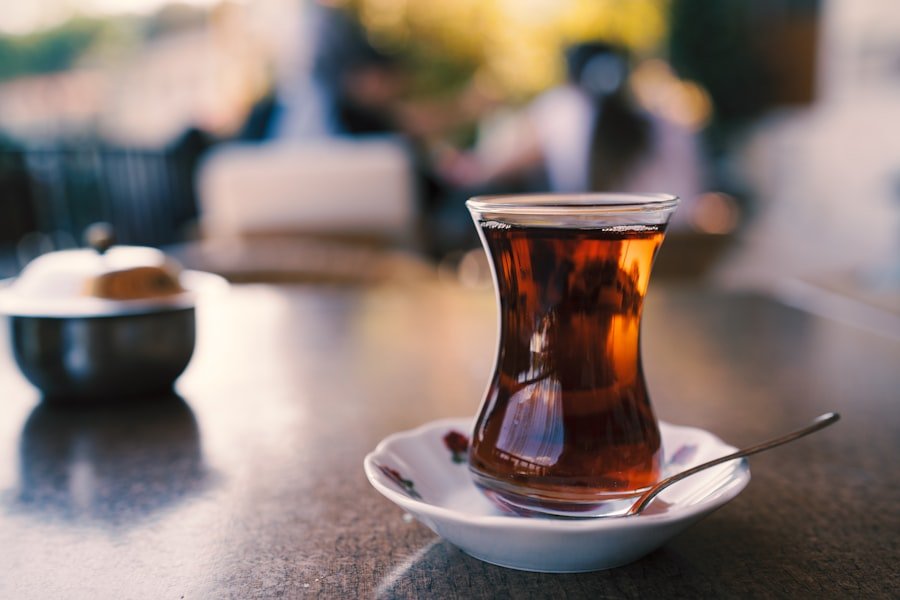
Istanbul has traditional counters, historic-market cafés, neighborhood coffee houses, and modern specialty shops. For most visitors, the most useful shortlist is Mandabatmaz for a coffee-first experience, Fazıl Bey for Kadıköy, Şark Kahvesi for Grand Bazaar atmosphere, and Pierre Loti when you also want a panoramic Golden Horn view.
| Place | Area | Best For |
|---|---|---|
| Mandabatmaz | Beyoğlu | Classic, foam-rich Turkish coffee |
| Fazıl Bey’in Türk Kahvesi | Kadıköy | A traditional Asian-side coffee stop |
| Şark Kahvesi | Grand Bazaar | Historic-market atmosphere and traditional coffee |
| Pierre Loti Café | Eyüpsultan | Coffee with a Golden Horn view |
Mandabatmaz
Mandabatmaz is one of the clearest coffee-first choices near İstiklal Avenue. The Beyoğlu district government says Cemil Filik founded it in 1967 and notes that the shop became known for dense foam and its careful control of coffee freshness, water temperature, and heat.
The unusual name is associated with the idea that the foam is so thick that even a buffalo would not sink into it. If your priority is the cup rather than a long café meal, Mandabatmaz fits the search for traditional Turkish coffee especially well.
Fazıl Bey’in Türk Kahvesi
Fazıl Bey is a natural stop when exploring Kadıköy’s market area. Its own history describes a long-running coffee-roasting tradition connected with the historic Kadıköy market and old-style roasting equipment.
One common online claim needs clarification: the business was not established in 1923. The official Fazıl Bey history says architect Fazıl Tuncalı was born in Kadıköy in 1923; that date refers to him, not the opening of the café.
Şark Kahvesi
Şark Kahvesi is a practical choice when you want Turkish coffee without leaving the Grand Bazaar. Its official history says it has operated there since 1958, making the setting part of the experience rather than just a place to grab caffeine.
The official Şark Kahvesi site describes traditional Turkish coffee prepared in the Grand Bazaar and lists its location on Yağlıkçılar Caddesi. It works especially well as a planned rest during a long market visit.
Pierre Loti Café
Pierre Loti is better chosen for its setting than as a pure coffee pilgrimage. The hill overlooks the Golden Horn, giving you a very different experience from a narrow Beyoğlu coffee counter or the busy Grand Bazaar.
Istanbul Metropolitan Municipality’s Pierre Loti overview identifies the café as the best-known establishment on the hill and explains its association with French writer Pierre Loti. The viewpoint can be reached from the Eyüp Sultan area by walking uphill or using the cable car.
Traditional Turkish Coffee Houses
Traditional Turkish coffee houses are social spaces as much as places to drink coffee. People historically gathered in them to talk, read, play games, exchange news, and spend time together, which helps explain why coffee became so closely tied to hospitality and conversation.
| Metrics | Data |
|---|---|
| Number of Coffee Houses | Over 10,000 in Turkey |
| Traditional Coffee Serving | Using cezve (pot) and fincan (cup) |
| Popular Coffee Types | Turkish coffee, Mırra, Menengiç coffee |
| Atmosphere | Relaxing, social, often with live music |
| Historical Importance | Part of Turkish culture for centuries |
The better historical term for a traditional coffee house is kahvehane. A kıraathane is closely related but literally developed around the idea of a reading house, so the terms should not always be treated as exact synonyms.
The history of coffee in Istanbul is generally associated with the 16th century rather than the 15th. Kurukahveci Mehmet Efendi’s history of Turkish coffee dates coffee’s introduction to Istanbul to 1543 and the first coffeehouse in Tahtakale to 1554.
The Different Varieties of Turkish Coffee
The most useful “varieties” for a first-time visitor are actually sweetness levels. You normally choose the sugar before the coffee is brewed, so tell the server how you want it when ordering rather than trying to sweeten the finished cup.
| Order | Meaning |
|---|---|
| Sade | No sugar |
| Az şekerli | Lightly sweetened |
| Orta | Medium sweetness |
| Şekerli | Sweet |
Mırra is a different regional coffee tradition associated especially with southeastern Türkiye. It is prepared to be notably strong and bitter and is served in small cups.
Menengiç coffee is another regional alternative, but it is not made from ordinary coffee beans. It comes from the fruit of Pistacia terebinthus. Salep should also be kept separate from Turkish coffee: it is a hot drink made with orchid-derived salep powder, traditionally milk, and sugar rather than a coffee variation.
The Importance of Coffee in Turkish Culture
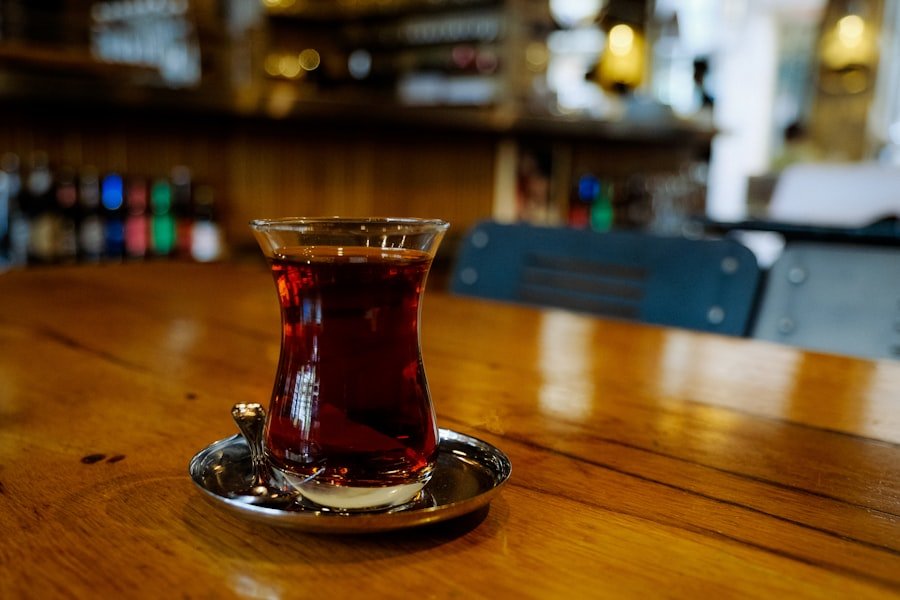
Turkish coffee matters because the ritual extends beyond the drink itself. Offering coffee to guests, sharing it during conversation, and serving it on family and ceremonial occasions have made it a symbol of hospitality and friendship.
UNESCO inscribed Turkish coffee culture and tradition in 2013 on the Representative List of the Intangible Cultural Heritage of Humanity. UNESCO highlights the preparation method as well as coffee’s role in social gatherings, engagement ceremonies, holidays, hospitality, and friendship.
The familiar Turkish saying about one cup of coffee being remembered for forty years reflects this social meaning. Coffee-ground fortune telling is another well-known custom: after drinking, the cup may be turned over so patterns in the remaining grounds can be interpreted once they cool.
Where to Buy the Best Turkish Coffee in Istanbul
If you want Turkish coffee to take home, Kurukahveci Mehmet Efendi in Eminönü is one of the clearest traditional choices. The company dates its ground-coffee business to 1871 and continues to sell finely ground Turkish coffee in Istanbul.
The Eminönü shop is near the Spice Bazaar area and is primarily useful for buying coffee rather than planning a long café visit. Freshly packaged ground coffee is convenient if you already have a cezve or plan to buy one before leaving Istanbul.
Café Privato is another option mentioned for artisanal coffees sourced from various regions around Turkey. Its staff can guide customers through its selection, and the café also hosts tasting events where patrons can sample different varieties before making a purchase.
Tips for Brewing the Perfect Cup of Turkish Coffee
A successful cup depends on fine grinding, measured ingredients, gentle heat, and timing. The two most common mistakes are using coffee that is too coarsely ground and letting the cezve boil so aggressively that the foam disappears.
- Use a powder-fine grind. Turkish coffee requires a much finer texture than ordinary filter coffee.
- Measure with the serving cup. This keeps the water quantity matched to the cup you will use.
- Add sugar before brewing. Stir it into the water and coffee rather than sweetening the finished cup.
- Use gentle heat. Slow heating gives the foam time to form and reduces the chance of the cezve overflowing.
- Watch the foam. Remove the pot as it rises rather than leaving it to boil hard.
- Let the grounds settle. Wait briefly after pouring, then sip without stirring the cup.
Pro Tip: Pour slowly and avoid shaking or stirring the finished coffee. That helps the grounds settle at the bottom instead of remaining suspended throughout the drink.
The Ritual of Drinking Turkish Coffee
Turkish coffee is meant to be sipped slowly, not treated like a quick espresso shot. It normally arrives in a small cup with water, and Turkish delight or another sweet may be served alongside it.
The water is traditionally used to refresh the palate before the coffee. Once you start drinking, take small sips and stop when you reach the thick sediment near the bottom.
The ritual can continue after the drink is finished. Friends may turn the cup upside down onto its saucer, wait for the grounds to cool and drain, and then interpret the patterns as a form of fortune telling. It is a social custom rather than part of brewing the coffee itself.
Exploring the Coffee Culture in Istanbul
Istanbul’s coffee culture ranges from tiny traditional counters to scenic tea gardens and modern specialty cafés. That variety means the “best” stop depends on whether you care most about the coffee, historic atmosphere, neighborhood experience, or view.
A classic Beyoğlu stop such as Mandabatmaz feels very different from Şark Kahvesi in the Grand Bazaar or Pierre Loti above the Golden Horn. Kadıköy gives you another side of the city, where coffee can fit naturally into a market walk and ferry trip.
The original article also linked to a National Geographic feature on Istanbul’s coffee scene. That URL should be checked before publication because it currently does not resolve normally.
Modern cafés may also serve espresso, filter coffee, alternative milk drinks, and flavored beverages alongside Turkish coffee. If your goal is specifically traditional Turkish coffee, look for a finely ground, unfiltered cup brewed in a cezve rather than judging a café by the size of its general coffee menu.
The Best Accompaniments for Turkish Coffee
Turkish delight, or lokum, is the classic sweet pairing because its sweetness contrasts with the concentrated, slightly bitter coffee. Pistachio, rose, citrus, and other lokum flavors can all work, so the best choice comes down to how sweet you like the combination.
Börek offers a savory alternative. Its flaky pastry and fillings such as cheese or minced meat provide a more substantial contrast when you want something beyond a small sweet.
Nuts such as pistachios or hazelnuts also work well because they add crunch without covering the coffee’s aroma. Whatever you choose, keep the portion modest so the food complements the cup rather than becoming the main flavor.
Turkish coffee has lasted because it is both a brewing method and a social ritual. In Istanbul, choosing a coffee-focused counter, learning the sweetness terms, and giving the grounds time to settle will usually improve the experience more than searching for an elaborate presentation.
Frequently Asked Questions
What is Turkish coffee?
Turkish coffee is an unfiltered brewing method that uses coffee ground to a very fine powder and a small pot called a cezve. The coffee is brewed with water and optional sugar, poured with its grounds, and left briefly so the sediment settles at the bottom of the cup.
Where can I find the best Turkish coffee in Istanbul?
Mandabatmaz in Beyoğlu, Fazıl Bey in Kadıköy, and Şark Kahvesi in the Grand Bazaar are useful starting points. Mandabatmaz puts the focus on the cup, Fazıl Bey fits an Asian-side visit, and Şark Kahvesi combines traditional coffee with the atmosphere of Istanbul’s historic covered market.
What makes Turkish coffee in Istanbul special?
Istanbul connects the drink with centuries of coffeehouse culture, hospitality, and social ritual. The city’s traditional shops also let you experience different settings, from narrow Beyoğlu counters and Kadıköy market streets to the Grand Bazaar and the Golden Horn, while still ordering the same basic cezve-brewed drink.
What should I look for in a good Turkish coffee?
Look for a fine grind, a freshly brewed cup, a layer of foam, and balanced flavor without a harsh burnt taste. The drink should be served unfiltered, so grounds will settle at the bottom. Give them time to sink and avoid stirring once the coffee reaches your table.
Is Turkish coffee strong?
Turkish coffee has a concentrated flavor and can taste very strong, but flavor intensity does not automatically mean it has more caffeine than every other brewing method. The exact caffeine level varies with the coffee, dose, water, and serving size, and Turkish coffee is normally served in a small cup.
How do I order Turkish coffee by sweetness?
Order sade for no sugar, az şekerli for lightly sweetened coffee, orta for medium sweetness, or şekerli for a sweeter cup. Choose before the coffee is brewed because sugar is traditionally mixed into the cezve with the water and ground coffee rather than added afterward.
Do you drink the grounds in Turkish coffee?
No, you normally leave the thick grounds at the bottom of the cup. Turkish coffee is brewed and served unfiltered, but waiting briefly after it is poured allows most of the sediment to settle. Sip slowly and stop when the texture becomes noticeably gritty near the bottom.
More from Tagline Today: Exploring the Delightful World of Asian Melon, com/delicious-homemade-cottage-cheese-a-simple-and-healthy-recipe/’>Delicious Homemade Cottage Cheese: A Simple and Healthy Recipe?, and Rock Legend Ozzy Osbourne Passes Away.
Sources
- UNESCO Intangible Cultural Heritage: Turkish coffee’s preparation, social traditions, hospitality role, and 2013 inscription.
- GoTürkiye Turkish Coffee in Istanbul: preparation method, sweetness levels, serving customs, and coffee-ground tradition.
- Beyoğlu District Government: Mandabatmaz’s 1967 founding, location, and reputation for dense foam.
- Fazıl Bey’in Türk Kahvesi: official history clarifying Fazıl Tuncalı’s 1923 birth and the business’s Kadıköy roasting tradition.
- Şark Kahvesi: Grand Bazaar location, 1958 history, and traditional coffee service.
- Kurukahveci Mehmet Efendi: Istanbul coffee history, cezve preparation, and the company’s 1871 milestone.
- Kurukahveci Mehmet Efendi Brew Guide: coffee-to-water measurement and cezve brewing steps.
- Istanbul Metropolitan Municipality: Pierre Loti Hill, café history, Golden Horn view, and access.