Istanbul rewards travelers who enjoy history, but its mix of state museums, palaces, mosques, municipal attractions, and private museums can make ticket planning confusing. The official Istanbul Museum Pass can simplify part of that planning, but only if you understand exactly what it covers. Several famous sights—including Hagia Sophia and parts of Topkapi Palace—need separate treatment, so checking the current rules before you buy is essential.
Quick Answer
As of September 2026, the official Istanbul Museum Pass costs €105 and is valid for five days from your first museum or site entry. It covers 13 participating museums, including several major state attractions, but Hagia Sophia, Topkapi Palace’s Harem and Hagia Irene, and Night Museology visits require separate arrangements.
Key Takeaways
- The official Istanbul Museum Pass currently costs €105 and lasts five days from first use.
- The official product currently advertises entry to 13 museums operated by Türkiye’s Ministry of Culture and Tourism and National Palaces.
- Topkapi Palace’s main museum area is covered, but the Harem and Hagia Irene require separate tickets under current National Palaces rules.
- Hagia Sophia is not a normal Istanbul Museum Pass inclusion. Do not buy the pass expecting it to cover your Hagia Sophia visit.
- MuseumPass products are not valid for the separate Night Museology program after 19:00.
- Check official opening and restoration notices before buying because museum availability can change.
How the Istanbul Museum Pass Works in 2026
The official Museum Pass Istanbul is designed to bundle admission to a group of government-operated museums and historic sites. It is different from commercial products with names such as Istanbul Tourist Pass, Istanbul E-pass, or other sightseeing cards. Those products have their own attractions, prices, tours, and rules.
| Current official price | €105 |
| Validity | 5 days from your first museum or archaeological-site entry |
| Official advertised coverage | 13 museums in Istanbul |
| Night Museology | Not included after 19:00 |
| Best for | Travelers visiting several participating museums within five days |
The safest place to confirm the current price, validity, and participating museums is the official MuseumPass Istanbul page. Türkiye periodically changes admission prices, restoration schedules, museum hours, and access rules, so a screenshot or blog post from an older trip may no longer be reliable.
Note: MuseumPass products are primarily aimed at foreign visitors. Turkish citizens generally use the domestic MüzeKart system, which has different prices, eligibility rules, and visit limits.
Exploring Top Historical Sites with the Museum Pass
For many travelers, the biggest reason to consider the pass is access to several important museums without purchasing a new standard ticket at every participating venue. The strongest itinerary combines major museums in Sultanahmet with attractions in Galata and other parts of Istanbul.
Topkapi Palace: Included, but Not Everything Inside
Topkapi Palace was the political and residential center of the Ottoman court for centuries. Its courtyards, treasury collections, ceremonial spaces, sacred relics, kitchens, and views over the Bosphorus make it one of Istanbul’s most important historical attractions.
Current National Palaces rules confirm that Museum Pass Istanbul is valid for the main Topkapi Palace museum area. However, the Harem and Hagia Irene are excluded and require separate admission. This distinction matters because older guides still describe those areas as part of the pass.
Before your visit, check the official Topkapi Palace visitor page for the latest schedule and ticket rules. The palace is currently closed on Tuesdays.
Warning: Do not assume that “Topkapi Palace included” means every ticketed section inside the complex is included. Budget separately for the Harem and Hagia Irene if you want to see them.
Istanbul Archaeological Museums
The Istanbul Archaeological Museums are among the best uses of the pass for travelers interested in the ancient Mediterranean and Near East. The complex includes the Archaeological Museum, the Museum of the Ancient Orient, and the Tiled Pavilion. Its collections include the famous Alexander Sarcophagus and major archaeological finds brought to Istanbul during the late Ottoman period.
The Ministry’s current MuseumPass information gives an entry cutoff of 18:45 for pass holders at the Istanbul Archaeological Museums. Treat that as a practical cutoff rather than arriving near closing time and expecting a full visit.
Museum of Turkish and Islamic Arts
Across from the Blue Mosque, the Museum of Turkish and Islamic Arts occupies the historic Ibrahim Pasha Palace. Its collections include manuscripts, ceramics, metalwork, ethnographic objects, and an especially important group of historic carpets. The official museum page currently lists regular daytime opening from 09:00 to 18:45 and confirms that the separate Night Museology experience follows different admission rules.
This museum is a better current choice for travelers interested in historic Turkish carpets than relying on older guidebook references to Istanbul’s former standalone Carpet Museum, whose collection and location have gone through restructuring.
Galata Tower
Galata Tower combines history with one of the city’s best elevated viewpoints. The official MuseumPass information specifically provides a pass-entry cutoff of 18:14 for Galata Tower, and MuseumPass products do not apply to the separate Night Museology period after 19:00.
Pro Tip: Do not schedule every high-demand museum for late afternoon. Use the pass early in the day at major attractions and save smaller museums for later slots when possible.
What the Istanbul Museum Pass Does Not Cover
Knowing the exclusions is just as important as knowing the inclusions. Istanbul has many famous attractions managed by different institutions, and owning an official Museum Pass does not give universal admission throughout the city.
| Attraction | Museum Pass Istanbul status | What to know |
| Hagia Sophia | Not included as a standard pass visit | It is an active mosque with a separate cultural-visitor system. |
| Topkapi Palace Harem | Not included | Separate admission is required for pass holders. |
| Hagia Irene | Not included under current National Palaces rules | Separate admission is required. |
| Blue Mosque | Pass not needed | It is an active mosque rather than a Museum Pass attraction. |
| Basilica Cistern | Not part of the official Museum Pass network | It uses a separate admission system. |
| Private museums such as Pera Museum | Separate admission | Check each private museum’s own ticket policy. |
Hagia Sophia’s Current Status
Hagia Sophia’s history is central to Istanbul. The present monument was completed under Emperor Justinian in 537, later became an Ottoman mosque after the conquest of Constantinople in 1453, operated as a museum during much of the 20th and early 21st centuries, and returned to mosque status in 2020.
Today it is the Hagia Sophia Grand Mosque. Cultural visitors use a visitor-management route separate from worshippers. There is also a separate Hagia Sophia History and Experience Museum nearby; the official museum page currently lists its admission at €25 and states that MüzeKart is not valid there.
Understanding Istanbul’s Cultural Heritage
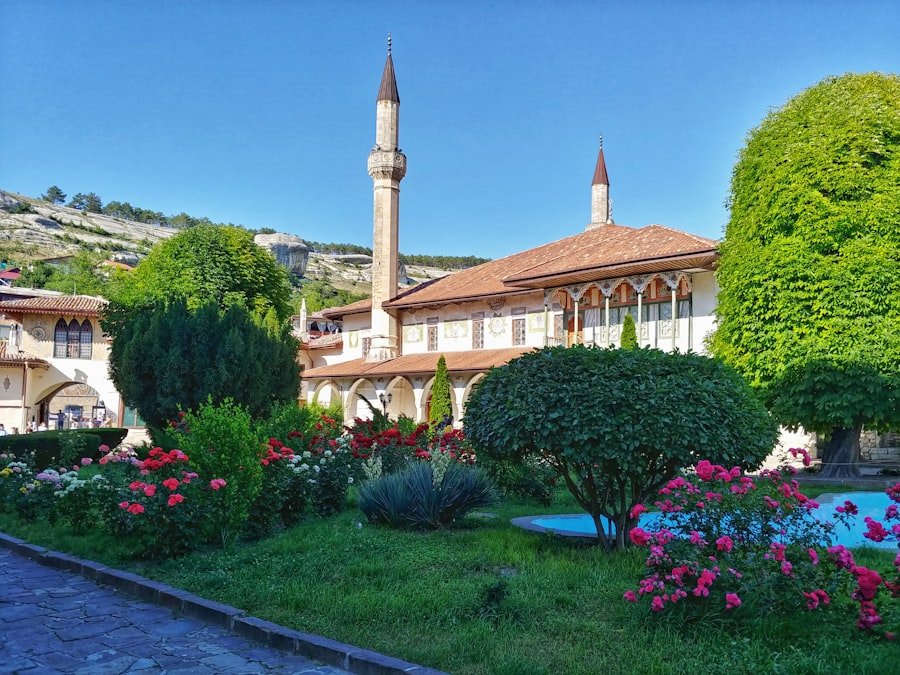
Istanbul’s cultural heritage reflects centuries of exchange between Europe and Asia. The city developed as Byzantium and Constantinople before becoming the Ottoman capital, and monuments from successive periods remain close together on the historic peninsula.
UNESCO inscribed the Historic Areas of Istanbul on the World Heritage List in 1985. Its description highlights Byzantine and Ottoman masterpieces including Hagia Sophia, Topkapi Palace, the Süleymaniye Mosque complex, the Blue Mosque, the land walls, and numerous historic churches, mosques, tombs, baths, and cisterns.
The Blue Mosque demonstrates Ottoman architectural and decorative traditions, while the monument formerly known as the Chora Church or Chora Museum is now Kariye Mosque. Its surviving Byzantine mosaics and frescoes remain an important part of Istanbul’s artistic heritage.
Cultural heritage also extends beyond monumental buildings. The Grand Bazaar and Spice Bazaar continue Istanbul’s long commercial traditions, while ceramics, carpets, metalwork, calligraphy, food, and music show how different communities and regions contributed to the city’s identity.
The Importance of Museums in Preserving Istanbul’s History
Museums do more than display attractive objects. They document archaeological discoveries, conserve fragile materials, research collections, and give visitors a way to connect individual objects with the people and societies that created them.
The Istanbul Archaeological Museums are a strong example. Their collections span multiple ancient civilizations, and the complex itself reflects the development of Ottoman-era museology. Osman Hamdi Bey, appointed museum director in 1881, played an important role in archaeological research and museum development. Excavations at Sidon brought major sarcophagi to Istanbul, including the Alexander Sarcophagus.
The Museum of Turkish and Islamic Arts performs a different but complementary role. Its carpets, manuscripts, ceramics, metalwork, and ethnographic collections preserve examples from numerous Islamic societies and periods. Together, these museums show why Istanbul’s history cannot be explained through one empire or one monument alone.
The official Museum Pass Istanbul currently bundles 13 museums into a five-day pass priced at €105, but the value depends on how many of those included sites you genuinely plan to visit.
Insider Tips for Making the Most of the Museum Pass
1. Build Your Itinerary Before Buying
Write down the museums you genuinely want to visit, then compare that plan with the current official pass list. Do not buy the pass only because it sounds convenient. A traveler spending most of the trip at mosques, bazaars, neighborhoods, cruises, the Basilica Cistern, and private museums may get less value than someone visiting several participating state museums.
2. Activate It When Your Museum-Heavy Days Begin
The five-day validity period starts with your first museum or archaeological-site entry, not simply because you researched the pass online. If your first day is mainly a Bosphorus cruise, food tour, or neighborhood walk, it may make sense to begin using the pass later.
3. Group Sultanahmet Museums Together
Topkapi Palace, the Istanbul Archaeological Museums, the Museum of Turkish and Islamic Arts, Hagia Sophia, and the Blue Mosque are all in or near the historic peninsula. Even though not all of them use the Museum Pass, grouping them geographically reduces unnecessary travel across the city.
4. Watch the Entry Cutoffs
The official MuseumPass page currently states that pass entry to Galata Tower is permitted no later than 18:14, while entry to the Istanbul Archaeological Museums and the Museum of Turkish and Islamic Arts is permitted no later than 18:45. These times can change, so confirm them shortly before your visit.
5. Do Not Confuse Daytime Admission with Night Museology
Türkiye operates separate evening museum experiences at selected locations. MuseumPass products are not valid for the Night Museology program after 19:00, so an evening visit may require another ticket even if you used your pass at the same attraction during normal daytime hours.
6. Expect Security Checks
Having a pass can save the step of buying an ordinary ticket at participating attractions, but it does not guarantee that you will bypass security screening, capacity controls, or every entrance queue. Leave extra time at major sites during busy periods.
7. Check Closures Before Calculating Savings
The Ministry’s current admission-status list marks the Istanbul Great Palace Mosaics Museum as closed. Restoration and reopening dates can change, so never calculate your expected savings from an attraction without confirming that it will actually be open during your visit.
Uncovering Hidden Gems in Istanbul’s Historical Museums
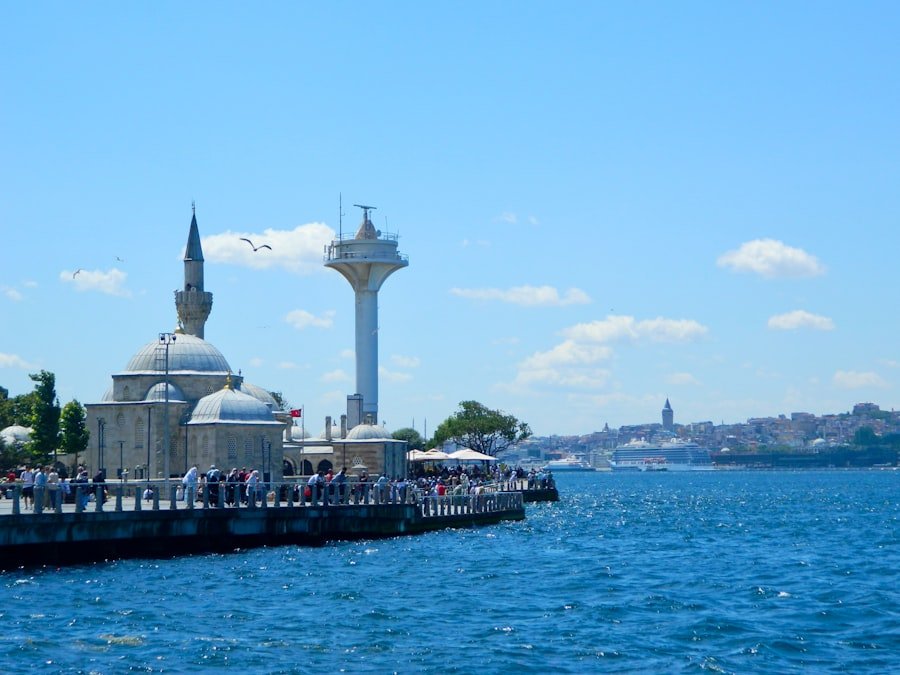
Istanbul’s biggest landmarks naturally attract the most attention, but smaller museums can provide a quieter and more focused experience. Some are part of the government museum network, while others require completely separate tickets.
Galata Mevlevi Lodge Museum
The Galata Mevlevi Lodge dates to the late 15th century and helps visitors understand Istanbul’s Mevlevi and Sufi heritage. The official museum page describes a long history of rebuilding and restoration, including its later use as a museum. It is a useful cultural stop when exploring the Galata area.
Carpet Collections
Older travel articles sometimes recommend a standalone Istanbul Carpet Museum. Because that museum’s collection and institutional arrangements have gone through closure and restructuring, do not rely on an old map listing without checking its current status. For a dependable major collection of historic carpets, the Museum of Turkish and Islamic Arts is the stronger choice.
Pera Museum
Pera Museum is a private museum and should not be confused with an official Museum Pass Istanbul attraction. Its Orientalist Painting Collection includes Ottoman and European works, including paintings by Osman Hamdi Bey and his famous The Tortoise Trainer. It is a worthwhile separate stop if you are interested in how artists represented the Ottoman world.
Rahmi M. Koç Museum
The Rahmi M. Koç Museum in Hasköy focuses on industrial heritage, communication, engineering, and transportation. Its collections include vehicles, machinery, maritime objects, and railway exhibits. It is also separate from the official Museum Pass Istanbul, so plan for its own admission charge.
The Influence of Istanbul’s History on Modern-Day Culture
Istanbul’s history remains visible in everyday life rather than existing only behind museum glass. Historic religious buildings continue to function as places of worship, centuries-old commercial districts remain active, and neighborhoods contain architecture from Byzantine, Ottoman, Republican, and modern periods within a short walk of one another.
The city’s contemporary cultural institutions also reinterpret the past. Museums such as Pera place Ottoman-period art in conversation with modern exhibitions, while archaeology and state museums preserve objects from much earlier civilizations. Festivals, galleries, restaurants, music venues, and design studios continue this exchange between inherited traditions and contemporary ideas.
Food offers another example. Kebabs, mezes, pastries, seafood, regional dishes, and sweets reflect influences from Istanbul’s former imperial geography as well as modern migration within Türkiye. Traditional music and folk forms likewise coexist with contemporary pop, electronic music, jazz, and experimental work.
Is the Istanbul Museum Pass Worth It?
The pass can be worth buying, but there is no universal answer. Its value depends on your actual itinerary rather than the theoretical number of museums available.
The pass is more likely to make sense if:
- You plan to visit several participating museums during the same five-day period.
- Topkapi Palace’s main museum area, Galata Tower, the Archaeological Museums, and other state museums are priorities.
- You prefer one pass instead of buying multiple standard museum tickets.
- You can group attractions efficiently rather than spending most of each day traveling between distant districts.
It may be less useful if:
- Your main priorities are Hagia Sophia, the Blue Mosque, Basilica Cistern, Bosphorus cruises, neighborhoods, markets, or private museums.
- You only plan to enter one or two participating museums.
- You expect the pass to include Topkapi Palace’s Harem or Hagia Irene.
- You plan most museum visits during separate Night Museology sessions.
Note: Ticket prices in Türkiye can change. Calculate the value using the official prices available immediately before your trip rather than relying on an old blog post or social-media screenshot.
Embracing Istanbul’s Rich History with the Museum Pass
The Istanbul Museum Pass can be a useful companion for travelers who want to spend several days exploring state museums and historic sites. Its strongest advantage is convenience: one product covers a group of participating museums during a five-day window. However, it should not be treated as an all-access Istanbul sightseeing pass.
Understanding the exclusions prevents the most common surprises. Hagia Sophia follows its own visitor system, while the Harem and Hagia Irene inside the Topkapi complex require separate admission under current rules. Private museums and municipal attractions also operate independently.
Once those limits are clear, the pass becomes easier to evaluate. Use it for the museums that genuinely interest you, combine nearby attractions to reduce travel time, and check official opening notices before each museum day. Istanbul’s history is not confined to one period: Byzantine churches and mosaics, Ottoman palaces and mosques, archaeological collections, markets, art museums, and modern neighborhoods all contribute to the experience.
If you’re looking for a quiet food-related break after a long museum day, the site’s existing simple and healthy homemade cottage cheese recipe offers a completely different change of pace from sightseeing.
Frequently Asked Questions
What is the Istanbul Museum Pass?
Museum Pass Istanbul is the official museum pass for participating government-run museums and historic sites in Istanbul. As of September 2026, the official product costs €105, covers 13 museums, and remains valid for five days from your first museum or archaeological-site entry.
What museums and attractions are included in the Istanbul Museum Pass?
The official product currently advertises 13 participating museums. Important pass attractions include the main Topkapi Palace museum area and several Ministry museums such as Galata Tower, the Istanbul Archaeological Museums, and the Museum of Turkish and Islamic Arts. The exact operating list and restoration status should always be checked on the official MuseumPass website before your visit.
Is Hagia Sophia included in the Istanbul Museum Pass?
No. Do not buy Museum Pass Istanbul expecting it to cover a standard tourist visit to Hagia Sophia. Hagia Sophia is an active mosque with its own cultural-visitor arrangement. The separate Hagia Sophia History and Experience Museum also has its own admission system.
Does the Istanbul Museum Pass include Topkapi Palace and the Harem?
The pass is valid for the main Topkapi Palace museum area, but current National Palaces rules exclude the Harem and Hagia Irene. Pass holders who want to visit those sections need separate admission.
How much does the Istanbul Museum Pass cost?
As of September 2026, the official Museum Pass Istanbul price is €105. There is currently one five-day Istanbul product rather than the old 3-day, 5-day, and 7-day structure described by some outdated travel guides. Always recheck the official price before purchasing.
Where can I purchase the Istanbul Museum Pass?
The pass can be purchased through the official MuseumPass system and at authorized MuseumPass sales points. Using the official Ministry website is the safest way to verify the latest price and product details before paying.
Is the Istanbul Museum Pass worth it?
It can be worth it if you plan to visit several participating museums within five days. Calculate the normal admission cost of the museums you genuinely want to see and compare that total with the current €105 pass price. Do not include closed attractions or sites that the pass does not cover when doing the calculation.
Does the Museum Pass let me skip every line?
No. A valid pass can remove the need to purchase a normal admission ticket at participating venues, but security screening, capacity controls, and entrance queues can still apply. Arrive early at major attractions during busy travel periods.
How do I use the Istanbul Museum Pass?
Present your active Museum Pass at a participating attraction’s entry point. The five-day validity period begins from your first museum or archaeological-site entry. Check each attraction’s opening hours, last-entry time, restoration status, and special-event rules before traveling there.
Sources
- Türkiye Ministry of Culture and Tourism — MuseumPass Istanbul — current price, five-day validity, 13-museum coverage, entry cutoffs, and Night Museology restriction.
- National Palaces — Topkapi Palace — current visiting information and Harem/Hagia Irene ticket rules.
- Türkiye Ministry of Culture and Tourism — Museum and Archaeological Site Fees — current Istanbul museum prices and open/closed status.
- Hagia Sophia History and Experience Museum — current separate museum admission information.
- UNESCO World Heritage Centre — Historic Areas of Istanbul — historical and World Heritage context for Istanbul’s Byzantine and Ottoman monuments.