Sultanahmet is best known for its extraordinary monuments, but its parks, gardens, and landscaped public spaces also give visitors places to slow down between historic sights. Gülhane Park is the area’s major traditional city park, while Sultanahmet Square and the former Hippodrome combine lawns, fountains, ancient monuments, and some of Istanbul’s most famous architectural views.
Quick Answer
For the best green-space experience in Sultanahmet, start with Gülhane Park, the former outer garden of Topkapı Palace. Then walk to Sultanahmet Square and the historic Hippodrome area, where landscaped gardens sit beside Hagia Sophia, the Blue Mosque, ancient obelisks, fountains, and other landmarks.
Key Takeaways
- Gülhane Park is the main traditional public park near Sultanahmet and was formerly part of Topkapı Palace’s outer gardens.
- Sultanahmet Square and the Hippodrome are historic public spaces with landscaped areas rather than separate large city parks.
- The Hippodrome area preserves major monuments including the Obelisk of Theodosius, Serpent Column, Walled Obelisk, and German Fountain.
- April is one of the most colorful periods to visit because tulips are planted extensively around Istanbul, including Gülhane.
- Metro Istanbul’s T1 tram serves both Gülhane and Sultanahmet stations, making these areas easy to combine on foot.
Understanding Sultanahmet’s Parks and Historic Green Spaces
It helps to distinguish between Sultanahmet’s actual parks and its historic squares. Gülhane Park is a large, established urban park. Sultanahmet Square, by contrast, is a major public square with lawns, flower beds, fountains, and pedestrian areas. The former Hippodrome of Constantinople occupies part of the same historic landscape rather than functioning as a separate modern park.
This distinction also makes the area’s history easier to understand. The UNESCO-listed Historic Areas of Istanbul include monuments representing centuries of Eastern Roman and Ottoman history, including the ancient Hippodrome, Hagia Sophia, Topkapı Palace, and the Blue Mosque. The green spaces visitors see today developed around these older monuments at different times.
The Top Parks and Green Spaces to Visit in Sultanahmet
Gülhane Park
Gülhane Park, whose name is commonly translated as “Rose House,” is the strongest choice when you want a genuine park experience near Sultanahmet. According to GoTürkiye’s official Gülhane Park guide, the area was once the outer garden of Topkapı Palace and was reserved for the royal court before becoming a public park.
The park’s long central paths, mature trees, lawns, seasonal flower displays, and shaded areas make it a useful break from the dense historic streets nearby. Official municipal history also records that Gülhane was developed as a public park in the early 20th century. The park has since become one of the Historic Peninsula’s best-known recreational green spaces.
Gülhane is also historically important beyond its role as a palace garden. The Tanzimat Edict, an important Ottoman reform proclamation, was publicly read in the Gülhane area in 1839. Istanbul Metropolitan Municipality also records that Mustafa Kemal Atatürk introduced the new Latin-based Turkish alphabet to the public at Gülhane in 1928.
Historical features around the park include the Column of the Goths, surviving palace-wall elements, and the Museum of the History of Science and Technology in Islam. The park’s elevated and waterfront-facing areas also open toward views of the Bosphorus, Golden Horn, and Sea of Marmara.
Pro Tip: Gülhane works especially well as a quiet break between Topkapı Palace, the Istanbul Archaeological Museums area, Sirkeci, and Sultanahmet. Comfortable walking shoes help because a day in the Historic Peninsula usually involves far more walking than the park itself.
Sultanahmet Square and Its Central Gardens
The landscaped area between Hagia Sophia and the Blue Mosque is often casually described as Sultanahmet Park. It is more accurate to think of it as the gardens and pedestrian spaces of Sultanahmet Square. Lawns, flower beds, benches, trees, and fountains create one of Istanbul’s most photographed urban views.
The setting is particularly striking because two monumental religious buildings face the square. The 6th-century Hagia Sophia represents the Eastern Roman period, while the 17th-century Sultan Ahmed Mosque, widely known as the Blue Mosque, represents Ottoman architecture. Both are part of a much broader historic landscape protected for its international cultural importance.
The Historic Hippodrome
The Hippodrome is not a separate modern park. It was the great ceremonial and sporting arena of Constantinople, and today’s Sultanahmet Square covers much of its former course. The official GoTürkiye Hippodrome guide describes it as an Eastern Roman venue used for chariot racing, horse racing, festivals, ceremonies, and political events.
Several surviving monuments make the area easy to explore on foot. Look for the Obelisk of Theodosius, the bronze Serpent Column, the Walled Obelisk, and the German Fountain. Together they help visitors understand that Sultanahmet’s open spaces are not simply decorative gardens; they sit on one of the most historically important parts of Istanbul.
The Cultural and Architectural Features of Sultanahmet Parks
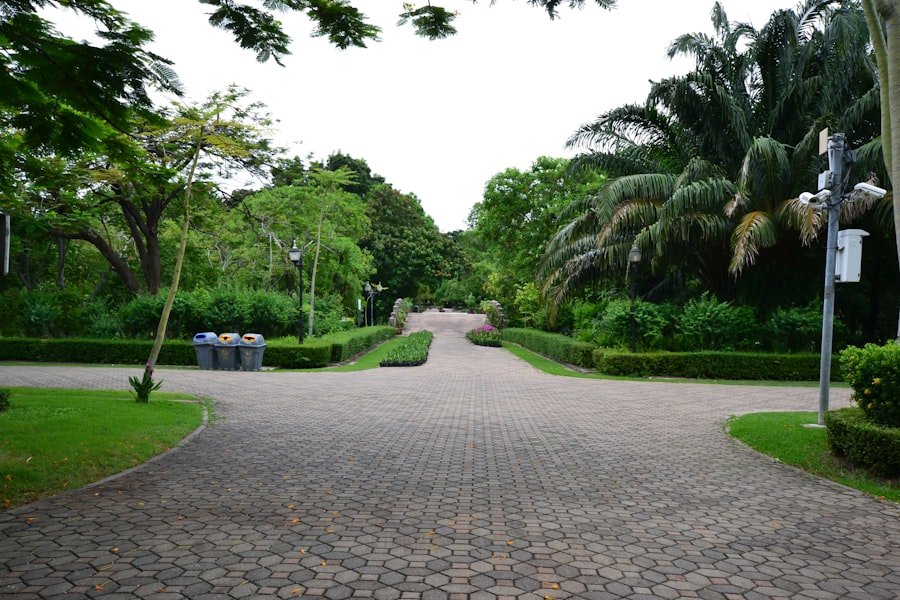
The cultural value of Sultanahmet’s green and open spaces comes largely from their relationship with the monuments around them. Rather than viewing the parks separately from the architecture, it is more useful to see them as part of the Historic Peninsula’s urban landscape.
At Gülhane, the strongest historical connection is with Topkapı Palace. The park developed from part of the palace’s former outer garden, while surviving historic structures and archaeological remains show that the area has been used for centuries. Today, mature trees and landscaped paths soften the transition between the palace complex, Sirkeci, and the waterfront side of the peninsula.
Sultanahmet Square offers a different experience. Its gardens create open sightlines toward Hagia Sophia and the Blue Mosque, while the Hippodrome’s ancient monuments reveal layers of Eastern Roman and later Ottoman history. This mixture of landscape, architecture, archaeology, and living religious sites is one reason the Historic Peninsula remains distinctive.
UNESCO inscribed the Historic Areas of Istanbul on the World Heritage List in 1985, recognizing a landscape that brings together outstanding monuments from Byzantine/Eastern Roman and Ottoman periods.
Activities and Events in Sultanahmet Parks
Walking is the simplest way to enjoy these spaces. Gülhane’s paths provide room for an unhurried stroll beneath mature trees, while Sultanahmet Square is better suited to short walks between monuments, gardens, fountains, and viewpoints.
Picnicking is another popular use of Gülhane. GoTürkiye specifically describes the park as suitable for a leisurely picnic. A simple meal of bread or simit, cheese, fruit, and a drink can provide an inexpensive break during a long sightseeing day. Be considerate of the park, dispose of waste properly, and follow any posted local rules.
Photography is especially rewarding around Sultanahmet Square because the gardens frame Hagia Sophia and the Blue Mosque from several angles. The Hippodrome’s obelisks and fountain provide very different historic subjects within a short walk.
Events vary by season and year, so it is better to check official schedules than assume concerts or festivals happen continuously. One verified example is Istanbul’s 2026 tulip program. Istanbul Metropolitan Municipality reported that 3.58 million tulips were planted across four major municipal sites in 2026, including Gülhane, with Tulip Celebration activities scheduled for April 11–12.
Note: Festival dates, temporary exhibitions, transport arrangements, and scheduled activities can change from year to year. Check official Istanbul sources when planning a visit around a specific event.
The Natural Beauty of Sultanahmet Parks
Seasonal change is one of Gülhane Park’s strongest attractions. Spring brings tulips and other flowering plants, while the park’s trees provide increasing shade as the weather becomes warmer. GoTürkiye also highlights the park’s roses, which help explain its name and long association with ornamental gardens.
Summer is useful for shaded walks, although midday temperatures can make exposed sections of Sultanahmet Square feel much warmer than tree-covered parts of Gülhane. Early morning and later afternoon are often more comfortable for walking and photography.
Autumn changes the color and atmosphere of the tree-lined park paths, while winter gives the Historic Peninsula a quieter visual character. Istanbul can also be rainy, cold, or occasionally snowy in winter, so weather conditions should guide how much time you plan to spend outdoors.
April deserves special attention for travelers interested in flowers. Istanbul’s municipal tulip displays are one of the city’s most recognizable spring features, and Gülhane is among the principal locations used for major plantings.
The Role of Parks in Sultanahmet’s Community
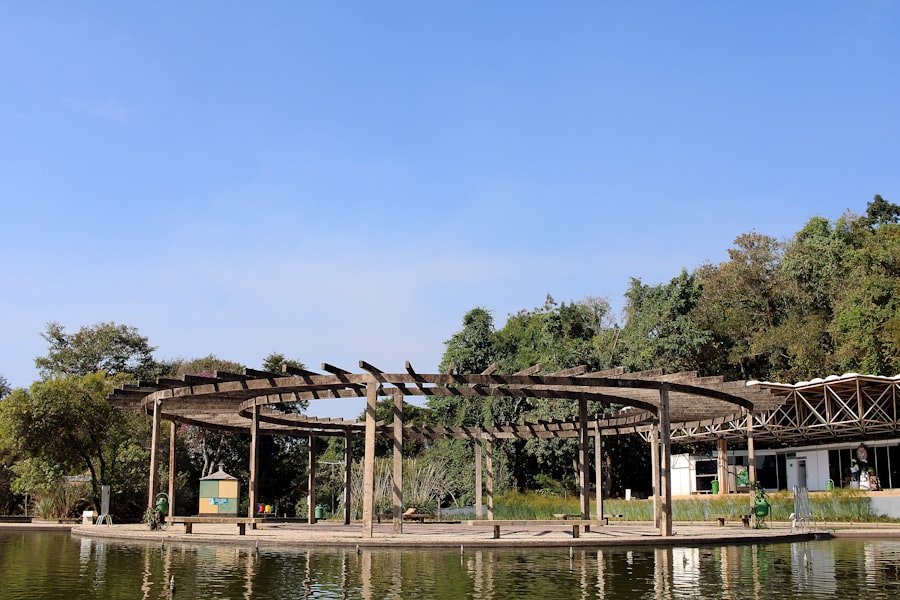
Community Building through Social Interactions
Gülhane gives residents and visitors a rare amount of open green space in the dense Historic Peninsula. People use its paths, shaded areas, lawns, and seating for walking, resting, meeting others, and spending time outdoors. Those everyday activities make the park useful in a way that is different from nearby ticketed monuments and museums.
Sultanahmet Square plays a similar social role but in a much busier setting. Residents, worshippers, tour groups, independent travelers, photographers, and families regularly pass through the same public space. This constant mixture of everyday city life and tourism is part of Sultanahmet’s character.
Promoting Environmental Awareness
Historic urban parks can also help visitors appreciate why mature trees, planted landscapes, and open public areas matter in a heavily built neighborhood. Gülhane’s vegetation offers shade and visual relief while providing a green transition between major monuments and surrounding city streets.
Responsible visitors can support that environment in simple ways: use bins, avoid damaging flowers or planted areas, stay on appropriate paths, and follow temporary restrictions during landscaping or restoration work.
Integral Components of Community Life
Sultanahmet’s open spaces serve several purposes at once. They are places to rest, walk, meet people, view architecture, attend occasional public events, and experience historic Istanbul without remaining indoors. Their value comes not only from landscaping but also from how they connect monuments, transportation, neighborhoods, and everyday public life.
Conservation Efforts in Sultanahmet Parks
Preserving Gülhane involves both landscape care and the protection of historical features. Istanbul Metropolitan Municipality’s history of Gülhane records major restoration work undertaken in the early 2000s after periods of deterioration.
Heritage work has continued within the park. Municipal conservation teams have also restored the historic Gülhane Park Cistern and nearby fountain, giving visitors another example of how archaeological and built heritage can be preserved alongside a functioning public green space.
Conservation is particularly important throughout the Historic Peninsula because modern tourism, transportation, infrastructure, and everyday city life operate beside archaeological and architectural remains of international significance. UNESCO’s World Heritage framework recognizes the need to balance continued urban use with the protection of Istanbul’s historic character.
Visitor Caution: Do not climb historic monuments, cross barriers around archaeological features, pick flowers, or enter restoration areas. These restrictions protect both visitors and fragile heritage.
Tips for Visiting Sultanahmet Parks
Choose the Right Time of Day
Morning is a good choice for cooler temperatures, softer light, and an easier start to a full sightseeing day. Late afternoon can also be pleasant, especially outside the hottest summer weeks. Crowding varies significantly by season, holidays, tour schedules, and special events.
Visit in April for Tulip Displays
If flowers are a priority, April is generally the most important tulip period in Istanbul. Exact peak bloom depends on weather and planting schedules, so check current municipal announcements if your trip is specifically planned around the displays.
Wear Comfortable Shoes
Although Gülhane itself has broad walking routes, a typical Sultanahmet visit also includes stone paving, historic streets, squares, and long periods on foot. Comfortable footwear makes a noticeable difference.
Respect Active Places of Worship
Hagia Sophia and the Blue Mosque are living religious sites, not simply architectural backdrops. Be respectful around entrances and worshippers, dress appropriately when entering a mosque, follow staff instructions, and expect visitor access to change around prayer or religious activities.
Bring a Simple Picnic to Gülhane
If you are looking for a peaceful escape from intensive sightseeing, Gülhane is the best place in the immediate area to stop for a simple picnic. Fresh bread, pastries, cheese, olives, or fruit such as melon are easy options. Keep the meal compact and leave the area clean when you finish.
Getting to Gülhane and Sultanahmet by Tram
The easiest rail connection for many visitors is the T1 Kabataş–Bağcılar tram. According to Metro Istanbul, the line includes both Gülhane and Sultanahmet stations as well as nearby Sirkeci and Eminönü.
Temporary tram changes can occur during large public events, road works, or security arrangements. Check Metro Istanbul announcements on the day of travel if your schedule is tight.
Visiting with Children or Limited Mobility
Gülhane’s open paths and places to rest can make it easier to manage a long Historic Peninsula day with children. The Museum of the History of Science and Technology in Islam inside the park can also add an indoor stop for families interested in science and history.
Metro Istanbul states that stations along the T1 line are designed for low-floor tram operation and accessible entry. However, some streets and historic surfaces around Sultanahmet can still include uneven paving, slopes, crowds, and other obstacles, so travelers with mobility needs should allow extra time.
Frequently Asked Questions
What are the main parks and green spaces in Sultanahmet?
Gülhane Park is the area’s main traditional city park. Sultanahmet Square also has landscaped gardens, lawns, fountains, and pedestrian areas. The historic Hippodrome overlaps today’s square and should be understood as a historic public space rather than a separate modern park.
What are the main features of Gülhane Park?
Gülhane is known for mature trees, broad walking paths, lawns, seasonal flowers, its connection with Topkapı Palace, the Column of the Goths, and the Museum of the History of Science and Technology in Islam. It is also one of the best places near Sultanahmet for a shaded walk or picnic.
What can visitors see at Sultanahmet Square?
Visitors can see landscaped gardens and fountains with views toward the Blue Mosque and Hagia Sophia. The adjoining former Hippodrome area also contains the Obelisk of Theodosius, Serpent Column, Walled Obelisk, and German Fountain.
Why is the Hippodrome historically important?
The Hippodrome was one of Constantinople’s main arenas for chariot racing, ceremonies, festivals, political activity, and public entertainment during the Eastern Roman period. Much of its former course is now occupied by Sultanahmet Square.
When is the best time to see tulips in Sultanahmet?
April is normally the key tulip month in Istanbul. Gülhane is one of the city’s major municipal tulip-display locations, although the exact timing of peak flowers changes with weather and yearly planting schedules.
How do you get to Gülhane Park and Sultanahmet Square?
Metro Istanbul’s T1 Kabataş–Bağcılar tram serves both Gülhane and Sultanahmet stations. The two areas are also close enough to combine in the same Historic Peninsula walking route.
Can visitors have a picnic in Gülhane Park?
Yes, Gülhane is commonly used for relaxed outdoor breaks and picnics. Keep your setup simple, use designated public areas, dispose of waste properly, and follow any temporary park rules or restrictions displayed during your visit.
Sources
- UNESCO World Heritage Centre — Historic Areas of Istanbul — World Heritage status and the historic importance of the Hippodrome, Hagia Sophia, Topkapı Palace, and surrounding Historic Peninsula.
- GoTürkiye — Gülhane Park — Gülhane’s Topkapı Palace garden history, flowers, picnic use, and principal visitor features.
- GoTürkiye — Hippodrome — history of the former Hippodrome and surviving monuments in Sultanahmet Square.
- Istanbul Metropolitan Municipality — Gülhane Park History — public-park development, historical milestones, restoration, and notable features.
- Istanbul Metropolitan Municipality — 2026 Tulip Celebration — current 2026 tulip planting figures, locations, and April event dates.
- Metro Istanbul — T1 Kabataş–Bağcılar Tram Line — current tram stations and transport information for Gülhane and Sultanahmet.