Sultanahmet is Istanbul’s historic core, but its breakfast scene is best understood as part of the wider Turkish kahvaltı tradition rather than as one unchanged Ottoman-era meal. The word kahvaltı is commonly explained as “before coffee,” and today’s breakfast tables may combine cheese, olives, tomatoes, cucumbers, bread, eggs, pastries, preserves, honey and plenty of Turkish tea. In Sultanahmet, you can find everything from casual breakfasts to elaborate hotel spreads and rooftop meals overlooking the Old City.
Quick Answer
For a classic Sultanahmet breakfast, look for a Turkish spread with cheese, olives, tomatoes, cucumbers, bread, eggs or menemen, sweet preserves and plenty of çay. Seven Hills, AJWA Sultanahmet, Palude and the historic Pudding Shop offer different experiences, from rooftop views and large spreads to casual heritage dining.
Key Takeaways
- A Turkish breakfast is usually a collection of small sweet and savory dishes rather than one main plate.
- Simit, menemen, börek, cheese, olives, tomatoes, cucumbers, honey, preserves and çay are common choices.
- For a full serpme kahvaltı, ask whether hot dishes, juice, coffee and extra tea are included before ordering.
- Sultanahmet is a heavily visited district, so menu prices, service charges and reservation policies can differ substantially between restaurants.
- Café Privato is a popular Istanbul breakfast option, but it is in Beyoğlu near Galata rather than Sultanahmet.
The Breakfast Culture of Sultanahmet and Istanbul
Breakfast in Turkish culture is strongly associated with sharing and hospitality. A large table may contain numerous small plates so everyone can sample different cheeses, olives, vegetables, spreads, pastries and egg dishes. The official GoTürkiye gastronomy guide describes serpme kahvaltı as a social, shared breakfast made up of many sweet and savory items accompanied by bread and Turkish black tea.
Ottoman food traditions, regional cuisines and centuries of migration all influenced what people eat in Istanbul. However, it is more accurate to describe today’s restaurant breakfast as a living Turkish tradition that continues to change rather than as a single fixed Ottoman breakfast preserved unchanged through the centuries.
The city’s role as a meeting point between regions also explains the range you see on modern breakfast tables. Depending on the restaurant, you may encounter Aegean olives and herbs, cheeses from different parts of Türkiye, Black Sea specialties, Anatolian preserves and contemporary café dishes alongside Istanbul classics.
The Best Breakfast Spots in Sultanahmet
“Best” depends on whether you care most about a rooftop view, a large traditional spread, history, price or a quieter table. The following options have current location or breakfast information that can be verified online.
Seven Hills: Best for a Rooftop Breakfast and Old City Views
Seven Hills Hotel’s official breakfast page advertises breakfast on its Sultanahmet terrace with views toward landmarks including Hagia Sophia and the Blue Mosque. Its published information says breakfast service is available until noon.
This is the type of place to choose when the setting is part of the meal. Arriving earlier can also make it easier to enjoy the view before the historic district reaches its busiest part of the day.
AJWA Sultanahmet: Best for a Large, Upscale Spread
AJWA Hotel Sultanahmet’s breakfast menu lists local and regional cheeses, olives, tomatoes, seasonal greens, honey, clotted cream, breads, egg choices, tea, coffee and fresh juice, with larger breakfast combinations available.
This is a stronger choice for travelers who want a broad hotel-style breakfast rather than just coffee, simit and eggs. Because hotel restaurant access and menus can change, non-guests should confirm current walk-in arrangements before making a special trip.
Palude Sultanahmet: Best for a Traditional Serpme Breakfast
Palude Sultanahmet, on Mimar Mehmet Ağa Caddesi, promotes a traditional serpme Turkish breakfast in the historic district. It is a useful option when your priority is the shared-table style of breakfast rather than a small individual plate.
A Taste of History at the Pudding Shop
The Pudding Shop is the nickname of Lale Restaurant in Sultanahmet. Rather than beginning in the 1960s, the restaurant opened in 1957 and became particularly famous during the 1960s and 1970s as a meeting point for travelers following the overland “hippie trail” between Europe and Asia.
Its published menu includes a continental breakfast and several egg dishes. Come here primarily for the combination of a casual meal and an unusually well-documented piece of Sultanahmet travel history rather than expecting a specialist modern brunch restaurant.
Café Privato: Popular for Breakfast, but Not in Sultanahmet
Café Privato is often recommended for Turkish breakfast, but it should not be placed on a list of Sultanahmet restaurants. It is in Şahkulu, Beyoğlu, near the Galata area. If you are already visiting Galata Tower or exploring Beyoğlu, it can make sense as a breakfast stop on that day’s itinerary; it is not a Sultanahmet walking-distance breakfast choice.
Note: Restaurant hours, menus, prices and walk-in policies in central Istanbul can change. Check the restaurant’s current menu or booking page on the day you plan to visit rather than relying on an old blog price or opening time.
Traditional Turkish Breakfast Dishes to Try
A traditional Turkish breakfast is built around variety. The exact combination differs by region and restaurant, but several foods appear repeatedly on Istanbul breakfast tables.
- Simit: A circular bread coated with sesame seeds. It is commonly eaten with cheese, olives, tomatoes or tea and is also one of Istanbul’s best-known street foods.
- Menemen: Soft-cooked eggs with tomatoes and green peppers. Some versions include onion, cheese or sucuk, so recipes can differ from one kitchen to another.
- Börek: Layers or rolls of thin pastry filled with ingredients such as cheese, spinach, potatoes or minced meat.
- Cheese: Beyaz peynir, kaşar and regional tulum cheeses are common possibilities. Tulum should not be treated as one single goat’s-milk cheese; regional varieties may use sheep, goat, cow or mixed milk.
- Olives: Black and green olives add a salty, savory element to the spread.
- Tomatoes and cucumbers: Fresh vegetables help balance the richer cheese, eggs and pastries.
- Bal-kaymak: Honey served with thick clotted cream is one of the richer sweet elements you may encounter.
- Jams and preserves: Restaurants may serve several fruit preserves in small dishes.
- Sucuklu yumurta: Eggs cooked with seasoned Turkish beef sausage are a heartier option.
- Çay: Turkish black tea is the standard drink alongside breakfast and is usually served in small tulip-shaped glasses.
Pro Tip: If two people want to sample many foods, a shared serpme kahvaltı can offer more variety than ordering separate breakfast plates. Before ordering, ask whether hot egg dishes, juice, coffee and extra tea are included or charged separately.
The Importance of Breakfast in Turkish Culture
| Aspect | Typical Turkish Breakfast | Why It Matters |
|---|---|---|
| Morning meal | Olives, cheese, tomatoes, cucumbers, bread, eggs, honey, preserves and tea | Can be either a quick weekday meal or a longer shared breakfast |
| Nutrition | May include protein-rich eggs and cheese, vegetables, bread, fruit products and fats | The nutritional balance depends on portions and the amount of salty cheese, processed meat, pastries and sweet spreads |
| Cultural significance | Multiple dishes placed on a shared table | Encourages conversation, hospitality and time together with family or friends |
In Turkish culture, breakfast can be as much a social occasion as a meal. Weekend breakfasts in particular may last much longer than a rushed weekday breakfast, with family or friends sharing dishes and refilling glasses of tea.
The meal also reflects regional diversity. Cheese, bread, olives, herbs, preserves and hot dishes can vary widely across Türkiye, so there is no single breakfast plate that represents every household or every region.
Turkish breakfast is less about one signature dish and more about sharing many small flavors around the same table.
Tips for Enjoying a Leisurely Breakfast in Sultanahmet
Sultanahmet becomes busy quickly because Hagia Sophia, the Blue Mosque, Topkapı Palace, the Basilica Cistern and other major attractions are concentrated in a small area. An earlier breakfast can give you a calmer meal and a better start before sightseeing crowds build.
- Check breakfast hours. Some hotel restaurants stop breakfast service well before their lunch menu begins, while other cafés continue serving breakfast later.
- Reserve rooftop tables when the view matters. Weekend mornings, holidays and peak travel periods can be busy.
- Read the menu before ordering. Find out whether a displayed price is per person or for the whole table.
- Ask what the spread includes. Menemen, sucuklu yumurta, fresh juice or Turkish coffee may be separate extras.
- Check the service charge. Some restaurants add one to the bill rather than including it in menu prices.
- Do not over-order. A large serpme breakfast can contain far more food than first-time visitors expect.
Warning: Avoid relying on screenshots or travel articles with old Turkish-lira prices. Food prices in Istanbul can change substantially, and a figure that was useful a few years ago may no longer be realistic.
How Much Does Breakfast Cost in Sultanahmet?
There is no dependable fixed neighborhood average. A small order such as simit, eggs and tea can cost much less than a full serpme spread, while rooftop restaurants and upscale hotels generally sit at the higher end of the market.
The old estimate of 20–40 TL per person is no longer suitable for trip planning. Current prices also change too quickly to make one fixed figure reliable for every Sultanahmet restaurant. Check the current menu shortly before visiting and pay attention to whether the listed price is per person, per breakfast set or for two people.
Also look for extra charges. Drinks, hot egg dishes or additional plates may not be included in the base breakfast price, and some restaurants state that a service charge is added to the final bill.
Where to Find Turkish Tea and Coffee for Breakfast

Turkish black tea, or çay, is the drink most closely associated with breakfast. It is usually served in a small tulip-shaped glass, and larger breakfast spreads may include multiple refills.
You may also see the term çay ocağı, meaning a small tea counter or tea-serving establishment. You do not need to find a restaurant literally named “Çay Ocağı”; virtually every traditional breakfast venue will serve Turkish tea.
Turkish coffee is different. Finely ground coffee is combined with water, and sugar if requested, in a cezve and heated slowly to create its characteristic foam. The grounds remain in the cup rather than being filtered out.
UNESCO inscribed Turkish coffee culture and tradition on the Representative List of the Intangible Cultural Heritage of Humanity in 2013, recognizing both its preparation and its social role in hospitality and conversation.
Tea is the more typical accompaniment throughout breakfast, while Turkish coffee is often enjoyed after the meal. Many Sultanahmet cafés serve coffee with a small sweet or a glass of water.
Exploring Nearby Markets for Breakfast Ingredients
The Spice Bazaar and Grand Bazaar are easy to combine with a day in Istanbul’s Historic Peninsula, but neither should be described simply as a fresh-food market in Sultanahmet.
Spice Bazaar in Eminönü
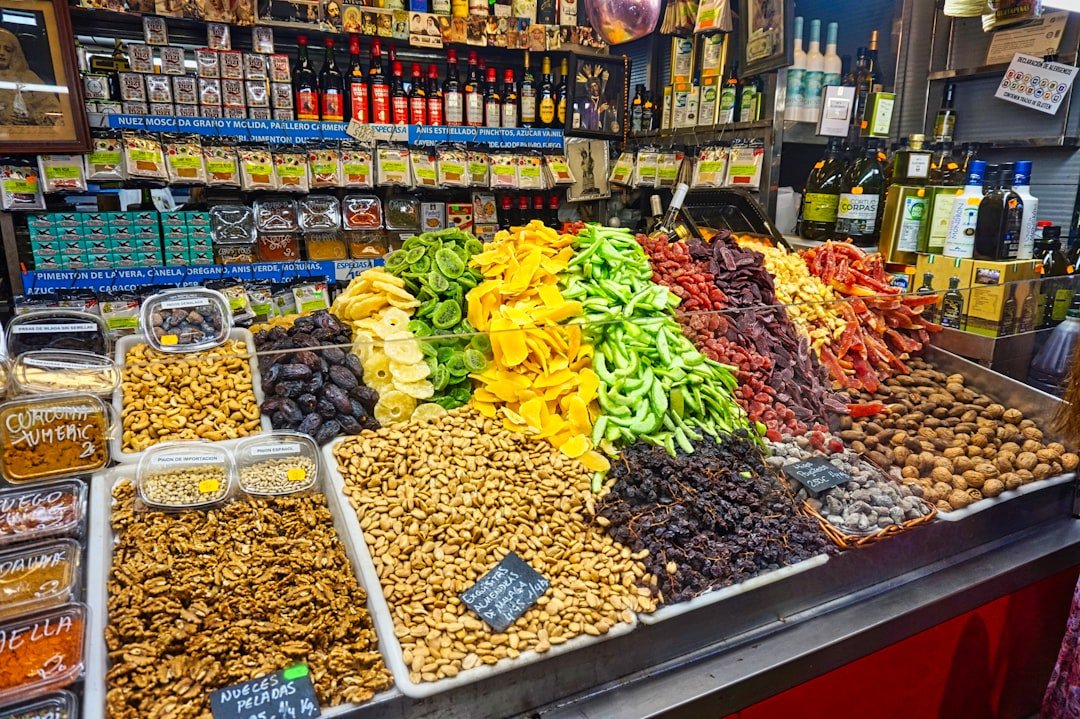
The Spice Bazaar, also called the Mısır Çarşısı, is in Eminönü near the New Mosque. It is particularly useful for spices, tea, dried fruits, nuts and other packaged or preserved foods. It is a better match for food-focused browsing than the Grand Bazaar.
Grand Bazaar Near Beyazıt
The Grand Bazaar is one of Istanbul’s most famous covered shopping areas. It is worth visiting for its historic atmosphere, jewelry, carpets, textiles and souvenirs, but it should not be your primary destination for fresh tomatoes, breakfast cheese or everyday groceries.
For a breakfast you plan to prepare yourself, ordinary bakeries, cheese shops, supermarkets and greengrocers around Fatih are generally more practical places to buy bread, simit, tomatoes, cucumbers, eggs, olives and dairy products.
How to Make a Turkish-Inspired Breakfast at Home
Creating a Turkish-inspired breakfast at home does not require dozens of dishes. Start with a smaller balanced selection and add hot foods if you want a longer weekend-style meal.
Build the Cold Part of the Table
- Fresh bread, simit or another crusty bread
- Beyaz peynir or another salty white cheese
- Kaşar or a regional tulum cheese
- Black and green olives
- Sliced tomatoes and cucumbers
- Honey, jam or fruit preserves
- Butter or kaymak if available
Make Simple Menemen
Cook chopped green pepper in a small amount of olive oil until it begins to soften. Add chopped or grated tomato and cook until some of the excess liquid reduces. Add beaten or lightly mixed eggs and cook gently until they are just set but still soft. Season to taste and serve immediately with bread.
Menemen recipes vary. Onion is common in some versions and absent from others, while cheese or sucuk can be added for a richer meal.
Add Tea or Turkish Coffee
Brew strong black tea and serve it alongside the meal. If you prefer Turkish coffee, prepare it separately in a cezve and enjoy it slowly, commonly toward the end of breakfast.
The existing recipe for Delicious Homemade Cottage Cheese: A Simple and Healthy Recipe can also provide an additional homemade cheese option. Cottage cheese is not a defining Sultanahmet breakfast specialty, but it can work alongside bread, vegetables and olives in a Turkish-inspired home spread.
Vegetarian, Vegan and Allergy Considerations
Turkish breakfast is naturally friendly to many vegetarian diners because cheese, olives, bread, vegetables, eggs, jams and honey make up a large part of the traditional spread.
A vegan breakfast requires more checking. Cheese, butter, kaymak, eggs and honey are common, while some pastries can contain butter, milk or egg even when their filling looks plant-based. Ask for olives, vegetables, bread, tahini and grape molasses, jams and other plant-based dishes separately if needed.
People with allergies should ask specifically about sesame in simit, dairy in cheese and pastries, eggs, nuts in spreads or garnishes, and gluten in breads and börek. Cross-contact practices differ between kitchens, so travelers with serious allergies should discuss their requirements directly with the restaurant rather than relying only on menu descriptions.
Sources
- GoTürkiye — Turkish Breakfast — traditional breakfast dishes and serpme kahvaltı.
- UNESCO — Turkish Coffee Culture and Tradition — preparation, cultural importance and 2013 inscription.
- Visit Istanbul — The Pudding Shop — opening history and its role on the hippie trail.
- Seven Hills Hotel — Breakfast — Sultanahmet terrace breakfast and service information.
- AJWA Hotel Sultanahmet — Breakfast — current breakfast offerings.
- Visit Istanbul — Bazaars — current visitor information for Istanbul’s major bazaars.
Frequently Asked Questions
What are the popular breakfast options in Sultanahmet?
Popular choices include simit, beyaz peynir and other cheeses, olives, tomatoes, cucumbers, börek, menemen, eggs with sucuk, honey or preserves, bread and Turkish tea. A serpme kahvaltı combines many of these foods on a shared table.
Are there any recommended breakfast spots in Sultanahmet?
Current verified options include Seven Hills for a rooftop setting, AJWA Sultanahmet for a large upscale breakfast, Palude for a traditional serpme spread and the Pudding Shop for history and a casual meal. Older lists may mention Seraf Restaurant, Doy Doy Restaurant and Akbiyik Fish House. Seraf’s current official locations are outside Sultanahmet, while breakfast service at any restaurant should be checked before making a special trip.
What is the typical cost of breakfast in Sultanahmet?
There is no stable neighborhood-wide price. A simple café breakfast costs less than a large serpme breakfast or hotel rooftop spread, and prices can change quickly. The old 20–40 TL estimate is no longer realistic. Check the current menu, whether pricing is per person or per set, and whether a service charge or drinks are extra.
Are there vegetarian or vegan breakfast options in Sultanahmet?
Vegetarian options are common because Turkish breakfasts contain plenty of cheese, vegetables, olives, bread, eggs and preserves. Vegan diners should ask specifically for dairy-free and egg-free dishes because butter, cheese, kaymak and eggs are common, and some pastries may contain dairy even when the filling appears plant-based.
Is it necessary to make a reservation for breakfast in Sultanahmet?
Not always. Small cafés can often accommodate walk-ins, especially early in the morning. Reservations are more useful for popular rooftop restaurants, hotel breakfasts, weekends, holidays and larger groups.
Is Café Privato in Sultanahmet?
No. Café Privato is in Beyoğlu near the Galata area. It can be a useful breakfast choice on a Galata or Beyoğlu sightseeing day, but it should not be treated as a Sultanahmet restaurant.
What is the best time to eat breakfast in Sultanahmet?
An early breakfast is useful if you want quieter streets and plan to visit major attractions afterward. For a leisurely rooftop meal, check the restaurant’s breakfast hours because some venues stop serving breakfast around late morning or noon.