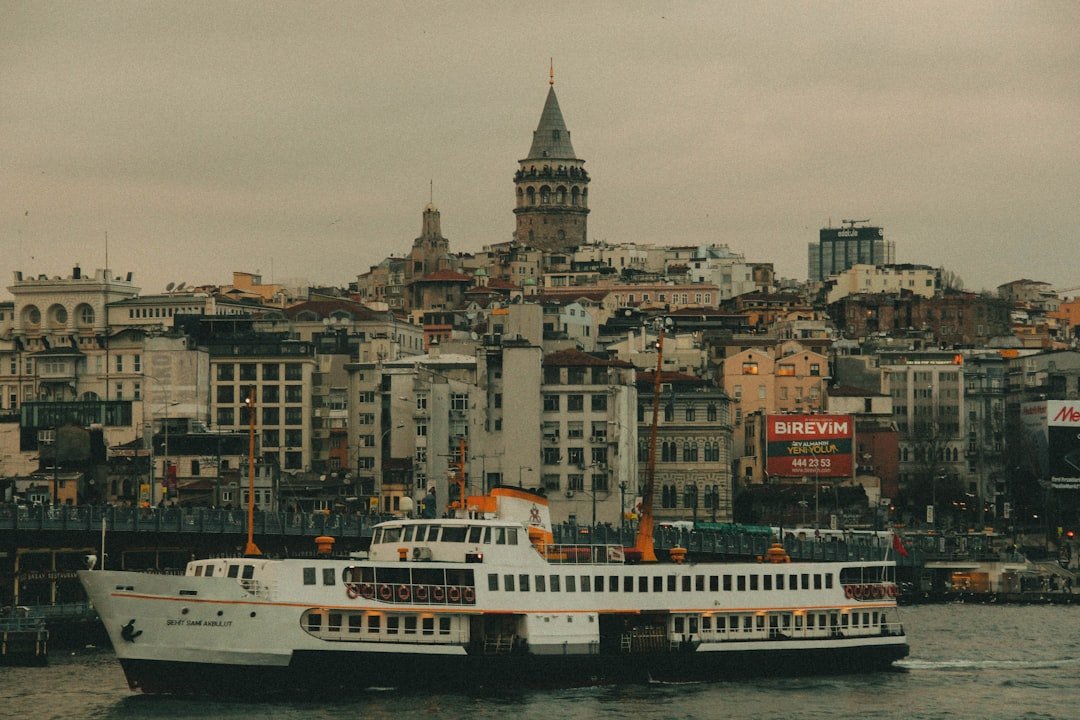
Istanbul winter travel tips are mostly about managing cool, wet weather without giving up the city’s best sights. From December through February, expect short days, frequent rain, occasional snow, and a mix of cold outdoor walks with warm museums, mosques, cafés, ferries, and restaurants. Pack waterproof footwear, dress in layers, and keep each day flexible enough to swap outdoor plans when the weather turns.
Quick Answer
For winter in Istanbul, bring a water-resistant coat, warm layers, waterproof walking shoes, gloves, a scarf, and a compact umbrella. Plan major outdoor sights for the driest part of the day, use museums and covered attractions as weather backups, and expect January to be the coldest-feeling part of the season.
Last checked: October 1, 2026. Dates and figures were verified against official sources.
Key Takeaways
- Rain is more dependable than snow, so waterproof shoes matter more than heavy snow gear for most trips.
- Use Sultanahmet for a weather-friendly cluster of major sights, then save ferries and viewpoints for clearer periods.
- New Year’s Eve can bring heavier crowds and special transport arrangements, while the Istanbul Film Festival is a spring event rather than a winter festival.
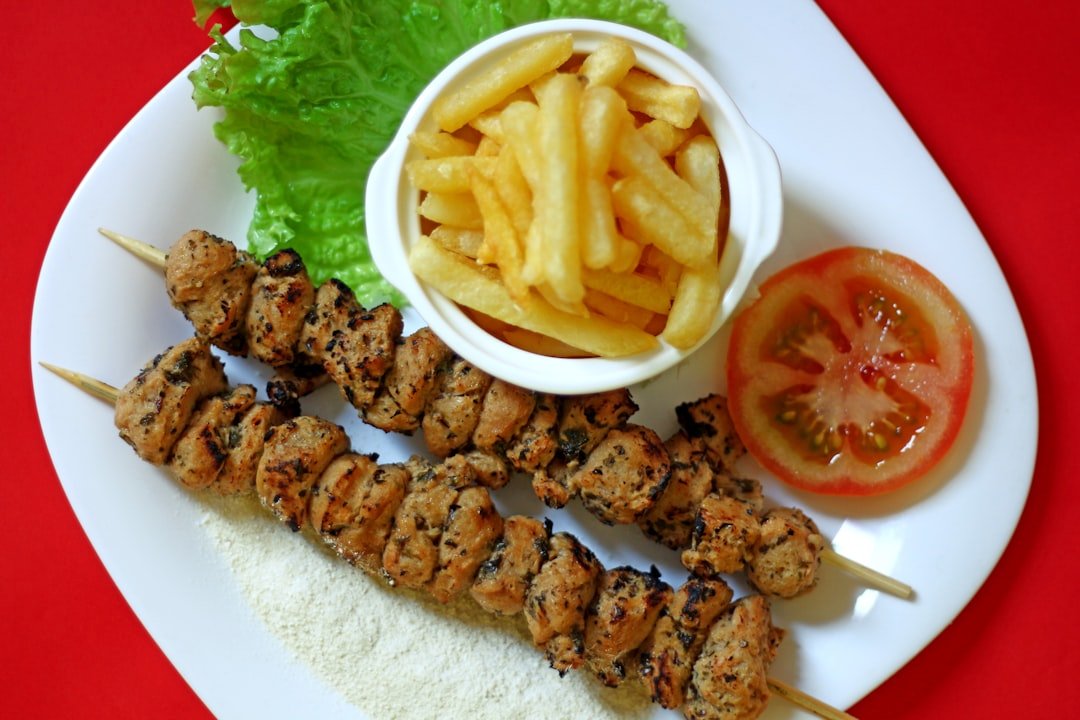
- Warm winter foods and drinks such as manti, soup, salep, boza, tea, and baked potatoes fit naturally into a cold-weather itinerary.
Istanbul Winter Weather: What to Expect From December to February
Istanbul winters are cool, damp, and changeable rather than consistently freezing. The official Meteorological Service statistics for Istanbul show average temperatures of 9.0°C in December, 6.8°C in January, and 6.9°C in February across the long-term measurement record.
| Month | Average temperature | Average high / low | Average rainy days | Average precipitation |
|---|---|---|---|---|
| December | 9.0°C | 11.8°C / 6.5°C | 15.5 | 99.2 mm |
| January | 6.8°C | 9.6°C / 4.2°C | 16.3 | 88.8 mm |
| February | 6.9°C | 10.2°C / 4.2°C | 13.9 | 70.7 mm |
Snow can happen, but it is not reliable enough to build a trip around. Wind near the Bosphorus and damp streets can make a modest temperature feel colder than the number suggests.
What to pack for Istanbul in winter
Layering works best because indoor spaces can feel much warmer than the street. Pack for rain first, then add enough warmth for windy mornings and evenings.
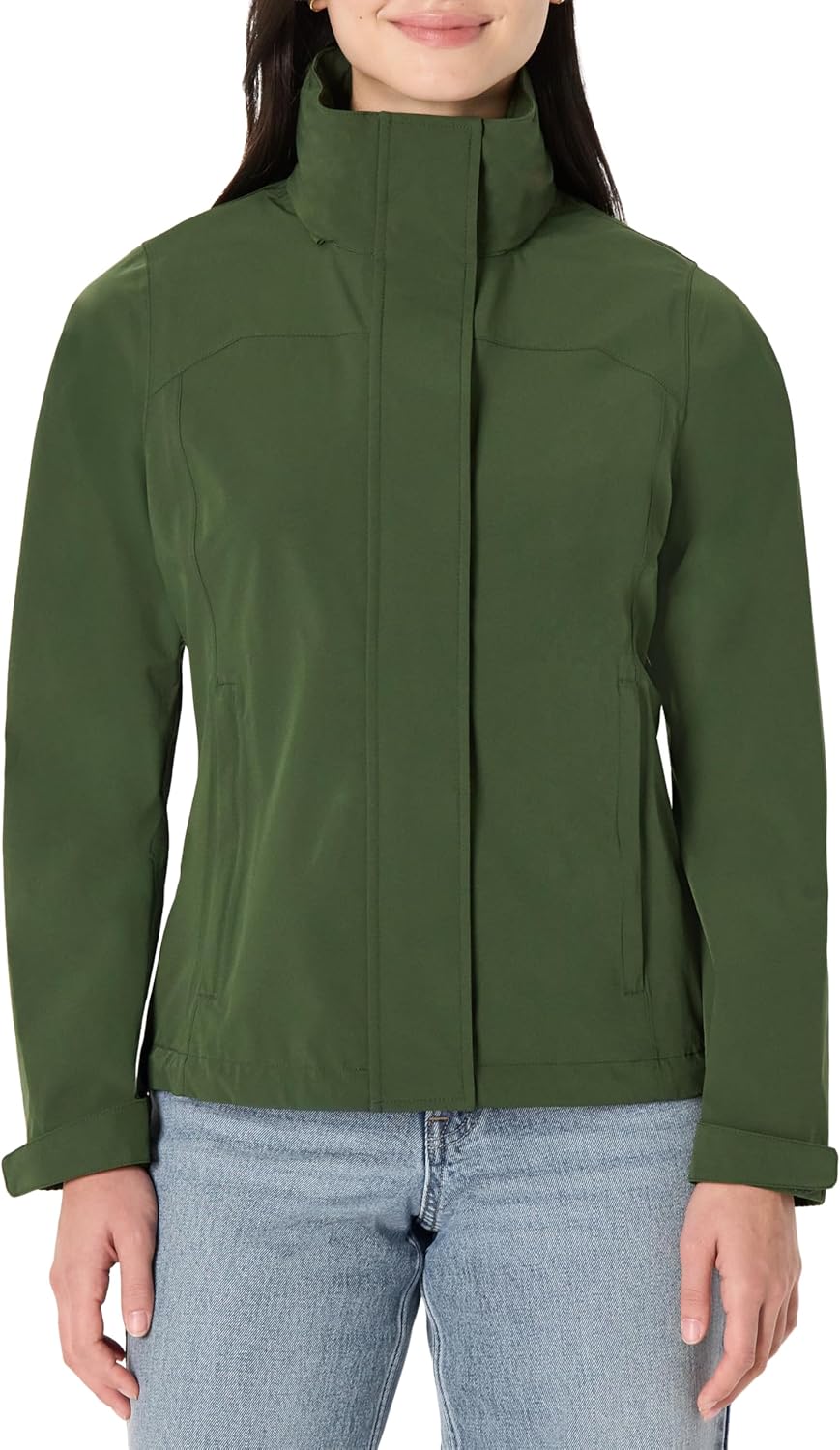
- A water-resistant or waterproof outer jacket
- A sweater, fleece, or other warm mid-layer
- Long-sleeve tops or thermal base layers
- Waterproof walking shoes or boots with good grip
- Warm socks, gloves, a scarf, and a hat
- A compact umbrella for calmer rainy periods
- A small power bank for navigation, tickets, and photography
- Modest clothing suitable for mosque visits
Check the forecast before leaving each morning, then group nearby sights together. This reduces long outdoor transfers if rain starts unexpectedly.
Winter Events and Festive Atmosphere in Istanbul
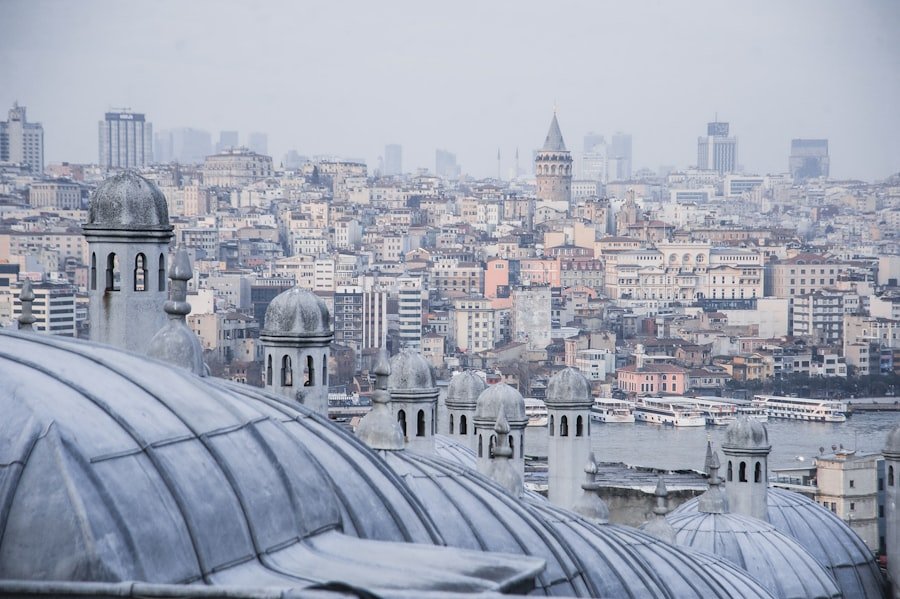
Winter events in Istanbul are spread across neighborhoods, performance halls, municipal venues, and private event spaces rather than centered on one fixed citywide “winter festival.” December 31 is the most predictable festive date, with restaurants, entertainment venues, and busy public areas drawing larger evening crowds.
Transport arrangements for New Year’s Eve can change from year to year. For the transition into 2026, the Istanbul Metropolitan Municipality announced extra bus, Metrobus, metro, tram, funicular, and ferry service. Treat that as a precedent, not a promise for the next New Year’s Eve, because the 2026–27 operating plan has to be announced separately.
One important correction for winter planning: the Istanbul International Film Festival is not normally a January event. Its 45th edition ran from April 9 to 19, 2026, so winter visitors should not count on it as a January attraction.
Seasonal markets, concerts, ice-skating events, and district festivals can still appear in December, January, and February. Their names, venues, and dates change, so build your itinerary around permanent attractions first and treat temporary events as bonuses.
Winter Foods and Drinks Worth Trying
Istanbul’s winter food scene is built for cold days. Hearty dumplings, baked potatoes, grilled meats, soups, tea, salep, and boza give you easy warm-up stops between sights.
| Dish Name | Main Ingredients | Flavor Profile |
|---|---|---|
| Iskender Kebab | Grilled lamb, pita bread, tomato sauce, yogurt | Savory, tangy |
| Manti | Small dumplings, ground beef or lamb, yogurt, garlic, mint | Savory, creamy |
| Kumpir | Baked potato, various toppings (cheese, vegetables, meats) | Rich, hearty |
| Lahmacun | Thin dough, minced meat, vegetables, herbs | Spicy, flavorful |
Kumpir is a large baked potato mixed with butter and cheese, then finished with toppings such as olives, pickles, vegetables, or meats. Ortaköy is especially associated with rows of kumpir sellers, making it an easy food stop on a Bosphorus-side walk.
Manti consists of small dumplings usually served with yogurt, garlic, and seasoned butter or sauce. For something quicker, simit is a sesame-crusted bread ring that pairs well with hot tea; it is savory rather than a dessert.
Salep is one of the most distinctive cold-weather drinks. It is served hot and creamy, often with cinnamon. Boza, a thick fermented grain drink, is another traditional winter choice.
Where to Stay in Istanbul in Winter
In winter, the best hotel location is the one that reduces cold, wet transfers. Sultanahmet works well for first-time visitors focused on major historic sights, while Karaköy, Galata, and Beyoğlu offer strong transport links, restaurants, cafés, and evening activity.
Before booking, check recent reviews for heating, hot water, window insulation, and whether the property sits on a steep street. Galata and parts of Beyoğlu are hilly, and wet cobblestones can make even a short walk tiring.
Sultanahmet is especially practical if you want to walk between Hagia Sophia, the Blue Mosque, the Basilica Cistern, Topkapi Palace, and the Archaeological Museums. Kadıköy is a good alternative if food, cafés, nightlife, and a more residential feel matter more than being next to the Historic Peninsula.
Best Indoor Attractions for Cold or Rainy Days
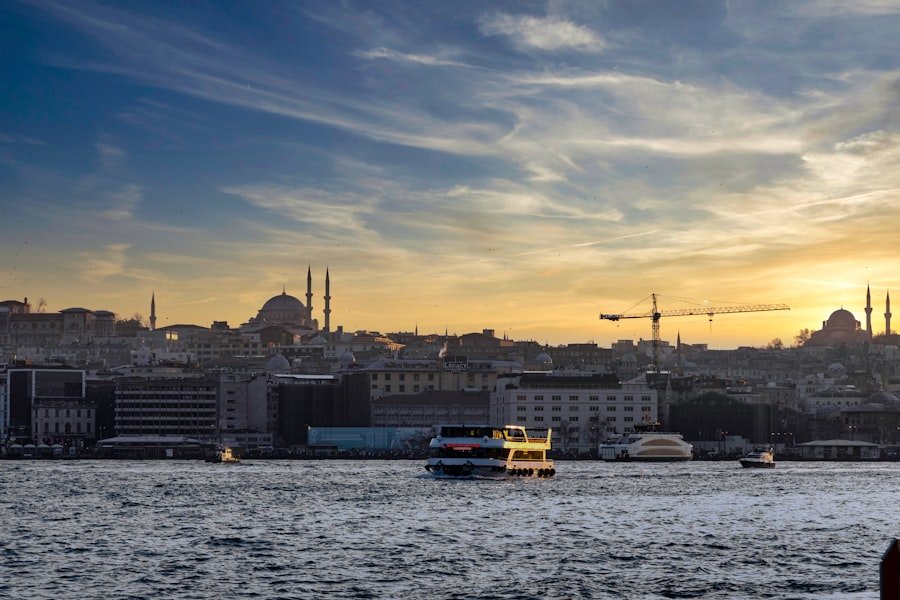
Istanbul has enough major indoor sights to turn a rainy day into a strong sightseeing day. Hagia Sophia, the Basilica Cistern, museums, palace interiors, covered bazaars, cafés, and hammams let you stay productive without spending hours in bad weather.
Hagia Sophia and Sultanahmet
Hagia Sophia remains one of the city’s essential landmarks, but remember that it functions as a mosque as well as a visitor attraction. Dress modestly, follow current visitor-routing rules, and avoid treating prayer periods like ordinary sightseeing time.
The nearby Basilica Cistern is fully indoors and works especially well when rain is heavy. Pairing it with one or two nearby sights keeps walking distances short.
Istanbul Archaeological Museums
The official Istanbul Archaeological Museums page lists opening hours of 09:00–18:30, with the ticket office closing at 17:30, as checked on October 1, 2026. The complex includes the Archaeology Museum, the Museum of the Ancient Orient, and the Tiled Kiosk, although individual galleries can close for restoration.
Istanbul Modern
Istanbul Modern is a strong choice for contemporary art and a weather break near Karaköy and Galataport. Its official visit page is the right source for the current exhibition calendar and daily access information.
Getting Around Istanbul in Winter
Istanbul’s metro, trams, buses, ferries, funiculars, and Marmaray rail line make it possible to move around the city without relying on taxis. In winter, rail and tram routes are especially useful because heavy rain can slow road traffic.
The official Istanbulkart fee page listed the standard Istanbulkart card at ₺165 on October 1, 2026. Fares vary by transport mode and route, so keep enough balance for transfers rather than assuming one flat fare covers every trip.
Use ferries when the weather allows
A short Bosphorus crossing can be one of the best winter experiences because many ferries have enclosed seating. The official Şehir Hatları Kadıköy–Karaköy–Eminönü timetable shows frequent service through much of the day, making this route useful for sightseeing as well as transport.
Strong wind, heavy rain, or snow can disrupt travel. When conditions deteriorate, allow extra time and favor metro, Marmaray, and tram connections over long surface journeys.
Best Places for Snowy Views
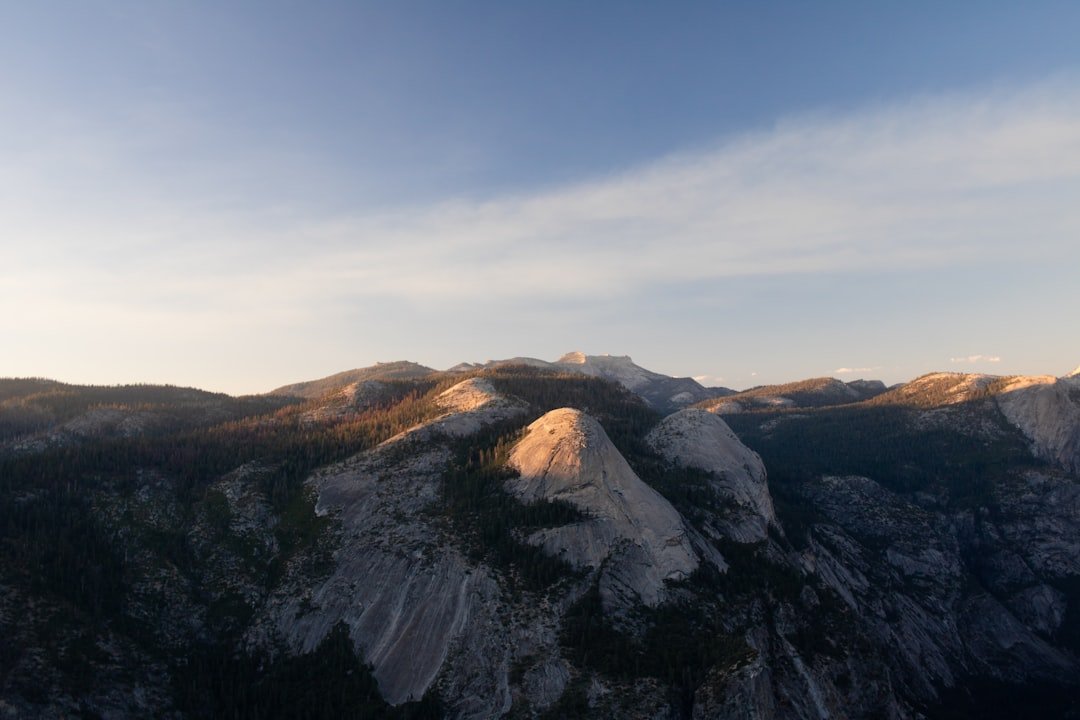
If snow falls, Istanbul’s hills, domes, minarets, and waterfront viewpoints become especially photogenic. Snow is not guaranteed, so choose places that are still worth visiting in ordinary winter weather.
Pierre Loti Hill in Eyüpsultan gives you a broad view over the Golden Horn. The TF2 Eyüp–Piyer Loti cable car runs between Eyüp and Piyer Loti, with the official line page listing service from 08:00 to 23:00.
Sultanahmet Square is another strong choice because the Blue Mosque and Hagia Sophia can be photographed together within a compact area. Gülhane Park offers a quieter scene with paths, mature trees, and easy access from the Historic Peninsula.
Pro Tip: If snow starts, photograph nearby historic areas first rather than crossing the city for a viewpoint. Snow can melt quickly, and transport may slow as conditions worsen.
Winter Culture and Local Etiquette
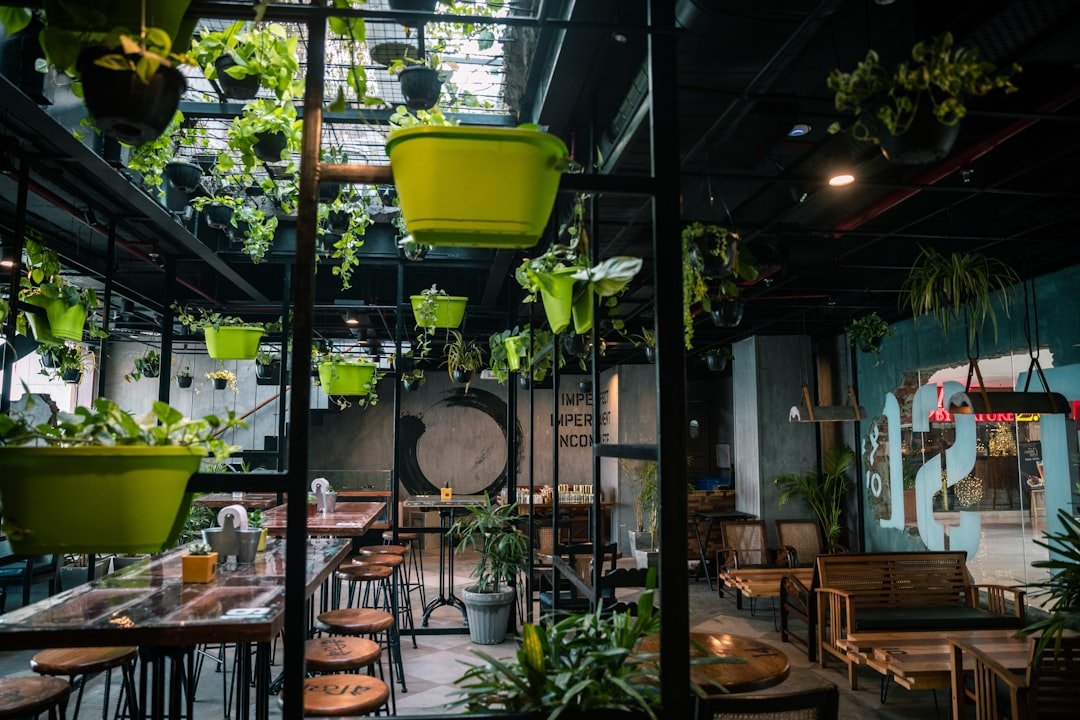
Winter in Istanbul is less about one formal seasonal tradition and more about everyday indoor culture. Tea houses, cafés, lokantas, meyhanes, hammams, bakeries, and neighborhood markets become natural places to warm up and slow down between sights.
At mosques, dress modestly, speak quietly, and follow posted visitor routes. Shoes are removed before entering carpeted prayer areas, and visitor access can pause around prayer times.
Temporary winter festivals and district events do take place, but they change from year to year. Rather than assuming there is one recurring “Kış Festivali” that runs through January and February, treat each named winter event as date-specific and venue-specific.
Staying Safe and Comfortable During an Istanbul Winter
Most winter travel problems in Istanbul are minor: wet feet, slippery paving, cold wind, and delays caused by bad weather. Good footwear and a flexible route solve more problems than carrying very heavy clothing.
- Use shoes with solid grip on wet cobblestones, polished stone, stairs, and steep streets.
- Carry water even when it is cold; travelers often drink less when they are not feeling hot.
- Keep your phone charged for maps, transport updates, and digital tickets.
- Give yourself extra travel time during heavy rain or snow.
- Use normal city awareness in crowded transport hubs and busy tourist areas.
Travel insurance can be useful for medical emergencies, cancellations, or other covered problems, especially on an international trip. Check the policy terms before departure so you know what is and is not covered.
Winter Nights, Entertainment, and Evening Plans
Istanbul stays active after dark in winter, but a good evening does not have to mean a long night out. Beyoğlu, Karaköy, Beşiktaş, and Kadıköy offer restaurants, bars, live music, cafés, dessert shops, and traditional meyhanes.
A meyhane meal often centers on shared meze and may include rakı, an anise-flavored spirit. If nightlife is not your priority, an evening ferry ride, a warm dinner, or a walk through illuminated Sultanahmet can be just as memorable.
Galata Tower is also popular near sunset and after dark in winter because daylight ends early. If you plan to enter rather than simply view the tower from the surrounding streets, confirm the day’s visitor hours before you go.
The simplest winter rhythm is often the best: one major sight in the morning, an indoor attraction in the wettest part of the day, a warm food stop, and a flexible evening. That approach gives you room to enjoy Istanbul instead of fighting the weather.
Frequently Asked Questions
What are the average winter temperatures in Istanbul?
Official Istanbul climate statistics show an average temperature of 9.0°C in December, 6.8°C in January, and 6.9°C in February. Average highs are roughly 9.6°C to 11.8°C across those three months, while average lows are about 4.2°C to 6.5°C.
What should I pack for a winter trip to Istanbul?
Pack a water-resistant coat, warm layers, waterproof walking shoes, warm socks, gloves, a scarf, and a hat. A compact umbrella and power bank are also useful because winter days are wet, daylight is limited, and you may use your phone often for directions and tickets.
What are popular winter activities in Istanbul?
Popular winter activities include visiting Hagia Sophia, the Blue Mosque, the Basilica Cistern, museums, covered bazaars, and hammams. On calmer days, add a Bosphorus ferry ride, Sultanahmet walk, Galata visit, or a viewpoint such as Pierre Loti Hill.
Are there cultural considerations for visiting Istanbul in winter?
The main cultural considerations are the same in winter as in other seasons. Dress modestly at mosques, follow posted visitor routes, remove your shoes where required, speak quietly in prayer spaces, and expect sightseeing access to pause around prayer times.
What transportation is best in Istanbul during winter?
Metro, Marmaray, trams, buses, and ferries are all useful in winter. Rail and tram services reduce exposure to road traffic, while ferries are excellent on calmer days; during heavy rain or snow, allow more time and expect some surface transport delays.
Does it snow in Istanbul in winter?
Yes, snow can fall in Istanbul during winter, but it is not guaranteed on any particular trip. Rain is much more dependable, so pack primarily for wet and windy conditions and treat snow as a possibility rather than an expectation.
Is the Istanbul Film Festival held in winter?
No, the Istanbul Film Festival is not a typical winter event. The 45th edition took place from April 9 to 19, 2026, so travelers visiting from December through February should plan around other cultural events instead.
For a separate food feature, see exploring the delightful world of Asian melon.
Sources
- Meteoroloji Genel Müdürlüğü: Istanbul temperature, rain-day, and precipitation statistics.
- Istanbul Metropolitan Municipality: transport arrangements used for New Year’s Eve entering 2026.
- Istanbul Film Festival: official festival timing and programme information.
- Istanbulkart: current card fees and limits.
- Şehir Hatları: Kadıköy–Karaköy–Eminönü ferry timetable.
- Metro Istanbul: TF2 Eyüp–Piyer Loti cable car hours and line information.
- Istanbul Archaeological Museums: current opening hours and museum-complex information.
- Istanbul Modern: current visitor information.
”’
print(“words approx”, len(re.findall(r”\b[\w’’-]+\b”, re.sub(“<[^>]+>”,” “,article_final))))
print(“imgs”, article_final.count(“
print(“existing internal exact present”, “exploring the delightful world of Asian melon