Hidden gems in Moda are easiest to find by slowing down. This seaside part of Kadıköy mixes historic streets, cafés, parks, art, and a long Marmara waterfront in a compact area. It suits visitors who want neighborhood Istanbul rather than a checklist of major monuments.
Quick Answer
Start with restored Moda Pier, then walk the Marmara waterfront and continue toward Yoğurtçu Park. For culture, add Barış Manço House in Moda and Süreyya Opera House near Bahariye. The T3 heritage tram is a practical way to connect central Kadıköy and Moda when you do not want to walk the full route.
Last checked: October 1, 2026. Dates and figures were verified against official sources.
Key Takeaways
- Moda Pier is both a restored waterfront landmark and a public transport and cultural space.
- Barış Manço House gives you one of Moda’s clearest links to modern Turkish cultural history.
- The T3 Kadıköy–Moda tram covers a 2.6 km loop with 11 stations and a journey time of about 20 minutes.
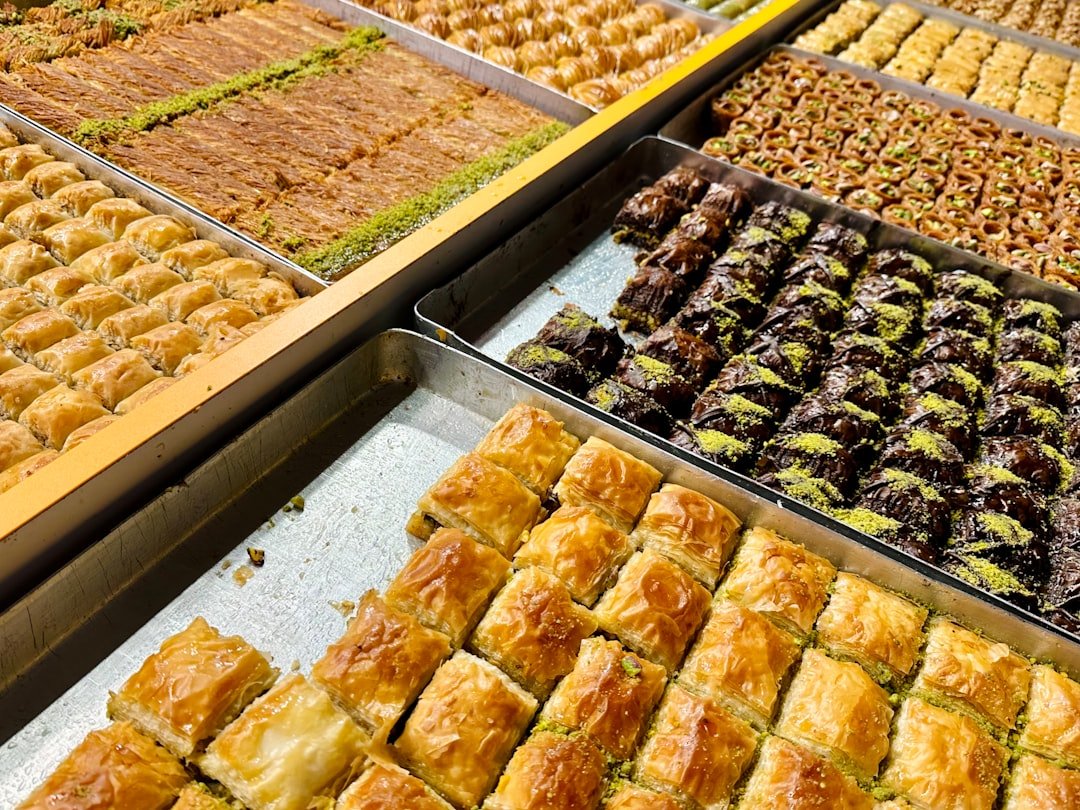
- Karaköy Güllüoğlu is a famous baklava stop, but it is in Karaköy on the European side, not in Moda.
Historical Landmarks and Hidden Gems in Moda
Moda’s historical interest comes from its waterfront, older residential streets, cultural institutions, and links with wider Kadıköy. The restored Moda Pier is one of the strongest starting points. Moda Mosque is much newer than some guides suggest, while Haydarpaşa Station is best treated as a separate nearby detour.
The neighborhood’s name, derived from the Persian word “muda,” meaning “to be in a state of bliss,” has long been used to explain the relaxed atmosphere associated with the area. As you walk through Moda, older buildings sit beside contemporary cafés, shops, and public spaces.
Moda Pier
Moda Pier is one of the neighborhood’s most distinctive waterfront landmarks. According to Istanbul Metropolitan Municipality’s Moda Pier restoration record, the pier was designed by architect Vedat Tek in 1916–1917 and was restored before reopening in 2022.
The restored building combines its transport role with public uses. The lower level includes waiting, work, café, and performance areas, while the upper level has a library. Even if you are not boarding a ferry, the pier is worth seeing for its architecture and views across the Sea of Marmara.
Moda Mosque
Moda Mosque is a local religious landmark, but the original description of it as a 19th-century building is inaccurate. Digital Istanbul’s Moda Mosque record dates the present building to 1962 and describes it as a reinforced-concrete mosque with a single minaret.
This makes the mosque part of Moda’s more recent architectural story rather than an Ottoman-era monument. It is also known as Gülbahçesi Mosque.
Haydarpaşa Train Station
Haydarpaşa Train Station is an important Istanbul landmark, but it is outside Moda’s immediate walking core. The monumental station building dates to the early 20th century and remains under restoration.
A September 2026 restoration update reported that the first phase is targeted for completion in 2027 following additional structural and archaeological work. Do not plan on using the historic station building as a normal passenger stop while that work continues.
Moda Deniz Kulübü, or Moda Sea Club, is another long-standing name associated with the waterfront and the neighborhood’s social and recreational history.
Off-the-Beaten-Path Cafes and Restaurants
Moda’s café culture is one of the main reasons to wander without a rigid route. Tea houses, coffee shops, bakeries, and casual restaurants fill Moda Caddesi and the surrounding side streets. Individual venues can change quickly, so it helps to understand which places are actually in Moda before planning your food stops.
Çaycı
One such establishment is “Çaycı,” a quaint tea house described as being tucked away on a quiet street. It specializes in traditional Turkish tea served in tulip-shaped glasses.
The cozy setting is suited to a break after exploring the neighborhood, with homemade pastries and snacks accompanying the tea. Because a current official listing for this specific venue could not be confirmed, verify its present location and opening status locally before making a special trip.
Karaköy Güllüoğlu Is Not in Moda
Karaköy Güllüoğlu is a famous choice for baklava, but it should not be presented as a Moda restaurant. Its official store address is Kemankeş Caddesi No. 67 in Karaköy-Beyoğlu, on Istanbul’s European side.
If you want its traditional baklava, make it a separate Karaköy stop rather than part of a Moda walking route. In Moda itself, you will find plenty of opportunities for Turkish tea, coffee, pastries, simit, and full meals without crossing the Bosphorus.
Artisanal Shops and Boutiques
Shopping in Moda works best when you explore the smaller streets rather than looking only for major retail names. Independent boutiques, design shops, booksellers, and small creative businesses add variety to the neighborhood. Stock and tenants change, so the pleasure is often in browsing rather than chasing one exact item.
Moda Tasarım
“Moda Tasarım” has been described as a boutique featuring handmade jewelry by local artisans. Its pieces include delicate necklaces and larger statement designs inspired by Istanbul’s visual culture.
A current official listing for this specific boutique could not be confirmed, so verify its present location before relying on it as a dedicated shopping stop. The broader idea still fits Moda well: side streets are the best places to look for small-scale design and handmade goods.
Mudo Concept
Mudo Concept offers home décor, furnishings, textiles, and fashion with contemporary Turkish influences. It is a well-known retail brand rather than the same kind of small independent artisan shop as the boutiques scattered through Moda.
If your priority is one-of-a-kind work, spend more time browsing independent storefronts and studios. Larger retailers can still be useful for seeing how modern Turkish design appears in mainstream interiors and clothing.
Scenic Views and Parks in Moda
Moda’s coast is one of the neighborhood’s biggest attractions. The waterfront gives you broad Marmara views, grassy areas, walking routes, and places to sit without buying anything. It is especially pleasant in the late afternoon, when locals gather along the shore and the light softens over the water.
Moda Coastal Park and Waterfront
Moda Coastal Park stretches along the shoreline and works well for a slow walk, a picnic, or a break between other stops. Benches and open grassy areas face the Sea of Marmara, with views toward Istanbul’s European side in clear weather.
The waterfront feels different from the denser commercial streets around central Kadıköy. That contrast is part of Moda’s appeal: within a short distance, you can move from busy cafés and shops to open sea views and quieter green space.
Yoğurtçu Park
For a larger green space, continue toward nearby Yoğurtçu Park. Kadıköy Municipality’s park update describes a 26,000-square-metre site with walking and running areas, a cycle path, playgrounds, sports facilities, bicycle parking, a pet area, and a café.
The park is useful if you are traveling with children, want a longer walk, or simply need a break from the busier streets. It also connects naturally with a wider walk through Kadıköy rather than feeling like an isolated attraction.
Local Events and Festivals
Moda’s cultural life is active, but event names and schedules are less permanent than its landmarks. Street events, concerts, performances, and workshops can appear throughout Kadıköy. If an event is the main reason for your visit, use a dated announcement for that specific year rather than assuming an older festival description still applies.
Moda Street Festival: A Celebration of Local Talent
One event associated with the neighborhood is the annual “Moda Street Festival,” described as taking place in late spring. The event transforms local streets into a marketplace with handmade crafts, artisanal food, and live music performances.
Because a current official 2026 edition could not be confirmed during research, check for a dated municipal or organizer announcement before planning a trip specifically around this festival.
Istanbul Design Week and Creative Events
“Istanbul Design Week” has also been associated with exhibitions, workshops, and creative programming in and around Kadıköy. Such events can include work by local artists and designers, workshops, and talks.
However, a recurring Moda-specific edition should not be assumed from older listings. Treat the name as part of Istanbul’s broader design-event history and use current venue calendars for confirmed programs.
Permanent Venues Are More Reliable for Planning
For a cultural stop you can build a route around, permanent venues are more dependable than an undated street-festival listing. Süreyya Opera House, Barış Manço House, and cultural spaces elsewhere in Kadıköy give you fixed locations whose current programs or visitor information can be checked before you go.
Hidden Historical and Cultural Sites
Moda’s cultural side goes beyond the waterfront. Music history, performing arts, antiques, and early-20th-century architecture are all within Moda or nearby central Kadıköy. The best choices depend on whether you want a museum visit, a performance venue, or unstructured browsing through older objects and shops.
Barış Manço House
Barış Manço House is one of the most distinctive cultural attractions actually inside Moda. The former home of the celebrated Turkish musician and television personality became a museum, giving visitors a more personal look at his life, work, instruments, stage clothing, and possessions.
According to the official Barış Manço House visitor information, the museum is open Tuesday through Sunday from 09:00 to 16:00. The last online ticket sale and ticketed entry are at 15:30. It is closed on Mondays, official holidays, and religious holidays.
As of October 1, 2026, admission is 82 TL for adults and 49 TL for students. Tickets are sold online rather than at a physical box office, and Museum Pass is not valid.
Süreyya Opera House
Süreyya Opera House is in central Kadıköy, close enough to pair with a Moda visit. Its official history traces the building to Süreyya İlmen Pasha and its 1927 opening.
The building was intended for musical theatre but spent much of its history operating as a cinema. After restoration in 2006–2007, it reopened as an opera and performing-arts venue. Its ornate interior makes it worth considering even if your main interest is the architecture rather than a specific performance.
Kadıköy Antique Market
The “Kadıköy Antique Market,” a short distance from Moda’s main streets, is described as a destination for vintage furniture, collectibles, and objects from different eras. Antique browsing also fits naturally with the older commercial streets of central Kadıköy.
Because vendors and market arrangements can change, treat this as part of a broader central-Kadıköy browsing route rather than relying on one fixed stall. It is a useful extension after exploring Moda’s more residential streets.
How to Get to Moda and Move Around
Most visitors reach Moda through central Kadıköy and then continue on foot or by tram. Kadıköy itself has extensive ferry, metro, bus, and taxi connections. Once there, the neighborhood is compact enough that walking remains the best way to notice its side streets, parks, and small businesses.
Use the T3 Kadıköy–Moda Tram
The heritage-style T3 tram is useful when you want to reduce walking while staying above ground. According to Metro Istanbul’s T3 line information, the circular route is 2.6 km long, has 11 stations, and takes about 20 minutes from end to end.
The listed operating hours are 07:00 to 21:00, with a service frequency of about 10 minutes. Because the tram loops through Kadıköy and Moda, it can be combined easily with a waterfront walk rather than used for the whole visit.
Walking, Cycling, Ferries, Buses, and Taxis
Walking gives you the most flexibility once you are in Moda. Cycling is another practical choice along appropriate waterfront stretches, while buses and taxis are useful when you are carrying luggage or traveling farther across Kadıköy.
Moda Pier has had its transport function restored, but ferry patterns can change by timetable. If your route depends on a particular sailing, check the current city ferry schedule before departure rather than assuming every service stops at Moda.
Insider Tips for Exploring Moda
The best way to explore Moda is to combine a few fixed landmarks with time for unplanned wandering. The neighborhood rewards short detours more than a tightly packed sightseeing schedule. Use the pier, coast, parks, and cultural venues as anchors, then fill the gaps with cafés, shops, and residential streets.
- Start from central Kadıköy. This gives you easy access to the T3 tram and lets you approach Moda gradually on foot.
- Save the waterfront for late afternoon. The softer light and local evening activity make it a pleasant time for a coastal walk.
- Leave room for side streets. Small cafés, bookshops, boutiques, and older houses are easy to miss if you follow only major roads.
- Separate Moda from nearby districts. Haydarpaşa, Süreyya Opera House, and central Kadıköy are useful additions, but they are not all inside Moda proper.
- Try simple local food as you go. Simit, Turkish tea, pastries, and casual meals suit a day built around walking rather than one long restaurant stop.
Moda combines waterfront scenery, neighborhood life, architecture, parks, and culture without requiring a long list of major attractions. A route built around Moda Pier, the coast, Barış Manço House, and a few unplanned stops gives you a fuller sense of the area than rushing between isolated landmarks.
Frequently Asked Questions
What is Moda?
Moda is a seaside area of Kadıköy on Istanbul’s Asian side. It is known for its Marmara waterfront, residential streets, cafés, parks, cultural venues, and easy connection to central Kadıköy. It feels more neighborhood-like than Istanbul’s major monument districts, which is part of its appeal.
What are the hidden gems in Moda?
Good hidden gems in Moda include the restored Moda Pier, the waterfront paths, Barış Manço House, quieter side streets off Moda Caddesi, and nearby Yoğurtçu Park. Süreyya Opera House is also an excellent cultural stop just outside the core Moda waterfront area.
What are some popular activities in Moda?
Popular activities in Moda include walking the waterfront, riding the T3 heritage tram, exploring side streets, stopping for tea or coffee, visiting Barış Manço House, and watching the sunset over the Sea of Marmara. You can also continue into central Kadıköy for markets, antiques, and evening dining.
Is Moda safe for tourists?
Moda is generally considered safe for tourists, but standard city precautions still apply. Keep valuables secure in crowded areas, watch traffic when crossing streets, and stay aware of your surroundings after dark. As elsewhere in Istanbul, conditions can vary by street and time of day, so use normal urban common sense.
How can I get to Moda?
The simplest route is to reach Kadıköy by ferry, metro, bus, or another city connection, then walk south or take the T3 Kadıköy–Moda heritage tram. The tram loops through central Kadıköy and Moda, making it useful for visitors who want to reduce walking.
Is Moda Pier still in use?
Yes. Moda Pier was restored and reopened with its transport function, along with public cultural uses including a café, work area, performance space, and upper-floor library. Ferry patterns can change with seasonal timetables, so treat the pier as both a landmark and a working transport point.
Is Barış Manço House open every day?
No. As of October 1, 2026, Barış Manço House is closed on Mondays, official holidays, and religious holidays. On regular opening days, it operates from 09:00 to 16:00, with the last online ticket sale and ticketed entry at 15:30.
If you’re looking for more hidden gems in the culinary world, you might want to check out this article on Delicious Homemade Cottage Cheese: A Simple and Healthy Recipe. Just like Moda, cottage cheese is a versatile ingredient that can be used in a variety of dishes. It’s always exciting to explore new flavors and recipes, so why not give it a try?
Sources
- Istanbul Metropolitan Municipality — Moda Pier: pier history, restoration, and public uses.
- Digital Istanbul — Moda Mosque: construction date and architectural details.
- TRT Haber — Haydarpaşa restoration: September 2026 restoration status and 2027 first-phase target.
- Karaköy Güllüoğlu: official Karaköy store location.
- Kadıköy Municipality — Yoğurtçu Park: park size and facilities.
- Barış Manço House: opening hours, ticketing, prices, and closure days.
- Süreyya Opera House: venue history and restoration.
- Metro Istanbul — T3 Kadıköy–Moda Tram: route length, stations, journey time, hours, and frequency.