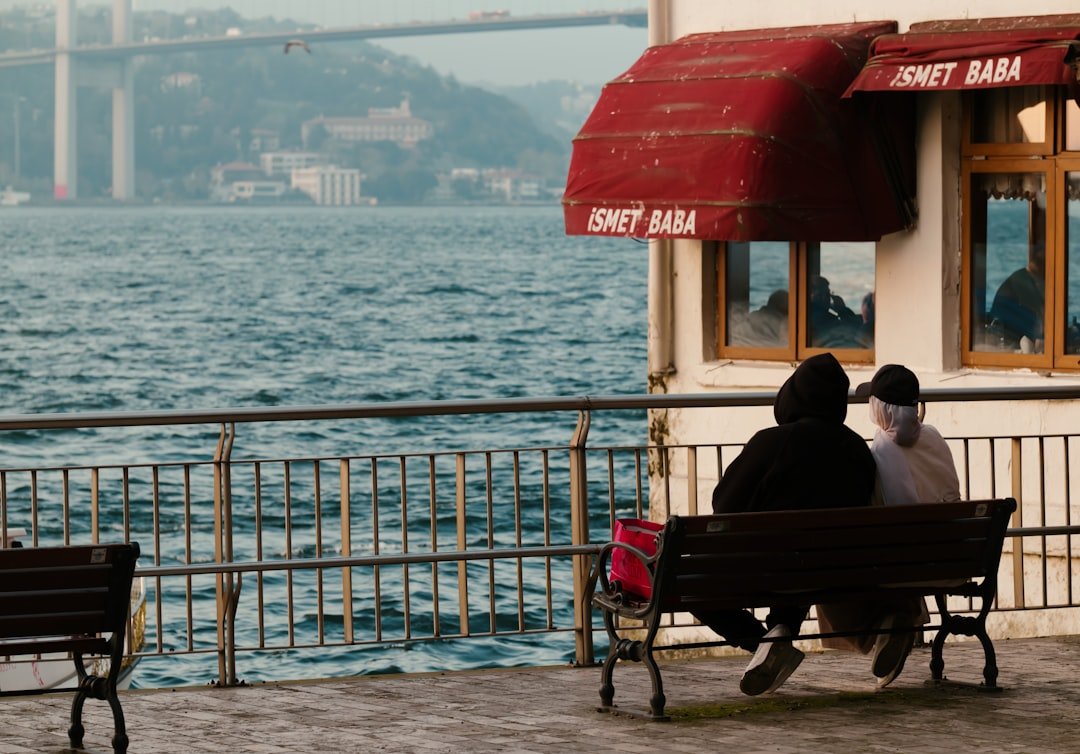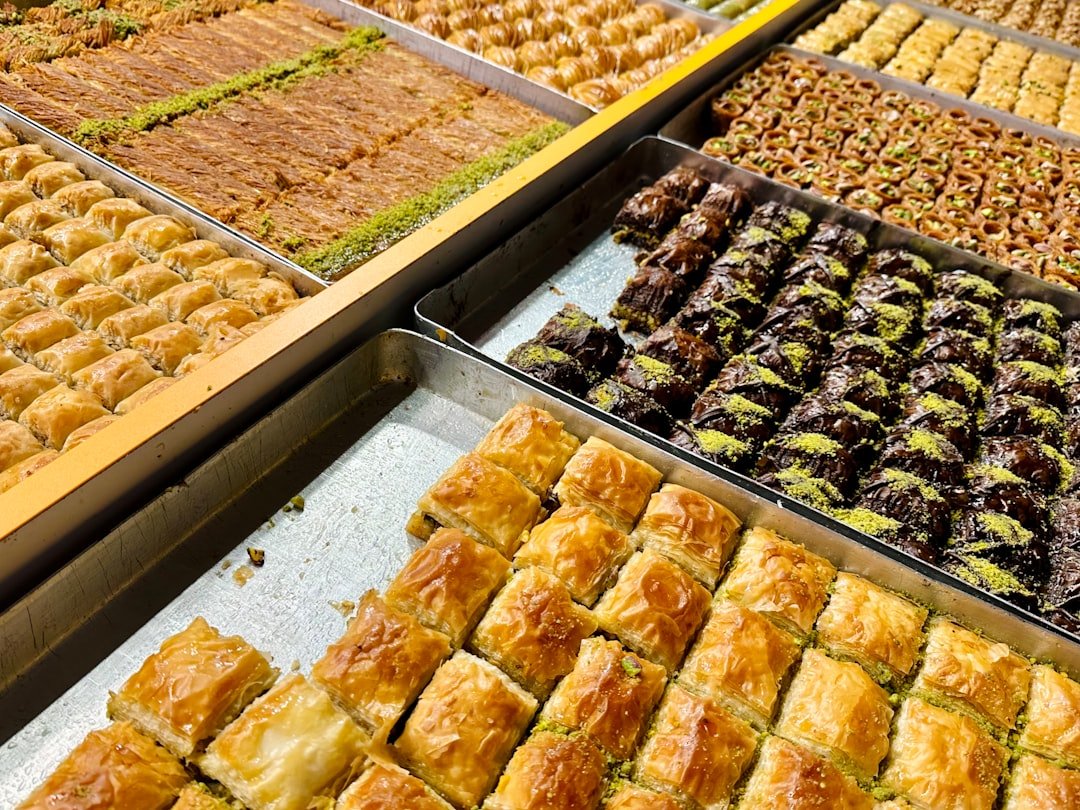
Baklava is one of Istanbul’s essential food experiences. The pastry combines delicate sheets of filo dough, butter, finely chopped nuts, and sweet syrup. You can enjoy it at a busy counter in Karaköy, in a historic confectionery near the Spice Bazaar, or from a carefully packed gift box taken home after your trip.
Quick Answer
For a first baklava tasting in Istanbul, start with pistachio baklava at Karaköy Güllüoğlu or visit a central Hafız Mustafa 1864 branch for a sit-down dessert. Compare classic pistachio baklava with walnut baklava or dry baklava, and pair small pieces with unsweetened Turkish tea or coffee.
Key Takeaways
- Karaköy Güllüoğlu is a strong first stop for a focused baklava tasting, while Hafız Mustafa offers many central branches and a broader dessert menu.
- “Antep Baklavası” and “Gaziantep Baklavası” are protected geographic names for qualifying baklava produced in Gaziantep Province.
- Protected Gaziantep baklava uses sugar syrup rather than honey. Its fresh version includes semolina cream, while dry baklava does not.
- Good baklava should have distinct pastry layers, a clean butter-and-nut aroma, a golden surface, and enough syrup to sweeten the pastry without turning it into a wet mass.
- For homemade baklava, keep the filo covered, butter the layers evenly, cut before baking, and use cooled syrup on the hot pastry.
A Brief History of Baklava in Istanbul
The exact origin of baklava remains disputed. Thin dough, nuts, butter, and sweet syrups have been used across the eastern Mediterranean, Anatolia, the Balkans, the Caucasus, and the Middle East for centuries. It is therefore more accurate to describe baklava as a regional pastry tradition than to assign its entire history to one modern country.
By the Ottoman period, baklava had an established place in Istanbul’s palace cuisine. Palace cooks and pastry specialists refined the difficult skill of rolling dough into extremely thin sheets and assembling large trays with even layers.
Baklava also became part of Ottoman public ceremony. During the Ramadan tradition known as the baklava alayı, or baklava procession, trays prepared at the palace were distributed to soldiers. Historical accounts describe one tray for every ten soldiers, followed by a procession through Istanbul.
Baklava in Istanbul is not only a dessert. It connects palace craftsmanship, Ramadan traditions, neighborhood bakeries, and Gaziantep’s celebrated pistachio culture.
Where to Eat Baklava in Istanbul
Taste is personal, so no shop can be the single best choice for every visitor. The following established businesses are useful starting points because they offer different locations and dining experiences.
| Shop | Area and experience | Good first order |
|---|---|---|
| Karaköy Güllüoğlu | A busy, specialist counter in Karaköy. Its official history traces the Istanbul operation to 1949. The company identifies this as its single Karaköy shop, separate from other businesses using similar family names. | Classic pistachio baklava, dry pistachio baklava, or a mixed plate. |
| Hafız Mustafa 1864 | A historic confectionery with central branches in areas such as Bahçekapı, Sirkeci, Pera, Taksim, and Üsküdar. It suits visitors who want table service, tea or coffee, and a wider choice of Turkish sweets. | Pistachio baklava followed by a small milk dessert or Turkish coffee. |
| Köşkeroğlu | A Gaziantep-rooted business whose official history places its first Istanbul branch in 1986. Its Karaköy-area presence makes it practical to compare with another nearby specialist. | Pistachio baklava or a larger carrot-shaped havuç dilimi slice to share. |
| Bilgeoğlu | A long-running Kadıköy option often associated with family-run, Gaziantep-style production. It is convenient for visitors spending time on Istanbul’s Asian side. | A small mixed box of pistachio and walnut pieces. |
Note: Branches, opening hours, and product availability can change during Ramadan, public holidays, and renovations. Use each shop’s official branch page on the day of your visit rather than relying on an old travel listing.
How to Recognize Good Baklava
A high price or famous name does not automatically guarantee that every tray will suit your taste. Look for a few practical signs before ordering a large box:
- Defined layers: The upper pastry should show separate, thin sheets rather than one compressed crust.
- Fresh aroma: You should notice butter and roasted nuts, not stale oil.
- Balanced texture: The top should be crisp or semi-crisp, while the lower layers hold syrup without becoming shapeless.
- Natural nut color: Pistachio baklava should show a deep green interior. An unnaturally bright surface is not a sign of better quality.
- Clean finish: The syrup should sweeten the pastry without completely covering the flavor of the butter and nuts.
Pro Tip: Order two or three individual pieces before buying a large box. Compare a standard pistachio piece, a dry piece, and either walnut baklava or a larger specialty slice.
Gaziantep Baklava and Protected Status
The names Antep Baklavası and Gaziantep Baklavası have Protected Geographical Indication status in the European Union. The name is also registered in the United Kingdom’s protected-food register.
The official specification ties production to Gaziantep Province. It describes a pastry made with thin dough, Antep pistachios, plain butter, and sugar syrup. The normal or fresh version includes a milk-and-semolina cream. The dry version, called kuru baklava, does not contain that cream.
This means that excellent pistachio baklava can be made and sold in Istanbul, but not every tray sold in Istanbul is legally the protected Gaziantep product. “Gaziantep-style” is a useful description of technique or influence, while the protected name has a narrower geographic meaning.
Note: The protected specification uses sugar syrup and states that honey should not be used. Other baklava traditions outside Gaziantep may use honey, floral water, different nuts, or different spices.
Traditional and Modern Baklava Types
Pistachio Baklava
Pistachio baklava is the classic choice for visitors who associate Turkish baklava with Gaziantep. It usually has finely chopped green pistachios between buttered filo layers and sugar syrup added after baking.
Walnut Baklava
Walnut baklava has a deeper, slightly earthy nut flavor. It is common across Türkiye and can be a good choice when you want less emphasis on the sweet, rich flavor of pistachios.
Dry Baklava
Dry baklava does not simply mean “less syrup.” Under the protected Gaziantep specification, its defining difference is the absence of semolina cream. It is often chosen for gift boxes because it is easier to package than cream-containing varieties.
Havuç Dilimi
Havuç dilimi, or carrot slice, is a long triangular portion cut from a round tray. The name describes its shape, not its ingredients. The pieces are large, so one slice is often enough for two people after a meal.
Şöbiyet and Sütlü Nuriye
Şöbiyet is a related layered pastry that commonly contains pistachios and a creamy semolina filling. Sütlü nuriye is another related dessert made with a milk-based syrup and often hazelnuts. Both are worth tasting, but they should not be treated as identical to classic pistachio baklava.
Chocolate and Other Newer Variations
Some shops add chocolate, cocoa, fruit, or other modern fillings. These can be enjoyable, but a first-time visitor should taste a plain pistachio or walnut piece first. It gives you a better reference for judging the filo, butter, nuts, and syrup.
How to Make Baklava at Home
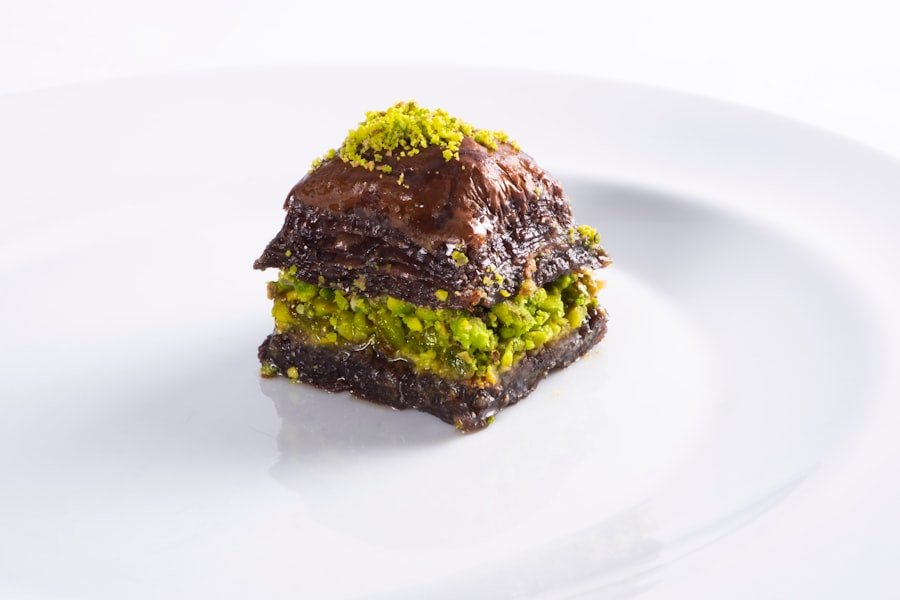
This home recipe is simpler than traditional Gaziantep production, which requires specialist dough-rolling skills. Packaged filo makes the process practical while still producing crisp layers and a rich nut filling.
At a Glance
| Time Required | About 30 minutes of preparation, 45–55 minutes of baking, plus at least 4 hours of resting |
| Difficulty | Moderate |
| Tools Needed | 23 × 33 cm or 9 × 13-inch baking pan, pastry brush, saucepan, sharp knife, and clean kitchen towel |
| Cost | Moderate with walnuts; higher with pistachios |
Ingredients
- 450 g or 1 pound frozen filo pastry, thawed according to the package instructions
- 225 g or 1 cup unsalted butter, melted
- 225 g or about 2 cups finely chopped unsalted pistachios, walnuts, or a mixture
- 1 tablespoon sugar for the nut filling
- 1/2 teaspoon ground cinnamon, optional
For the syrup:
- 300 g or 1 1/2 cups granulated sugar
- 240 ml or 1 cup water
- 1 tablespoon lemon juice
Instructions
- Make the syrup first. Put the sugar, water, and lemon juice in a saucepan. Bring to a gentle boil, reduce the heat, and simmer for about 8–10 minutes. Remove it from the heat and let it cool.
- Prepare the filling. Mix the chopped nuts with one tablespoon of sugar and the optional cinnamon.
- Heat the oven. Set the oven to 175°C or 350°F. Brush the inside of the baking pan with melted butter.
- Protect the filo. Unroll the sheets and keep them under a clean, slightly damp kitchen towel while you work. Filo dries and cracks quickly when exposed to air.
- Build the lower layers. Place one filo sheet in the pan and brush it lightly with butter. Repeat with about eight sheets.
- Add nuts and more layers. Spread a thin layer of nuts over the pastry. Add two or three more buttered filo sheets, then more nuts. Continue until the nuts are used.
- Finish the top. Add about eight buttered filo sheets to form the top crust. Brush the final sheet with butter.
- Cut before baking. Use a sharp knife to cut the tray into diamonds, squares, or rectangles. Cut through all the layers.
- Bake. Bake for approximately 45–55 minutes, or until the top is evenly deep golden. If the top browns too quickly, place a loose sheet of foil over the pan.
- Add the syrup. Remove the hot baklava from the oven and slowly pour the cooled syrup along the cut lines and around the edges.
- Rest before serving. Leave the tray uncovered at room temperature for at least four hours so the syrup can settle while the upper layers remain crisp.
Pro Tip: For this method, the pastry should be hot and the syrup cool. Pouring very hot syrup over very hot pastry can soften the upper filo layers too quickly.
Common Baklava Problems
- The filo tears: Small tears are harmless because the sheets overlap. Keep unused sheets covered and work steadily.
- The top is pale: Continue baking until it is evenly golden. Underbaked filo can taste floury and become soft after syrup is added.
- The bottom is soggy: Use only the stated syrup amount, bake the pastry thoroughly, and do not cover the hot tray.
- The nuts fall out: Chop them more finely and place enough filo above the final nut layer.
- The pieces break during cutting: Cut the entire tray before baking and retrace the cuts gently after the syrup has settled.
How to Eat Baklava
Baklava is rich, so begin with one or two small pieces. Eat it slowly enough to notice the crisp upper pastry, soft syrup-soaked lower layers, butter, and nuts.
Unsweetened Turkish tea is the easiest pairing because it refreshes your palate without adding more sugar. Strong Turkish coffee also works well. Some shops serve larger slices with a small portion of kaymak, a rich clotted cream, but this makes an already rich dessert heavier.
For a tasting, try the least strongly flavored piece first. A practical order is walnut baklava, standard pistachio baklava, dry pistachio baklava, and then chocolate or cream-filled pastries.
Buying Baklava as a Gift
Most established shops sell baklava by weight and can prepare boxes for travel. Tell the staff how long the journey will take and whether the box will be carried on a flight. They can recommend a suitable variety and package size.
- Ask for a firm box that keeps the pieces in a single layer when possible.
- Keep the box flat and protect it from heavy luggage.
- Dry baklava is usually easier to transport because it does not contain semolina cream.
- Follow the date and storage instructions printed by the shop.
- Check your destination’s customs and food-entry rules before flying internationally.
Avoid moving the pieces into another container before travel. The original box is normally designed to limit movement and syrup leakage.
Health and Allergy Notes
Baklava is high in sugar and fat, so it is best treated as a rich dessert rather than an everyday snack. Nuts provide some fiber and unsaturated fats, but they do not remove the effects of the butter and syrup.
Warning: Baklava normally contains wheat, milk, and tree nuts. Some doughs or shop recipes may also contain eggs, and cross-contact between pistachios, walnuts, hazelnuts, and other nuts is common. Ask the shop directly if you have a serious food allergy.
Some baklava traditions use honey. The CDC advises that honey must not be given to children younger than 12 months because it can cause infant botulism. This includes foods made with honey.
Baklava Festivals and Seasonal Events
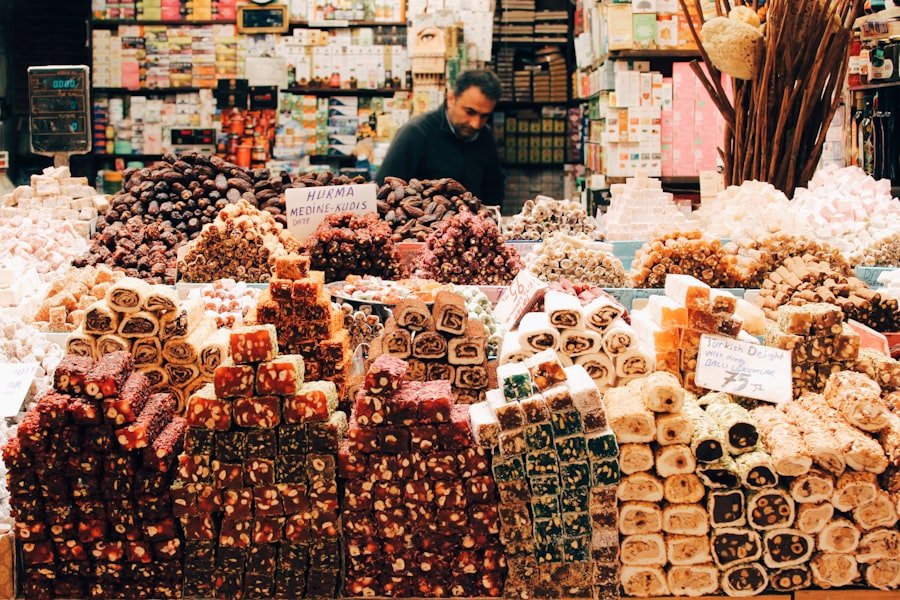
Baklava has a strong connection with Ramadan and Eid al-Fitr. Istanbul confectioneries commonly prepare holiday boxes and increase production during this period, so popular shops can be especially busy before iftar and during the holiday.
For a larger food-focused trip, Gaziantep has been a UNESCO Creative City of Gastronomy since 2015. The city’s GastroANTEP program combines regional food, chefs, workshops, competitions, performances, and cultural events.
As of July 23, 2026, Hasan Kalyoncu University has announced that the GastroANTEP Local Chef International Culinary Competition’s university category will take place on October 9–11, 2026. The complete visitor schedule, venues, and public activities should be confirmed through the official GastroANTEP website.
Frequently Asked Questions
What is baklava?
Baklava is a layered pastry made with thin sheets of dough, butter or another fat, chopped nuts, and sweet syrup. Ingredients and methods vary across Türkiye, Greece, the Balkans, the Caucasus, the Middle East, and nearby regions.
Where can I find good baklava in Istanbul?
Karaköy Güllüoğlu is a practical first choice for a specialist tasting. Hafız Mustafa 1864 has many central branches and suits visitors who want table service and other Turkish desserts. Köşkeroğlu offers another Gaziantep-rooted option, while Bilgeoğlu is convenient in Kadıköy.
Which baklava should a first-time visitor order?
Begin with one standard pistachio piece. Then compare it with walnut baklava or dry pistachio baklava. Order individual pieces before buying a large box because sweetness, butter level, and syrup texture vary between shops.
Is all pistachio baklava Gaziantep baklava?
No. Pistachio baklava can be made anywhere. The protected names “Antep Baklavası” and “Gaziantep Baklavası” apply to qualifying products made within Gaziantep Province according to the registered specification.
Is Turkish baklava made with honey?
Turkish baklava is commonly sweetened with sugar syrup. The protected Gaziantep baklava specification explicitly says honey should not be used. Other regional baklava traditions may use honey.
Can I buy baklava to take home?
Yes. Established shops sell travel boxes and can recommend varieties for the length of your journey. Keep the box flat, follow its storage date, and check the food-entry rules of your destination before an international flight.
Sources
- EUR-Lex: Antep Baklavası/Gaziantep Baklavası product specification — ingredients, production area, dry-versus-fresh distinction, and product characteristics
- Istanbul Encyclopedia: Baklava Alayı — the Ottoman Ramadan baklava procession
- Karaköy Güllüoğlu official history — the company’s 1949 move to Istanbul
- Hafız Mustafa 1864 official history — the confectionery’s founding in Istanbul
- UNESCO Creative Cities: Gaziantep — Gaziantep’s gastronomy designation and 2015 membership
- CDC infant and toddler nutrition guidance — the warning against honey for children younger than 12 months