Moda is one of the easiest parts of Istanbul to enjoy without making every meal an expensive sit-down occasion. This relaxed waterfront area of Kadıköy is packed with bakeries, tea shops, cafés, casual restaurants, takeaway counters, and traditional Turkish food. The best budget strategy is simple: eat like a local, compare posted menus, and save waterfront restaurants and alcohol for an occasional splurge. GoTürkiye describes Moda as a popular neighborhood on Istanbul’s Asian side with a large concentration of cafés, restaurants, bars, and shops.
Quick Answer
For affordable eats in Moda, start with simit, börek, gözleme, pide, lahmacun, dürüm, soup, or a daily meal at a local lokanta. Walk toward central Kadıköy for even more choice. Check menu prices before ordering because restaurant prices and promotions can change quickly in Istanbul.
Key Takeaways
- Simit, bakery food, soup, pide, lahmacun, dürüm, and daily lokanta meals are usually better budget targets than full-service waterfront dining.
- Moda and central Kadıköy are close, but they are not interchangeable; some famous Kadıköy restaurants and markets sit outside Moda proper.
- Vegetarians can rely on many traditional dishes such as lentil soup, vegetable stews, mezes, gözleme, and meat-free pide, while fully vegan diners should confirm dairy, egg, and butter ingredients.
- Do not rely on old online price lists or happy-hour claims. Check the current menu or displayed price before ordering.
- For street food, choose busy vendors and freshly cooked food, and use extra care with shellfish if storage and hygiene are uncertain.
Know the Difference Between Moda and Central Kadıköy
Many travel guides use “Moda” and “Kadıköy” loosely, but knowing the difference prevents wasted walks. Moda is the southern waterfront neighborhood within Kadıköy, while the ferry terminals, traditional market streets, and many famous restaurants are closer to central Kadıköy and Caferağa.
This matters when following restaurant recommendations. For example, Çiya Sofrası is a genuine and well-known Kadıköy restaurant, but its own website places the Çiya restaurants around the Kadıköy market area rather than describing them as waterfront Moda restaurants. If you are willing to walk between central Kadıköy and Moda, however, both areas can easily form part of the same food outing.
Note: Some older online guides place restaurants in “Moda” simply because they are somewhere in greater Kadıköy. Always check the current address before making a special trip. Dürümzade, for example, is in Beyoğlu and should not be treated as a Moda restaurant.
Local Markets and Street Food
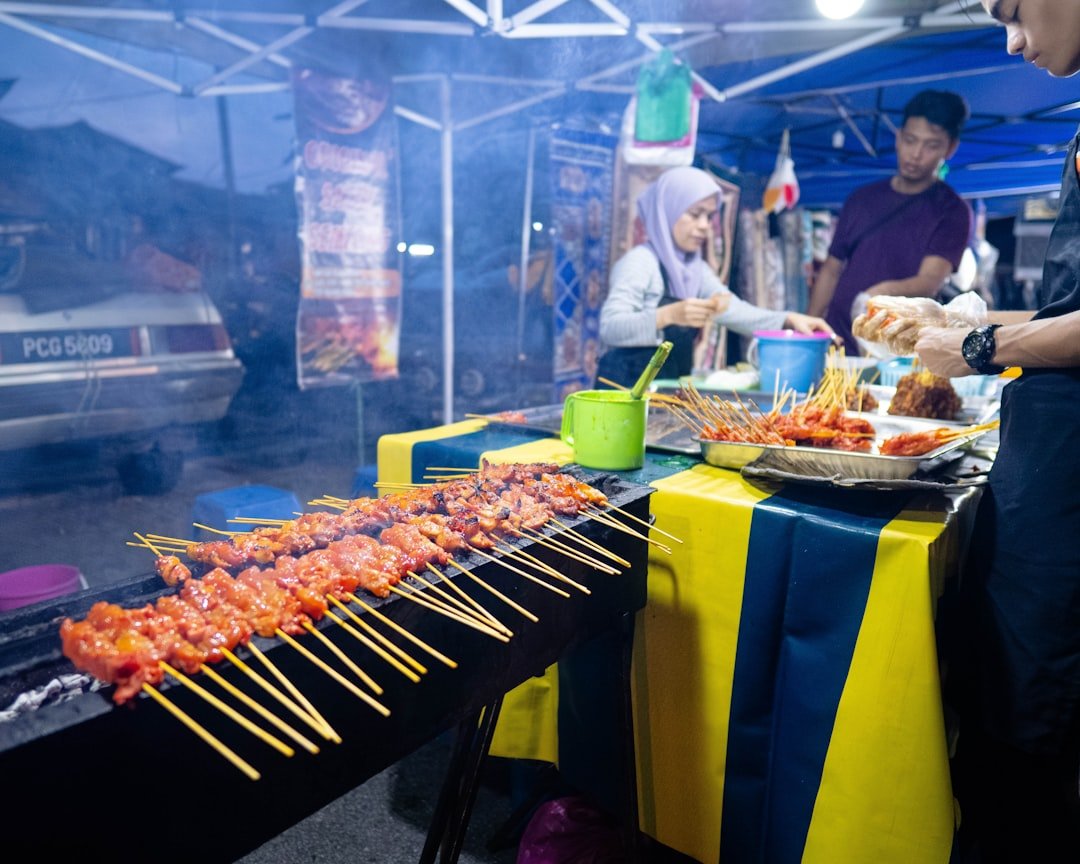
Street food is one of the easiest ways to control your food budget. Simit is a classic starting point: the sesame-covered bread ring is sold by bakeries and street carts throughout Istanbul and works well as a quick breakfast or snack with Turkish tea. GoTürkiye includes simit among Istanbul’s best-known street foods.
Other foods worth looking for include börek, gözleme, dürüm, döner, roasted corn or chestnuts in season, and midye dolma, the rice-filled mussels commonly served with lemon. Instead of ordering several items immediately, buy one or two snacks first and compare prices as you walk. Busy bakery counters and takeaway shops often provide better value than cafés positioned primarily for the view.
The original article referred to a weekly “Moda Market,” but Kadıköy Municipality’s current market directory does not list a weekly neighborhood market under that name. The official directory lists the historic Kadıköy Tuesday market in Hasanpaşa on Tuesday and Friday, along with several other district markets. You can check the Kadıköy Municipality market directory before planning a market visit.
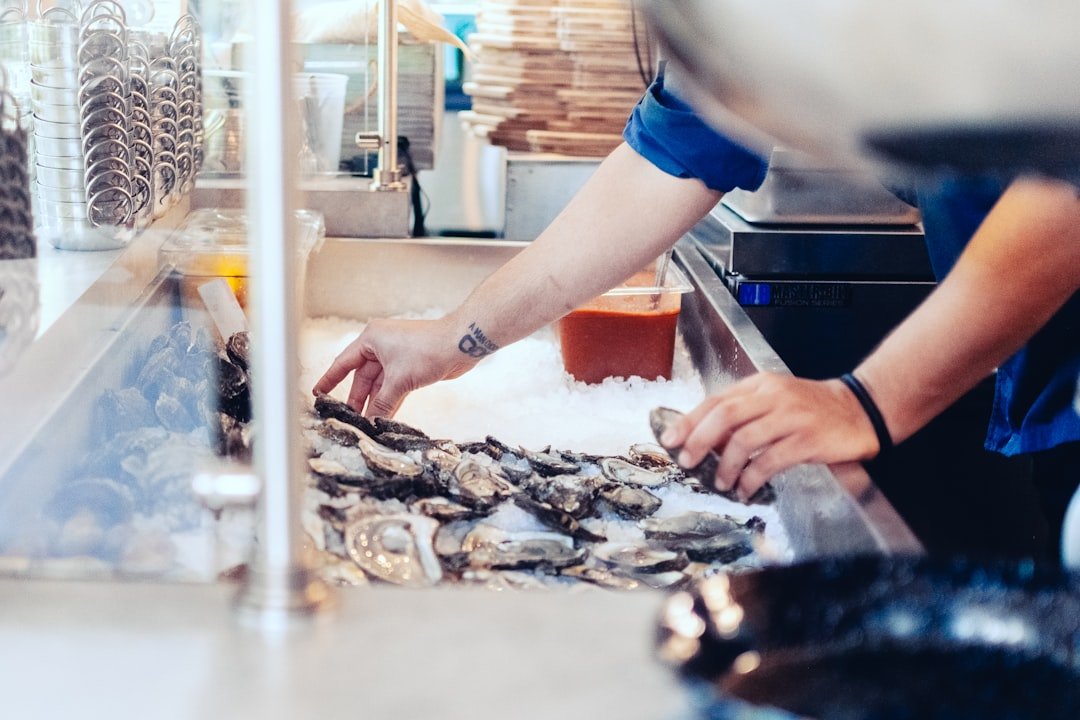
Warning: Street food is not automatically unsafe, but storage and handling matter. The CDC advises travelers to favor fully cooked food served hot and to use particular caution with raw or undercooked meat, fish, eggs, and shellfish. If stuffed mussels look poorly stored or you are unsure about hygiene, choose a freshly cooked alternative instead.
Budget-Friendly Restaurants and Cafes
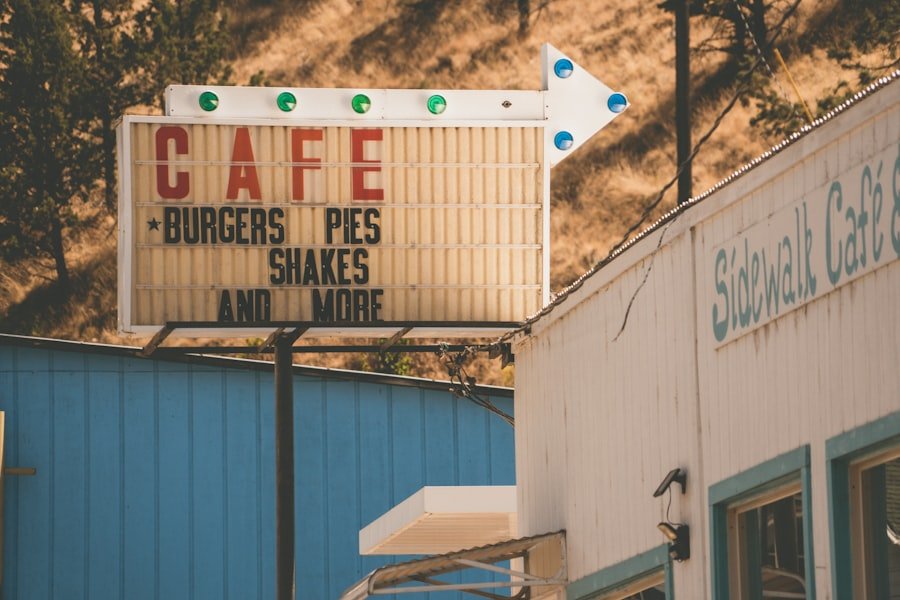
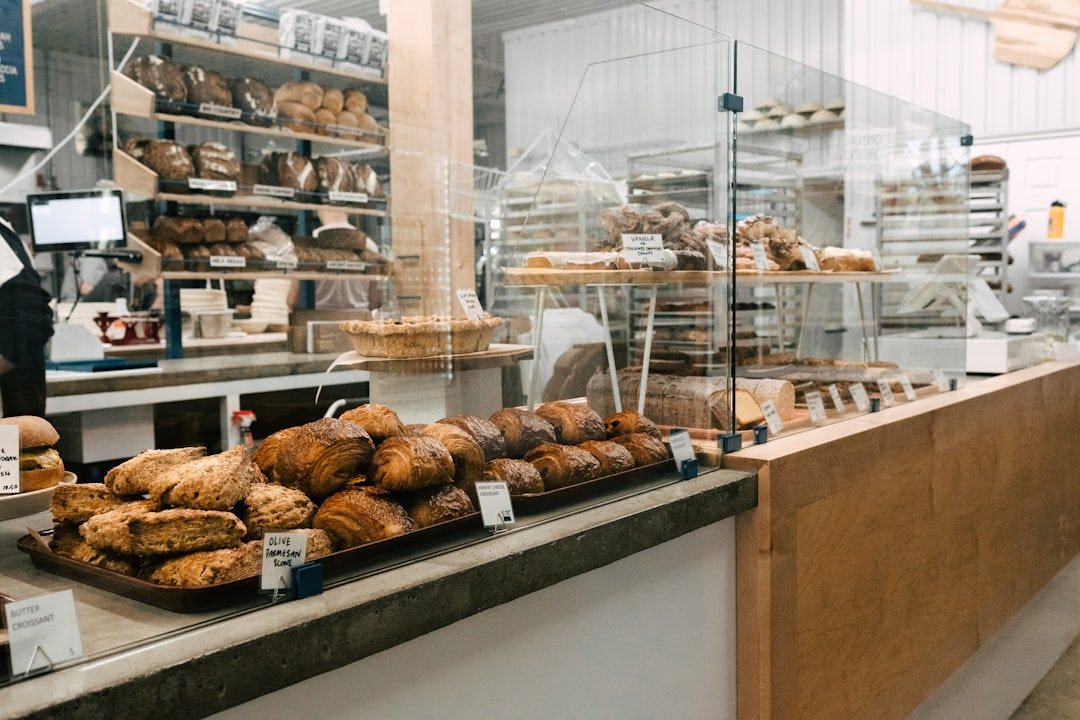
The cheapest dependable meal is not always found at a restaurant advertised as “budget-friendly.” Look instead at the type of business. A neighborhood bakery, soup shop, pide salon, takeaway dürüm counter, or traditional lokanta often lets you eat more simply than a fashionable brunch café.
An esnaf lokantası is especially useful for travelers who want a filling Turkish lunch. These casual restaurants commonly display prepared dishes or a daily menu, making it easy to see what is available before ordering. You might find lentil soup, beans, rice, bulgur, vegetable dishes, chicken, meatballs, or stews. Prices vary by restaurant, so use the displayed menu rather than assuming a place is cheap because an older travel guide says so.
For another low-cost format, look for pide and lahmacun shops. One pide can be substantial, while lahmacun is thinner and often ordered individually. Dürüm shops are also practical when you want a portable meal instead of paying for a long café stop.
Pro Tip: Before sitting down, scan the menu near the entrance. If there is no visible menu, ask for one first. Waterfront position, specialty coffee, alcohol, and elaborate brunch spreads can raise the bill much faster than ordinary Turkish lunch food.
Authentic Turkish Cuisine on a Budget
You do not need an expensive restaurant to explore Turkish cooking. Some of the most practical budget dishes are also deeply rooted in everyday food culture.
- Mercimek çorbası: lentil soup, often served with bread and lemon.
- Kuru fasulye and pilav: beans with rice, a simple and filling combination.
- Menemen: eggs cooked with tomatoes and peppers, popular at breakfast.
- Gözleme: thin stuffed flatbread with fillings such as cheese, spinach, potato, or meat.
- Pide: boat-shaped Turkish flatbread with meat, cheese, or vegetable toppings.
- Lahmacun: a thin topped flatbread generally eaten with herbs, onion, and lemon.
- Meze: small dishes such as hummus, eggplant preparations, beans, yogurt-based dips, or stuffed vegetables.
Nearby central Kadıköy also gives you access to regional Turkish cooking. Çiya’s official site, for example, describes its restaurants around the Kadıköy market area and a menu influenced by culinary traditions from different regions. It is better treated as a specific regional-cuisine experience than as proof that every restaurant in Moda is inexpensive.
If budget is the main goal, use traditional restaurants selectively. Order one main dish rather than a table full of meze, and check whether bread, water, tea, or service has a separate charge.
Vegetarian and Vegan Options
Moda and the wider Kadıköy area offer plenty of plant-based possibilities, but “vegetarian” and “vegan” require different levels of checking. Many traditional vegetable dishes are vegetarian but may contain yogurt, cheese, butter, or egg.
Good vegetarian possibilities include lentil soup, vegetable stews, spinach or cheese gözleme, stuffed peppers, bean dishes, hummus, eggplant meze, and vegetable pide. For vegan diners, ask whether butter, yogurt, cheese, egg, meat stock, or other animal ingredients are used.
Falafel and hummus are also widely available around Kadıköy, although they are Middle Eastern rather than uniquely Turkish. Dedicated vegan restaurants and vegan versions of lahmacun and pide can also be found in the district.
Useful Turkish phrases include “Et yemiyorum” (“I don’t eat meat”) and “Vegan mı?” (“Is it vegan?”). If you need strict vegan preparation, confirm individual ingredients instead of relying only on the name of the dish.
Cheap Eats for Breakfast and Brunch
Breakfast can be either one of the cheapest or one of the more expensive meals in Moda. The difference depends on how you order.
For a low-cost start, choose simit or börek with tea, or order a simple egg dish such as menemen. GoTürkiye’s guide to Turkish breakfast describes the larger serpme kahvaltı tradition as a shared spread of cheeses, tomatoes, cucumbers, olives, jams, bread, eggs, tea, and other small dishes.
A full breakfast spread can be excellent for a long brunch, but it is not automatically the cheapest choice. Check whether the price is per person and whether everyone at the table must order a breakfast set. If you mainly want coffee and food before sightseeing, a bakery breakfast or menemen with tea is usually simpler.
Coffee-focused cafés can be enjoyable, but specialty drinks, desserts, and branded brunch bowls add up quickly. The original article named MOC/Moda Coffee and Cafe Nero as budget recommendations, but brand names alone are not enough to establish current value. Compare the current menu with nearby independent bakeries and tea shops before deciding.
Happy Hour and Drink Specials
Moda has an active café and bar culture, but a happy-hour promotion is only useful if it still exists when you arrive. The original article named Barba Kebab & Beer House and Moda Sahil Cafe and described specific discounts, but those claims could not be verified reliably enough to retain as current recommendations.
Instead, ask the venue whether it has a current happy hour, what hours the promotion covers, and which drinks qualify. Check the menu before ordering a cocktail, imported beer, or wine, because alcohol can easily turn a budget meal into a higher-cost evening.
For the cheapest drink break, Turkish tea, ayran, or a basic soft drink is usually easier to budget than cocktails. You can also buy a drink or snack and spend time along the public waterfront rather than paying repeatedly for a prime-view table.
How to Get to Moda Without Spending Much
Moda is well connected to central Kadıköy, so you do not need a taxi for a food trip. Ferries bring passengers to Kadıköy from the European side, including routes involving Karaköy and Eminönü. Check the current Şehir Hatları timetable before traveling because departure patterns can change.
From Kadıköy, you can walk toward Moda or use the nostalgic T3 tram. Metro Istanbul lists the T3 Kadıköy–Moda line as a 2.6-kilometer loop with 11 stops and connections near Kadıköy transport services.
A useful budget-food route is simply to arrive in central Kadıköy, browse its market and casual food streets, then continue on foot toward Moda for cafés, neighborhood restaurants, and the waterfront. That gives you more choice without paying for extra road transport.
Tips for Eating on a Budget
Eating cheaply in Moda is easier when you make several small decisions rather than searching for one supposedly “cheapest restaurant.”
- Check current menus. Restaurant prices can change, so an old blog post or photo may no longer be useful.
- Start with bakeries and lokantas. They often provide filling everyday food without the premium attached to elaborate décor or a sea view.
- Use lunch for your larger meal. Soup, daily dishes, beans, rice, pide, or dürüm can be more practical than a long evening meal.
- Share where appropriate. Pide, meze, and larger breakfast dishes can sometimes be shared, but check whether a breakfast set has a per-person rule.
- Limit alcohol if budget matters. Several inexpensive dishes can cost less than a round of cocktails.
- Compare before sitting down. A short walk away from the waterfront can reveal more everyday neighborhood options.
- Ask what is included. Confirm prices for water, extras, bread, side dishes, and service rather than assuming they are complimentary.
- Carry more than one payment option. Cards are common in Istanbul, but having some Turkish lira can still be useful for small purchases.
The best budget meal in Moda is often not a famous restaurant. A bakery, soup shop, lokanta, pide salon, or busy takeaway counter can give you a more everyday taste of Istanbul for less.
For broader reading already linked from the original article, TaglineToday also has a homemade cottage cheese recipe, an article about Asian melon, and an Ozzy Osbourne news article. These are general site links rather than resources for planning where to eat in Moda.
Frequently Asked Questions
What is Moda known for in terms of food?
Moda is known for its café culture, Turkish breakfast, bakeries, casual restaurants, desserts, coffee, and easy access to the much larger food scene in central Kadıköy. Budget travelers can focus on simit, börek, soup, pide, lahmacun, dürüm, and lokanta meals.
What are some affordable places to eat in Moda?
Rather than relying on a fixed list of restaurant names, look for neighborhood bakeries, soup shops, esnaf lokantaları, pide and lahmacun restaurants, and takeaway dürüm counters. They tend to be more dependable budget categories, while individual restaurant prices can change.
What types of cuisine can be found in Moda?
You can find Turkish breakfast, home-style Turkish meals, pide, lahmacun, kebabs, mezes, bakery food, desserts, specialty coffee, vegetarian and vegan food, plus international cuisines. Nearby central Kadıköy expands the choice further.
Are there budget-friendly street food options in Moda?
Yes. Simit, börek, dürüm, döner, corn, chestnuts in season, and other takeaway foods can be inexpensive alternatives to full restaurant meals. Choose busy vendors and freshly cooked food, especially when buying meat or shellfish.
Is it easy to find vegetarian or vegan food in Moda?
Vegetarian food is generally easy to find, including lentil soup, vegetable dishes, mezes, gözleme, beans, and vegetable pide. Vegan travelers should confirm whether dishes contain yogurt, butter, cheese, egg, or meat stock.
Is there a weekly Moda market?
Kadıköy Municipality’s current official neighborhood-market list does not show a weekly market called “Moda Market.” It lists the historic Kadıköy Tuesday market in Hasanpaşa on Tuesday and Friday. Check the municipality directory for current locations and days.
What is the cheapest Turkish breakfast in Moda?
A simit or börek with Turkish tea is usually a simpler budget choice than a large serpme kahvaltı spread. Menemen with bread and tea can also provide a filling breakfast without ordering many separate dishes.
How can I reach Moda cheaply from the European side?
A practical option is to take a public ferry to Kadıköy and then walk toward Moda or connect with the T3 Kadıköy–Moda tram. Check current ferry and tram schedules before traveling.
Sources
- GoTürkiye — Moda — official tourism overview of Moda’s location, atmosphere, restaurants, cafés, and shops.
- Kadıköy Municipality — Neighborhood Markets — current official market names, locations, and operating days.
- Metro Istanbul — T3 Kadıköy–Moda Tram — official line and connection information.
- Şehir Hatları — Kadıköy Ferry Service — official ferry timetable information.
- GoTürkiye — Turkish Breakfast — background on simit, menemen, tea, and traditional breakfast spreads.
- CDC Yellow Book — Food and Water Precautions for Travelers — food-safety guidance for street food, cooked food, and shellfish.