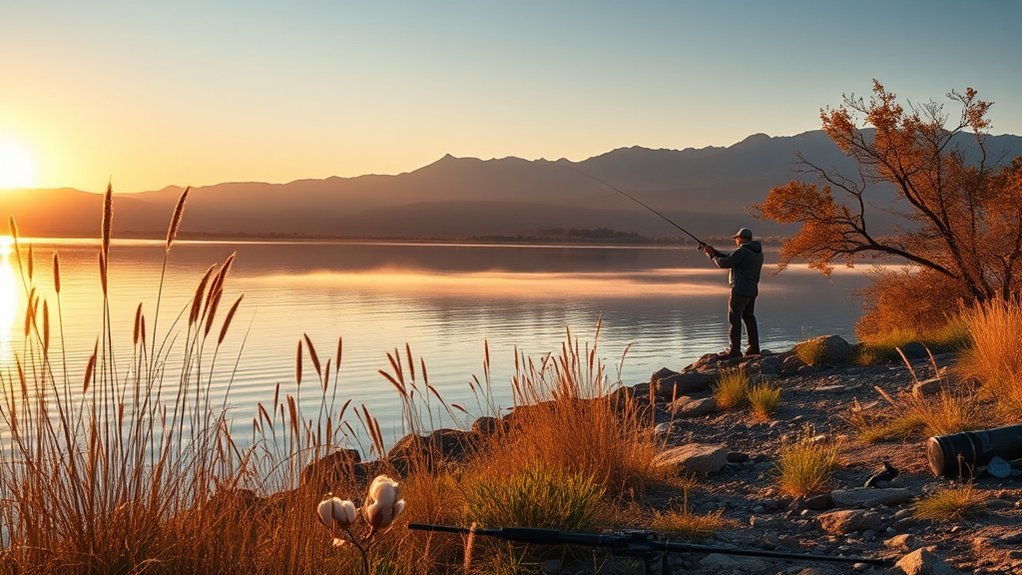
If you’re looking for the best fishing spots in Lawton, Oklahoma, start with Lake Lawtonka and Lake Ellsworth, then consider nearby Lake Elmer Thomas, Tom Steed Reservoir, and Waurika Lake for more variety. Each water offers a different mix of bass, catfish, crappie, saugeye, and other species, so the best choice depends on what you want to catch and whether you’re fishing from shore or a boat.
Quick Answer
Lake Lawtonka is a strong choice near Lawton for largemouth and smallmouth bass, saugeye, and catfish. Lake Ellsworth offers more species and extensive shoreline, while Lake Elmer Thomas provides a smaller, scenic alternative. Waurika Lake and Tom Steed Reservoir are worthwhile longer trips for catfish, crappie, saugeye, and hybrid striped bass.
Key Takeaways
- Lake Lawtonka is one of the closest major choices and is stocked with Florida-strain largemouth bass and saugeye.
- Lake Ellsworth covers more than 5,000 acres and supports bass, catfish, crappie, saugeye, and hybrid striped bass.
- Lake Elmer Thomas is a smaller option with largemouth bass, channel catfish, and sunfish, but special fishing rules apply.
- Lake Lawtonka and Lake Ellsworth require applicable Oklahoma licensing plus a City of Lawton fishing permit.
- Always check current ODWC regulations and lake conditions before leaving because limits, access, and conditions can change.
Discover Lake Lawtonka: A Premier Fishing Destination
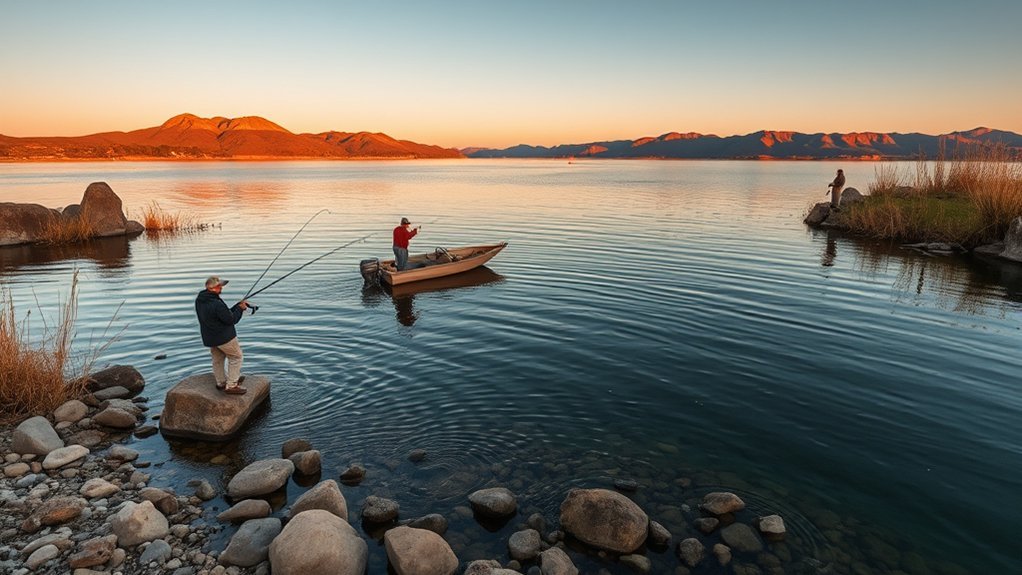
Just north of Medicine Park on State Highway 58, Lake Lawtonka is one of the most convenient major fishing lakes near Lawton. The Oklahoma Department of Wildlife Conservation lists the reservoir at 2,324 surface acres, with 19.20 miles of shoreline and a maximum depth of about 58 feet.
ODWC stocks the lake with Florida-strain largemouth bass and saugeye. Species of interest also include smallmouth bass, blue catfish, and channel catfish. That mix makes Lawtonka useful whether you prefer casting artificial lures for bass, working deeper water for saugeye, or soaking natural bait for catfish.
The City of Lawton manages campgrounds, a boat ramp, and designated swimming areas around the lake. Before fishing, remember that Lawtonka is a City of Lawton water, so applicable state licensing and city fishing-permit rules apply.
Pro Tip: Instead of relying on an old water-temperature number, check current weather, lake level, and ODWC fishing information before your trip. Bass and saugeye can shift depth quickly as weather and water conditions change.
The Waters of Lake Ellsworth for Catfish and More
Lake Ellsworth is much larger than the original article suggested. ODWC lists it at 5,112 surface acres with approximately 53.50 miles of shoreline. The City of Lawton manages campgrounds, boat ramps, and fishing piers, giving both shore and boat anglers several ways to approach the lake.
Catfish Species and Other Targets
Lake Ellsworth supports blue, channel, and flathead catfish, but catfish are only part of the fishery. ODWC also lists largemouth bass, hybrid striped bass, black and white crappie, and saugeye as species of interest.
If catfish are your main target, natural cut bait or shad can be useful around deeper channels, points, flats, and other areas where fish travel or feed. Channel catfish may also respond to prepared baits or worms. Exact locations change with water level, temperature, wind, and seasonal movement, so avoid treating one shoreline spot as a guaranteed hotspot.
Ideal Fishing Techniques
For catfish, start by locating changes in depth, creek channels, points, submerged cover, or areas where baitfish are present. For crappie, work jigs or minnows around brush and other cover. Bass anglers can cover shoreline structure and points with soft plastics, crankbaits, spinnerbaits, or other standard bass lures.
Saugeye fishing often improves when you can reach deeper structure or transition areas, particularly during cooler periods. A boat and sonar can make this easier, but bank anglers can still target accessible points, riprap, piers, and other areas where deeper water approaches shore.
Scenic Shoreline and Access
With more than 50 miles of shoreline listed by ODWC, Lake Ellsworth gives you considerably more water to explore than the original 19.20-mile figure suggested. City-managed fishing piers and multiple boat ramps also make it a practical option if you want more access choices than a small pond or neighborhood lake.
Warning: ODWC reports that zebra mussels have been found in Lake Ellsworth. After boating or fishing, inspect your boat and gear, remove attached material, drain water from the boat, livewell and equipment, and let gear dry before entering another body of water.
Why Waurika Lake Is Worth the Drive
If you want a much larger reservoir, Waurika Lake offers approximately 10,114 surface acres and 79.50 miles of shoreline according to ODWC. The reservoir is located north of Waurika and is managed for recreation by the U.S. Army Corps of Engineers.
Here are three reasons to consider Waurika Lake:
- Wide species variety: ODWC lists hybrid striped bass, white bass, bluegill, blue, channel and flathead catfish, black and white crappie, and saugeye.
- Stocked sport fish: The lake is stocked with hybrid striped bass and saugeye.
- Boat access and camping: U.S. Army Corps of Engineers recreation areas include campgrounds and boat ramps, making the lake suitable for longer fishing trips.
Waurika’s size can also make fish harder to locate than they are on a small lake. If you’re fishing unfamiliar water, concentrate first on obvious structure, points, creek channels, wind-blown areas, and places holding baitfish instead of trying to cover the entire reservoir.
Fishing Opportunities at Tom Steed Reservoir
Tom Steed Reservoir, north of Snyder, covers approximately 6,400 surface acres. ODWC lists largemouth bass, hybrid striped bass, white bass, blue, channel and flathead catfish, black and white crappie, and saugeye among its species of interest.
The reservoir is stocked with hybrid striped bass and saugeye, making those two species particularly noteworthy for anglers looking for something different from ordinary largemouth-bass fishing. Great Plains State Park provides camping, a boat ramp, and other recreational facilities along the reservoir.
Crappie anglers can focus on brush, submerged structure, and seasonal spawning areas, while catfish anglers can work channels, flats, points, and wind-driven areas with natural bait. For saugeye, consider jigs, minnow-style lures, or live minnows where legal, especially around depth changes and rocky structure.
Lake Elmer Thomas: A Smaller Fishing Option Near Lawton
The previously listed “Hell Lake Helan” could not be verified as a legitimate Lawton-area fishing destination. A much better documented choice is Lake Elmer Thomas, located about three miles west of Medicine Park on State Highway 49.
ODWC currently lists Lake Elmer Thomas at approximately 334 surface acres with 9.10 miles of shoreline. Species of interest include largemouth bass, channel catfish, bluegill, redear sunfish, and green sunfish. The lake is also stocked with Florida-strain largemouth bass.
Its smaller size can be appealing if you would rather fish a more compact lake than cover thousands of acres of reservoir water. Fishing jetties and other recreational facilities provide access, while the surrounding Wichita Mountains landscape gives the area a very different feel from the larger prairie reservoirs.
Note: Special rules apply at Lake Elmer Thomas. ODWC currently lists a six-fish combined daily limit for channel and blue catfish and allows fishing by rod and reel only. Check the current lake page before fishing.
Which Lawton-Area Fishing Spot Should You Choose?
| Fishing Spot | Good Choice For | Notable Features |
| Lake Lawtonka | Largemouth bass, smallmouth bass, saugeye, catfish | 2,324 acres; City of Lawton facilities; close to Medicine Park |
| Lake Ellsworth | Catfish, crappie, bass, saugeye, hybrid striped bass | 5,112 acres; fishing piers and boat ramps |
| Lake Elmer Thomas | Largemouth bass, channel catfish, sunfish | Smaller water; fishing jetties; special fishing rules |
| Tom Steed Reservoir | Saugeye, hybrid striped bass, crappie, catfish | 6,400 acres; Great Plains State Park access |
| Waurika Lake | Catfish, crappie, white bass, hybrid striped bass, saugeye | 10,114 acres; extensive shoreline and Corps recreation areas |
What You Need to Know About Fishing Regulations
Fishing regulations are one of the most important parts of planning a trip. According to the Oklahoma Department of Wildlife Conservation, people age 18 or older generally need an Oklahoma fishing license when taking, attempting to take, or possessing fish unless a specific exemption applies.
For waters without special regulations, current Oklahoma statewide fishing limits include:
- Largemouth and smallmouth bass: six combined per day, with only one fish over 16 inches on waters governed by the general reservoir rule.
- Channel and blue catfish: 15 combined per day, with only one blue catfish over 30 inches.
- Flathead catfish: five per day.
- Black and white crappie: 37 combined per day.
- Walleye, sauger, and saugeye: six combined per day with a 14-inch minimum.
Rivers, streams, and specially regulated waters can have different limits. In Oklahoma rivers and streams, black bass rules differ from the general reservoir rule, so check the exact water you plan to fish rather than applying one rule everywhere.
Warning: Lake Lawtonka and Lake Ellsworth are City of Lawton waters. In addition to applicable Oklahoma licensing, check the City of Lawton recreational permit requirements before fishing. City permit fees and exemptions can change, so verify them before your trip.
Nonresident visitors should also review ODWC’s current public-area check-in requirements because certain Oklahoma public hunting and fishing areas require nonresidents to check in and out.
Bank Fishing vs. Boat Fishing Near Lawton
You do not need a boat to enjoy fishing around Lawton, but the best water for you may depend on how you plan to fish.
- Lake Ellsworth: City-managed fishing piers make it one of the more practical options for anglers without boats, while multiple ramps serve boat anglers.
- Lake Lawtonka: Shore access and developed recreation areas can work for bank anglers, while boat access lets you cover points, deeper structure, and open water more efficiently.
- Lake Elmer Thomas: Fishing jetties and refuge-side facilities provide shore-fishing opportunities. Special boating and fishing rules apply.
- Tom Steed Reservoir: A boat is useful for covering its 6,400 acres, although accessible shoreline around developed recreation areas can still produce fish.
- Waurika Lake: Its 10,000-plus acres strongly favor mobile boat anglers when fish are scattered, but shoreline opportunities are available around public recreation areas.
When fishing from shore, focus on locations where useful habitat comes within casting range: points, riprap, creek mouths, drop-offs, fishing piers, brush, and wind-blown banks. Moving every 20 to 30 minutes when nothing is happening can be more productive than remaining in one unproductive area all day.
Fishing Tips for Success in Lawton
Your chances of catching fish improve when you match your tackle to the species, season, depth, and available forage rather than relying on one “magic” bait. Pack versatile gear, watch changing weather, and be willing to change depth or presentation if the fish are not responding.
Essential Gear Checklist
- Required licenses and permits: Carry your Oklahoma fishing license or valid proof of exemption plus any required City of Lawton permit.
- Rod and reel: A medium or medium-light spinning setup handles many bass, crappie, and general freshwater situations. Heavier tackle is useful when targeting large catfish.
- Tackle selection: Bring hooks, sinkers, swivels, jigs, soft plastics, a few moving baits, and species-appropriate natural bait where legal.
- Landing and handling tools: Pliers, a landing net, line cutters, and a measuring device help you handle fish safely and comply with length limits.
- Weather protection: Carry drinking water, sun protection, rain gear, and a charged phone, especially during Oklahoma’s hotter months.
Best Bait Choices
For largemouth and smallmouth bass, soft plastics, jigs, crankbaits, spinnerbaits, and topwater lures give you enough variety to fish shallow or deeper structure. Match lure size and speed to water clarity, temperature, and fish activity.
For catfish, cut bait and shad are common choices for blue and channel catfish, while worms and prepared catfish baits can also work for channel cats. Flathead anglers commonly favor live bait where its use is legal.
For crappie, small jigs and minnows are reliable starting points around brush, standing timber, docks, and other cover.
For saugeye, try jigs, minnows, blade-style lures, or minnow-shaped crankbaits around rocky points, depth changes, and other structure. Cooler periods can bring saugeye within easier reach of bank anglers, particularly around low-light periods.
Timing Your Trips
Early mornings and evenings can be productive during hot weather because light levels and water temperatures are more comfortable for both anglers and many shallow-feeding fish. That does not mean fish stop biting in the afternoon. Midday fish may simply move deeper, tighter to cover, or into shaded areas.
Cloud cover, wind, water clarity, recent rainfall, current, seasonal spawning patterns, and baitfish movement can matter as much as the clock. Check weather and lake conditions before leaving and adjust once you see what is happening on the water.
Best Seasons for Fishing Around Lawton
Spring is a popular time to target bass and crappie as warming water moves fish toward spawning areas and shallower cover. Changing weather can still push fish back into deeper water, so remain flexible.
Summer often rewards anglers who fish early, late, or after dark where legal. Catfish remain a strong option, while bass frequently relate to deeper structure, shade, vegetation, or areas with better oxygen and forage.
Fall can produce active bass, crappie, and other predators as baitfish movements change with cooling water. Covering water with moving lures can help locate active fish.
Winter does not end Oklahoma fishing. ODWC notes that catfish commonly use deeper wintering areas, while crappie can suspend around deeper structure. Saugeye are also worth targeting during cooler conditions. See ODWC’s winter fishing guidance for seasonal tactics.
Nearby Bait & Tackle Shops for Your Fishing Needs
ODWC’s current Lawton-area lake listings identify several nearby sources for bait and tackle. Because independent-shop hours and inventory can change, call before making a special trip.
- Little Dam Bait Shop, Medicine Park: (580) 529-3267
- Porter Hill Bait Shop, 12027 US-62, Elgin: (580) 492-4861
- Ralph’s Resort, 263 East NE Resort Road, Elgin: (580) 492-4763
- DJ’s Bait Shop, 104 Brookdale Road, Apache: (580) 588-2121
- Walmart Supercenter, 1002 NW Sheridan Road, Lawton: (580) 355-9070
For current listings around Lake Lawtonka and Lake Ellsworth, the ODWC lake directory is a useful starting point.
Join the Local Fishing Community and Keep Learning
Local knowledge can help you understand seasonal patterns that are difficult to learn from a static article. You can compare reports with other anglers, ask bait shops what has been selling for local conditions, and pay attention to recent catch information rather than assuming last month’s pattern will still work.
- Check official fishing information: Use ODWC lake pages and current fishing reports before your trip.
- Share responsible catches: ODWC’s fishing resources allow Oklahoma anglers to share catches and learn about fisheries across the state.
- Consider a licensed guide: ODWC maintains a fishing-guide directory, including guides who list Lawtonka, Ellsworth, Tom Steed, and other Oklahoma waters.
Fishing Safety Near Lawton
Southwest Oklahoma weather can change quickly, and open reservoirs provide little protection from lightning, strong wind, or summer heat. Check the forecast before launching or hiking to a remote bank.
- Wear an appropriate personal flotation device when boating and follow all state and local boating requirements.
- Leave the water when thunderstorms or lightning approach rather than waiting for the storm to reach you.
- Carry more drinking water than you expect to need during hot weather.
- Use sun protection, especially when fishing exposed banks or open water.
- Tell someone where you are going when fishing alone or in a remote area.
- Inspect, drain, and dry boats and fishing equipment before moving between lakes to reduce the spread of invasive species.
Note: If you plan to keep fish for food, check current Oklahoma fish-consumption guidance and any water-specific notices before eating your catch.
Frequently Asked Questions
What is the 80/20 rule in fishing?
The 80/20 rule is an informal fishing rule of thumb, not a biological law. It suggests that a large share of fish may concentrate in a relatively small amount of productive water. Instead of fishing every acre equally, focus on points, channels, cover, drop-offs, current, baitfish, and other features that attract fish.
What are some of the best fishing spots near Lawton, Oklahoma?
Lake Lawtonka, Lake Ellsworth, and Lake Elmer Thomas are strong nearby choices. For a longer outing, Tom Steed Reservoir and Waurika Lake add opportunities for saugeye, crappie, catfish, white bass, and hybrid striped bass.
Do fish bite better in the morning or afternoon?
Morning and evening often provide easier shallow-water fishing during hot weather, but fish can bite at any time. In bright midday conditions, try deeper water, shade, cover, or slower presentations instead of assuming the bite has stopped completely.
What is the 90/10 rule in fishing?
The 90/10 rule is another informal version of the same concentration idea: fish are often grouped around a small percentage of the available habitat. The percentages should not be taken literally. The useful lesson is to identify productive structure and move when an area shows no signs of fish or bait.
Do I need a fishing license in Lawton, Oklahoma?
Oklahoma generally requires people age 18 or older to have a state fishing license unless an exemption applies. Lake Lawtonka and Lake Ellsworth also have City of Lawton permit requirements, so check both state and city rules before fishing those waters.
Can I fish from shore around Lawton?
Yes. Lake Ellsworth has city-managed fishing piers, Lake Elmer Thomas has fishing jetties and developed access, and public recreation areas around other reservoirs provide additional shoreline opportunities. Access can change with water level, construction, and local rules, so verify the area before driving out.
What fish can I catch at Lake Lawtonka?
ODWC lists largemouth bass, smallmouth bass, blue catfish, channel catfish, and saugeye as species of interest at Lake Lawtonka. The lake is stocked with Florida-strain largemouth bass and saugeye.
Conclusion
Lawton gives anglers several very different waters to choose from. Lake Lawtonka is a convenient choice for bass, saugeye, and catfish, while Lake Ellsworth offers more water and a broader mix of species. Lake Elmer Thomas works well when you prefer a smaller setting, and Tom Steed Reservoir or Waurika Lake can turn a day of fishing into a longer southwest Oklahoma trip.
Whichever lake you choose, check current conditions, carry the correct license and permits, confirm the latest size and bag limits, and adjust your bait and fishing depth to the season. Those simple steps will do more for your trip than relying on an old catch count or a single water-temperature reading.
Sources
- Oklahoma Department of Wildlife Conservation – Lake Lawtonka – lake size, facilities, stocking, and species.
- Oklahoma Department of Wildlife Conservation – Lake Ellsworth – lake dimensions, fish species, facilities, and zebra mussel notice.
- Oklahoma Department of Wildlife Conservation – Waurika Lake – lake size, stocking, species, and recreation information.
- Oklahoma Department of Wildlife Conservation – Tom Steed Reservoir – fish species, stocking, lake size, and facilities.
- Oklahoma Department of Wildlife Conservation – Lake Elmer Thomas – species, access, stocking, and special regulations.
- Oklahoma Department of Wildlife Conservation – Statewide Daily and Size Limits – current bass, catfish, crappie, and saugeye limits.