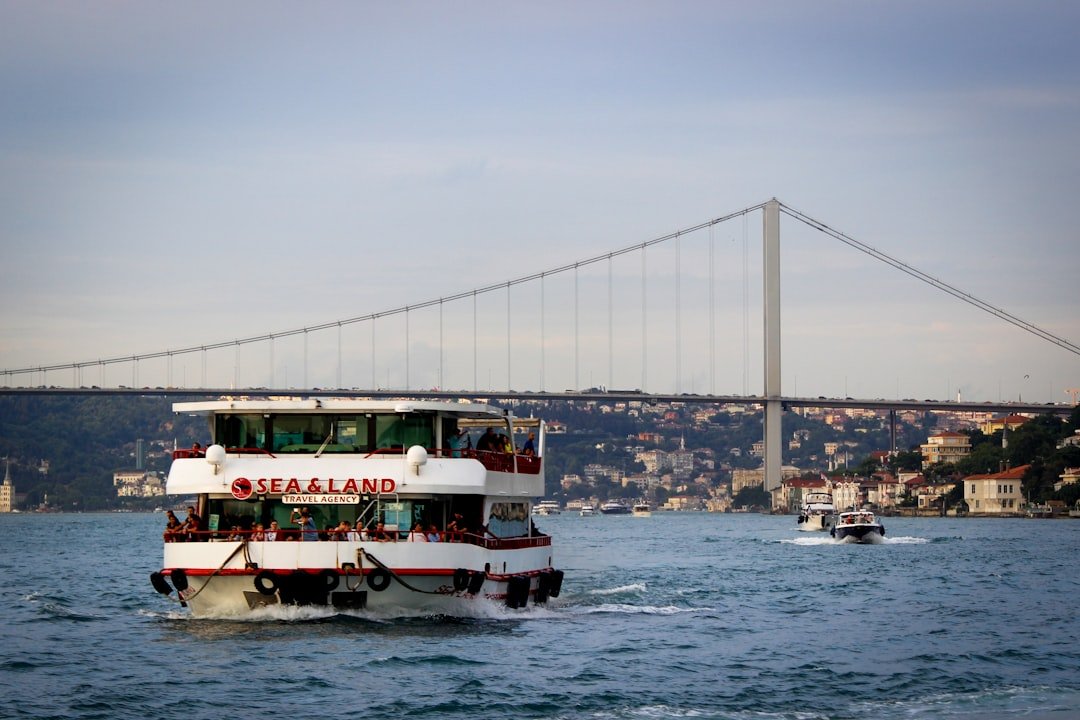
Balat, on the southern shore of Istanbul’s Golden Horn, is one of the city’s most historically layered neighborhoods. Its streets reflect the long history of Constantinople and Istanbul: late Byzantine communities, Ottoman-era Jewish life, Greek Orthodox and Armenian connections, working-class migration, industrial change, and modern preservation and tourism. The neighborhood is often discussed together with neighboring Fener and Ayvansaray, but those places are not interchangeable.
Quick Answer
Balat is a historic Golden Horn neighborhood in Istanbul shaped by Byzantine Constantinople, centuries of Ottoman rule, a major Jewish presence, later migration, industrial change, and preservation-led redevelopment. Its synagogues, late-Ottoman streetscape, nearby churches, and layered communities make it one of the clearest places to read Istanbul’s changing urban history.
Key Takeaways
- Balat lies on the Golden Horn within Istanbul’s Historic Peninsula and developed beside important Byzantine and Ottoman routes, walls, gates, and waterfront activity.
- The Ahrida Synagogue, founded in the early 15th century and later rebuilt after fire damage, is strong evidence of Balat’s long Jewish history.
- Balat became especially important to Istanbul’s Jewish population during the Ottoman period, while neighboring Fener developed as a major Greek Orthodox center.
- The 20th century brought population change, discriminatory policies affecting non-Muslim communities, industrialization, migration, deindustrialization, and physical decline.
- Rehabilitation projects helped restore historic buildings, but tourism and rising property pressure have also created concerns about gentrification and the loss of local community life.
Balat History Timeline
- Byzantine period: The area formed part of Constantinople near the Blachernae district and the Golden Horn defenses. Jewish, Greek Orthodox, and other communities were present in and around this part of the city.
- Early 15th century: The Ahrida Synagogue was founded before the Ottoman conquest, linking Balat to the city’s Romaniot Jewish history.
- 1453 onward: Ottoman rule reshaped Constantinople’s population and institutions. Balat grew into an important Jewish residential and commercial quarter.
- 17th century: Jewish settlement in Balat became more concentrated, especially after major fires and relocations elsewhere in Istanbul.
- 19th and early 20th centuries: The neighborhood contained dense housing, workshops, markets, religious buildings, and a mixed urban population.
- Mid-20th century: Political pressure on non-Muslim communities, emigration, industrialization around the Golden Horn, and new internal migration changed Balat’s population and economy.
- Late 20th to 21st century: Deindustrialization was followed by heritage rehabilitation, tourism growth, new cafes and creative businesses, and ongoing debate about gentrification and preservation.
Early Settlement and Origins
Balat stands inside the historic urban area of Constantinople and Istanbul, close to the Golden Horn and the former Blachernae palace district. Its position near the city walls, waterfront, and historic gates made the area part of a busy urban zone rather than an isolated settlement outside the imperial city.
The origin of the name “Balat” is not completely certain. A long-standing explanation connects it with a Greek form related to “palace,” often associated with the nearby Blachernae Palace and the historic gate in this part of the city. Older references also show that forms of the word balat circulated in several languages and places, so it is better to present the palace connection as a traditional etymology rather than a settled fact.
Balat’s early population was diverse. Greek Orthodox communities were prominent in the wider area, and Jewish communities were present in late Byzantine Constantinople. The Ahrida Synagogue, whose history reaches back to the early 15th century, is an especially important surviving link to Jewish life before the Ottoman conquest. Armenian communities also formed part of the wider social landscape of the Historic Peninsula over time.
Note: Modern travel guides often use “Fener and Balat” as a single destination. Historically and administratively, however, they are neighboring districts with different institutions and community histories. Several famous sites commonly labeled “Balat” are actually in Fener or Ayvansaray.
Balat in the Byzantine Era
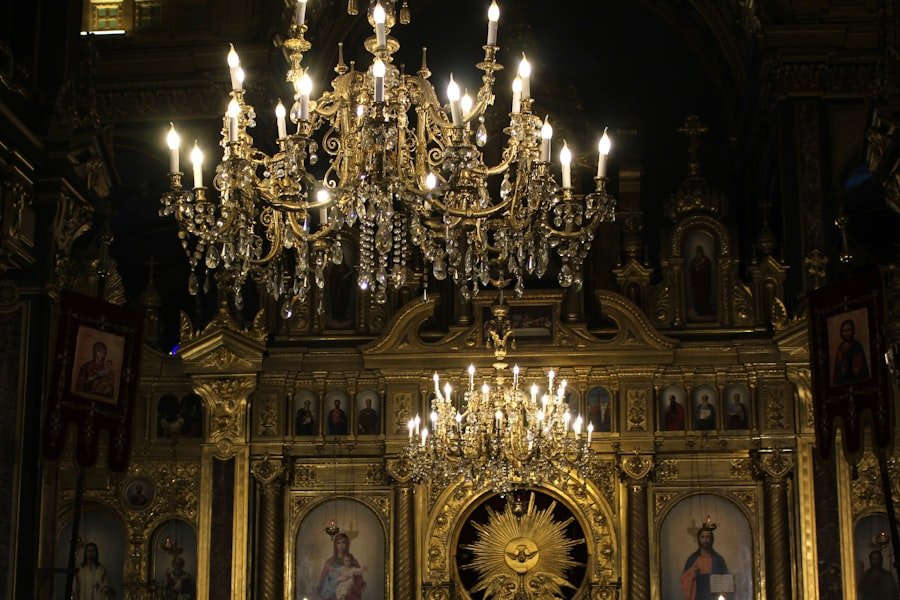
During the Byzantine era, the area that later became known as Balat lay within Constantinople’s urban fabric near the Blachernae district. This was a strategically important part of the city because the Golden Horn shoreline, the land walls, palace complexes, gates, churches, and residential quarters all met within a relatively compact area.
The original article described Balat as a major Byzantine commercial and intellectual center, but surviving evidence does not justify that broad claim without stronger documentation. A safer picture is that the district formed part of a populated waterfront and defensive zone of Constantinople, with religious and residential communities that changed over time.
Jewish life is especially important to this late Byzantine story. The Ahrida Synagogue traces its foundation to the early 15th century. Its later history includes rebuilding and restoration, so the structure visitors see today should not be treated as an untouched Byzantine building. Its survival nevertheless makes it one of the strongest physical links between present-day Balat and the city’s pre-Ottoman Jewish community.
Ottoman Rule and Development
The Ottoman conquest of Constantinople in 1453 opened a new phase in Balat’s development. The city was repopulated and reorganized under Ottoman rule, and Balat became increasingly associated with Jewish life. Sephardic Jews expelled from Iberia in the late 15th century joined older Romaniot Jewish communities across the Ottoman capital, while later fires and population movements helped concentrate Jewish settlement in Balat and nearby Hasköy.
By the 17th century, Balat was strongly identified with Istanbul’s Jewish population. Synagogues, homes, shops, workshops, and markets formed part of neighborhood life. Ahrida remained one of the most important synagogues, while other congregations also maintained places of worship in the wider district.
Balat was not exclusively Jewish. Muslims, Armenians, Greeks, and other residents lived in or near the neighborhood at different times. The Ottoman system allowed recognized religious communities to maintain important institutions and traditions, but this should not be described simply as modern equality or uninterrupted harmony. Communities lived within a hierarchical imperial order, and relations changed according to period, law, politics, economics, and local conditions.
Many buildings now associated with Balat’s visual identity reflect late Ottoman urban architecture. Timber and masonry houses, projecting upper floors, narrow lots, and tightly packed streets survive in different states of preservation. Their present colors are part history and part later restoration, repainting, and tourism-era presentation, so the bright facades seen today should not all be assumed to preserve an original Ottoman color scheme.
Balat’s history is best understood as a story of layered communities and repeated change—not as a frozen picture of perfect coexistence.
Balat in the 20th Century
The 20th century changed Balat’s population and economy dramatically. Istanbul’s non-Muslim communities were affected by emigration and by discriminatory policies and episodes of violence. The 1942 Wealth Tax fell disproportionately on non-Muslims, while the events of September 6–7, 1955 and the 1964 expulsions of many Greek residents deeply affected Istanbul’s minority communities. Although these events did not affect every Balat resident in the same way, they formed part of the wider demographic transformation of Fener, Balat, and nearby districts.
At the same time, the Golden Horn became a major industrial and working-class zone. From the 1950s through the 1980s, factories, workshops, ship-related industries, textiles, metalworking, and other businesses drew migrants from other parts of Turkey, including the Black Sea region. Older houses were adapted for new families, and the social character of the neighborhood changed again.
Deindustrialization from the mid-1980s removed many local jobs and contributed to economic decline and building deterioration. Historic housing that had already suffered from age, fire, earthquake risk, underinvestment, and subdivision became increasingly vulnerable. Balat retained a strong neighborhood identity, but the idea that it simply “fell into disrepair because residents moved away” is too narrow; larger economic and political forces were central to the decline.
Balat Today: Revitalization and Preservation
Heritage-led regeneration in Fener and Balat has a longer history than the phrase “in recent years” suggests. After the 1996 Habitat II conference, UNESCO supported feasibility work for rehabilitation in the Fatih district. A later EU- and Fatih Municipality-backed rehabilitation program operated in the 2000s and restored historic residential buildings and shops.
These projects helped demonstrate that historic neighborhoods could be repaired without treating them only as tourist scenery. They also brought new attention and investment. However, the story is not purely positive. Later renewal proposals were contested by residents and property-rights groups, while academic research has linked rehabilitation and tourism growth with higher housing values, changing businesses, displacement pressure, and gentrification.
Today, Balat combines long-established residents and businesses with cafes, studios, galleries, visitor-oriented shops, and highly photographed streets. This has made the district more visible internationally, but it also raises a difficult preservation question: how can historic buildings be maintained without turning the neighborhood into a stage set that excludes the people who live and work there?
Pro Tip: When reading or visiting Balat, look beyond the famous painted facades. Synagogues, markets, ordinary residential streets, workshops, and neighboring Fener and Ayvansaray provide a much fuller picture of the area’s history.
Famous Landmarks and Attractions in Balat
Ahrida Synagogue
The Ahrida Synagogue is one of Balat’s most important historic landmarks. It dates to the early 15th century and is associated with Jews from Ohrid in the Balkans. The synagogue suffered damage in the great fire of 1660 and was later rebuilt and restored. Its distinctive tevah or bimah is shaped like the prow of a boat. Traditions interpret that form as Noah’s Ark or as a reference to ships connected with Sephardic migration, but those meanings should be presented as traditions rather than proven design intent.
Historic Balat Houses and Streets
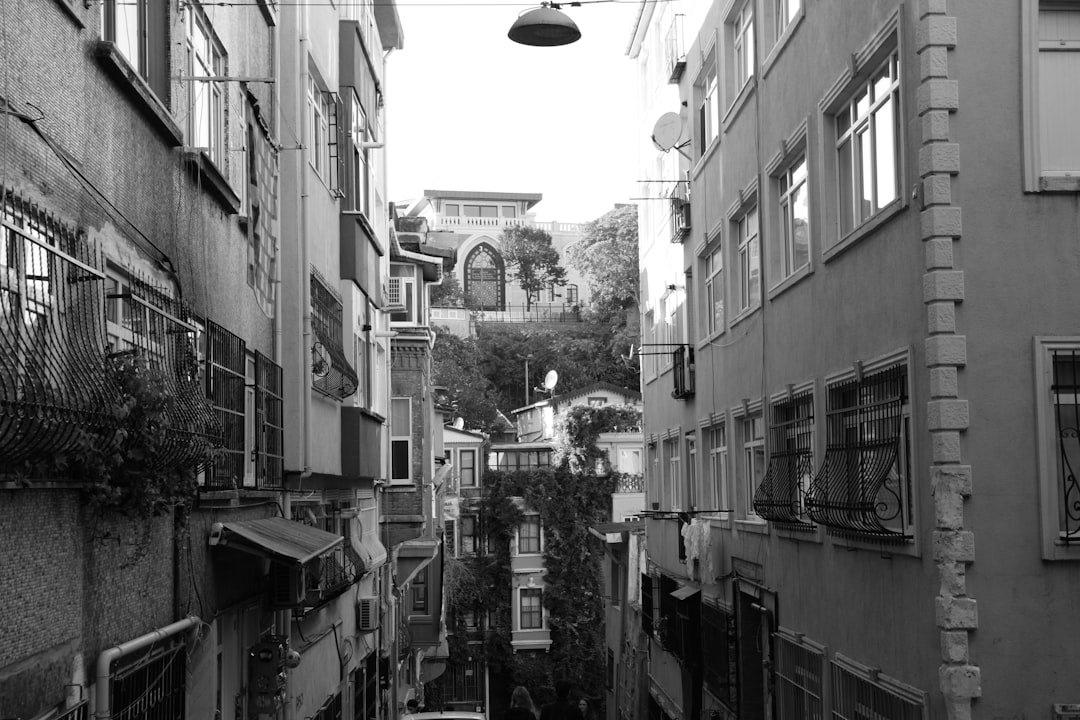
Balat’s steep and narrow streets are lined with a mix of timber, masonry, and later buildings. The most photographed rows of brightly painted houses have become symbols of the district, but the architectural value goes beyond color. Facade proportions, bay windows, doors, street widths, lot patterns, and the relationship between homes and small businesses reveal the dense urban form of late Ottoman and early Republican Istanbul.
Balat Market and Neighborhood Businesses
Historic market streets and small businesses are another essential part of Balat’s identity. Rehabilitation work in the 2000s included shops as well as houses. Today, traditional businesses operate beside newer cafes and visitor-focused venues, making the commercial streets a visible example of how heritage preservation and tourism-led change overlap.
Nearby Fener: Ecumenical Patriarchate and Church of St. George
The Patriarchal Church of St. George is often included on “Balat” itineraries, but it is in neighboring Fener. The Ecumenical Patriarchate itself is far older than 1601; rather, the present Fener site became the patriarchal center around the turn of the 17th century. The church was refurbished in 1614, rebuilt after a 1720 fire, and repaired again in the 19th century. It should therefore not be described as a surviving Byzantine church building.
Nearby Fener: Bulgarian St. Stephen Church
The Bulgarian St. Stephen Church, widely known as the Iron Church, stands on the Golden Horn close to the Fener-Balat area. The present prefabricated iron church opened in 1898. Its metal construction and waterfront setting make it one of the most distinctive monuments on this stretch of the Golden Horn.
Nearby Ayvansaray: Church of St. Mary of Blachernae
The Church of St. Mary of Blachernae is another major historic religious site commonly grouped into wider Balat walking routes. It belongs to the neighboring Ayvansaray/Blachernae area rather than Balat proper. This geographic distinction matters because the historical roles of Balat, Fener, and Ayvansaray overlap without being identical.
Visitor Caution: Synagogues and active religious institutions may have security procedures, restricted access, or changing visitor rules. Historic houses are also private residences. Follow posted guidance, avoid photographing people through windows or doorways, and confirm access before planning a visit around a specific religious site.
Balat’s Rich Cultural Heritage
Balat remains one of Istanbul’s most compelling examples of how urban history accumulates in layers. Its identity comes from more than colorful houses: it reflects Byzantine Constantinople, Ottoman Jewish life, neighboring Greek Orthodox and Armenian institutions, Muslim communities, migration from other parts of Turkey, working-class industry, economic decline, heritage restoration, and tourism-driven change.
The neighborhood’s resilience should not be reduced to a simple story of decline followed by renewal. Preservation has saved important buildings and attracted investment, but it has also changed the local housing market and commercial landscape. Understanding both sides makes Balat more meaningful as a historic place and as a living neighborhood.
Its landmarks also make one lesson especially clear: Balat, Fener, and Ayvansaray are closely connected but historically distinct. Ahrida Synagogue belongs to Balat’s Jewish story; the Ecumenical Patriarchate and St. George belong to neighboring Fener; and Blachernae landmarks connect most directly with Ayvansaray. Keeping those distinctions in view produces a more accurate picture of Istanbul’s Golden Horn heritage.
Sources
- Visit Istanbul — Ahrida Synagogue — supports the synagogue’s early-15th-century history and later significance.
- Ecumenical Patriarchate — History of the Patriarchal Church of St. George — supports the church’s move into patriarchal use, rebuilding, and later repairs.
- UNESCO World Heritage Centre — Fener and Balat rehabilitation feasibility work — documents UNESCO and EU involvement in late-1990s rehabilitation planning.
- Istanbul Technical University — Fener-Balat regeneration and housing-market study — supports the 2000s rehabilitation program and gentrification discussion.
- Wiley, Sociology Lens — Fener, Balat, and Ayvansaray tourism and social-memory study — supports 20th-century demographic change and tourism-led gentrification context.
- Istanbul Encyclopedia Archive — Balat Kapusu — supports the traditional connection between the name Balat, the historic gate, and the nearby palace district.
Frequently Asked Questions
What is the history of Balat?
Balat is a historic Golden Horn neighborhood whose story stretches from Byzantine Constantinople through the Ottoman and Republican periods. It became especially important as a Jewish quarter under Ottoman rule, later changed through migration and industrialization, and has undergone major heritage rehabilitation and tourism growth since the late 20th century.
What are some notable landmarks in Balat?
Ahrida Synagogue, Balat’s historic streets, traditional houses, and market areas are key landmarks within Balat. Nearby sites often included on the same walking route include the Ecumenical Patriarchate and Church of St. George in Fener, the Bulgarian St. Stephen Church, and the Church of St. Mary of Blachernae in Ayvansaray.
How has Balat evolved over time?
Balat evolved from a neighborhood within Byzantine Constantinople into an important Ottoman Jewish quarter, then into a working-class district shaped by 20th-century migration and Golden Horn industry. Deindustrialization contributed to decline, while later rehabilitation and tourism brought restoration, new businesses, and gentrification pressure.
What is the cultural significance of Balat?
Balat is significant because its buildings, religious institutions, street pattern, and community history show how different populations shaped Istanbul over centuries. Its Jewish heritage is especially important, while its close relationship with Greek Orthodox Fener and other nearby communities adds to the Golden Horn’s broader cultural landscape.
How has tourism impacted Balat?
Tourism has increased interest in Balat’s architecture and heritage and supported cafes, galleries, restoration, and visitor-oriented businesses. It has also contributed to higher property pressure, commercial change, and concerns about tourism gentrification and the displacement of long-established neighborhood life.
Is the Church of St. George in Balat?
No. The Patriarchal Church of St. George and the Ecumenical Patriarchate are in neighboring Fener. They are commonly included in Balat walking routes because Fener and Balat are adjacent, but the distinction is historically important.