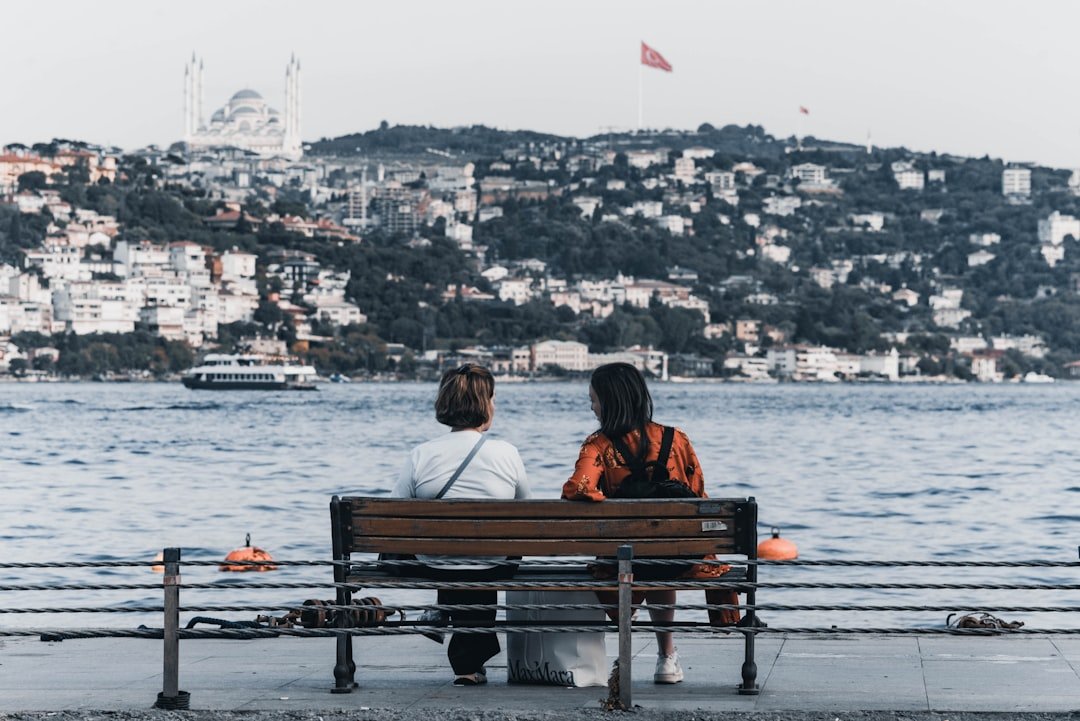
Heybeliada, the second-largest of Istanbul’s Princes’ Islands, combines pine-covered hills, historic religious institutions, old wooden houses, a lively ferry waterfront, and photogenic stretches of the Sea of Marmara. It is one of the best islands near Istanbul for a relaxed photo-focused day trip, especially if you enjoy architecture, coastal views, quiet streets, and historic atmosphere.
Quick Answer
Heybeliada’s best Instagram spots include the ferry waterfront, wooden residential streets, the Halki Theological School and Holy Trinity complex, Değirmenburnu Nature Park, historic Orthodox sites, and coastal viewpoints. Go early or late for softer light, check current access rules, and use only officially designated swimming areas if you plan to photograph from the beach.
Key Takeaways
- Heybeliada is one of Istanbul’s nine Princes’ Islands and is the second largest after Büyükada.
- The Halki Theological School, the Holy Trinity complex, old wooden houses, the ferry waterfront, and Değirmenburnu are among the island’s strongest photo subjects.
- Private conventional vehicle traffic is heavily restricted, but electric public transport operates on the island alongside walking and cycling.
- Some religious, educational, and military-related properties have access restrictions, so photograph only from permitted public areas and respect posted rules.
- For swimming, use officially designated areas and verify seasonal opening hours, fees, and facilities before visiting.
How to Get to Heybeliada and Get Around
Heybeliada is reached by passenger ferry rather than by road. Istanbul’s Şehir Hatları Kabataş–Adalar service calls at Heybeliada, and other Princes’ Islands routes connect the island with Asian-side piers such as Bostancı and Maltepe. Travel time varies with your departure pier and the particular service, so check the current timetable on the day of travel.
Once you arrive, the compact town around the ferry pier is easy to explore on foot. Bicycles are also common. Although the Princes’ Islands are known for restricted conventional vehicle traffic, electric public-transport vehicles operate in the district, including on Heybeliada.
Note: Ferry departure times, seasonal private-boat services, beach transfers, and attraction access can change. Check official transport and venue information shortly before your trip rather than relying on an old timetable or fixed travel time.
Best Instagram Spots in Heybeliada at a Glance
| Photo Spot | Best For | Photo Tip |
|---|---|---|
| Heybeliada Ferry Waterfront | Ferries, harbor scenes, island arrival shots | Photograph shortly after arriving, before the waterfront becomes busier. |
| Halki Seminary and Holy Trinity Complex | Historic architecture, hilltop setting, cultural heritage | Respect current visitor-access rules and religious activity. |
| Residential Streets Behind the Pier | Wooden houses, shutters, flowers, quiet street scenes | Use a longer focal length rather than entering private property. |
| Değirmenburnu Nature Park | Pine trees, coastline, sea views, beach photography | Late afternoon creates warmer light across the shore and trees. |
| Aya Yorgi Uçurum Area | Historic atmosphere and elevated coastal views | Stay on permitted paths and respect religious-property boundaries. |
| Designated Beach Areas | Sea-level portraits, summer scenes, sunset light | Check seasonal access and swimming status before entering the water. |
Pro Tip: A simple photo route is to start at the ferry pier, explore the nearby residential streets, continue toward Değirmenburnu, and save an elevated or west-facing coastal viewpoint for late-afternoon light. This gives your gallery a mix of harbor, architecture, nature, and sunset images.
Heybeliada’s Historical Landmarks
The Monastery of the Holy Trinity and Halki Seminary
One of Heybeliada’s best-known landmarks is the Holy Trinity complex on Ümit Hill. The site has a monastic history much older than the theological school itself. The Halki Theological School was inaugurated in 1844 on the monastery grounds and became an important institution for Orthodox theological education. Much of the school complex was rebuilt after the destructive 1894 Istanbul earthquake.
The school’s theological education ceased in 1971. Its future has again been the subject of renovation work and reopening discussions in 2026, so visitors should treat its institutional and public-access status as changeable rather than assuming that an old guide reflects current conditions.
Kamariotissa and the Naval-School Area
Another historically important structure associated with Heybeliada is Kamariotissa, an Eastern Roman church located within the naval-school grounds. Türkiye’s official tourism guide identifies it as one of the island’s significant historic structures. Because it lies within institutional property, however, it should not be treated as an unrestricted tourist attraction. Photograph from public areas and follow all signs and security instructions.
A Symbol of Rich Religious Heritage
Heybeliada’s churches, monasteries, and theological institutions reflect centuries of Orthodox Christian life alongside the island’s Ottoman, Turkish, naval, and residential history. Their value is not limited to architecture: they help explain why the island feels culturally different from an ordinary seaside resort.
The strongest photographs of Heybeliada often work because historic architecture, pine-covered hills, and the Sea of Marmara appear together in the same frame.
The Charming Streets of Heybeliada
Some of Heybeliada’s easiest photo opportunities are found in the residential streets behind the waterfront. Wooden houses, projecting balconies, colorful shutters, flowering gardens, stone walls, and narrow lanes create layers of detail that work well for both wide street scenes and close-up architectural photographs.
Many buildings reflect the architectural character associated with the Princes’ Islands during the late Ottoman and early modern periods. Instead of rushing toward a single named street, wander gradually away from the pier and look for clean sightlines, repeating balconies, shaded doorways, and stretches where the road drops toward the sea.
The central waterfront remains busier, with food businesses, small shops, ferry passengers, bicycles, and residents moving through the area. That activity can be useful for candid travel photography, but avoid photographing identifiable people at close range without permission, especially children or people sitting inside homes and businesses.
Heybeliada’s Stunning Beaches
Heybeliada has several coastal areas where visitors spend summer days by the water, but not every picturesque cove is an officially designated swimming area. Istanbul’s 2026 swimming guidance specifically listed the following Heybeliada locations among approved swimming points.
| Swimming Area | What to Know | Photo Appeal |
|---|---|---|
| Değirmenburnu Tabiat Parkı Plajı | Designated swimming area associated with the nature-park setting; seasonal services and charges may apply. | Pines, shoreline, beach scenes, and broad sea views. |
| Asaf Beach | Officially listed in 2026; operating conditions and fees can change. | Summer beach portraits and sea-level compositions. |
| Ada Beach Club Frontage | Officially listed swimming point; private-facility rules may apply. | Organized beach scenery and coastal backgrounds. |
| Sadıkbey Beach Frontage | Included in the municipality’s 2026 designated swimming list. | Waterfront and swimming-season photography. |
| Heybeliada Water Sports Club Frontage | A designated swimming location, although club membership or guest rules may affect facility access. | Sport, sea, and shoreline compositions. |
Warning: Adalar Municipality’s 2026 guidance asks visitors to swim only in designated swimming areas. Do not assume that an attractive cove, rocky shoreline, or place labeled as a “beach” online is approved for swimming. Conditions, water monitoring, lifeguard coverage, and seasonal access can change.
For photography, you do not need to enter the water. The combination of pine-covered slopes, rocky shoreline, bathing platforms, boats, and the Marmara horizon can often be photographed more effectively from a safe position on land.
Heybeliada’s Iconic Churches and Monasteries
Heybeliada’s Orthodox heritage extends beyond the Holy Trinity complex. The island’s documented religious sites include Aya Nikola Church, Meryem Ana Church, Aya Yorgi Uçurum Monastery, and the Terki Dünya/Aya Spiridon complex. Adalar Municipality’s Heybeliada history provides local historical information on several of these sites.
Aya Nikola is one of the island’s recognizable Greek Orthodox churches and provides a more intimate architectural subject than the large hilltop seminary complex. Meryem Ana Church represents another layer of the island’s long Christian history, while Aya Yorgi Uçurum is particularly associated with a dramatic setting and elevated views.
These locations should be approached as living religious and historic places rather than photography props. Keep voices low during worship, avoid blocking entrances, do not use flash where prohibited, and ask before photographing clergy or worshippers.
A respectful photograph taken from a permitted public space is better than a more dramatic image obtained by entering a restricted religious or institutional area.
Heybeliada’s Scenic Lookout Points
Heybeliada’s hills create natural opportunities for elevated photographs across the Sea of Marmara. According to GoTürkiye’s Heybeliada guide, Değirmentepe is the island’s highest of its four named hills, while the Halki Seminary stands on Ümit Hill.
The roads and paths around the hillier parts of the island can produce layered compositions with red-tiled roofs, trees, neighboring islands, ferries, and open water. You do not need to climb onto private land or enter restricted compounds to find a strong view; public roads and permitted viewpoints are usually enough.
For sunset photography, look for an open western or southwestern view where buildings or pine branches can frame the sky. Arrive before the light becomes dramatic so you have time to choose a safe position and test exposure.
Heybeliada’s Quaint Cafes and Restaurants
The waterfront around Heybeliada Pier contains cafes and restaurants where the harbor itself becomes part of the experience. Tables facing the water can give you ferry, fishing-boat, seagull, and evening-light backgrounds without requiring a long walk.
Seafood, Turkish meze, breakfast dishes, pastries, tea, and coffee are common choices around the Princes’ Islands. Rather than relying on an old article’s named restaurant recommendation, check current opening hours, menus, and reviews because island businesses can change between seasons.
Food also works well as part of a travel-photo sequence. A glass of Turkish tea, a pastry, a plate of meze, or a simple harbor-side meal can break up a gallery dominated by architecture and landscapes. Ask before staging a long photo session at a busy table or photographing staff.
Capturing Heybeliada’s Natural Beauty
Heybeliada’s pine-covered slopes are one of the island’s defining visual features. Wide shots can combine forest, houses, and sea, while tighter images can focus on pine branches, textured paths, flowers, boats seen through trees, or changing light on the water.
The coast is equally useful for photography. Rocky edges, bathing platforms, small bays, ferries, and sailboats create stronger foregrounds than an empty horizon. During sunrise or late afternoon, lower-angle light adds texture to water and buildings and reduces the harsh contrast common around midday.
Stay on permitted roads and paths, particularly when seasonal fire-safety or forest-access restrictions are in effect. Do not climb down unstable cliffs or cross barriers simply to reproduce a social-media photograph.
Heybeliada’s Colorful Street Art
Heybeliada is better known for historic houses, gardens, religious architecture, and waterfront scenery than for a formal street-art circuit. However, observant visitors may still find painted walls, signs, decorative doors, murals, shutters, and small creative details that add color to a photo walk.
These smaller details are useful when bright midday sun makes wide landscape photographs difficult. Look for shadows on walls, repeated windows, contrasting paint, old lettering, plants growing around gates, and bicycles parked against textured facades.
Because many photogenic walls and doors belong to private homes, remain on public streets and avoid leaning equipment against property, opening gates, or positioning people inside private entrances without permission.
Insider Tips for Instagram-Worthy Shots
- Use early or late light: Morning and late afternoon usually produce softer shadows and warmer color than midday.
- Begin at the ferry pier: The first 20–30 minutes after arrival can give you ferries, waterfront buildings, and relatively spontaneous street scenes.
- Mix wide and tight compositions: Photograph the complete harbor or hillside, then add details such as shutters, balconies, tea glasses, flowers, doors, and bicycles.
- Protect highlights over the sea: Bright water and sky can easily overexpose. Slightly lower your exposure if necessary and recover shadows later.
- Respect residents: Ask before making close portraits, especially around homes, businesses, religious sites, and children.
- Respect restricted property: Do not enter military, institutional, or religious areas simply because a landmark appears on a map or in an old travel article.
- Check the final ferry: Sunset photography is only enjoyable if you still have a realistic route back to your departure pier afterward.
Pro Tip: Photograph recognizable landmarks, but also make a second set of quieter images—an empty lane, laundry moving in the breeze, ferry wake, a bicycle beside a wooden house, or tea overlooking the harbor. Those details often communicate the character of Heybeliada better than another standard viewpoint shot.
Heybeliada’s Instagram Magic
Heybeliada works especially well for photography because its visual character changes within a relatively small area. The ferry pier gives you movement and maritime life; the residential streets provide architecture and detail; the religious landmarks add historical depth; and the pine-covered hills and coast supply natural backgrounds.
The strongest visit is not about collecting as many locations as possible. Give yourself time to walk, notice how the light changes, and photograph the island without disrupting the people who live, work, study, or worship there. With a little planning, Heybeliada can produce a varied photo story rather than a collection of disconnected social-media poses.
Separate culinary reading: If you also enjoy travel-inspired food content, the site’s existing article on exploring the delightful world of Asian melon offers a different culinary topic after your Heybeliada planning.
Frequently Asked Questions
What are the best Instagram spots in Heybeliada?
Good photo locations include Heybeliada Pier and the waterfront, the streets of wooden houses behind the pier, the Halki Theological School and Holy Trinity complex, Değirmenburnu Nature Park, historic Orthodox sites, and elevated coastal viewpoints.
Which historic landmarks are most photogenic in Heybeliada?
The Halki Seminary and Holy Trinity complex are among the island’s best-known historic subjects. Aya Nikola Church, Aya Yorgi Uçurum Monastery, Meryem Ana Church, and other documented Orthodox sites also contribute to Heybeliada’s architectural character. Access rules should always be respected.
What are the best natural photo spots in Heybeliada?
Değirmenburnu, pine-covered hills, public coastal roads, designated beach areas, and elevated views across the Sea of Marmara are strong natural locations. Use safe public paths and avoid climbing into restricted or unstable coastal areas.
Are there hidden gems for photography in Heybeliada?
Yes. Instead of looking only for named attractions, explore permitted residential lanes near the town center for wooden houses, balconies, colorful shutters, flowers, old signs, bicycles, harbor glimpses, and quiet architectural details.
What is the best time of day for photos in Heybeliada?
Early morning and late afternoon usually provide softer, warmer light. Morning works well for quieter streets and the ferry area, while late afternoon and sunset are better for coastlines and elevated views where the horizon is open.
How do you get to Heybeliada from Istanbul?
Passenger ferries connect Heybeliada with Istanbul. Şehir Hatları operates Princes’ Islands services from piers including Kabataş and Asian-side locations. Routes and departure times change, so check the current official timetable before traveling.
Are cars allowed on Heybeliada?
Conventional private motor traffic is highly restricted on the Princes’ Islands, which is why walking and cycling remain such a visible part of island life. However, electric public-transport vehicles operate on Heybeliada, so describing the island as completely free of motor vehicles is no longer accurate.
Where should visitors swim in Heybeliada?
Use officially designated swimming areas. The 2026 municipal list included Değirmenburnu Tabiat Parkı Plajı, Asaf Beach, Sadıkbey Beach frontage, Ada Beach Club frontage, and Heybeliada Water Sports Club frontage. Always check the latest local guidance because approved areas and operating conditions can change.
Sources
- GoTürkiye — Heybeliada — official destination information on the island’s hills, historic institutions, Kamariotissa, Aya Triada, and notable sights.
- Patriarchate of Constantinople — Halki Theological School — history of the Holy Trinity monastery site and the theological school founded in 1844.
- Ecumenical Patriarchate — June 2026 statement — current context surrounding the future of the Halki Theological School.
- Şehir Hatları — Kabataş–Adalar timetable — official passenger-ferry service information for Heybeliada.
- Istanbul Metropolitan Municipality — Princes’ Islands public transport — electric public-transport information.
- Adalar Municipality — 2026 designated swimming areas — official swimming-safety guidance and the listed Heybeliada swimming locations.