Moda, in Istanbul’s Kadıköy district, has a bakery culture that combines everyday Turkish breads and savory pastries with long-running pastry-shop traditions and newer bakery-cafés. Simit, poğaça, börek, cakes, syrup-soaked desserts, sourdough breads, and modern pastries can all fit into a food walk through the area.
It is easy to romanticize Moda’s bakery history, but the exact identities of its “first bakeries” are not well documented in the authoritative sources available today. What is documented is Kadıköy’s long history, its major growth during the 19th century, and its development into one of Istanbul’s important residential, commercial, and cultural districts.
Quick Answer
Moda’s bakery scene mixes everyday Turkish staples such as simit, poğaça, and börek with classic pastry-shop culture and newer bakery-cafés. Beyaz Fırın has a verified Moda branch, while historic Baylan is nearby in central Kadıköy. Check current menus before visiting because products, opening hours, and daily availability can change.
Key Takeaways
- Simit, poğaça, and börek are practical choices if you want a traditional Turkish bakery breakfast or snack.
- Moda’s bakery culture is best understood as part of Kadıköy’s wider urban and culinary history rather than through unsupported claims about a single “first bakery.”
- Beyaz Fırın has a current Moda branch, while Baylan offers a verified historic pastry-shop experience nearby in central Kadıköy.
- Traditional and modern bakeries serve different purposes: one may be strongest for bread and simit, another for croissants, cakes, chocolates, or plated desserts.
- Menus change, and popular breads or pastries may sell out, so check a bakery’s current information before making a special trip.
- For food allergies or celiac disease, never assume a bakery item is safe solely because it appears wheat-free or vegan; ask about ingredients and cross-contact.
How Moda’s bakery culture developed
Moda forms part of the historic Kadıköy area on Istanbul’s Asian side. According to Istanbul Metropolitan Municipality’s Kadıköy history archive, Kadıköy remained an important recreation and residential area through the Ottoman period and expanded significantly during the 19th century. Steamship connections, rail transport, new infrastructure, and growing permanent settlement helped turn the district into a busier urban center.
This wider development matters when discussing bakeries. As neighborhoods grow, everyday food businesses such as bread ovens, pastry shops, markets, cafés, and restaurants naturally become part of local street life. However, there is not enough dependable documentation to identify the earliest Moda bakeries or to state confidently that specific unnamed family bakeries introduced particular recipes.
What can be seen more clearly today is the coexistence of old and new. Kadıköy supports long-running pastry businesses alongside modern cafés and artisan-style bakeries. That combination gives Moda and the surrounding streets a bakery scene that can move from a simple sesame-covered simit to elaborate cakes, chocolates, sourdough loaves, and contemporary pastries.
Moda’s bakery story is less about one documented “first bakery” and more about the way Kadıköy’s long urban history has allowed traditional breads, pastry shops, and newer bakery-cafés to exist side by side.
The most popular traditional pastries and breads in Moda
One of the easiest traditional foods to try is simit, a ring-shaped bread covered generously with sesame seeds. GoTürkiye describes simit as a common part of Turkish breakfast and notes the traditional use of a molasses coating before the sesame seeds are added. Fresh simit works well on its own or with tea, cheese, olives, tomatoes, jam, or other breakfast foods.
Poğaça is another common bakery choice. These soft savory pastries come in many forms and may be plain or filled with ingredients such as cheese, olives, potatoes, or other savory mixtures. They are convenient for breakfast or a quick snack when you do not want a full sit-down meal.
Börek is made in several styles using thin sheets or layers of dough. Cheese, spinach, potatoes, and minced meat are among the familiar fillings. The Turkish Ministry of Culture and Tourism describes börek as a broad family of Turkish pastries that can be layered, baked, or fried and eaten hot or cold.
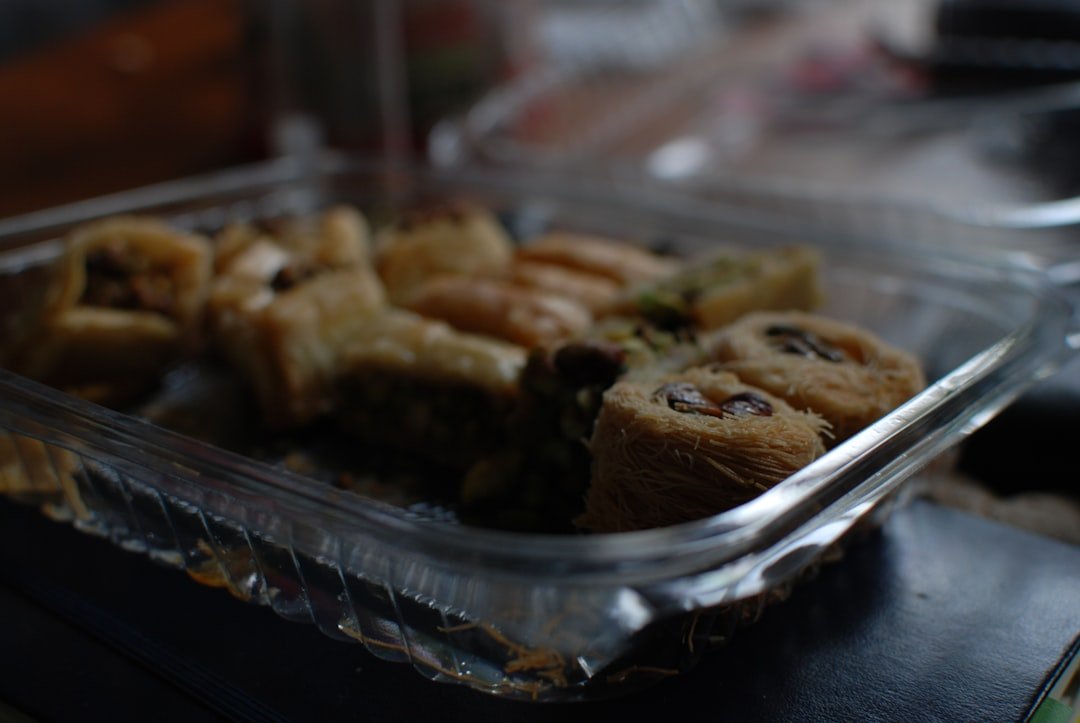
Sweet options are just as varied. Baklava combines very thin pastry layers with nuts and syrup. The Ministry of Culture and Tourism lists it among Türkiye’s best-known traditional desserts. Kadayıf uses fine shredded pastry, often with nuts and syrup, while revani is a syrup-soaked semolina cake. These desserts are found across Türkiye rather than belonging exclusively to Moda, but they are part of the wider dessert tradition that visitors may encounter in Istanbul pastry shops.
Pro Tip: If freshness matters most, ask what came out of the oven recently. A neighborhood bakery’s best item may be the warm simit, bread, or poğaça available at that moment rather than the product most photographed online.
The best bakeries to visit in Moda
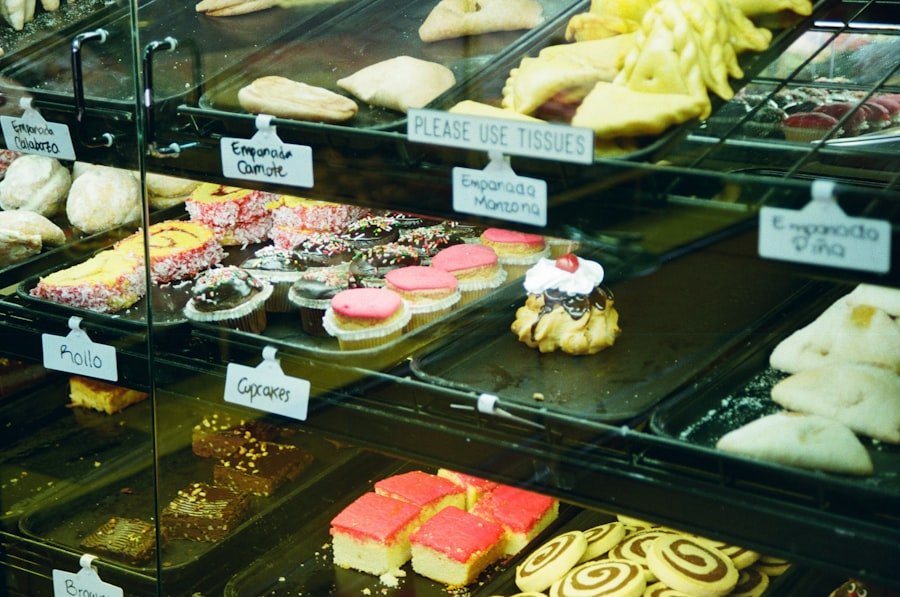
There is no single bakery that is automatically “best” for every visitor. A bread-focused fırın, a historic patisserie, and a modern bakery-café make different products. The most useful approach is to choose a verified place based on what you actually want to eat.
Beyaz Fırın Moda
Beyaz Fırın’s official branch list confirms a Moda location in Caferağa at Moda Caddesi and Yeni Fikir Sokak. The brand traces its baking history to 1836, when its family story began with a simit and poğaça bakery in Balat.
This is a useful choice when you want a broad bakery-café experience rather than one narrowly specialized product. Bread, savory bakery items, pastries, cakes, desserts, and café-style food can all fit the experience. Because menus evolve, check the current branch menu before visiting for one particular item.
Baylan Kadıköy
Baylan is not directly on central Moda Caddesi, but its historic Kadıköy branch is nearby at Muvakkithane Caddesi No. 9/A. Baylan’s official site traces the business to 1923.
Baylan is better approached as a classic patisserie and dessert stop than as a neighborhood bread bakery. One of its best-documented specialties is Kup Griye, which the company dates to 1954 and describes as a combination of vanilla and caramel ice cream, whipped cream, honey-almond brittle, and caramel sauce.
Note: Bakery names, menus, opening hours, and even locations can change. For a special trip, confirm current information on the bakery’s official page on the day you plan to visit.
How to choose the right bakery
- For a quick Turkish breakfast: look for fresh simit, poğaça, or börek at a neighborhood fırın.
- For bread: choose a bakery that makes bread a central part of its daily production rather than judging it by its dessert case.
- For classic cakes and plated desserts: choose an established patisserie such as Baylan.
- For modern pastries: check the current display at newer bakery-cafés for croissants, laminated dough, seasonal fruit pastries, or sourdough-based items.
- For take-home food: ask which breads, cookies, chocolates, or pastries travel and store well.
The influence of Moda’s diverse culture on its bakery scene
Moda and the wider Kadıköy area have a layered social history. Istanbul Metropolitan Municipality’s cultural-heritage material documents a historically diverse population in Kadıköy, including longstanding Greek and Armenian presence, while other municipal material records Jewish community history in the district.
That diversity is an important part of Kadıköy’s identity, but individual pastries should not be assigned casually to a single ethnic community without evidence. Many breads, sweets, and pastry techniques circulated across Ottoman and post-Ottoman cities, households, religious communities, professional kitchens, and trade networks.
A more accurate way to describe Moda today is as a neighborhood where Turkish bakery staples sit comfortably beside European-style patisserie, café culture, chocolate, croissants, sourdough, and contemporary dessert ideas. Ingredients such as sesame, tahini, pistachio, walnuts, fruit, chocolate, cheese, and yogurt can appear in both traditional and modern forms.
The rise of modern and innovative bakeries in Moda
Moda’s current food scene is not limited to traditional bread shops. Modern bakery-cafés increasingly emphasize sourdough, laminated pastries, specialty coffee, seasonal ingredients, brunch dishes, and visually refined desserts. This creates a different experience from a traditional fırın where the priority may simply be fresh daily bread, simit, rolls, and savory pastries.
The two styles do not need to compete. A visitor might buy simit in the morning, sit down for a modern pastry and coffee later, and finish the day with a classic dessert from a patisserie. That variety is one of the strengths of eating around Kadıköy and Moda.
Innovation also works best when it does not erase the original product. A new filling or presentation can be interesting, but a good bakery should still pay attention to fundamentals such as fermentation, texture, freshness, balanced sweetness, and proper baking.
The role of bakeries in Moda’s community
Bakeries can serve a practical social role because they are part of everyday neighborhood routines. Residents may stop for bread on the way home, pick up breakfast before work, meet someone for tea or coffee, or buy cakes and pastries for a celebration.
That everyday use is more important than romantic claims about every bakery being a formal “community hub.” Some are small take-away shops, while others provide tables, coffee, brunch, or longer sit-down visits. The atmosphere depends on the business.
For visitors, these ordinary routines can offer one of the simplest ways to experience the neighborhood. Ordering a fresh simit or poğaça, watching what local customers choose, and walking through the surrounding streets can reveal more about daily food culture than ordering only the most famous dessert.
How to make traditional Moda pastries at home
You do not need professional bakery equipment to make a home-style version of two common Turkish favorites. The recipes below are practical household versions rather than claims to reproduce one specific Moda bakery’s proprietary formula.
At a Glance
| Time Required | About 1 hour 45 minutes for simit including rising; about 50 minutes for quick börek |
| Difficulty | Easy to moderate |
| Tools Needed | Mixing bowls, baking tray, parchment paper, pastry brush, oven, and measuring tools |
| Cost | Generally low to moderate; cheese, sesame, and specialty ingredients create most of the variation |
Home-style simit recipe
Makes: about 8 simit
Ingredients:
- 500 g bread flour or strong all-purpose flour
- 7 g instant yeast
- 1 teaspoon sugar
- 1½ teaspoons fine salt
- 300 ml lukewarm water
- 80 ml grape molasses or pekmez
- 80 ml water for the coating
- 150 g sesame seeds, preferably lightly toasted
Method:
- Mix the flour, yeast, sugar, and salt in a large bowl. Add the lukewarm water and mix until a firm dough forms.
- Knead for about 8 to 10 minutes until the dough becomes smooth and elastic. Cover and leave it in a warm place for about 45 to 60 minutes.
- Heat the oven to 220°C/425°F and line a baking tray with parchment paper.
- Divide the dough into 8 equal portions. For a more traditional twisted appearance, divide each portion into two thin ropes, twist them together, and join the ends firmly to make a ring.
- Mix the grape molasses with 80 ml water in a shallow bowl. Put the sesame seeds in another shallow dish.
- Dip each ring in the diluted molasses and then coat it generously with sesame seeds.
- Arrange the rings on the tray and let them rest for about 15 minutes while the oven finishes heating.
- Bake for roughly 15 to 20 minutes, or until deeply golden and crisp on the outside.
- Cool briefly on a rack and eat while fresh.
Pro Tip: Do not skimp on the sesame coating. Simit gets much of its characteristic aroma and crust from the combination of sesame and the diluted grape-molasses coating.
Quick cheese-and-spinach börek
Serves: about 6 to 8
Ingredients:
- 10 to 12 sheets phyllo dough or thin yufka suitable for baking
- 250 g crumbled feta or Turkish-style white cheese
- 250 g spinach, chopped
- 1 egg
- 120 ml milk
- 60 ml olive oil or melted butter
- Black pepper to taste
- 1 tablespoon sesame or nigella seeds for the top, optional
Method:
- Heat the oven to 190°C/375°F and lightly grease a medium baking dish.
- Mix the cheese, spinach, and a little black pepper.
- In a separate bowl, whisk the egg, milk, and olive oil or melted butter.
- Place several sheets of phyllo in the dish, brushing or spooning a little of the milk mixture between the layers.
- Spread the cheese-and-spinach filling evenly over the pastry.
- Cover with the remaining sheets, again adding a small amount of the milk mixture between layers.
- Brush the top with the remaining mixture and add sesame or nigella seeds if desired.
- Bake for about 30 to 35 minutes, or until the top is crisp and golden.
- Rest for 10 minutes before cutting so the layers hold together more neatly.
Warning: Simit normally contains wheat and sesame. Börek commonly contains wheat and may contain milk and egg. Baklava and kadayıf frequently contain nuts. People with food allergies or celiac disease should verify ingredients and cross-contact rather than relying only on a product name.
Dietary needs and allergen questions
Some bakeries in Istanbul offer vegan, lactose-free, or gluten-free products, but availability varies greatly from shop to shop. A pastry labeled “vegan” may still contain wheat, while a product made without wheat ingredients may be prepared beside ordinary flour.
For celiac disease or a serious allergy, ask direct questions: Is the kitchen dedicated gluten-free? Is separate equipment used? Are sesame, nuts, milk, eggs, or peanuts handled nearby? Are ingredient lists available? A clear answer is more useful than assuming a bakery is safe because one menu item appears suitable.
Practical tips for visiting bakeries in Moda
- Go earlier for bread: limited loaves and popular pastries can sell out later in the day.
- Order by specialty: a great bread bakery does not have to make the best cake, and a historic patisserie does not have to make the best sourdough.
- Try smaller portions: if you plan to visit more than one bakery, share items so you can compare several products.
- Check current information: confirm the branch, menu, and hours before making a special journey.
- Pair simple foods simply: fresh simit with Turkish tea or cheese can be just as representative as an elaborate dessert.
The future of bakeries in Moda
Moda’s bakery scene is likely to continue balancing two strong ideas: preserving familiar Turkish bakery foods and responding to newer preferences for sourdough, specialty coffee, contemporary pastry, alternative diets, and seasonal menus.
Long-running businesses show that traditional bakery and patisserie culture can remain relevant across generations. At the same time, modern bakery-cafés demonstrate that customers also value fermentation, specialty ingredients, coffee, presentation, and new interpretations of familiar flavors.
Digital tools now make it easier for customers to check menus, contact shops, place orders, and discover new bakeries. They also make outdated recommendations spread quickly. For that reason, the best modern bakery guide should separate durable culinary information from details that can change, such as opening hours, individual menu items, and branch locations.
In conclusion, the future of bakeries in Moda appears strongest when tradition and experimentation are treated as complementary rather than opposing forces. Fresh bread, simit, poğaça, börek, classic patisserie, modern pastry, and coffee can all belong to the same neighborhood food culture.
For a separate food feature beyond Istanbul’s bakery scene, you may also enjoy this article about Asian melon, which explores different varieties and flavors of the fruit.
Frequently Asked Questions
What types of bakeries are found in Moda?
You can find traditional-style fırın shops, pastry and cake shops, bakery-cafés, and newer businesses focused on artisan bread or modern pastries. The exact mix changes as businesses open, close, or update their concepts.
What are some popular baked goods in Moda bakeries?
Simit, poğaça, börek, everyday breads, cakes, cookies, croissants, and other pastries are common choices. Traditional Turkish desserts such as baklava and kadayıf may also appear at pastry shops and dessert businesses.
Do Moda bakeries offer gluten-free or vegan options?
Some may, but it should not be assumed. Ask the individual bakery about current ingredients, preparation methods, and cross-contact. This is especially important for celiac disease or serious food allergies.
Are Moda bakeries known for any unique or specialty items?
The neighborhood offers a mix rather than one single defining pastry. Look for traditional simit, poğaça, and börek alongside sourdough, modern croissants, cakes, chocolates, and seasonal pastries. Individual shops may have signature products.
Do Moda bakeries offer coffee or other beverages?
Many bakery-cafés and patisseries serve tea, Turkish coffee, espresso-based drinks, or cold beverages, while smaller bread-focused fırın shops may have a much simpler beverage selection.
What should I try first at a traditional bakery?
Start with whatever is freshest. Simit is an easy first choice, followed by a cheese-filled poğaça or a piece of börek. If the shop specializes in bread, ask which loaf was baked most recently.
When is the best time to visit a bakery in Moda?
Morning is usually a practical time for breakfast breads and savory pastries. Bread-focused shops may also have fresh batches later in the day, so ask about the baking schedule if you are visiting for a particular loaf.
Sources
- Istanbul Metropolitan Municipality — Kadıköy History — historical development of Kadıköy and Moda.
- GoTürkiye — Turkish Breakfast — simit, börek, and their place in Turkish breakfast culture.
- Republic of Türkiye Ministry of Culture and Tourism — Turkish Pastries — börek traditions and common fillings.
- Baylan — Official Contact and Branch Information — current Kadıköy branch and company history.
- Beyaz Fırın — Official Branch Information — current Moda branch and bakery information.