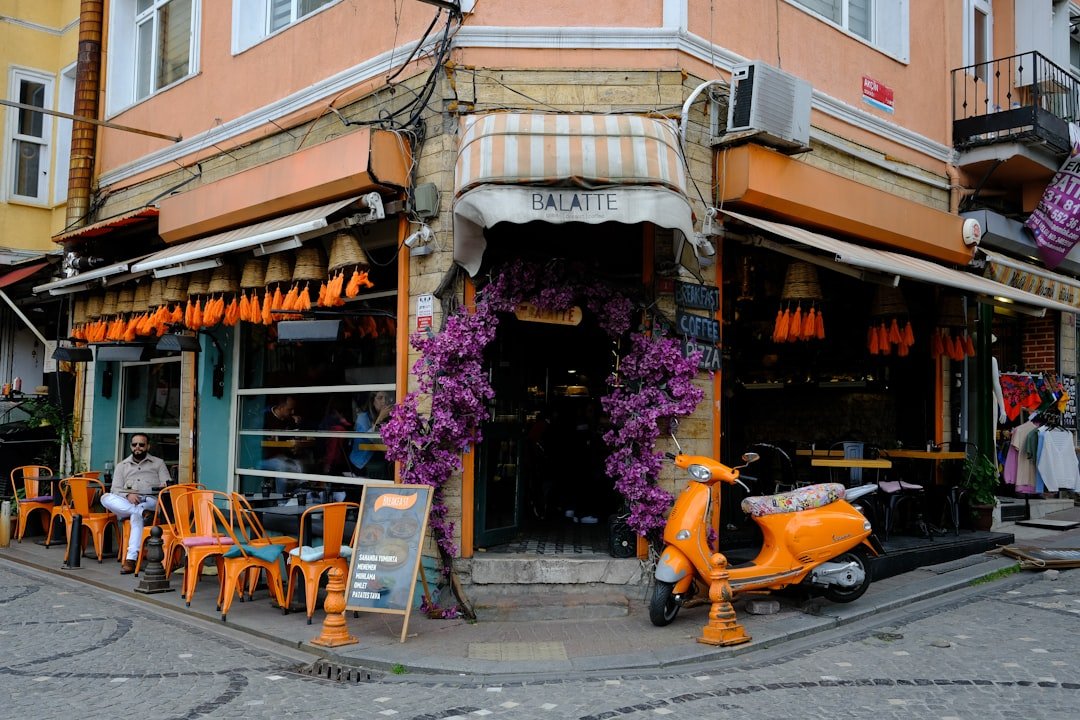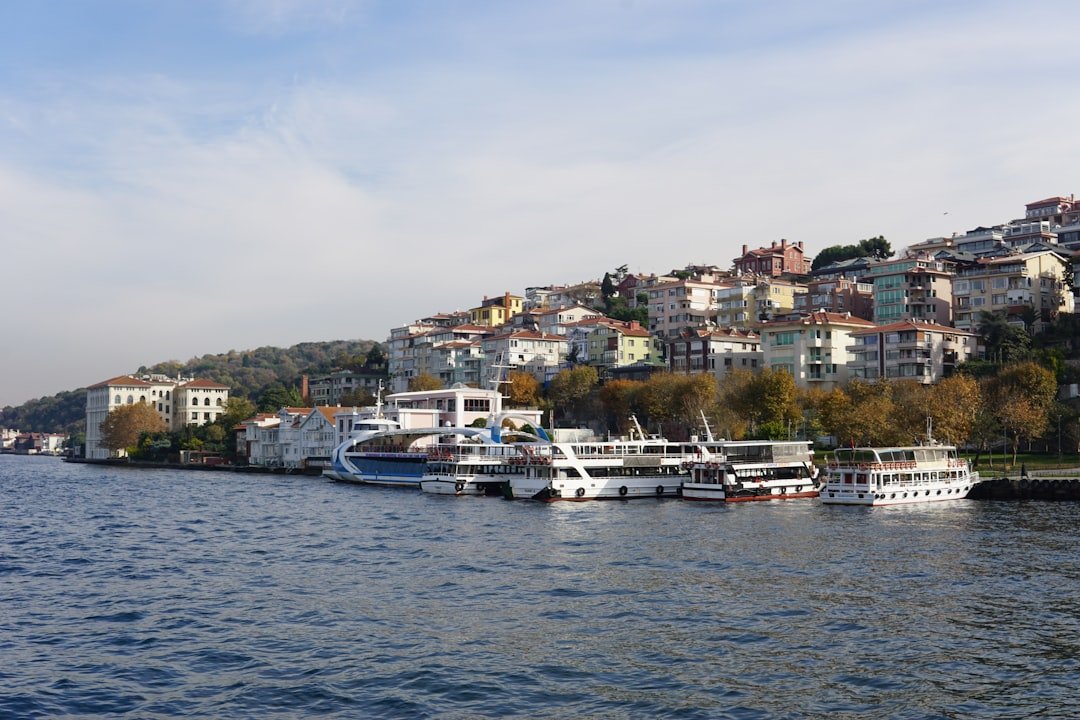
Üsküdar, on Istanbul’s Asian shore, is one of the city’s oldest continuously important settlement areas and a historic gateway between the Bosphorus and Anatolia. Known in antiquity as Chrysopolis, the district later became a Byzantine staging point, an early Ottoman foothold facing Constantinople, and a major Ottoman departure point for roads, armies, trade, and pilgrimage. Today, its waterfront, mosques, churches, synagogue heritage, palaces, markets, parks, and modern rail links make its layered history unusually easy to see.
Quick Answer
Üsküdar’s recorded urban history reaches back to at least the Archaic Greek period, when Chrysopolis developed on the Asian side of the Bosphorus. It later served Byzantine strategic needs, entered Ottoman control before Constantinople fell in 1453, and grew into a major Ottoman religious, residential, commercial, and transport center.
Key Takeaways
- Ancient Üsküdar was known as Chrysopolis, meaning “City of Gold.”
- Archaeological evidence supports occupation in the Archaic period, while local historical accounts traditionally date the Greek settlement to the 7th century BC.
- Its position opposite Constantinople made it important for military movement, trade, and crossings during Byzantine and Ottoman times.
- Major landmarks include the Maiden’s Tower, Mihrimah Sultan Mosque, Şemsi Pasha Mosque, Atik Valide Complex, Yeni Valide Mosque, and Beylerbeyi Palace.
- Üsküdar’s wider district, especially Kuzguncuk and Bağlarbaşı, preserves visible Muslim, Armenian Christian, Greek Orthodox, and Jewish heritage.
- Modern Üsküdar remains a major transport interchange linking ferries, Marmaray, buses, and the M5 metro.
Üsküdar’s Ancient Roots
The early history of Üsküdar is best described with care because ancient settlement dates vary by source. Archaeological finds from Marmaray-era excavations show that the area associated with ancient Chrysopolis reaches back at least to the Archaic period. The Üsküdar Municipality history also records a traditional foundation in the 7th century BC by Greek colonists from Megara.
Chrysopolis means “City of Gold.” Ancient explanations for the name differ, but the settlement’s position on the Bosphorus clearly made it valuable. In 410 BC, the Athenian commander Alcibiades took Chrysopolis and used it as a point for collecting tolls from Black Sea shipping. In AD 324, the Battle of Chrysopolis ended with Constantine I defeating Licinius, a decisive event in the struggle for control of the Roman Empire.
During the Hellenistic and Roman eras, Chrysopolis remained closely tied to traffic between the Bosphorus and Anatolia. Its importance did not come from monumental urban development alone; it also came from location. The shore offered a practical departure and arrival point for people, goods, and armies moving between Constantinople and Asia.
A Short Timeline of Üsküdar
| 7th century BC | Traditional date for the Greek settlement of Chrysopolis. |
| 410 BC | Alcibiades captured Chrysopolis and used it to collect tolls on Black Sea shipping. |
| AD 324 | Constantine defeated Licinius at the Battle of Chrysopolis. |
| 12th century | The name Skoutarion came into use during the Byzantine period. |
| 1338 | Ottoman ruler Orhan Gazi took Üsküdar, giving the Ottomans a base facing Constantinople. |
| 16th–18th centuries | Major Ottoman mosque complexes reshaped Üsküdar’s skyline and civic life. |
| 1863–1865 | The present Beylerbeyi Palace was built under Sultan Abdülaziz. |
| 2017–2026 | Successive phases of the M5 metro expanded rail access from Üsküdar eastward to Sultanbeyli. |
Üsküdar’s Role in Byzantine and Ottoman History
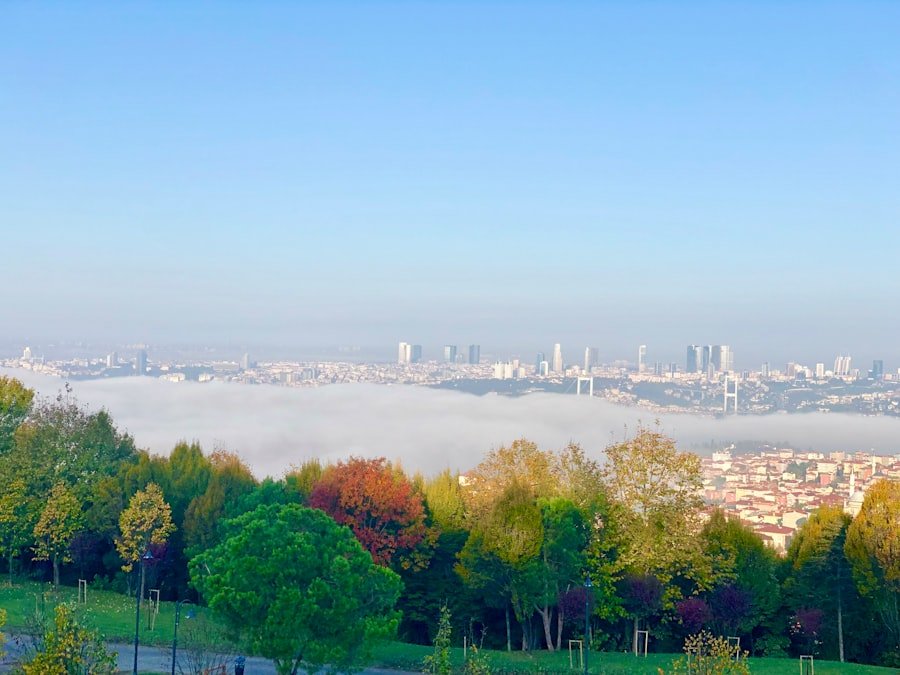
During the Byzantine period, Chrysopolis and later Skoutarion stood directly across the Bosphorus from Constantinople. This made the area a natural staging point for movements toward Asia and a strategic location for anyone approaching the imperial capital from the east. The district’s value was therefore tied as much to roads and crossings as to urban settlement.
Ottoman influence arrived before the conquest of Constantinople. According to Üsküdar Municipality’s historical account, Orhan Gazi took the area in 1338. After 1453, Üsküdar became one of the principal Ottoman communities outside the old walled city and an important starting point for routes into Anatolia and onward toward the eastern provinces and the pilgrimage roads.
The Ottoman centuries transformed Üsküdar’s built environment. Mihrimah Sultan, daughter of Süleyman the Magnificent, commissioned the waterfront Mihrimah Sultan Mosque, designed by Mimar Sinan and completed in the 1540s. Sinan also designed the compact Şemsi Pasha Mosque on the Bosphorus shore and the large Atik Valide complex associated with Nurbanu Sultan. Mosques, schools, fountains, baths, cemeteries, lodges, markets, and residences together gave Üsküdar the urban character still visible today.
Üsküdar’s historical importance came from a simple advantage that lasted for centuries: it was Istanbul’s Asian gateway, where routes across the Bosphorus met the roads of Anatolia.
Architectural Treasures of Üsküdar
| Architectural Treasure | Why It Matters |
|---|---|
| Maiden’s Tower (Kız Kulesi) | A repeatedly rebuilt Bosphorus landmark on a small islet off Salacak, historically connected with maritime control, defense, and quarantine. |
| Mihrimah Sultan Mosque | A prominent waterfront mosque designed by Mimar Sinan for Mihrimah Sultan and built in the 1540s. |
| Şemsi Pasha Mosque | A small 1580 Mimar Sinan complex admired for the way its mosque, tomb, madrasa, courtyard, and shoreline fit together. |
| Atik Valide Mosque and Complex | A major Mimar Sinan külliye commissioned by Nurbanu Sultan, mother of Sultan Murad III, and completed in the 16th century. |
| Yeni Valide Mosque | An early-18th-century Ottoman mosque built for Emetullah Râbi’a Gülnûş Sultan, mother of Sultan Ahmed III. |
| Beylerbeyi Palace | The present palace was built in 1863–1865 as an Ottoman summer residence and state guest palace on the Asian shore. |
The best-known landmark is the Maiden’s Tower, which stands about 200 meters off the Salacak coast. Structures on the islet have been rebuilt repeatedly because of earthquakes, weather, and exposure to the sea. Much of the tower’s present form dates to the reign of Sultan Mahmud II, and the site later served quarantine functions before becoming a visitor monument.
Üsküdar’s Ottoman mosques show several periods of imperial architecture. The waterfront Mihrimah Sultan Mosque creates a monumental entrance to the district, while Şemsi Pasha Mosque is much smaller and more intimate. Yeni Valide Mosque represents early-18th-century Ottoman design, and the Atik Valide complex extends beyond a single prayer hall to include educational and charitable functions typical of a külliye.
Beylerbeyi Palace adds a later imperial layer. The National Palaces Administration dates the present palace to 1863–1865 under Sultan Abdülaziz. It functioned as a summer palace and a residence for high-level foreign guests, combining Ottoman spatial traditions with strong Western decorative influences.
Üsküdar’s Cultural and Religious Diversity
Üsküdar’s history is not only Islamic or imperial. Its wider district preserves evidence of Muslim, Armenian Christian, Greek Orthodox, and Jewish communities that lived in the same urban landscape at different periods. Kuzguncuk is especially important for understanding this multicultural history because mosques, churches, a synagogue, cemeteries, and old residential streets survive within a compact area.
One documented Armenian landmark is Surp Garabed Armenian Church in Üsküdar. The Armenian Patriarchate reports that a church existed there shortly before 1593, followed by repeated renovations and rebuilding. Jewish heritage is also still visible in the district: the Turkish Jewish Community lists Kuzguncuk Bet Yaakov Synagogue among Istanbul’s active synagogues.
Greek Orthodox heritage is also present in neighborhoods such as Kuzguncuk. Together with mosques, Armenian churches, synagogues, and historic cemeteries, these sites show that Üsküdar’s cultural identity was shaped by multiple communities rather than by one tradition alone.
Note: Religious buildings are active community spaces as well as historic sites. Visitor access can vary, and some synagogues require advance contact and identification.
Üsküdar in Modern Times
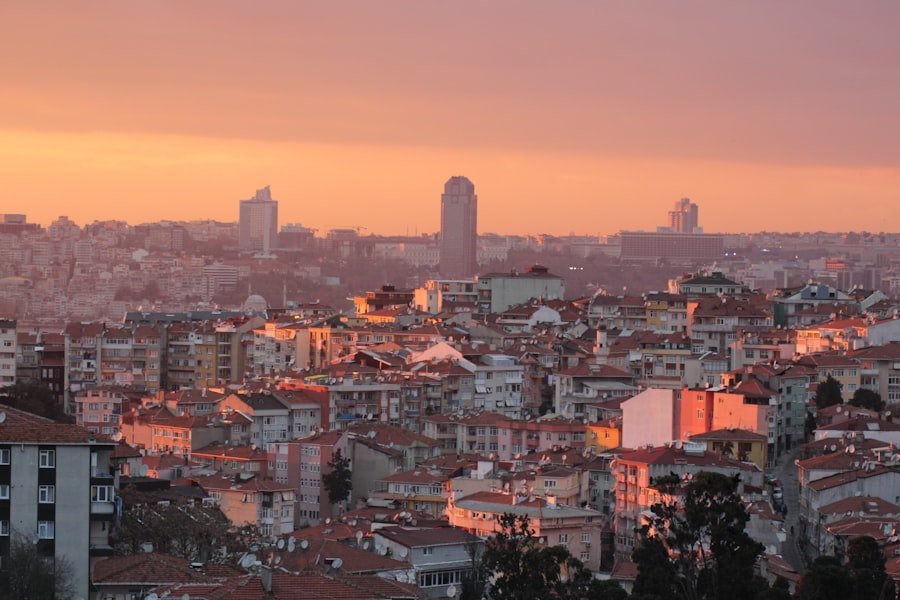
Modern Üsküdar remains a busy urban center, but its historic waterfront and neighborhoods still shape everyday life. Markets, tea houses, cafés, small shops, religious buildings, and public squares continue to sit beside large-scale transport infrastructure. That mix of old and new is one of the district’s defining features.
Transport has changed especially quickly. Üsküdar is linked to the European side by ferries and Marmaray and to large parts of the Asian side by metro and bus. The M5 Üsküdar–Sultanbeyli Metro Line began opening in phases in 2017 and reached Sultanbeyli in May 2026. At Üsküdar station, passengers can transfer to Marmaray, buses, and ferry piers.
These connections strengthen a role that Üsküdar has played for centuries: serving as a transfer point between the Bosphorus waterfront and routes leading deeper into Anatolia. The technologies are new, but the geographic logic is very old.
Exploring Üsküdar’s Waterfront and Parks
One of Üsküdar’s most attractive features is its Bosphorus waterfront. The promenade around Üsküdar and Salacak offers views toward the historic peninsula, the European shore, and the Maiden’s Tower. Ferries, fishing boats, commuter traffic, cafés, and public seating make the waterfront both a transport corridor and a social space.
Green areas add another side to the district. Fethi Paşa Grove stretches across the slopes above the Bosphorus near Kuzguncuk and provides walking areas and viewpoints. Çamlıca Hill, farther inland within the wider district, is another major elevated green space known for broad views over Istanbul. These parks give residents and visitors places to step away from the dense urban streets without leaving Üsküdar.
Pro Tip: For a history-focused walk, combine Üsküdar Square, Mihrimah Sultan Mosque, Şemsi Pasha Mosque, the Salacak waterfront, and views of the Maiden’s Tower. That route shows how religious, civic, and maritime history overlap in a small area.
Preserving Üsküdar’s Heritage for Future Generations
Üsküdar’s historic buildings face the same pressures seen across many large cities: heavy use, redevelopment, weather, earthquakes, changing infrastructure, and the practical needs of active neighborhoods. Preservation therefore involves more than keeping old façades. It requires careful restoration, continued maintenance, documentation, and uses that allow historic places to remain part of daily life.
The Maiden’s Tower is a recent example. According to Türkiye’s Ministry of Culture and Tourism, the monument was transferred to the ministry in 2020 and underwent extensive restoration from 2021 to 2023 before reopening as a monument for visitors. The work removed later additions that did not match the historic character and restored original details where possible.
Preservation also depends on community institutions. Mosques, churches, synagogues, cemeteries, palaces, fountains, groves, and historic streets each tell a different part of Üsküdar’s story. Protecting that variety is essential because the district’s identity comes from layers of history rather than a single era.
Üsküdar therefore remains one of Istanbul’s clearest examples of continuity across time. Ancient Chrysopolis, Byzantine Skoutarion, Ottoman Üsküdar, and the modern transport hub all occupy the same strategic shore. Its history survives not only in famous monuments but also in the routes, neighborhoods, religious communities, waterfront spaces, and public life that continue to define the district.
If you are exploring other cultural and food topics on the site, you may also enjoy exploring the delightful world of Asian melon and its regional significance.
Frequently Asked Questions
What is the history of Üsküdar?
Üsküdar developed from ancient Chrysopolis on the Asian side of the Bosphorus. It was important during Byzantine times because of its position opposite Constantinople and became an Ottoman foothold before 1453. Under Ottoman rule it grew into a major residential, religious, commercial, and transport center.
How old is Üsküdar?
Archaeological evidence supports occupation in the Archaic period, and local historical accounts traditionally place the Greek settlement of Chrysopolis in the 7th century BC. Claims that the historic urban settlement itself dates securely to the 3rd millennium BCE are not supported by the strongest sources reviewed for this article.
What are some historical landmarks in Üsküdar?
Important landmarks include the Maiden’s Tower, Mihrimah Sultan Mosque, Şemsi Pasha Mosque, Atik Valide Mosque and Complex, Yeni Valide Mosque, and Beylerbeyi Palace. Historic churches, synagogues, cemeteries, fountains, and mansions add to the district’s architectural heritage.
How has Üsküdar’s history influenced its culture?
Centuries of movement between Europe and Asia brought traders, soldiers, pilgrims, officials, craftspeople, and different religious communities through Üsküdar. That history is still visible in its waterfront life, Ottoman complexes, churches, synagogues, cemeteries, markets, and neighborhood traditions.
What role did Üsküdar play in the Byzantine and Ottoman empires?
In Byzantine times, the settlement opposite Constantinople was a strategic staging point for traffic and military movement into Asia. Under the Ottomans, Üsküdar became a key departure point for roads into Anatolia and a major suburban center filled with religious, educational, charitable, commercial, and residential buildings.
Why was Üsküdar called Chrysopolis?
Chrysopolis means “City of Gold.” Ancient and later writers offered different explanations for the name, including connections to Persian gold deposits, mythology, or the quality of the harbor. The exact origin of the name is not certain.
How has Üsküdar evolved over time?
Üsküdar evolved from an ancient Bosphorus settlement into a Byzantine staging point, an Ottoman gateway to Anatolia, and a dense modern district. Its current transport network continues the same geographic role, with ferries, Marmaray, buses, and the M5 metro meeting near the waterfront.
Sources
- Üsküdar Municipality — History of Üsküdar — ancient Chrysopolis, Byzantine history, the Ottoman takeover, and historical routes.
- Türkiye Ministry of Culture and Tourism — Maiden’s Tower — the tower’s history, restoration, location, and documented uses.
- National Palaces Administration — Beylerbeyi Palace — construction dates, imperial use, and architecture.
- Metro Istanbul — M5 Üsküdar–Sultanbeyli Metro Line — current route, opening phases, and Üsküdar interchange connections.
- Armenian Patriarchate — Surp Garabed Armenian Church, Üsküdar — documented history of the church and its rebuilding.
- Turkish Jewish Community — Synagogues — current listing for Kuzguncuk Bet Yaakov Synagogue.