Galata is a strong starting point for an informal Istanbul street-food walk. The steep lanes around Galata Tower descend into Karaköy, where takeaway counters, bakeries, dessert shops, ferry traffic, and the Galata Bridge waterfront sit close together. The bridge crosses the Golden Horn toward Eminönü; the wider Bosphorus opens beyond the waterfront.
Quick Answer
The best street food around Galata includes fresh simit, balık ekmek near the Karaköy and Galata Bridge waterfront, döner or çiğ köfte from a busy takeaway counter, roasted chestnuts in cooler weather, and baklava in Karaköy. Midye dolma and kokoreç are popular choices, but careful vendor selection matters.
Key Takeaways
- Use Galata, Karaköy, and the Galata Bridge waterfront as one walkable food area, but remember that some famous Istanbul dishes are better associated with other neighborhoods.
- Start with simit or a pastry, choose one filling savory dish, and finish with baklava rather than trying every food in one sitting.
- Balık ekmek, midye dolma, döner, çiğ köfte, roasted chestnuts, tavuk pilav, and kokoreç are established parts of Istanbul’s wider street-food culture.
- For lower food-safety risk, favor food that is fully cooked and served steaming hot. Seafood, shellfish, raw garnishes, and lukewarm food need extra caution.
- Recipes vary. Ask about meat, dairy, butter, egg, sesame, gluten, nuts, fish, and shellfish when you have dietary restrictions or allergies.
Popular Street Foods and Where to Try Them Around Galata
The area is compact enough for a self-guided walk. Begin near Galata Tower or Şişhane, follow the lanes downhill into Karaköy, and continue toward the north side of Galata Bridge. Crossing the bridge brings you to Eminönü, where you may find additional waterfront food options. Exact stalls and opening hours can change, so treat the locations below as useful zones rather than guaranteed vendor addresses.
| Food | What It Is | Where It Fits |
| Simit | A sesame-coated bread ring with a crisp crust and chewy center. | A practical morning snack near Galata, Karaköy, ferry approaches, and busy streets. |
| Balık ekmek | A fish sandwich commonly served with bread, onion, greens, salad, or lemon, depending on the seller. | Best suited to lunch or early evening near Karaköy, Galata Bridge, or Eminönü. |
| Midye dolma | Mussels filled with seasoned rice and served in the shell with lemon. | A common evening snack, but shellfish requires careful handling and temperature control. |
| Döner or kokoreç | Döner is sliced meat cooked on a vertical spit. Kokoreç is seasoned, grilled lamb intestine, usually chopped and served in bread. | Look for busy takeaway counters in Karaköy and the wider Beyoğlu area. |
| Baklava | Thin pastry layers filled with nuts and sweetened with syrup. | A rich dessert stop in Karaköy; one or two pieces may be enough after a savory meal. |
Carts, Kiosks, and Waterfront Classics
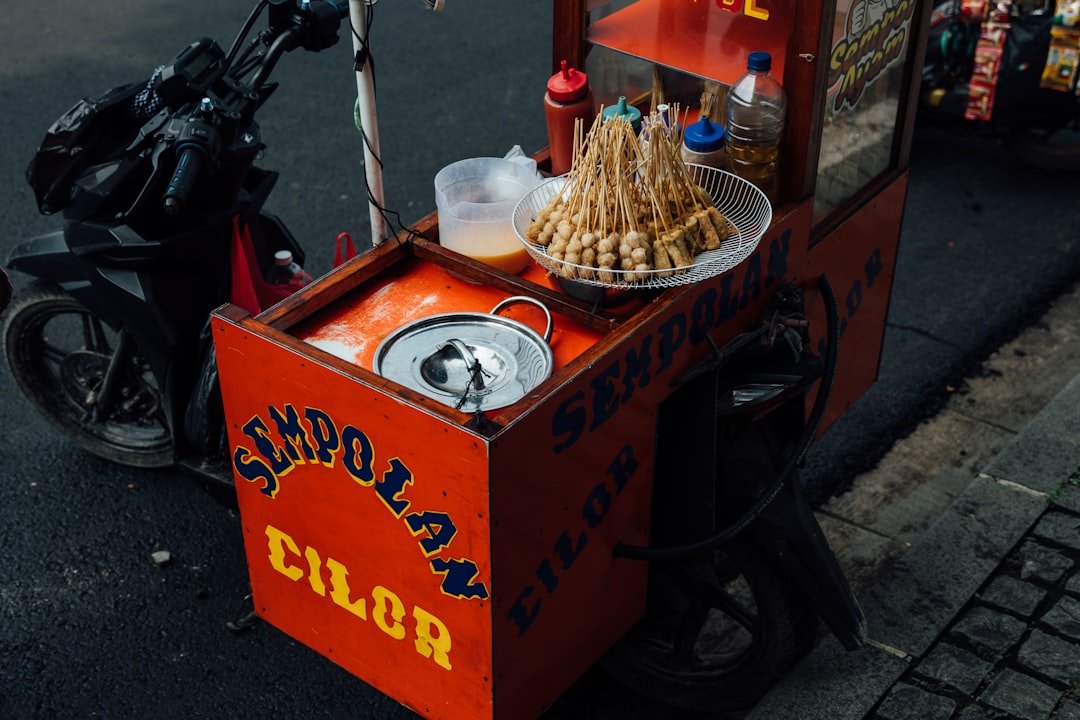
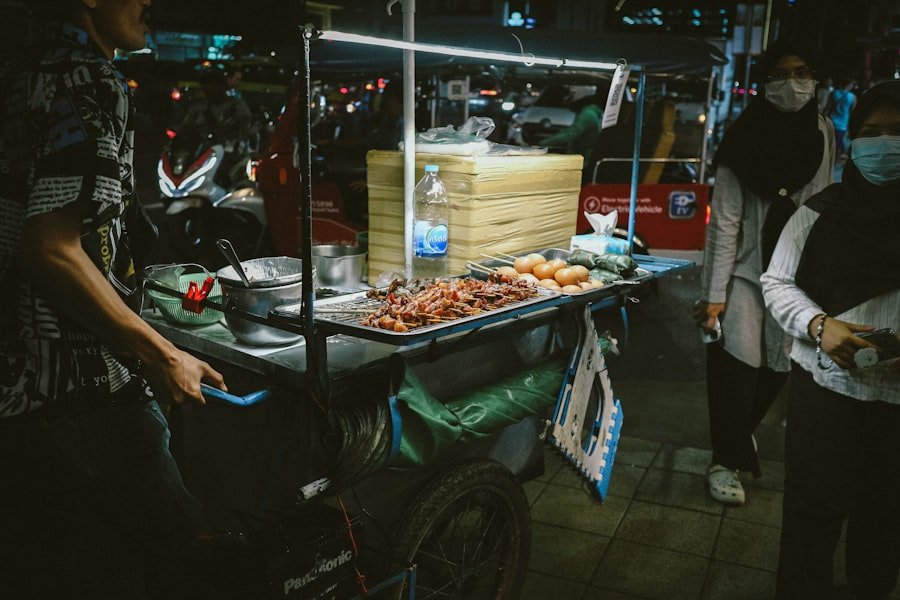
For the most traditional street-food feel, look for fresh simit, roasted chestnuts, corn, rice carts, döner counters, and other quick snacks. GoTürkiye’s Istanbul street-food guide also identifies döner, tavuk pilav, midye dolma, kumpir, roasted chestnuts, and balık ekmek as familiar city foods. Near Karaköy and the Galata Bridge approaches, balık ekmek is the clearest waterfront choice.
Note: Galata Bridge spans the Golden Horn, not the Bosphorus. You can still enjoy broad water views from Galata and Karaköy, but use “Golden Horn waterfront” when describing the bridge area precisely.
Historic Shops and Bakery Chains Worth Knowing
Karaköy Güllüoğlu is a shop rather than a street cart. Its official history says the family opened its first Istanbul baklava shop in Karaköy in 1949. It is a logical dessert stop after savory food near the waterfront.
Simit Sarayı is a bakery-café chain whose official timeline begins with its first shop in 2002. It can be convenient for simit, tea, and pastries, but a fresh ring from a traditional cart offers a different experience. Availability and freshness matter more than choosing a famous brand.
The History and Evolution of Street Food in Galata
Galata and nearby Karaköy developed around trade, ports, banking, ferries, bridges, and heavy foot traffic. Portable foods suit that setting because workers, commuters, residents, and visitors can buy them quickly and eat without a long sit-down meal.
The official Galata Tower Museum page explains that the Genoese built the tower in the mid-14th century as part of Galata’s defenses and that it later served different functions under the Ottomans. Across those eras, the district remained connected to commerce and movement. Bread, grilled meat, fish, shellfish, rice dishes, and sweets all fit a place built around people passing through.
Today, Galata’s food identity is part of wider Istanbul culture rather than a closed neighborhood cuisine. Many dishes in this guide appear across the city. Galata and Karaköy add a distinct setting of steep streets, the historic tower, the Tünel area, ferry traffic, and views over the Golden Horn.
Must-Try Street Food Dishes in Galata
A balanced tasting plan is easier on your appetite: choose one small bread or pastry, one filling savory item, a drink, and a modest dessert. Share portions when possible so you can compare more than one flavor without wasting food.
Simit
Simit is a simple way to begin. It is easy to carry and best when the crust is fresh and crisp. Eat it plain or pair it with tea. Because recipes and handling vary, do not assume every simit is vegan; ask about dairy or egg when that matters. Simit contains wheat and sesame, two important allergens.
Balık Ekmek
Balık ekmek means fish in bread and is one of Istanbul’s best-known waterfront foods. GoTürkiye specifically points visitors toward Karaköy and Eminönü for the experience. Fillings vary, so expect some combination of grilled fish, onion, tomato, greens, salad, and lemon rather than one fixed recipe.
Midye Dolma
Midye dolma combines mussels with seasoned rice and lemon. It is often eaten one shell at a time and can be easy to over-order. Shellfish is highly perishable, so popularity alone does not prove that a vendor is safe. Skip mussels that seem warm rather than properly hot or cold, have been exposed for a long time, or are handled carelessly.
Warning: The CDC advises travelers to avoid street-vendor food when possible. When you choose to eat it, fully cooked food served steaming hot is safer than lukewarm food, raw seafood, undercooked meat, or raw garnishes. People who are pregnant, immunocompromised, very young, older, or allergic to shellfish should be especially cautious.
Kokoreç
Kokoreç is made from seasoned lamb intestine that is grilled, chopped, and usually served in bread. Its flavor is rich, salty, and smoky. Order a small portion if you are new to offal, and choose a place where the meat is cooked thoroughly and served hot.
Çiğ Köfte
The çiğ köfte sold by many modern takeaway shops is a meat-free mixture based on bulgur, tomato or pepper paste, spices, and herbs. It may be shaped into patties or rolled in lavash with lettuce, lemon, and pomegranate molasses. GoTürkiye includes çiğ köfte in its vegetarian Istanbul route, but sauces and preparation surfaces can vary, so ask before treating it as vegan or suitable for a severe allergy.
Kumpir
Kumpir is a baked potato whose soft center is mixed with butter and cheese before toppings are added. Olives, pickles, corn, salads, and sauces are common choices. It belongs in a wider Istanbul street-food guide, but GoTürkiye identifies Ortaköy as the classic area for kumpir. Treat it as an optional find around Galata, not a dish you are guaranteed to see on this route.
Baklava
Baklava is a natural final stop in Karaköy. It is rich, so a small serving usually works well after fish, döner, or another filling snack. Traditional versions commonly contain wheat, butter or clarified butter, and pistachios or walnuts. Ask staff about ingredients when you have dairy, gluten, or nut restrictions.
The Best Times and Places to Experience Galata’s Street Food Culture
Timing changes both the food and the atmosphere. Morning is calmer and works well for simit, pastries, tea, or coffee. Lunch brings more activity to Karaköy. Late afternoon and early evening are useful for combining food with daylight views and the waterfront after sunset.
- Morning: look for simit, pastries, tea, and coffee near Galata Tower, Şişhane, and Karaköy.
- Lunch: choose döner, tavuk pilav, çiğ köfte, or balık ekmek.
- Evening: the waterfront becomes more atmospheric, and foods such as kokoreç, midye dolma, and roasted chestnuts may be easier to spot.
- Cool weather: roasted chestnuts and hot tea suit the steep outdoor walk.
- Weekends and holidays: expect denser pedestrian traffic around Galata Tower, Karaköy, and the bridge approaches.
Pro Tip: Start near Galata Tower in late afternoon and walk downhill. If steep or uneven streets are difficult, use the historic Tünel connection between Beyoğlu and Karaköy, then build a flatter route near the waterfront.
Street Food Etiquette and Tips for Enjoying the Experience
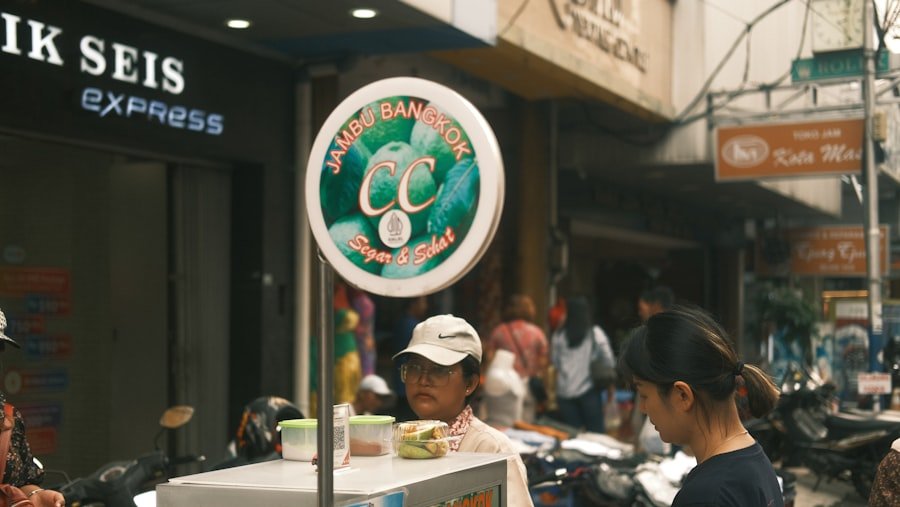
Street food in Galata is casual, but narrow sidewalks and busy entrances can become crowded. Decide what you want before reaching the front, keep payment ready, and step aside after ordering. Ask before taking a close photo of a seller or stall.
- Use turnover as one clue, not a guarantee. A busy stall may replenish food faster, but cleanliness, cooking temperature, and handling still matter.
- Order simply. “Bir tane” means “one.” Pointing politely also works when a menu is not available in English.
- Confirm the price first. Ask or check the displayed menu before ordering, especially when portions or toppings can change the total.
- Carry flexible payment. Cards are common in established shops, while small carts may prefer cash.
- Step out of the flow. Move away from doorways, tram paths, ferry queues, and narrow corners before eating or checking your phone.
- Keep tissues and sanitizer handy. Fish sandwiches, mussels, sauces, syrup, and lemon can be messy.
Vegetarian and Vegan Options Around Galata
Vegetarian visitors can usually build a good tasting route from roasted chestnuts, corn, simit, some börek, meat-free çiğ köfte, stuffed grape leaves, and selected kumpir or gözleme fillings. GoTürkiye’s vegetarian route specifically points to roasted chestnuts in Galata and meat-free çiğ köfte elsewhere in central Istanbul.
Vegan travelers need to check ingredients rather than relying on a dish name. Butter, cheese, yogurt, egg wash, meat stock, and shared grills can change whether a food fits. Ask about sauces and preparation surfaces when cross-contact matters. Plain-looking pastries may still contain dairy or egg.
Important Allergens to Ask About
- Wheat and gluten: simit, bread, lavash, börek, gözleme, baklava, and many sauces.
- Sesame: simit and some breads or garnishes.
- Milk: kumpir, pastries, baklava, sauces, and some breads.
- Egg: pastry washes, doughs, and some sauces.
- Nuts: pistachio or walnut baklava and other sweets.
- Fish and shellfish: balık ekmek and midye dolma; shared utensils may also matter.
Food Safety Tips for Street Food in Galata
Street food always carries some risk because storage, refrigeration, water, and handling are not equally visible at every stall. The CDC’s current traveler food and drink guidance recommends avoiding street vendors when possible. When you decide to eat street food, choose fully cooked items served steaming hot and avoid food that is raw, undercooked, or lukewarm.
- Choose food cooked thoroughly and served immediately.
- Avoid raw or undercooked fish, shellfish, meat, and eggs.
- Be careful with raw salad, herbs, cut fruit, sauces, and garnishes when water and handling are uncertain.
- Wash your hands with soap and water before eating; use sanitizer with at least 60% alcohol when washing is not available.
- Choose unopened, factory-sealed drinks when you are unsure about water quality.
- Do not use appearance or crowd size as your only safety test.
A Simple Galata Street-Food Walk
This route is flexible and does not depend on one seller being open. Allow about 90 minutes for a quick walk or two to three hours when you stop, share food, and take photos.
- Start near Galata Tower: look for fresh simit, tea, coffee, a pastry, or roasted chestnuts in cool weather.
- Walk downhill toward Karaköy: browse takeaway counters for döner or meat-free çiğ köfte. The lanes are steep and may be uneven.
- Pause for baklava: stop at Karaköy Güllüoğlu or another established sweet shop and order a small portion.
- Continue to the Galata Bridge approach: look for balık ekmek near the waterfront and watch the ferry and fishing activity.
- Cross toward Eminönü only if you want more: the south side of the bridge can extend the walk with additional waterfront choices.
- Finish based on appetite: choose tea, roasted chestnuts, kokoreç, or another small snack rather than forcing a final dish.
How to Reach the Route
Şişhane on the M2 metro is useful for starting near the upper Galata area. Karaköy is served by the T1 tram and ferry connections. Metro Istanbul’s T1 line information lists Karaköy as an interchange for the historic F2 Karaköy-Beyoğlu Tünel and sea transport. Starting uphill and walking down is usually easier than doing the route in reverse.
The Influence of Different Cultures on Galata’s Street Food
Galata’s food culture reflects Istanbul’s role as a meeting point for ports, neighborhoods, regions, religions, and trading communities. The street-food scene does not belong to one narrow tradition. It draws from wider city habits, including fish near the water, Anatolian breads and pastries, southeastern flavors in çiğ köfte and baklava, and quick meals built for commuters.
This mix explains why a Galata food walk can move from a sesame bread ring to a fish sandwich, stuffed mussels, grilled offal, and syrup-soaked pastry within a relatively small area. The setting is local, but the foods represent many parts of Türkiye and Istanbul.
The Future of Street Food in Galata: Trends and Innovations
Galata’s strongest street-food traditions are likely to remain simple: bread, grilled meat, seafood, rice dishes, chestnuts, and sweets that are easy to serve quickly. The forms may change as more customers use digital maps, review menus online, pay by card, and expect clearer ingredient information.
The useful direction is not turning every snack into an upscale restaurant dish. It is keeping food accessible and walkable while improving visible hygiene, temperature control, allergen communication, waste handling, and price clarity. Travelers should still verify current opening hours and vendor locations because small businesses and mobile carts can change.
Frequently Asked Questions
What is street food in Galata?
It includes quick foods sold from carts, kiosks, takeaway counters, bakeries, waterfront stands, and small shops around Galata Tower, Karaköy, and Galata Bridge. Common choices include simit, balık ekmek, döner, kokoreç, midye dolma, çiğ köfte, roasted chestnuts, rice dishes, and baklava.
What are the best street foods to try near Galata?
Start with simit, choose balık ekmek or döner for a filling savory item, and finish with baklava in Karaköy. Roasted chestnuts, meat-free çiğ köfte, kokoreç, and midye dolma add variety, depending on your diet and comfort with food-safety risk.
Is street food in Galata safe to eat?
No street vendor is risk-free. The CDC recommends avoiding street-vendor food when possible. When you choose it, favor fully cooked food served steaming hot and avoid lukewarm dishes, raw seafood, undercooked meat, and raw garnishes when handling or water quality is uncertain.
What is the best time for a Galata street-food walk?
Morning is calm and suits simit or pastries. Lunch works well for döner, rice, çiğ köfte, or fish. Late afternoon into evening offers the best mix of daylight, sunset, waterfront atmosphere, and a wider choice of snacks.
Can I find vegetarian or vegan street food in Galata?
Vegetarian options can include roasted chestnuts, corn, simit, selected pastries, meat-free çiğ köfte, and customized potatoes or flatbreads. Vegan suitability varies because butter, cheese, yogurt, egg, sauces, and shared cooking surfaces may be involved. Ask about ingredients every time.
Is Galata or Karaköy better for street food?
They work best as one route. Galata gives you the historic tower and steep lanes. Karaköy offers more takeaway counters, bakeries, dessert shops, transit connections, and access to the Galata Bridge waterfront.
How long does a Galata street-food walk take?
A direct downhill walk can take about 90 minutes with one or two quick stops. Allow two to three hours when you plan to share several foods, take photos, sit by the water, or cross Galata Bridge toward Eminönü.
What should I check if I have food allergies?
Ask about wheat, sesame, milk, egg, nuts, fish, shellfish, meat stock, sauces, and shared cooking surfaces. Do not assume that plain simit is dairy-free, that every çiğ köfte wrap is vegan, or that separate utensils are used.
Sources
- GoTürkiye: Istanbul Street Food — supports the descriptions and city context for döner, tavuk pilav, midye dolma, kumpir, roasted chestnuts, and balık ekmek.
- GoTürkiye: Istanbul Vegetarian Street-Food Route — supports roasted chestnuts in Galata and çiğ köfte as a vegetarian street-food option.
- Karaköy Güllüoğlu Official History — supports the opening of the family’s first Istanbul baklava shop in Karaköy in 1949.
- Republic of Türkiye Ministry of Culture and Tourism: Galata Tower Museum — supports the Genoese and Ottoman history of Galata Tower.
- Metro Istanbul: T1 Tram Line — supports Karaköy’s interchange with the F2 historic Tünel and sea transport.
- CDC: Food and Drink Considerations When Traveling — supports the traveler food-safety, handwashing, hot-food, raw-food, and sealed-drink guidance.