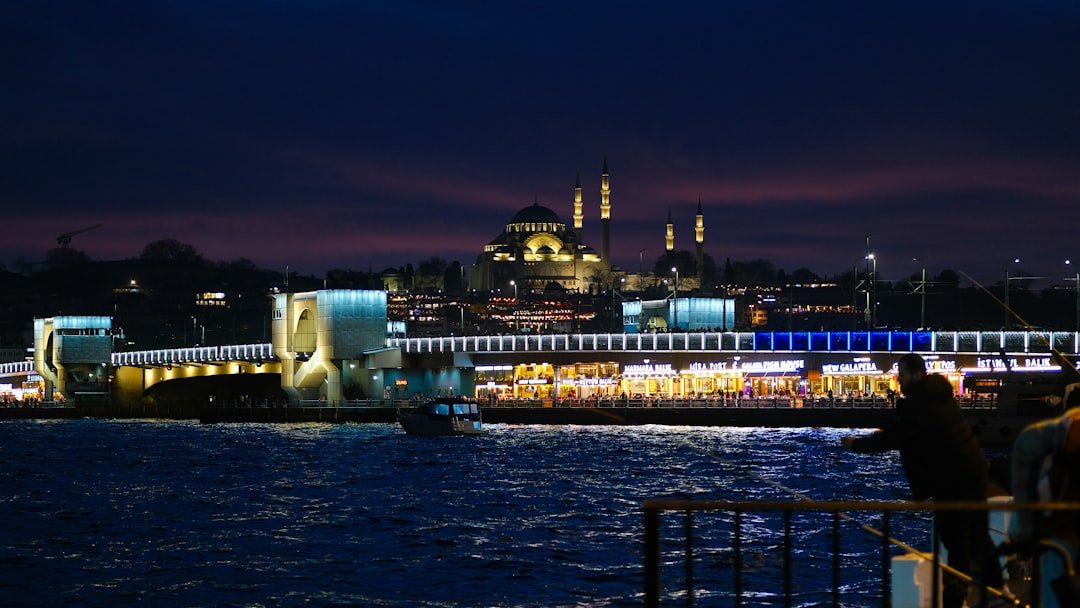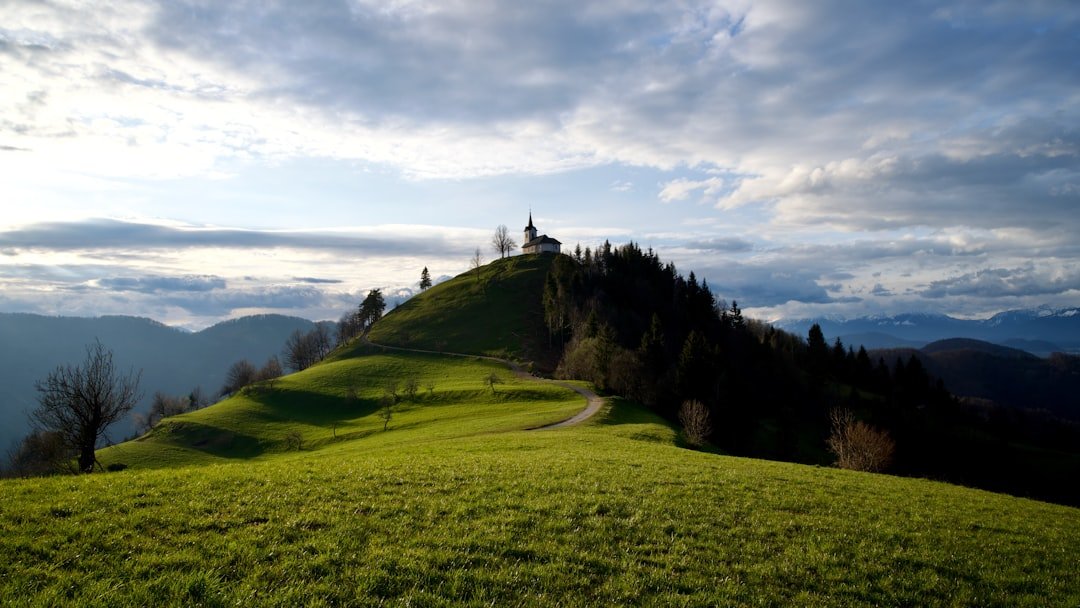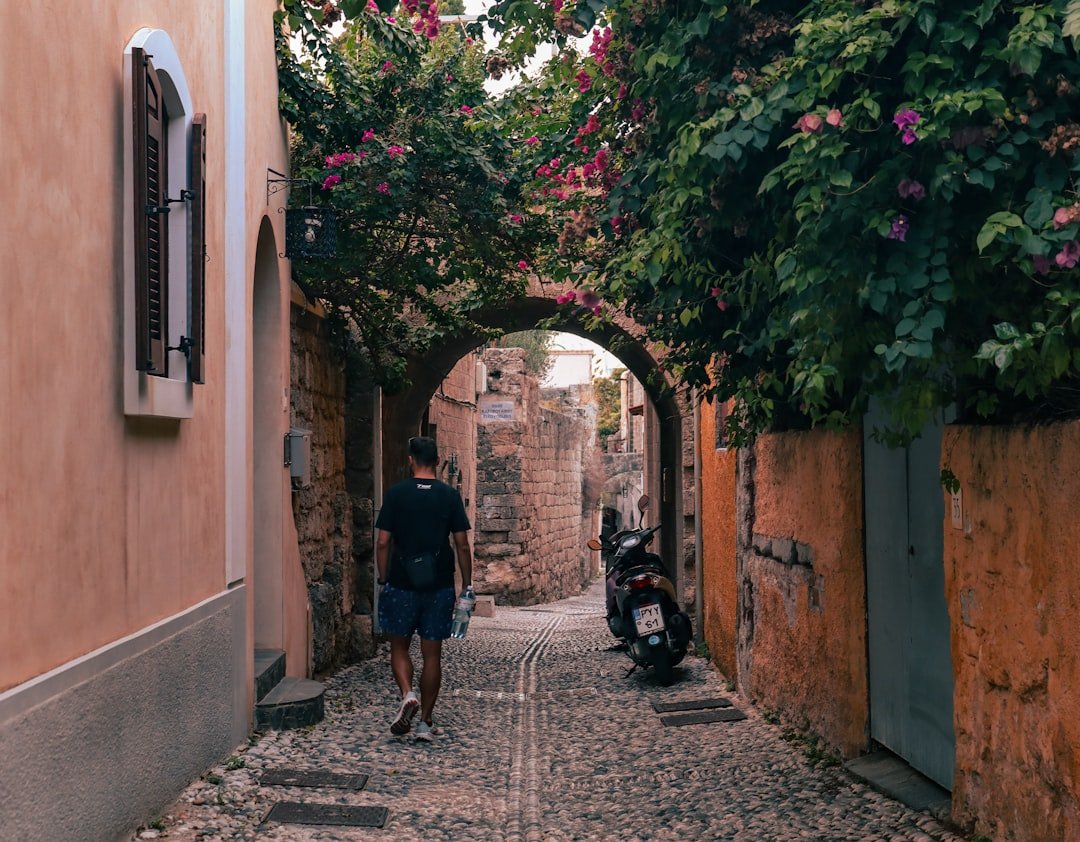
Heybeliada is the second-largest of Istanbul’s Princes’ Islands and one of the easiest places to trade city traffic for pine-covered hills, historic religious sites, wooden houses, swimming coves, and a slower waterfront atmosphere. Its Turkish name refers to the island’s saddlebag-like shape rather than hemp cultivation, and its mix of history and nature makes it well suited to a full-day trip from Istanbul.
Quick Answer
The best Heybeliada hidden gems combine history and nature: Aya Triada and the historic Halki Seminary, Aya Yorgi Uçurum Monastery, Değirmenburnu Nature Park, Akvaryum Koyu, Alman Koyu, quiet streets of wooden houses, and the island’s waterfront cafés. Arrive by ferry, then explore mainly on foot, by bicycle, or with regulated electric transport.
Key Takeaways
- Heybeliada is the second-largest Princes’ Island and is known for pine-covered hills, historic institutions, wooden houses, coves, and a relaxed waterfront.
- Do not plan on a horse-drawn carriage. The old carriage system ended in 2020; visitors now mainly walk, cycle, or use regulated electric public transport.
- Aya Triada, the historic Halki Theological School, and Aya Yorgi Uçurum Monastery are separate places or institutions and should not be confused with one another.
- Akvaryum Koyu and Alman Koyu are among the island’s better-documented coastal stops.
- For nature, Değirmenburnu Nature Park is one of the most useful stops close to the ferry area.
- Ferry timetables, beach facilities, and access to institutional or religious sites can change, so check current information before your trip.
At a Glance
| Time Required | A full day is ideal; allow roughly 6–10 hours on the island if you want history, food, nature, and a coastal stop. |
| Difficulty | Easy to moderate. The waterfront is straightforward, but monastery and hill routes involve slopes. |
| Tools Needed | Comfortable walking shoes, water, sun protection, phone with offline map access, and seasonal swimming gear. |
| Cost | Variable. Budget for ferry transport, meals, and any optional beach-club, bicycle, or electric-transport charges. |
How to Get to Heybeliada and Get Around
Heybeliada has regular ferry connections with Istanbul and the other main Princes’ Islands. Routes and departure times vary by day and season, so check the official Şehir Hatları Princes’ Islands timetable before leaving rather than relying on an old schedule.
Depending on the route, services connect Heybeliada with piers such as Bostancı, Maltepe, Kadıköy, Beşiktaş, Kabataş, and neighboring islands. An early departure gives you more flexibility, especially if you want to combine historical sights with a beach or cove.
Ordinary road traffic is heavily restricted on the Princes’ Islands. The former horse-drawn carriage system was stopped in 2020, and Istanbul Metropolitan Municipality introduced electric public-transport vehicles. Walking and cycling remain excellent ways to explore shorter distances. You can read the municipality’s background on the transport transition through Istanbul Metropolitan Municipality’s Adalar planning documentation.
Note: Heybeliada has hills. If you plan to visit the monastery and seminary areas as well as the coast, wear proper walking shoes and avoid building an itinerary that depends on covering the entire island on foot in summer heat.
Historic Monasteries and the Halki Theological School
Heybeliada’s religious history is one of the strongest reasons to visit. The island contains several distinct sites that are sometimes confused in travel articles.
Aya Triada, or Holy Trinity Monastery, stands on Ümit Hill and forms the historic setting of the Halki Theological School. The monastery has much older roots, while the theological school itself was established in 1844. The school became an important center for Orthodox theological education before its higher-education activity ended in 1971.
The school and monastery should not be confused with Aya Yorgi Uçurum Monastery, another historic Heybeliada landmark. Türkiye’s official tourism guide dates Aya Yorgi to approximately the end of the 16th century and describes its position on a hill looking toward Büyükada. See the official GoTürkiye Heybeliada guide for these landmarks.
The climb toward the Holy Trinity and Halki Seminary area also gives you a better sense of Heybeliada’s wooded hills and elevated views. Because religious, institutional, restoration, and visitor-access arrangements can change, confirm current access before planning your day around entering specific buildings.
Heybeliada’s historical appeal is not one single monastery: Aya Triada and the Halki Seminary form one important complex, while Aya Yorgi Uçurum Monastery is a separate historic site.
Heybeliada Beaches, Coves, and Swimming Spots
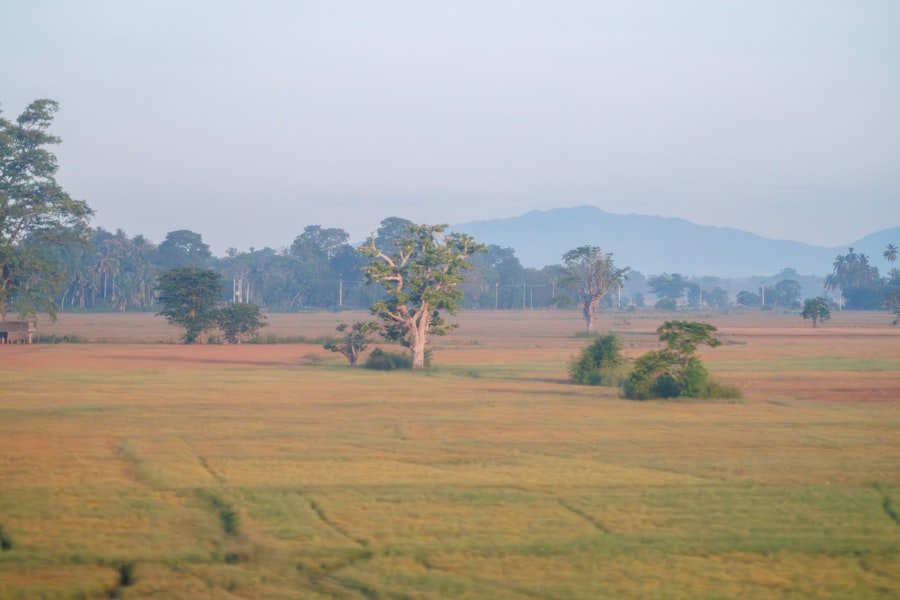
Swimming is a major reason people visit Heybeliada in warm weather, but it is better to plan around verified coves and current beach operations than assume every named beach has permanent facilities.
Akvaryum Koyu (Aquarium Cove) is one of the island’s best-known coastal areas. Official Turkish tourism material also highlights Alman Koyu (German Cove), which has a stonier shore facing more open water. Beach businesses, access arrangements, loungers, changing facilities, and food service can be seasonal, so check locally before committing to a particular beach club.
If swimming is the main purpose of your visit, summer offers the warmest and busiest conditions. If you are more interested in hiking, architecture, and quiet streets, spring and early autumn can be more comfortable.
Warning: Some coves have rocky or uneven entries. Use designated swimming areas where available, watch local conditions and boat activity, supervise children closely, and consider water shoes for stony shorelines.
Local Food and What to Eat on Heybeliada
| Food Choice | What to Expect | Good Time to Order It |
|---|---|---|
| Grilled fish or seafood | Simple preparations served at waterfront restaurants; availability depends on the restaurant and season. | Lunch or dinner |
| Meze | Small shared dishes that may include vegetables, yogurt-based preparations, olives, cheese, and seafood. | A relaxed shared meal |
| Turkish breakfast | Tea with bread, cheese, olives, eggs, tomatoes, and other breakfast items depending on the café. | After arriving on a morning ferry |
| Balık ekmek | A fish sandwich associated with Istanbul’s waterfront food culture; menus and preparation vary by venue. | Quick lunch |
The island’s waterfront restaurants naturally make fish and seafood popular choices, while meze offers an easy way to sample several flavors at one meal. Stuffed grape leaves, eggplant dishes, cheeses, olives, salads, and fresh bread are common elements of Turkish meze culture.
If you drink alcohol, some restaurants may serve rakı, the anise-flavored spirit traditionally paired with meze and seafood. It is optional rather than essential to the island dining experience.
Instead of searching for a supposedly exclusive “Heybeliada dish,” focus on choosing a restaurant with a menu and setting that suits you. A long waterfront lunch can be one of the easiest ways to slow the pace of a day trip.
Historic Streets and Architecture of Heybeliada
The streets around Heybeliada contain wooden houses, historic mansions, gardens, cafés, and architectural details associated with the island’s development as a summer retreat. Regular ferry connections in the 19th century helped transform the Princes’ Islands into fashionable seasonal destinations, and Western architectural influences became increasingly visible alongside Ottoman-era traditions.
Walking is the best way to notice these details. Rather than rushing directly from the ferry to a beach, spend time on the quieter streets behind the waterfront. Balconies, timber façades, garden walls, and old houses help explain why the island feels different from central Istanbul.
Heybeliada is also associated with Turkish literary history. Writer Hüseyin Rahmi Gürpınar spent decades on the island, and GoTürkiye identifies his former home as a museum associated with his life and work.
Pro Tip: Give yourself at least 30–45 minutes with no fixed destination near the residential streets. Heybeliada is more rewarding when you leave room for slow walking instead of treating every stop as a checklist item.
Değirmenburnu Nature Park and Heybeliada’s Green Side
For an easy nature stop, head to Değirmenburnu Nature Park. Türkiye’s Ministry of Agriculture and Forestry records the park as a 12.28-hectare protected recreation area established in 2011. Its dominant tree species is Turkish red pine, and the park sits within walking distance of the Heybeliada ferry area.
The park is useful for picnics, shade, gentle walking, and a break from the busier waterfront. It also gives families and visitors who do not want a long hill climb an accessible taste of the island’s greener landscape.
You can check the official park listing at the Ministry’s Değirmenburnu Nature Park page.
Heybeliada’s hills and pine cover are an important part of the experience. If you enjoy birdwatching or nature photography, walk quietly and treat the wooded areas as natural habitat rather than only as picnic space.
Heybeliada’s Cultural and Religious Heritage
Heybeliada’s identity reflects several layers of Istanbul history. Greek Orthodox institutions are especially prominent, but the wider Princes’ Islands have also been shaped by Muslim, Armenian, Jewish, and other communities over different periods.
Religious buildings, summer houses, educational institutions, waterfront life, and literary associations all contribute to that cultural landscape. The island is therefore more than a swimming destination: its compact size makes it possible to see how Istanbul’s multicultural history extended beyond the mainland.
Summer events and occasional open-air cultural activities add another layer, but programs change from year to year. Instead of planning a trip around an assumed annual festival, check the current Istanbul and Adalar event calendars shortly before visiting.
The historic Halki Theological School is particularly important in Orthodox history. A Greek Orthodox Archdiocese account records that the theological school was established at the Holy Trinity Monastery in 1844. Its historical importance remains significant even though its educational status has changed over time. See the Greek Orthodox Archdiocese background on Halki.
Art, Literature, and Small Cultural Discoveries
Heybeliada’s artistic appeal is best understood through its architecture, literary connections, religious heritage, seasonal cultural activity, and the visual character of the island rather than through unsupported claims about permanent street-art districts or guaranteed artisan workshops.
Look for small galleries, exhibitions, book-related events, and local cultural venues when they are operating, but treat these as changing discoveries rather than fixed attractions. This approach makes the guide more useful because small island businesses and exhibition programs can change between seasons.
For a more dependable cultural stop, combine the historic residential streets with the sites connected to Hüseyin Rahmi Gürpınar and the island’s religious institutions. These give you a clearer sense of the people and communities that shaped Heybeliada.
Meeting Locals and Experiencing Island Life
Heybeliada moves at a noticeably slower pace than central Istanbul. The ferry pier, tea gardens, cafés, waterfront restaurants, residential streets, and parks all provide opportunities to observe everyday island life.
Be considerate when exploring residential areas. Many attractive wooden houses are private homes rather than tourist attractions, so photograph respectfully and avoid entering gates or courtyards without permission.
A simple tea or coffee break can be as valuable as another sightseeing stop. Sitting near the waterfront between walks gives you time to watch ferries arrive, see how residents move around the island, and adjust your itinerary without rushing.
Quiet Coves and Coastal Stops
For visitors who want to move beyond the busiest waterfront, Akvaryum Koyu and Alman Koyu are two coastal names supported by Türkiye’s official tourism information. Akvaryum Koyu is often promoted as one of Heybeliada’s tucked-away coastal spots, while Alman Koyu is known for its stonier shoreline and open-sea setting.
Reaching less-developed coastal areas can involve slopes, uneven surfaces, or longer walks. Do not assume every cove has toilets, food, lifeguards, loungers, or changing rooms. Carry water and decide in advance whether you want an organized beach facility or a simpler natural shoreline.
These coastal stops work best when you treat them as part of the landscape rather than promises of complete solitude. Heybeliada is a popular Istanbul day-trip destination, especially on sunny summer weekends.
Planning the Perfect Heybeliada Day Trip
A well-paced day is more enjoyable than trying to cover every corner of the island. Start with an early ferry so you have time to adjust if a site is closed or a beach is busy.
Morning: Arrive, Eat, and Explore the Historic Center
After leaving the ferry, have Turkish tea, coffee, or breakfast near the waterfront. Then walk through the nearby streets and begin your historical sightseeing before the hottest part of the day.
If access and your fitness level allow, continue toward the Aya Triada/Holy Trinity and Halki Seminary area. Give yourself time for the uphill route rather than treating it as a quick stop.
Late Morning: Add a Historic Monastery or Nature Stop
Choose another historical stop such as Aya Yorgi Uçurum Monastery, or head toward Değirmenburnu Nature Park if you prefer an easier green-space break. Trying to do every hill and every coastline in a single morning can make the trip feel rushed.
Lunch: Slow Down by the Waterfront
Return toward the waterfront for grilled fish, seafood, meze, or another Turkish meal. Check the menu and prices before ordering, particularly at seasonal waterfront venues.
Afternoon: Swim or Walk the Coast
In warm weather, use the afternoon for a beach or cove such as Akvaryum Koyu or Alman Koyu. Outside swimming season, substitute a longer coastal walk, architectural wandering, or additional time in Değirmenburnu Nature Park.
Evening: Return to the Ferry with Time to Spare
Finish with tea, ice cream, or a relaxed waterfront walk before your ferry. Recheck your return departure rather than assuming the schedule is identical every day.
Note: Summer weekends can be much busier than weekdays. For quieter streets and easier restaurant seating, arrive early or consider a weekday visit.
Optional reading: If you are also browsing food-related content on Tagline Today, there is a separate article about Asian melon varieties. It is not part of the Heybeliada travel guide, but the existing link is retained here as clearly separated additional reading.
Frequently Asked Questions
What are some hidden gems in Heybeliada?
Good places to explore include Aya Triada/Holy Trinity Monastery and the historic Halki Theological School, Aya Yorgi Uçurum Monastery, Değirmenburnu Nature Park, Akvaryum Koyu, Alman Koyu, and the quieter residential streets behind the waterfront.
What is the Haghia Triada Monastery?
Haghia Triada, also written Aya Triada or Holy Trinity Monastery, is an important Greek Orthodox religious site on Heybeliada. The historic Halki Theological School was established on the monastery grounds in 1844.
What is the Heybeliada Greek Orthodox School?
The institution usually meant by this description is the Halki Theological School, also known in Turkish as Heybeliada Ruhban Okulu. It should not be confused with the historic Great School of the Nation/Phanar Greek Orthodox College in Istanbul’s Fener district.
What is the Halki Theological School?
The Halki Theological School is a historic Orthodox theological institution established in 1844 at the Holy Trinity Monastery on Heybeliada. It played an important role in training Orthodox clergy before its higher theological education activity ended in 1971. Visitor and institutional access can change, so verify current arrangements before going.
Are horse-drawn carriages still used on Heybeliada?
No. Istanbul’s former horse-drawn carriage transport on the Princes’ Islands was stopped in 2020. Visitors now mainly walk, cycle, or use regulated electric public-transport services.
How do you get to Heybeliada from Istanbul?
Heybeliada is reached by ferry. Şehir Hatları and other authorized operators serve the Princes’ Islands from several Istanbul piers. Routes and times vary, so check the official timetable for your travel date.
What is the best time to visit Heybeliada?
Summer is best if swimming is your priority, although weekends can be crowded. Spring and early autumn are often more comfortable for walking, cycling, historic sites, and exploring the island’s hills.
Sources
- GoTürkiye — Heybeliada — historical landmarks, hills, coves, architecture, and cultural attractions.
- GoTürkiye — The Princes’ Islands — Heybeliada’s saddlebag-name origin, island size, traffic character, and general visitor context.
- Istanbul Metropolitan Municipality — Adalar Planning and Transport Records — 2020 transition away from horse-drawn carriages and introduction of electric island transport.
- Şehir Hatları — Princes’ Islands Ferry Timetable — current ferry connections involving Heybeliada.
- Republic of Türkiye Ministry of Agriculture and Forestry — Değirmenburnu Nature Park — park designation, area, vegetation, and location information.
- Greek Orthodox Archdiocese — Theological School in Halki — Holy Trinity Monastery and the 1844 establishment of the Halki Theological School.