Emirgan offers a quieter side of Istanbul along the European shore of the Bosphorus. The neighborhood is best known for Emirgan Grove, but there is much more within a relatively compact area: historic Ottoman pavilions, the Sakıp Sabancı Museum, an 18th-century mosque, old waterfront architecture, tea and breakfast stops, and scenic walks beside the water.
Some stories commonly repeated about Emirgan are difficult to verify, so the best way to explore the neighborhood is to focus on places with a documented history. That still leaves plenty to discover, especially if you visit early, walk beyond the busiest flower beds, and give yourself time to explore both the hilltop grove and the Bosphorus shore.
Quick Answer
The best hidden gems in Emirgan include the Yellow, Pink, and White Pavilions inside Emirgan Grove, the Sakıp Sabancı Museum and its Bosphorus garden, Hamid-i Evvel Mosque, the historic waterfront around Emirgan Pier, and quiet walking paths above the shore. Visit on a weekday morning for a calmer experience.
Key Takeaways
- Emirgan’s name comes from Emir Güne Han, also known as Emirgûne, rather than a Persian phrase meaning “prince garden.”
- Emirgan Grove covers about 47.2 hectares and contains three historic 19th-century pavilions: Yellow, Pink, and White.
- April is the famous tulip season, but it is also one of the busiest times to visit.
- The Sakıp Sabancı Museum is one of the neighborhood’s most important cultural attractions and deserves its own stop.
- Public transport is usually easier than driving, particularly during spring weekends when traffic and parking can be difficult.
Why Emirgan Is Worth Exploring
Emirgan sits between Boyacıköy and İstinye in Istanbul’s Sarıyer district. Its position beside the Bosphorus has shaped the neighborhood for centuries, while the steep green slopes behind the shore give it a very different character from the dense historic center.
The name has an interesting history. Istanbul Metropolitan Municipality records that the area once known as Feridun Gardens was granted to Emir Güne Han, the commander of Revan who entered Ottoman service during the reign of Sultan Murad IV. The name Emirgûne gradually evolved into Emirgan. You can read the municipality’s historical overview on its official Emirgan page.
The same source notes that the area was associated with cypress trees during the Byzantine period and later developed as an Ottoman estate. The neighborhood grew further around its mosque, waterfront homes, gardens, and transportation links along the Bosphorus.
Emirgan Grove: The Neighborhood’s Green Heart
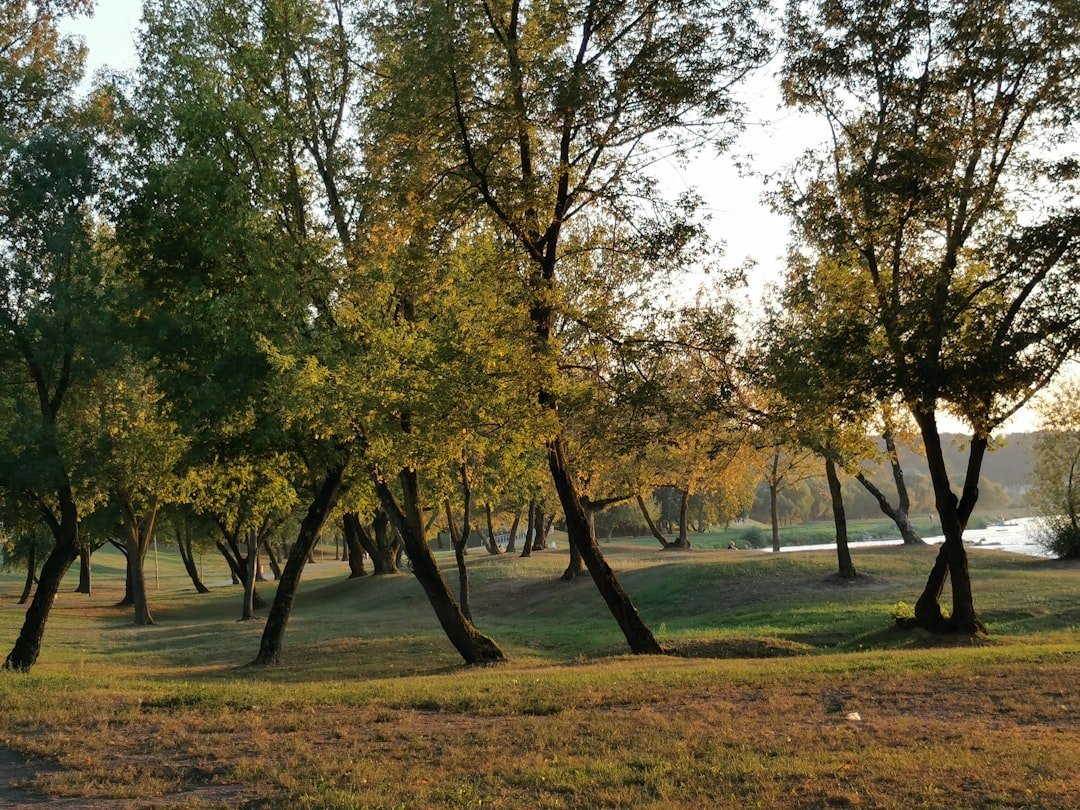
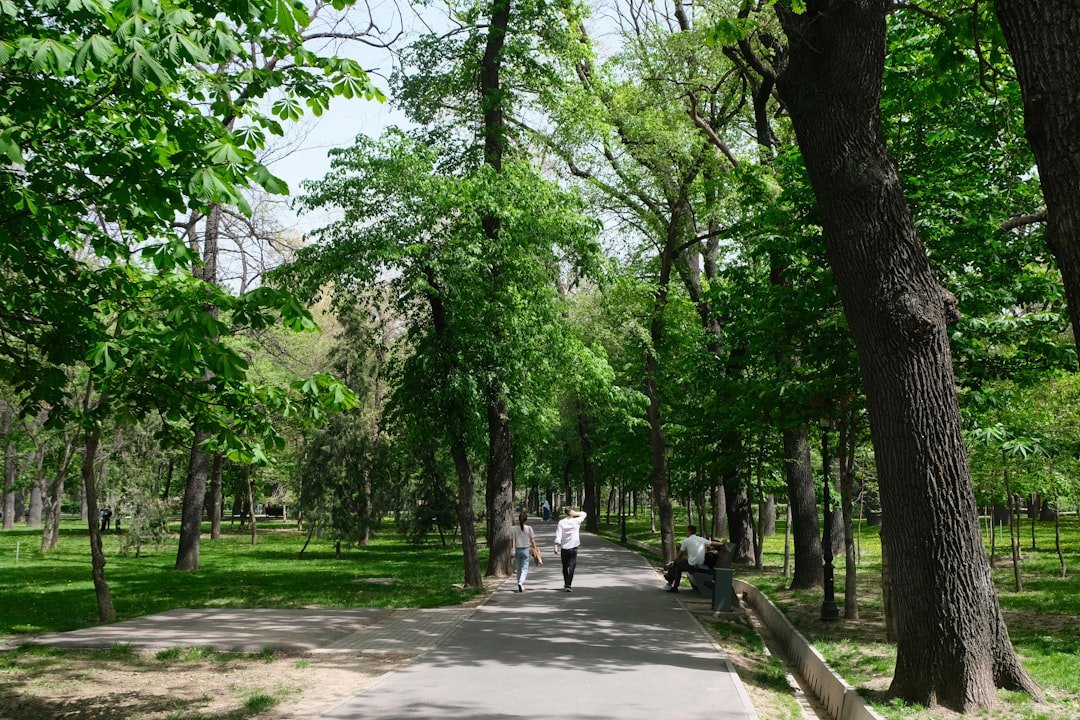
Emirgan Grove, also called Emirgan Park or Emirgan Korusu, is the neighborhood’s largest attraction. According to the Sarıyer District Governorate, the grove covers about 47.2 hectares on slopes overlooking the Bosphorus. Its paths pass mature trees, flower beds, ponds, lawns, picnic areas, and viewpoints.
Emirgan Grove covers about 47.2 hectares—roughly 117 acres—making it large enough to wander beyond the busiest entrances and find quieter paths.
Look for the Yellow, Pink, and White Pavilions
Three surviving 19th-century buildings are among the grove’s most distinctive features. They are commonly known by their colors: the Yellow Pavilion, Pink Pavilion, and White Pavilion. Istanbul Metropolitan Municipality dates their construction to the period between 1871 and 1878, when the estate belonged to Egyptian Khedive Ismail Pasha.
Rather than rushing from one flower display to another, use the pavilions as landmarks for a longer walk through the grove. Their architecture, surrounding vegetation, ponds, and changing Bosphorus views reveal more of Emirgan’s history than a quick stop at the main entrance.
Find the Quieter Paths and Ponds
The grove contains more than the heavily photographed tulip beds. Paths wind through wooded slopes, around ponds, and between open lawns. Visit Istanbul describes the park as a place for family walks, picnics, outdoor play, and nature photography, with quieter corners away from the main circulation routes.
If you want a calmer visit, arrive early on a weekday and continue uphill after the first major flower displays. The terrain becomes more peaceful as you move away from entrances and popular photo points.
Pro Tip: Emirgan’s steep slopes make the park feel much larger than it looks on a map. Wear comfortable shoes and save some energy for the climb back if you descend toward the Bosphorus.
Visit During Tulip Season—But Know What to Expect
Spring is Emirgan’s most famous season. Istanbul has a long cultural association with tulips, and Emirgan Grove becomes one of the city’s main display areas during April.
For the 2026 season, Istanbul Metropolitan Municipality reported planting a total of 3.58 million tulips across Emirgan Grove, Gülhane, Göztepe 60th Year Park, and Hidiv Grove. The city’s 2026 Tulip Celebration took place on April 11–12, although exact festival programs and bloom timing change from year to year.
If tulips are your priority, April is the obvious choice. If peaceful walking matters more, late spring after the main tulip crowds, early autumn, or a mild winter weekday can offer a much quieter experience.
Note: Flowering dates depend on weather, and annual event dates change. Check Istanbul Metropolitan Municipality announcements shortly before an April trip rather than relying on a fixed festival date from a previous year.
Sakıp Sabancı Museum: Emirgan’s Essential Art Stop
The Sakıp Sabancı Museum is one of the strongest reasons to spend more than an hour or two in Emirgan. The museum occupies Atlı Köşk, or the Equestrian Mansion, overlooking the Bosphorus.
The mansion was commissioned in 1925 by Prince Mehmed Ali Hasan of Egypt’s Khedival family and completed in 1927. Hacı Ömer Sabancı purchased it in 1951, and the building later became part of Sabancı University. The museum opened to the public in 2002.
What You Can See Inside
The museum’s holdings include Ottoman calligraphy and manuscript arts, paintings, furniture and decorative arts, archaeological objects in the grounds, and material from the Emirgan Archive. Temporary international exhibitions, talks, workshops, concerts, and learning programs add another reason to check the current calendar before visiting.
The garden is also worth time on its own. It contains sculptures, stone works, contemporary installations, and broad views across the Bosphorus.
Current Visitor Information
As of September 2026, the museum’s official visitor page lists opening hours of 10:00–18:00 from Tuesday through Sunday, with Monday closure and last entry at 17:30. Tuesday admission is currently listed as free. Hours, ticket prices, exhibitions, and free-entry policies can change, so verify them on the official museum visitor page before traveling.
The museum also states that wheelchair users can access exhibition areas through wheelchairs, passageways, elevators, and accessible toilets. Visitors with disabilities and one accompanying person currently receive free admission.
Emirgan Mosque and the Historic Waterfront
Near Emirgan Pier stands the Hamid-i Evvel Mosque, generally called Emirgan Mosque. According to the Istanbul Governorate, Sultan Abdülhamid I had the mosque built in 1781 in memory of his son Mehmed and Hümaşah Hatun.
The mosque forms part of a compact historic cluster near the Bosphorus. The Sultan Abdülhamid I Fountain stands close by, while Şerifler Yalısı is another surviving reminder of the waterfront architecture that once lined this section of the shore.
The Istanbul Governorate includes these landmarks in its official Emirgan–Yeniköy walking route, making the waterfront a useful extension to a grove or museum visit.
Note: Emirgan Mosque is an active place of worship. Visit respectfully, dress modestly, keep voices low, and avoid entering for sightseeing while prayers are underway.
Walk Along the Bosphorus
One of Emirgan’s simplest pleasures costs nothing: walk beside the water. The shoreline gives you views toward the Asian side of Istanbul, passing ferries, fishing boats, old waterfront homes, cafés, and small public spaces.
You do not need to search for an unnamed “secret viewpoint.” The most reliable scenery comes from the elevated paths of Emirgan Grove, the Sakıp Sabancı Museum garden, and the Bosphorus shore itself.
If you have extra time, continue north toward İstinye and Yeniköy. The official Emirgan–Yeniköy route highlights the area’s waterfront architecture and makes a pleasant extension after visiting the main Emirgan sights.
Food and Café Experiences in Emirgan
Emirgan is a good neighborhood for a slow Turkish breakfast or tea break. Around the waterfront and main square, look for cafés serving familiar breakfast items such as bread, cheese, olives, eggs, tea, menemen, and simit. Menus and businesses change, so it is better to choose a place based on current opening hours, menu, and seating rather than rely on an unnamed “hidden” restaurant.
Simit also makes an easy snack to carry on a waterfront walk. If you want a larger meal, the Bosphorus-side neighborhoods of Emirgan and nearby İstinye provide more choices than the upper sections of the grove.
The original version of this guide also linked to a separate article about Asian melon. That article is a general food read and is not a source for restaurants, markets, or attractions in Emirgan.
Art and Culture Beyond the Park
Claims about numerous unnamed “hidden galleries” and artisan workshops in Emirgan are difficult to verify. The neighborhood’s best documented center for art and cultural programming is the Sakıp Sabancı Museum.
Its program combines permanent collections with temporary exhibitions, learning programs, guided tours, workshops, talks, and occasional cultural events. This means two visits to Emirgan can feel different depending on what the museum is showing.
The museum’s Emirgan Archive is particularly relevant if you want to understand the neighborhood itself. It brings together photographs and written documents relating to Emirgan and its surroundings, including images of waterfront mansions and historic local life.
What Happened to the “Hidden Cistern” and Local Legends?
Travel articles sometimes become less reliable when they try too hard to manufacture hidden attractions. Reliable sources consulted for this guide do not document a Byzantine cistern, visible ancient fortification ruins, a princess-and-commoner ghost story, or protective forest spirits as established Emirgan attractions or traditions.
That does not mean Emirgan lacks history. Its documented story is already rich: Byzantine-era cypress-covered land, Feridun Gardens, Emir Güne Han, Ottoman waterfront development, Sultan Abdülhamid I’s mosque, Khedive Ismail Pasha’s pavilions, historic yalı mansions, and the transformation of Atlı Köşk into one of Istanbul’s major museums.
If local history interests you, the Sakıp Sabancı Museum’s Emirgan Archive is a more dependable place to explore it than unsourced folklore.
Best Time to Visit Emirgan
April: Best for Tulips
Choose April if colorful flower displays are your main reason for visiting. Arrive early on a weekday if possible because weekends can become very busy during peak bloom.
May to June: Green and Pleasant
Late spring is a good compromise if you want long daylight, leafy scenery, and generally fewer tulip-season crowds.
September to October: Good for Walking
Early autumn can be comfortable for long walks through the grove and along the waterfront, especially if your priority is scenery rather than flowers.
Winter: Quietest Atmosphere
Cool or wet weather reduces crowds considerably. Some outdoor facilities may feel less lively, but the museum provides an excellent indoor stop.
How to Get to Emirgan
By Ferry
Emirgan has its own pier. Current Şehir Hatları Bosphorus services connect or pass through Emirgan on routes involving destinations such as Eminönü, Beşiktaş, Bebek, Kanlıca, İstinye, Sarıyer, and other Bosphorus stops depending on the line and day.
Schedules change seasonally, so check the official Şehir Hatları timetable before relying on a specific departure.
By Bus
The Sakıp Sabancı Museum lists Emirgan-Çınaraltı as the nearest bus stop and identifies several routes serving the coast, including connections from Kabataş, Taksim, İstinye, 4. Levent, and other parts of Sarıyer. Check current IETT information on the day of travel because routes can change.
By Car
Driving is possible, but parking is limited. The Sakıp Sabancı Museum states that its own car park has capacity for only about 30 vehicles, with additional public parking potentially available along the coastal road.
Warning: Traffic around Emirgan can become heavy during popular April tulip weekends. Public transport is usually the less stressful choice if you are visiting during peak spring crowds.
A Simple Half-Day Emirgan Route
- Start at Emirgan Pier or Çınaraltı. Take a few minutes beside the Bosphorus before heading inland.
- See Emirgan Mosque and the Sultan Abdülhamid I Fountain. They are close to the waterfront and provide useful historical context.
- Walk into Emirgan Grove. Allow at least 60–90 minutes for the paths, ponds, flower beds, and three colored pavilions.
- Descend toward the Sakıp Sabancı Museum. Visit the collections, current exhibition, and Bosphorus garden.
- Finish with tea, breakfast, or a late lunch near the waterfront. If you still have energy, continue walking north toward İstinye or Yeniköy.
This route works particularly well because the main attractions are close together, but the slopes mean walking times can feel longer than the map suggests.
Accessibility and Practical Tips
- Wear suitable shoes: Emirgan Grove has steep and sometimes lengthy slopes.
- Use the museum for an accessible cultural stop: Sakıp Sabancı Museum provides wheelchair routes, elevators, and accessible facilities.
- Start early in April: Morning visits are generally easier for walking and photography before crowds build.
- Check ferry schedules: Bosphorus services vary by day and season.
- Check museum hours: Exhibitions, ticket prices, and opening policies can change.
- Respect the mosque: Avoid sightseeing during prayer and dress appropriately.
- Allow more time than expected: The grove’s elevation changes make a short-looking route surprisingly substantial.
Frequently Asked Questions
What are the best hidden gems in Emirgan?
Good places to look beyond the most obvious flower displays include the Yellow, Pink, and White Pavilions in Emirgan Grove, the Sakıp Sabancı Museum garden and Emirgan Archive, Hamid-i Evvel Mosque, the Sultan Abdülhamid I Fountain, the historic waterfront around Emirgan Pier, and quieter upper paths in the grove.
What is the Sakıp Sabancı Museum?
The Sakıp Sabancı Museum is an art and cultural museum in Emirgan housed in Atlı Köşk, a Bosphorus mansion completed in 1927. Its collections include Ottoman calligraphy and manuscripts, paintings, furniture and decorative arts, archaeological objects, and the Emirgan Archive. It also hosts temporary exhibitions and cultural programs.
What is Emirgan Park?
Emirgan Park, more accurately called Emirgan Grove or Emirgan Korusu, is a roughly 47.2-hectare public green space overlooking the Bosphorus. It is known for mature trees, ponds, walking paths, picnic areas, three historic pavilions, and large tulip displays in spring.
What is Emirgan Mosque?
Emirgan Mosque, formally Hamid-i Evvel Mosque, is an Ottoman mosque near Emirgan Pier. Sultan Abdülhamid I had it built in 1781. It remains an active place of worship, so visitors should dress modestly and avoid entering for sightseeing during prayers.
When is the best time to see tulips in Emirgan?
April is usually the main tulip month in Istanbul, and Emirgan Grove is one of the city’s major display locations. Bloom timing varies with weather, so check current municipal updates before traveling. Weekday mornings are generally preferable if you want fewer people.
Can you reach Emirgan by ferry?
Yes. Emirgan Pier is served by Şehir Hatları Bosphorus routes, although stops and departure times depend on the line, day, and seasonal timetable. Check the official ferry schedule before setting out.
How much time should I spend in Emirgan?
Allow at least half a day to combine Emirgan Grove, the waterfront, mosque, and Sakıp Sabancı Museum. A full day is better if you want a long breakfast, a relaxed museum visit, extensive park walking, or a continuation toward İstinye and Yeniköy.
Sources
- Istanbul Metropolitan Municipality — Emirgan — neighborhood-name history, grove history, pavilions, area, tree diversity, and tulip tradition.
- Sarıyer District Governorate — Emirgan Grove — 47.2-hectare area, ownership history, pavilions, and development as a public park.
- Istanbul Metropolitan Municipality — 2026 Tulip Celebration — 2026 tulip displays and April event information.
- Sakıp Sabancı Museum — Plan Your Visit — current opening hours, admission information, transport, parking, and visitor details.
- Istanbul Governorate — Emirgan–Yeniköy Walking Route — Emirgan Mosque, fountain, Şerifler Yalısı, and waterfront history.
- Şehir Hatları — Bosphorus Ferry Timetable — current ferry services calling at Emirgan Pier.