Fatih is the historical heart of Istanbul, where Byzantine churches, Ottoman mosque complexes, centuries-old markets, residential neighborhoods, and the Golden Horn can all be explored within one district. A well-planned walking tour of Fatih lets you move through different layers of the city’s history rather than seeing its monuments as isolated attractions.
Quick Answer
A walking tour of Fatih is one of the best ways to understand historic Istanbul. Start around Sultanahmet for Hagia Sophia and the Blue Mosque, continue to the Grand Bazaar and Süleymaniye Mosque, then head toward Fener, Balat, and Kariye. Allow a half day or longer, wear comfortable shoes, and plan mosque visits around prayer times.
Key Takeaways
- Fatih contains some of Istanbul’s most important Byzantine and Ottoman landmarks, including Hagia Sophia, the Blue Mosque, Süleymaniye Mosque, the Grand Bazaar, Kariye Mosque, Fener, and Balat.
- A compact walk around Sultanahmet, Beyazıt, and Süleymaniye can fill 3–4 hours, while adding Fener, Balat, Kariye, interiors, meals, and breaks can turn the route into a full-day outing.
- The T1 tram is useful around Sultanahmet, Beyazıt, and Eminönü, while the T5 line provides a practical shortcut toward Fener and Balat.
- Active mosques require respectful clothing and behavior, and tourist access may pause around prayer times.
- Eyüp Sultan Mosque is a worthwhile Golden Horn extension, but it is in the neighboring Eyüpsultan district rather than Fatih.
Planning a Walking Tour of Fatih
The easiest way to understand Fatih on foot is to divide it into three clusters: the monumental Sultanahmet area, the Grand Bazaar and Süleymaniye area, and the Golden Horn neighborhoods of Fener and Balat. Kariye Mosque can be added farther west if you have enough time and energy.
At a Glance
| Time Required | About 3–4 hours for the core route; roughly 5–7 hours or more for a fuller route with Fener, Balat, Kariye, interiors, food, and breaks |
| Difficulty | Moderate; expect hills, uneven paving, cobblestones, crowds, and long periods on your feet |
| Tools Needed | Comfortable shoes, water, phone/navigation, modest clothing for mosques, a light headscarf for female mosque visitors, and an Istanbulkart if using public transport |
| Cost | Walking and outdoor sightseeing are free; transportation, food, shopping, guided tours, and ticketed cultural-access areas at some monuments add to the total |
A Practical Route
- Start in Sultanahmet: see Hagia Sophia, the Blue Mosque, the former Hippodrome area, and the surrounding historic core.
- Continue toward Beyazıt: walk through the historic peninsula toward the Grand Bazaar.
- Climb to Süleymaniye: visit Süleymaniye Mosque and enjoy views toward the Golden Horn.
- Continue toward the Golden Horn: explore Fener and Balat on foot, or shorten this section by using public transport.
- Add Kariye if time allows: continue west toward Kariye Mosque, historically the Church of the Holy Saviour in Chora.
The T1 Kabataş–Bağcılar tram serves Sultanahmet, Beyazıt-Kapalıçarşı, and Eminönü. From Eminönü, the T5 Eminönü–Alibeyköy tram serves Fener and Balat. These lines are useful if fatigue, weather, steep streets, or time make the full walk impractical.
Pro Tip: Do not judge the tour only by map distance. Entering monuments, waiting around prayer periods, navigating the Grand Bazaar, stopping for photographs, and climbing Fatih’s hills can add considerably more time than the walking distance suggests.
Exploring the Byzantine and Ottoman Heritage
Fatih contains some of the clearest evidence of Istanbul’s transition from Byzantine Constantinople to the Ottoman capital. The district’s monuments include churches and defensive structures from the Byzantine era alongside mosque complexes, bazaars, tombs, schools, and palaces developed under Ottoman rule.
One of the most important monuments is Hagia Sophia. Emperor Justinian I commissioned the present structure after an earlier church was destroyed during the Nika Revolt. Designed by Anthemius of Tralles and Isidore of Miletus, it was constructed between 532 and 537. After the Ottoman conquest in 1453, it became a mosque and later served as a museum before returning to use as an active mosque in 2020.
Its massive dome, Byzantine mosaics, Ottoman calligraphy, architectural modifications, and long history make Hagia Sophia one of the strongest examples of the overlapping civilizations that define the historic peninsula. Current cultural-visitation arrangements separate worshippers from some tourist access, so it should be treated as an active religious site rather than simply as a museum.
Farther west, sections of the Theodosian land walls still trace part of the old city’s historic defenses. UNESCO notes that the historic peninsula was enclosed by walls established in the early fifth century, with major defensive works associated with Theodosius II. Visiting the walls requires more time than a compact Sultanahmet tour, but they are valuable for travelers interested in Constantinople’s military history.
Kariye Mosque is another major Byzantine monument. Historically known as the Church of the Holy Saviour in Chora, it is especially celebrated for late Byzantine mosaics and frescoes. After centuries of changing use and a modern period as a museum, Kariye reopened as a mosque in May 2024 following restoration. Visitors should therefore approach it as both an active place of worship and an exceptional historic monument.
Ottoman heritage is equally prominent. The Süleymaniye Mosque complex, built for Sultan Süleyman the Magnificent and designed by Mimar Sinan, dates to 1550–1557. Its mosque, courtyards, tombs, former educational buildings, charitable facilities, and commanding position over the city demonstrate how Ottoman imperial complexes combined religion with social services and urban planning.
The Historic Areas of Istanbul have been on UNESCO’s World Heritage List since 1985, recognizing outstanding Byzantine and Ottoman monuments across the historic peninsula.
Visiting the Historic Mosques
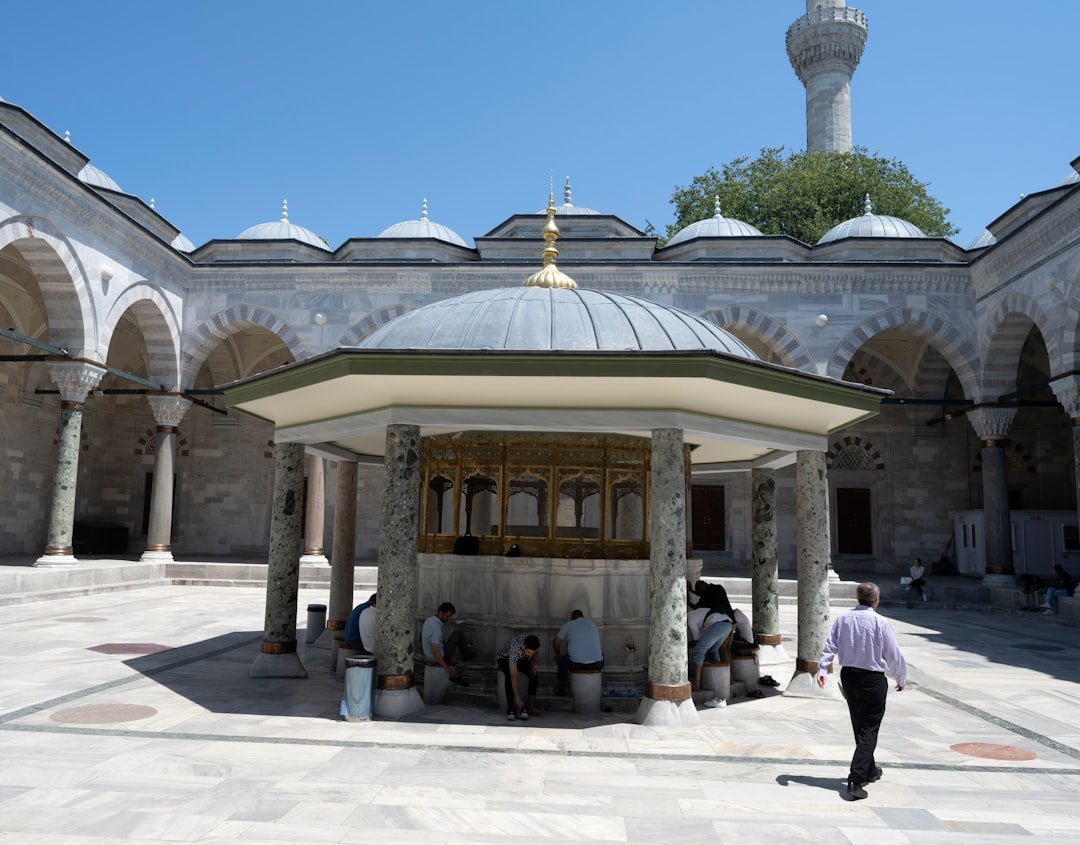
Fatih is home to several of Istanbul’s best-known mosques. The Blue Mosque, officially the Sultan Ahmed Mosque, was completed in the early 17th century and is recognized by its cascading domes, six minarets, calligraphy, and extensive İznik tile decoration. It remains an active mosque rather than a monument used only for tourism.
Süleymaniye Mosque offers a different experience. Designed by Mimar Sinan for Sultan Süleyman the Magnificent, it combines monumental scale with a more spacious hilltop setting and broad views toward the Golden Horn. The surrounding complex once included educational, charitable, medical, and hospitality functions as well as the mosque itself.
The Fatih Mosque is particularly important to the identity of the district. Sultan Mehmed II’s original complex was constructed between 1462 and 1470. The mosque suffered severe earthquake damage in 1766 and was substantially rebuilt, while the wider complex remained closely connected with the memory of Mehmed the Conqueror.
At Edirnekapı, the Mihrimah Sultan Mosque provides another major Sinan-era stop. It was commissioned by Mihrimah Sultan, daughter of Sultan Süleyman I. Its location also makes it convenient to combine with Kariye and sections of the historic land walls on a longer tour.
Note: These are active places of worship. According to Diyanet visitor guidance, visitors should dress modestly, remove shoes before entering prayer areas, remain quiet, and respect worshippers. Female visitors should cover their hair. Tourist access may be restricted around prayer times, especially around Friday congregational prayers.
Eyüp Sultan Mosque is also closely connected with Ottoman religious history and the Golden Horn. However, it is important for walkers to understand that the mosque is in the neighboring Eyüpsultan district, not Fatih. It works best as an optional extension after Fener and Balat rather than as a normal stop on a Fatih-only walk.
Strolling through the Grand Bazaar
| Metric | Data |
|---|---|
| Approximate number of shops | About 4,000 |
| Covered area | About 30,700 square meters |
| Historic layout | Dozens of covered streets and alleys with multiple historic gates |
| History | Development began during the reign of Mehmed II in the 15th century |
No walking tour of central Fatih feels complete without entering the Grand Bazaar. The Istanbul Directorate of Culture and Tourism describes a historic commercial complex of roughly 30,700 square meters with about 4,000 shops. Its development began during the Ottoman period after the conquest of Constantinople and expanded over centuries.
The bazaar is less like a single shopping hall and more like a network of covered streets. Shops sell jewelry, carpets, textiles, leather goods, ceramics, antiques, souvenirs, and many other products. Even visitors who plan to buy nothing can use the market as a window into Istanbul’s long commercial history.
Bargaining is common in many traditional shops, particularly for higher-priced goods, but it should remain friendly rather than confrontational. Compare quality and prices before making an expensive purchase, ask clearly what material or workmanship you are paying for, and never feel pressured to complete a sale.
The Grand Bazaar can also be disorienting. Instead of trying to cover every lane, choose a few areas, note the gate you entered through, and leave enough time to find your way back toward Beyazıt, Nuruosmaniye, or the Süleymaniye side of the historic peninsula.
Discovering the Charming Neighborhoods
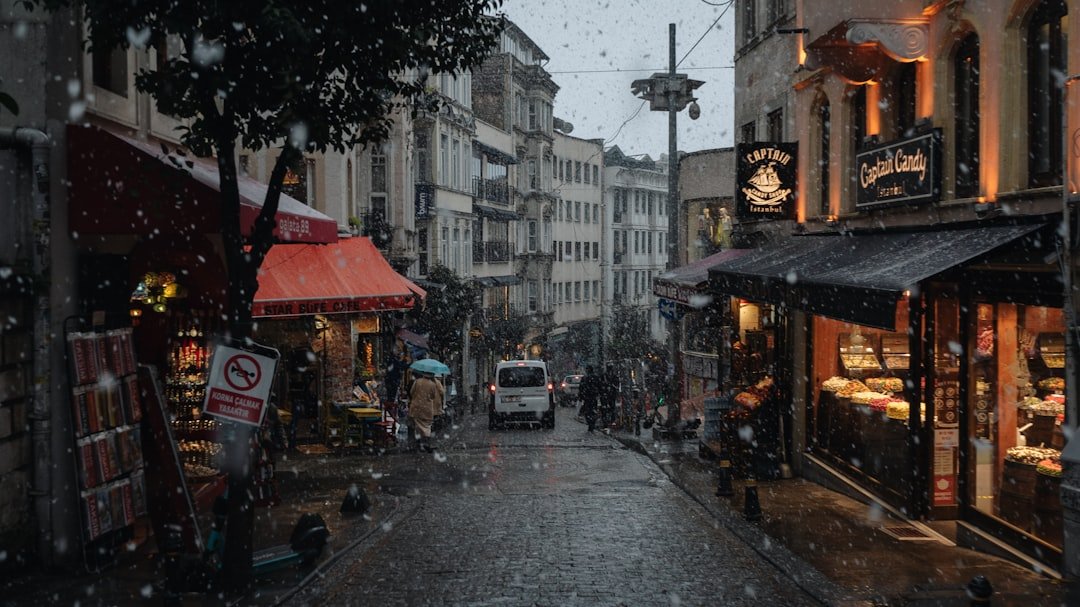
Beyond the monumental core, Fatih’s residential neighborhoods reveal another side of historic Istanbul. Balat is known for steep streets, colorful facades, small cafes, workshops, religious buildings, and a layered social history shaped by Muslim, Jewish, Greek Orthodox, Armenian, and other communities.
Nearby Fener has particularly strong links to Istanbul’s Greek Orthodox heritage. The Ecumenical Patriarchate and the Church of St. George are among its important religious sites, while the surrounding streets contain a mixture of historic buildings and everyday residential life.
These neighborhoods are often promoted mainly for colorful photography, but they are not outdoor film sets. People live and work here. Keep doorways clear, avoid photographing residents at close range without permission, limit noise on residential streets, and support neighborhood businesses without blocking sidewalks for staged photos.
Fener and Balat are also physically different from flat sightseeing districts. Expect slopes, worn paving, stairs, and uneven sidewalks. Travelers with limited mobility may find it easier to use the T5 tram for part of the Golden Horn section and explore selected streets rather than attempting every hill on foot.
Engaging respectfully with local shops, cafes, bakeries, markets, and neighborhood institutions gives visitors a more realistic sense of daily life than simply moving between famous photo spots.
Sampling Traditional Turkish Cuisine
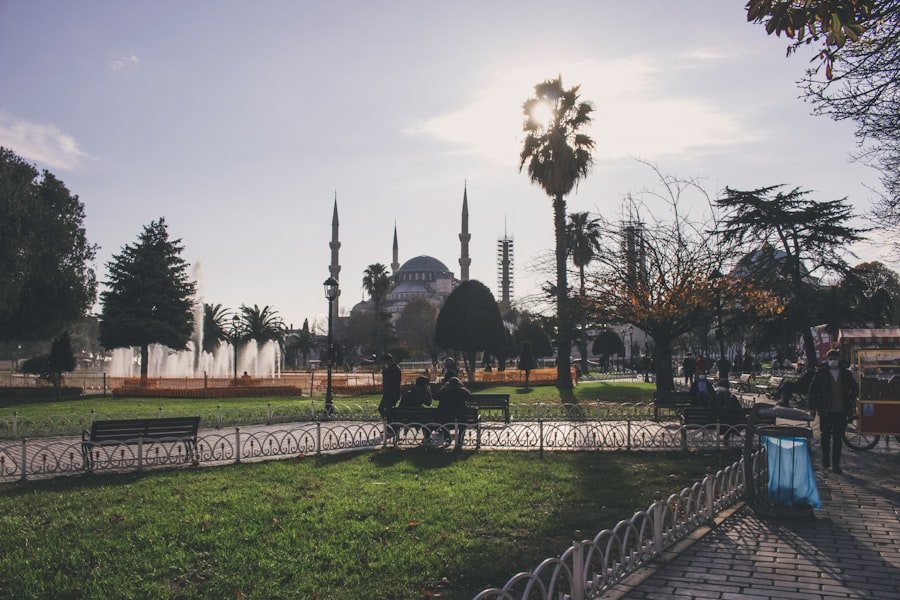
A long walk through Fatih is also an opportunity to sample Turkish food. The district contains everything from quick street-food counters and bakeries to traditional restaurants and more formal dining rooms.
Kebabs are an obvious choice, with grilled or roasted meats served in many regional styles. Döner is another widely available Turkish favorite, commonly served in bread, wraps, or on a plate. Rather than treating one neighborhood as its proven birthplace, it is more accurate to enjoy it as part of Turkey’s broader culinary tradition.
Meze provides a slower meal. A table may include hummus, stuffed grape leaves, yogurt-based dishes, salads, eggplant preparations, cheeses, and seasonal vegetables. Some diners pair meze with rakı, an anise-flavored alcoholic drink, while alcohol-free meals are equally common.
For dessert, lokum, commonly called Turkish delight, comes in many flavors and textures. Baklava combines thin layers of pastry with nuts and syrup and remains one of the country’s most recognizable sweets.
The best food experience does not require ordering everything at once. A practical walking-tour strategy is to spread small stops across the day: tea or coffee in the morning, a simple lunch near the bazaar or Süleymaniye, and a sweet or snack later around the Golden Horn neighborhoods.
Pro Tip: Keep lunch lighter if you plan to continue toward Balat and Kariye. Fatih’s hills feel much steeper immediately after a heavy meal.
Exploring the Waterfront and Golden Horn
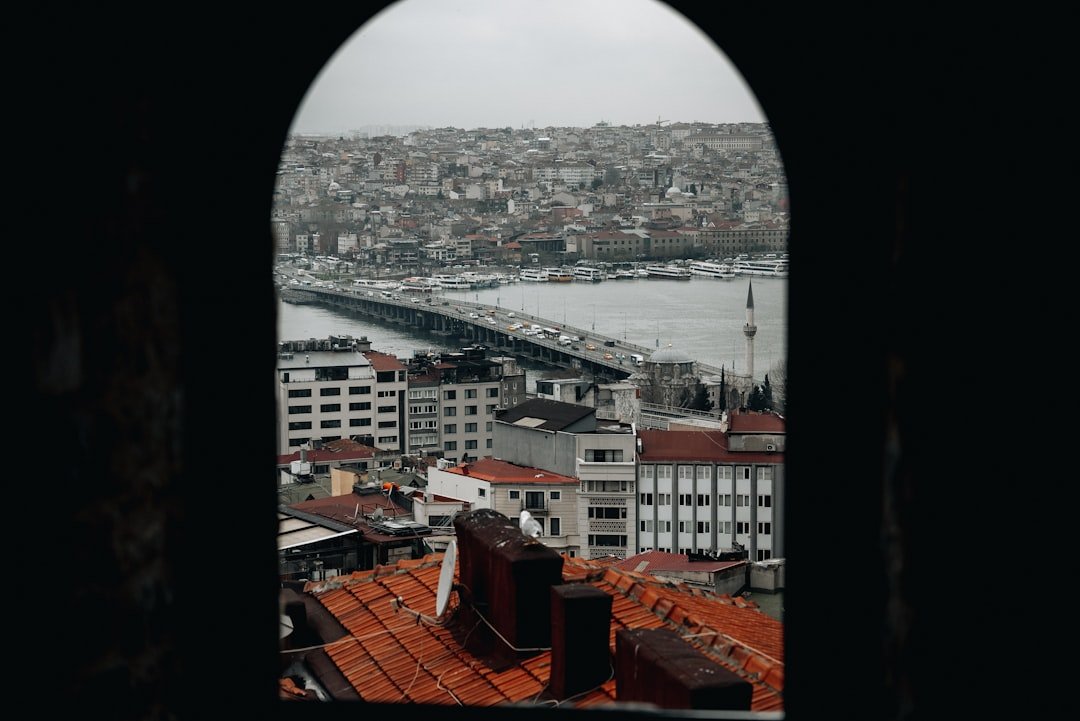
The Golden Horn forms the northern edge of Istanbul’s historic peninsula and played a major role in trade, transport, defense, and urban development. Its waterfront provides a welcome change after the enclosed lanes of the Grand Bazaar and the steep streets around Süleymaniye.
Walking near the water gives you broad views of Istanbul’s skyline and easy access to neighborhoods including Fener and Balat. Parks, waterfront paths, ferry piers, cafes, and public transport make this part of the route easier to customize than the dense interior of Fatih.
If your legs need a break, the T5 Eminönü–Alibeyköy tram runs along much of the Golden Horn and includes stops at Fener and Balat. This makes it possible to combine walking with public transport instead of treating the entire day as an endurance exercise.
Ferries can also add a waterside perspective to an Istanbul visit, although ferry routes and schedules should be treated as transportation options rather than mandatory components of a Fatih walking tour.
Travelers who want to continue beyond Fatih can follow the Golden Horn farther toward Eyüpsultan. Historic cemeteries, Eyüp Sultan Mosque, and viewpoints in that area make it a worthwhile extension, but doing so adds another district and more time to the itinerary.
The Timeless Beauty of Fatih
Fatih remains one of the best places to understand how Istanbul’s different historical periods overlap. Hagia Sophia and Kariye preserve major elements of Byzantine art and architecture, while Süleymaniye, the Fatih Mosque complex, the Grand Bazaar, and other Ottoman monuments show how the city developed after 1453.
Fener and Balat add another layer through residential streets, churches, community institutions, markets, and the history of communities that lived around the Golden Horn. Food stops and modern public transport remind visitors that Fatih is not a preserved museum district; it is an active part of contemporary Istanbul.
The most rewarding walking tour is therefore not the one that checks off the greatest number of monuments. Leave enough time to walk slowly, enter a few important buildings, watch daily life, sit for tea, and understand how one part of the city connects to the next.
If you enjoy the site’s broader food-and-culture coverage, you can also read its separate article on Asian melon.
Frequently Asked Questions
What is a walking tour of Fatih?
A walking tour of Fatih explores Istanbul’s historic peninsula on foot. Typical stops include Byzantine and Ottoman monuments, mosques, bazaars, residential neighborhoods, and sections of the Golden Horn. Tours may be self-guided or led by a professional guide.
What are the best attractions to visit on a walking tour of Fatih?
Popular stops include Hagia Sophia, the Blue Mosque, the Grand Bazaar, Süleymaniye Mosque, Fatih Mosque, Fener, Balat, Kariye Mosque, the Valens Aqueduct area, Zeyrek, and sections of the historic land walls. A single day usually requires choosing a practical subset rather than attempting every site.
How long does a walking tour of Fatih typically last?
A compact Sultanahmet–Grand Bazaar–Süleymaniye walk can take about 3–4 hours. A broader route that includes Fener, Balat, Kariye, monument interiors, food stops, shopping, and breaks can easily require 5–7 hours or more.
What should I wear and bring on a walking tour of Fatih?
Wear comfortable walking shoes and weather-appropriate clothing. Bring water, sun protection in warm weather, and a charged phone. If entering mosques, dress modestly. Visitors remove their shoes in prayer areas, and female visitors should carry a headscarf or use an available covering.
Are guided walking tours available for exploring Fatih?
Yes. Guided tours operate throughout Istanbul’s historic peninsula, with itineraries ranging from short Sultanahmet walks to full-day historical tours. A guide can be especially useful if you want deeper explanations of Byzantine and Ottoman history rather than simple navigation between monuments.
Is Fatih easy to explore entirely on foot?
Much of Fatih is walkable, but the district contains hills, cobblestones, uneven sidewalks, crowded market streets, and long distances between some attractions. The T1 tram is useful around the historic core, while the T5 line can shorten the Golden Horn section around Fener and Balat.
When is the best time to start a Fatih walking tour?
Morning is usually the most practical starting time because it leaves enough daylight for a longer route and can reduce midday heat in warmer months. If entering active mosques, remember that tourist access changes around daily prayers and is more restricted around the Friday congregational prayer.
Sources
- UNESCO — Historic Areas of Istanbul — Byzantine and Ottoman heritage, Hagia Sophia, Süleymaniye, Kariye, and the historic land walls.
- Republic of Türkiye Directorate of Communications — Hagia Sophia visitor arrangements — current mosque status and separation of worship and cultural visits.
- Republic of Türkiye Directorate of Communications — Kariye Mosque — reopening of Kariye for worship in May 2024.
- Istanbul Directorate of Culture and Tourism — Grand Bazaar — official history, approximate area, layout, and shop count.
- Metro Istanbul — T1 Tram and T5 Tram — current public-transport connections through the historic peninsula and Golden Horn.
- Diyanet — Rules to Follow During a Mosque Visit — clothing, shoes, behavior, and visitor etiquette.