History of Fatih, Istanbul
Fatih is where Istanbul’s long history feels close, layered, and easy to see as you walk. You can move from Byzantine walls to Ottoman mosques, busy markets, old neighborhoods, and major landmarks in one district. This guide explains how Fatih grew from a key part of Constantinople into one of Istanbul’s most important cultural and historic areas.
What’s in This Article
- Byzantine Walls and the Conquest of Constantinople
- How Fatih Became an Ottoman Imperial Center
- The Architectural Legacy of Fatih
- Cultural and Religious Diversity in Fatih
- What You Can See in Fatih Today
- Fatih in the Modern Era
- Preservation Efforts and Tourism in Fatih
- The Enduring Legacy of Fatih
- Frequently Asked Questions
- References
Quick Answer
Fatih is one of Istanbul’s most historic districts because it contains major Byzantine and Ottoman landmarks. You can see the Walls of Constantinople, Fatih Mosque, Zeyrek Mosque, Valens Aqueduct, and nearby imperial sites. The district shows how Constantinople became Ottoman Istanbul after 1453.
Key Takeaways
- Fatih is a historic district in Istanbul known for Byzantine, Ottoman, and modern Turkish heritage.
- The Ottoman conquest of Constantinople in 1453 made the area central to the new imperial capital.
- Fatih’s landmarks include the Fatih Mosque, Byzantine walls, Valens Aqueduct, Zeyrek Mosque, and historic neighborhoods.
- The district has long reflected cultural and religious diversity, including Muslim, Greek Orthodox, Armenian, and Jewish communities.
- Restoration work and responsible tourism help protect Fatih’s historic character for future visitors.
Byzantine Walls and the Conquest of Constantinople
The Byzantine Walls show why Constantinople held such strategic value for more than one thousand years. The Theodosian Walls, built in the 5th century, protected the city with outer walls, inner walls, towers, and defensive gates. Their design made Constantinople one of the hardest cities to capture in the medieval world.
The land walls stretched for about 5.7 kilometers across the western side of the city. They defended Constantinople against many sieges before the Ottoman conquest. When you visit sections near Edirnekapı, Topkapı, or Yedikule, you can still see how strongly the city protected its land approach.
The conquest of Constantinople on May 29, 1453, changed the history of Fatih and the wider region. Sultan Mehmed II led the Ottoman siege and used large cannons, naval pressure, and organized ground attacks. The fall of the city ended the Byzantine Empire and made Constantinople the new Ottoman capital.
Note: The district name Fatih comes from Mehmed II’s title, “Fatih,” which means “the Conqueror.”
How Fatih Became an Ottoman Imperial Center
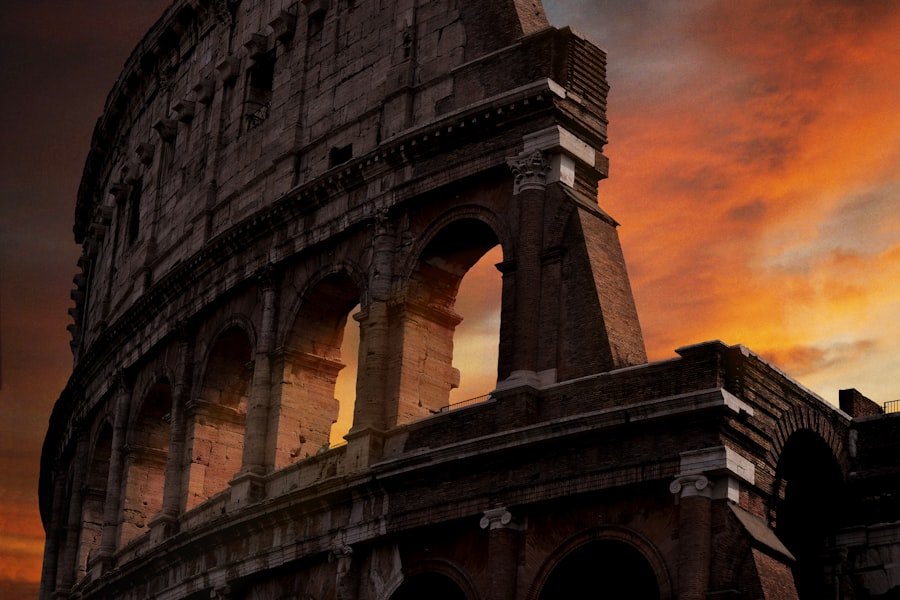
After the conquest, Sultan Mehmed II made Constantinople the center of Ottoman power. He repaired parts of the city, encouraged new settlement, and supported major building projects. These changes helped turn the former Byzantine capital into a strong Ottoman imperial city.
Fatih became one of the most important areas in this transformation. The Fatih Mosque complex rose on the site linked to the former Church of the Holy Apostles. The complex included religious, educational, charitable, and social spaces, which made it a major center of daily life.
The Ottoman Empire also grew through trade, administration, scholarship, and art. People from different regions moved to the city and added new languages, customs, and skills. This helped Fatih become a dense urban district with markets, schools, mosques, churches, and local communities.
The Architectural Legacy of Fatih
| Architectural Element | Description |
|---|---|
| Mosques | Fatih Mosque, Şehzade Mosque, Mihrimah Sultan Mosque, and many others |
| Palaces and Fortresses | Topkapı Palace, Yedikule Fortress, and other historic sites |
| City Walls | The Walls of Constantinople, including the Theodosian Walls |
| Tombs and Religious Sites | Tomb of Sultan Mehmed II, Zeyrek Mosque, churches, and historic cemeteries |
Fatih’s architecture reflects the district’s place in both Byzantine and Ottoman history. You can see city walls, aqueducts, mosques, churches, tombs, fountains, and old streets within a compact area. Few districts in Istanbul show so many layers of the city’s past.
The Fatih Mosque remains one of the district’s key Ottoman landmarks. Mehmed II built the original mosque complex after the conquest, though later earthquakes and rebuilding changed its form. Even with those changes, the site still carries strong symbolic value.
The Şehzade Mosque also shows the skill of Ottoman architect Mimar Sinan. Many visitors see it as one of his early masterpieces. Its balanced dome, courtyard, and clean design make it an important stop for anyone studying Ottoman architecture.
Fatih also contains major Byzantine heritage. Zeyrek Mosque, once part of the Monastery of Christ Pantokrator, reflects the district’s pre-Ottoman past. The Valens Aqueduct also reminds you how Roman and Byzantine infrastructure shaped the city long before 1453.
Cultural and Religious Diversity in Fatih
Fatih has long been home to many communities. Muslims, Greek Orthodox Christians, Armenians, Jews, and other groups shaped the district’s streets, worship spaces, food, trade, and daily life. This mix helped Fatih become one of Istanbul’s richest cultural areas.
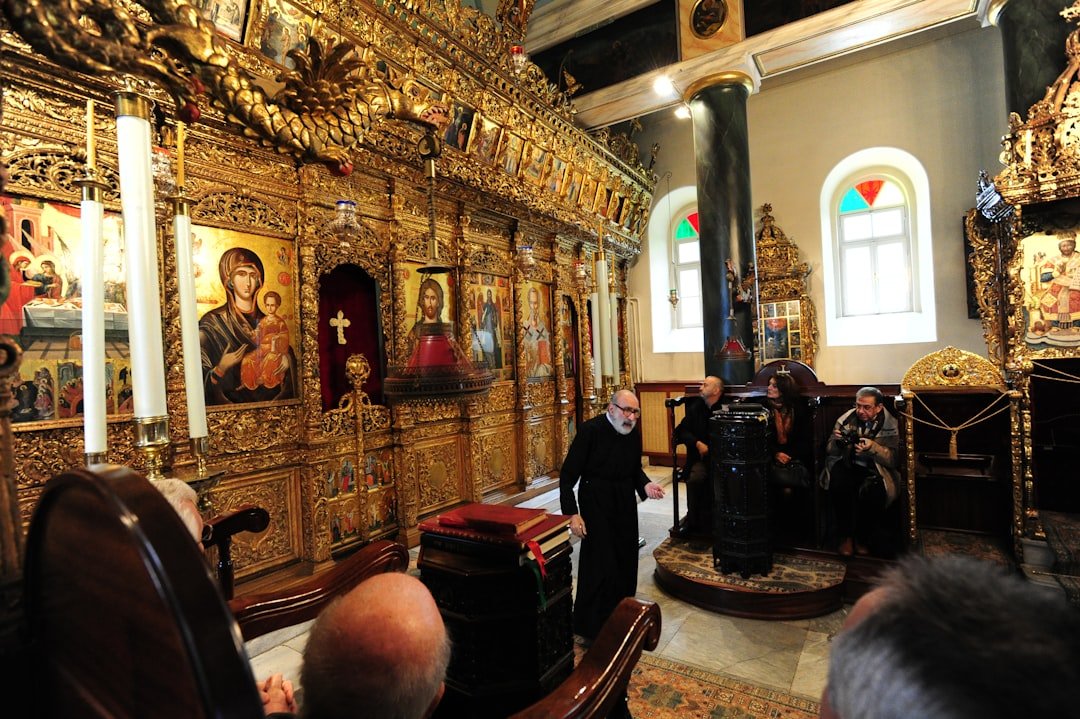
You can still see this history in neighborhoods such as Balat and Fener. Churches, synagogues, mosques, schools, and old houses stand close to one another. These streets show how different communities lived, traded, and built local identity over time.
Religious and cultural events continue to shape the district’s rhythm. Ramadan meals, mosque gatherings, church services, local markets, and neighborhood festivals all add to Fatih’s daily life. These traditions help residents keep old customs alive while welcoming visitors.
What You Can See in Fatih Today
Fatih rewards you most when you slow down and explore by neighborhood. Sultanahmet gives you access to major monuments, while Fener and Balat show colorful streets and community history. The areas near Edirnekapı and Yedikule help you understand the city walls.
Some places deserve special attention during a first visit:
- Walk along parts of the Theodosian Walls to see Constantinople’s old defenses.
- Visit Fatih Mosque to understand the district’s Ottoman identity.
- See Zeyrek Mosque for a strong example of Byzantine religious architecture.
- Stop near the Valens Aqueduct to connect Roman, Byzantine, and Ottoman layers.
- Explore Fener and Balat for historic streets, houses, and worship sites.
Pro tip: Wear comfortable shoes because many streets in Fatih include hills, stone paths, and uneven pavement.
Fatih in the Modern Era
Fatih has changed a lot while keeping much of its historic identity. Modern apartment buildings, shops, cafes, hotels, and transport routes now sit beside old monuments and traditional streets. This mix gives the district a busy and lived-in feel.
Urban growth has also created pressure on older neighborhoods. Some buildings need repair, and tourism can change the way local streets feel. Local authorities and preservation groups continue to balance daily life, restoration, and visitor demand.
Fatih’s location keeps it important for travelers. You can reach many major sights, markets, ferry routes, and tram stops from the district. That convenience makes Fatih a practical base for seeing Istanbul’s historic peninsula.
Preservation Efforts and Tourism in Fatih
Preservation matters in Fatih because the district holds fragile layers of history. Restoration projects help protect mosques, churches, walls, fountains, wooden houses, and historic streets. Good conservation also helps residents keep a stronger connection to their neighborhood.
Tourism can support preservation when visitors respect local life and spend money with small businesses. Guided walking tours, local food stops, craft shops, and museum visits can help spread the benefits. Poor tourism habits, though, can strain narrow streets and historic sites.
You can help protect Fatih during your visit. Stay on marked paths near fragile ruins, avoid climbing walls, dress respectfully in active worship sites, and support local businesses. Small choices help keep the district welcoming and historic at the same time.
Warning: Some old wall sections and narrow streets may have uneven ground, so watch your step while exploring.
The Enduring Legacy of Fatih
Fatih matters because it holds some of the clearest evidence of Istanbul’s change from Constantinople to Ottoman Istanbul. Its walls, mosques, churches, aqueducts, markets, and neighborhoods show history as a living part of the city. You don’t just read about the past here, you walk through it.
The district still faces challenges from development, tourism, and aging buildings. But its value remains clear to residents, visitors, historians, and preservation teams. When you visit with care, you help support the future of one of Istanbul’s most meaningful districts.
If you want to understand Istanbul more deeply, make Fatih part of your route. Start with the walls, continue through the mosque complexes, and leave time for Fener, Balat, and local streets. Fatih’s legacy will keep growing as each generation protects and reuses its historic spaces.
If you are interested in local food culture, you may also want to read this article on delicious homemade cottage cheese. Food history can add useful context to how families, markets, and daily routines develop in historic communities.
Frequently Asked Questions
What is the history of Fatih?
Fatih’s history reaches back to ancient Constantinople and became especially important after 1453. After the Ottoman conquest, the district grew into a major imperial, religious, and cultural center.
Why is Fatih important in Byzantine history?
Fatih includes parts of the historic peninsula that belonged to Byzantine Constantinople. The Theodosian Walls, Zeyrek Mosque, and Valens Aqueduct all connect the district to Byzantine and earlier Roman history.
How did Fatih become significant in the Ottoman Empire?
After the conquest of Constantinople, Sultan Mehmed II made the city his capital. Fatih became important through mosque complexes, schools, markets, tombs, and new settlement patterns.
What are some notable landmarks in Fatih?
Important landmarks include the Fatih Mosque, Theodosian Walls, Zeyrek Mosque, Valens Aqueduct, Şehzade Mosque, Yedikule Fortress, and the historic neighborhoods of Fener and Balat. Many visitors also connect Fatih with nearby Sultanahmet landmarks.
How has Fatih changed over time?
Fatih changed from a Byzantine urban area into a central Ottoman district and later into a modern part of Istanbul. Today, it blends historic monuments, residential life, tourism, transport, markets, and local culture.
References
- Historic Areas of Istanbul — UNESCO World Heritage Centre
- Fall of Constantinople — Encyclopaedia Britannica
- Istanbul — Encyclopaedia Britannica