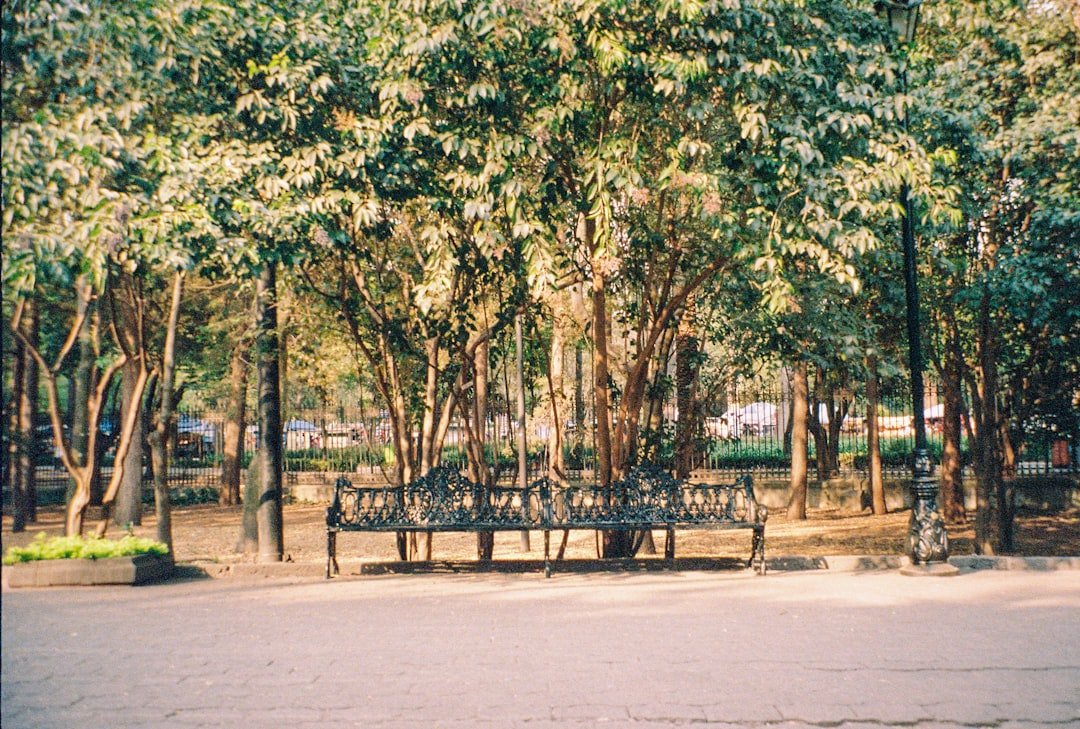
Fatih covers much of Istanbul’s Historic Peninsula, where imperial mosques, palace grounds, old neighborhoods, and the city’s famous seven hills create some of its most memorable views. The best viewpoints in Fatih include the elevated grounds around Süleymaniye Mosque, Topkapı Palace, and several historic hills overlooking the Golden Horn. Nearby Galata Tower and Pierre Loti Hill are also excellent viewpoints, but they are outside Fatih and should be treated as side trips rather than Fatih attractions.
Quick Answer
For views within Fatih, start with Süleymaniye Mosque for the Golden Horn skyline and Topkapı Palace for the Bosphorus and Marmara Sea. Yavuz Sultan Selim Hill and Edirnekapı offer additional elevated perspectives. Galata Tower and Pierre Loti Hill are excellent nearby alternatives, but they are in Beyoğlu and Eyüpsultan respectively.
Key Takeaways
- Süleymaniye Mosque is one of the strongest free viewpoints in Fatih for the Golden Horn and historic skyline.
- Topkapı Palace combines imperial history with views toward the Bosphorus, Golden Horn, and Marmara Sea.
- Yavuz Sultan Selim Hill rises above the Golden Horn, and Fatih Municipality has been developing a formal viewing terrace in the area.
- Galata Tower is in Beyoğlu, not Fatih, while Pierre Loti Hill is in Eyüpsultan.
- Fener and Balat are better for colorful streets, architecture, and neighborhood photography than for high panoramic views.
Top Viewpoints in Fatih
Fatih occupies the Historic Peninsula between the Golden Horn, the Bosphorus, and the Marmara Sea. Its terrain rises across the traditional seven hills of Istanbul, which is why mosque courtyards, palace terraces, and elevated neighborhoods can provide very different views within a relatively small area. Fatih Municipality identifies major hills around Süleymaniye, Fatih Mosque, Yavuz Sultan Selim Mosque, and Mihrimah Sultan Mosque in Edirnekapı.
| Viewpoint | District | Best For |
|---|---|---|
| Süleymaniye Mosque | Fatih | Golden Horn, Galata skyline, mosque domes |
| Topkapı Palace | Fatih | Bosphorus, Marmara Sea, palace setting |
| Yavuz Sultan Selim Hill | Fatih | Golden Horn and northern skyline |
| Mihrimah Sultan Mosque / Edirnekapı | Fatih | Land Walls and western cityscape |
| Galata Tower | Beyoğlu | 360-degree central Istanbul panorama |
| Pierre Loti Hill | Eyüpsultan | Upper Golden Horn |
Note: Galata Tower frequently appears in lists of attractions near Fatih because it is visible across the Golden Horn, but its official address is in Beyoğlu. Pierre Loti Hill is farther up the Golden Horn in Eyüpsultan.
For most visitors, Süleymaniye is the easiest place to combine a major Ottoman monument with an impressive view without purchasing a sightseeing ticket. Topkapı Palace provides a different perspective from the eastern end of the peninsula, while the northern hills near Yavuz Sultan Selim Mosque face the Golden Horn.
Süleymaniye Mosque: Best Golden Horn View in Fatih
Süleymaniye Mosque is one of Istanbul’s defining Ottoman monuments and one of Fatih’s most rewarding elevated stops. Sultan Süleyman the Magnificent commissioned the complex, and chief architect Mimar Sinan designed it in the 16th century. UNESCO identifies the Süleymaniye Mosque complex, built in 1550–1557, as a major component of Istanbul’s World Heritage-listed historic areas.
The mosque stands on Istanbul’s third historic hill. From the surrounding elevated areas, the city falls away toward the Golden Horn, opening views toward Galata, Beyoğlu, the waterways, bridges, and layers of mosque domes and minarets across the Historic Peninsula.
Inside, the mosque is spacious and comparatively restrained, with calligraphy, stained glass, selected tile decoration, and a monumental central dome creating a calm interior. The surrounding külliye historically included madrasas, a hospital, bath, kitchens, charitable facilities, tombs, and other institutions. The tombs of Süleyman the Magnificent and Hürrem Sultan are also associated with the complex.
The site is part of the UNESCO Historic Areas of Istanbul, which recognizes Süleymaniye as one of the architectural masterpieces shaping Istanbul’s famous skyline.
Pro Tip: Visit in the later afternoon if you want warmer light across the Golden Horn. Allow extra time simply to walk around the surrounding streets because the changing elevation produces different skyline compositions every few minutes.
Fatih Mosque and Istanbul’s Fourth Hill
| Metric | Verified Information |
|---|---|
| Location | Fatih, Istanbul |
| Original construction | 15th century, approximately 1463–1470 |
| Major reconstruction | 1767–1771 after the destructive 1766 earthquake |
| Original architect | Atik Sinan, also known as Sinaüddin Yusuf bin Abdullah |
| Minarets | 2 |
Fatih Mosque, or Fatih Camii, is one of the landmarks that gave this part of Istanbul its identity. Sultan Mehmed II commissioned the original mosque and large social complex after the Ottoman conquest of Constantinople. The complex was established on the site associated with the former Church of the Holy Apostles and became an important religious and educational center.
The present mosque should not, however, be described as an unchanged 15th-century building. Earthquakes repeatedly damaged the original structure. The catastrophic earthquake of 1766 caused the great dome to collapse and left the mosque so badly damaged that a major reconstruction became necessary. Sultan Mustafa III ordered the rebuilding, and the reconstructed mosque opened in 1771.
Elements of the original complex survive, while the present building reflects both Ottoman architectural continuity and the design changes made during its 18th-century reconstruction. The mosque has two minarets. Mehmed II’s tomb is within the larger complex.
Visitors interested specifically in panoramic photography will generally find Süleymaniye more immediately impressive. Fatih Mosque’s importance comes from its elevated position on Istanbul’s fourth hill, its monumental scale, and its role in the development of Ottoman Istanbul.
Historical details about the mosque and its reconstruction are documented by the Fatih District Governor’s official Fatih Mosque page.
Golden Horn Views from Fatih
The Golden Horn, or Haliç, is a natural harbor on Istanbul’s European side. It forms the northern edge of the Historic Peninsula. It does not separate European Istanbul from Asian Istanbul; that geographic division is formed by the Bosphorus.
The Golden Horn has been important to Istanbul’s development for centuries because its sheltered waters served commerce, maritime activity, and defense. Today, it is one of the defining visual features of northern Fatih.
From elevated locations such as Süleymaniye and Yavuz Sultan Selim Hill, you can look across the water toward Galata and Beyoğlu. Closer to the shoreline, Eminönü provides lower-angle views of boats, bridges, mosques, and waterfront activity.
Galata Bridge spans the Golden Horn between the historic Eminönü side and Karaköy. Its fishermen, ferry traffic, and surrounding skyline make it one of central Istanbul’s most recognizable scenes, although the bridge itself is better considered a waterfront observation point than a high panoramic viewpoint.
Fatih’s strongest views come from its geography: the Historic Peninsula rises across a series of historic hills above the Golden Horn, Marmara Sea, and Bosphorus.
Topkapı Palace: Bosphorus and Marmara Views
Topkapı Palace occupies the eastern end of Fatih’s Historic Peninsula at Sarayburnu. Sultan Mehmed II began developing the palace after the conquest of Constantinople, with National Palaces dating its principal early construction to 1460–1478. Later sultans added buildings and adapted the complex over several centuries.
For roughly four centuries, Topkapı functioned as a major imperial residence, administrative center, educational environment, and ceremonial complex. The Ottoman dynasty gradually transferred its primary residence and state functions to newer Bosphorus palaces in the 19th century.
Visitors can move through successive courtyards, pavilions, treasury spaces, gardens, and sections associated with the imperial household. The collections include important examples of Ottoman decorative arts, archival material, weapons, textiles, and sacred relics.
For viewpoint hunters, the palace’s location is as important as its collections. The peninsula narrows here between the Golden Horn, Bosphorus, and Marmara Sea, producing broad water views from several parts of the complex.
The National Palaces administration publishes official information about Topkapı Palace. The palace is ticketed, and current official visitor information lists Tuesday as its weekly closed day. Check official information shortly before your visit because hours and ticket conditions can change.
Yavuz Sultan Selim Hill
Yavuz Sultan Selim Mosque stands on Istanbul’s fifth historic hill, above the Golden Horn. The elevated neighborhood gives visitors another perspective on northern Fatih and the waterway below, away from the busiest Sultanahmet sightseeing circuit.
The location is especially interesting because Fatih Municipality has been redesigning part of the surrounding area as the Yavuz Sultan Selim viewing terrace. In an official update dated August 20, 2026, the municipality said work on the Golden Horn-facing terrace and surrounding historic environment was continuing.
Warning: Do not assume the new formal Yavuz Sultan Selim viewing terrace is fully completed or permanently accessible based on older travel posts. The latest official update reviewed for this article described the project as ongoing, so verify its current status before making a special trip for the terrace itself.
Even without depending on the new terrace, the area’s hilltop setting helps explain why the northern edge of Fatih offers such extensive views across the Golden Horn.
Mihrimah Sultan Mosque and Edirnekapı
Another elevated part of Fatih lies around Edirnekapı, the sixth of Istanbul’s traditional seven hills. The Mihrimah Sultan Mosque, commissioned by Mihrimah Sultan and designed by Mimar Sinan, stands close to the historic land walls.
This is a useful addition for visitors who want to see a different side of Fatih. Instead of looking primarily toward the Bosphorus, the area gives a stronger sense of the western Historic Peninsula, its walls, dense neighborhoods, and changing elevation.
The mosque itself remains an active place of worship, so visitors should enter respectfully and avoid disrupting prayers.
Galata Tower: Excellent Viewpoint, but Not in Fatih
Galata Tower is one of Istanbul’s best-known panoramic viewpoints, but geographically it belongs to Beyoğlu, across the Golden Horn from Fatih.
The present tower dates to the Genoese period in the 14th century and formed part of Galata’s defensive walls. Today it functions as a museum and observation attraction. Its high position provides a broad panorama that includes the Historic Peninsula, Golden Horn, Bosphorus, and central Istanbul skyline.
Because the tower looks directly back toward Fatih, it is actually one of the best places to photograph the district from outside it. The official Turkish Ministry of Culture and Tourism museum page publishes current opening information and visitor conditions.
Note: If your goal is strictly to visit viewpoints inside Fatih, skip Galata Tower. If your goal is to photograph Fatih’s skyline, Galata Tower becomes much more relevant because you are looking back across the Golden Horn toward the Historic Peninsula.
Pierre Loti Hill: Nearby Golden Horn View in Eyüpsultan
Pierre Loti Hill is another popular Istanbul viewpoint that is often grouped with Golden Horn attractions, but it is not in Fatih. It is located farther northwest in Eyüpsultan.
The hill overlooks the upper Golden Horn and offers a noticeably different panorama from Süleymaniye or Topkapı. Instead of the Bosphorus-facing imperial skyline, the emphasis is on the winding Golden Horn, surrounding neighborhoods, and waterfront.
Visitors can reach the upper area using Metro İstanbul’s TF2 Eyüp–Piyer Loti cable-car line. The official system connects the Golden Horn-side Eyüp station with Piyer Loti and makes the hill easier to reach than climbing the full slope on foot.
Current operational information is available from Metro İstanbul’s official TF2 page.
A café area at the top gives visitors a place to sit while looking across the Golden Horn. Pierre Loti therefore works well as a separate half-day stop, especially for travelers already visiting Eyüp Sultan Mosque and the surrounding Eyüpsultan district.
Fener and Balat Districts
Fener and Balat are historic neighborhoods in Fatih along the Golden Horn. They deserve a place in this guide, although they are more valuable for street-level photography and architecture than for wide elevated panoramas.
Fener has long been associated with Istanbul’s Greek Orthodox heritage and is home to the Ecumenical Patriarchate of Constantinople. Its sloping streets, historic buildings, churches, and surviving traditional houses create strong urban compositions for photographers.
Balat has layers of Jewish, Greek Orthodox, Muslim, and wider Ottoman urban history. Its narrow streets contain houses, religious buildings, small businesses, cafés, workshops, and restored properties. The neighborhood’s popularity with photographers has grown because of its colorful streets and dense architectural detail.
The best approach is to treat Fener and Balat as complements to Fatih’s elevated viewpoints. Start above the Golden Horn for the panorama, then descend toward these neighborhoods for closer street scenes.
Best Time to Visit Fatih Viewpoints
Early morning is usually best if you prefer quieter streets and softer light. It is particularly useful around major monuments before sightseeing traffic builds.
Late afternoon often produces warmer light over the Golden Horn. Süleymaniye is especially rewarding when the lower sun starts to emphasize the layers of water, bridges, hills, domes, and minarets.
Sunset can be beautiful, but exact visibility depends on season, weather, haze, and the direction of the viewpoint. Avoid building an itinerary around a guaranteed sunset photograph because Istanbul’s cloud and haze conditions can change quickly.
Visiting Mosques Respectfully
Süleymaniye, Fatih Mosque, Yavuz Sultan Selim Mosque, and Mihrimah Sultan Mosque are active religious sites rather than purpose-built observation decks. Visitors should dress respectfully, keep voices low, follow posted instructions, and avoid entering tourist areas during prayer if access is temporarily restricted.
Photography should never interfere with worshippers. If a section is being used for prayer, wait or choose another angle rather than positioning yourself in front of people praying.
How to Plan a Fatih Viewpoint Route
A practical half-day route can begin around Topkapı Palace and the eastern Historic Peninsula, continue west toward Süleymaniye Mosque, and then descend toward Eminönü and the Golden Horn. Travelers with more time can continue north-west toward Fener and Balat or explore the Yavuz Sultan Selim Hill area.
For a second outing, combine the western side of Fatih with Mihrimah Sultan Mosque at Edirnekapı and the historic land walls. Keep Galata Tower and Pierre Loti Hill as separate extensions because both require leaving Fatih.
Pro Tip: Do not judge walking distance only by the map. Fatih’s historic hills, stairways, uneven paving, and steep streets can make a short-looking route slower and more tiring than expected. Comfortable walking shoes are useful.
Conclusion
Fatih is one of Istanbul’s best districts for combining historic architecture with varied city views. Süleymaniye Mosque is the strongest choice for a classic Golden Horn panorama, while Topkapı Palace provides outstanding water views from the eastern end of the Historic Peninsula. Yavuz Sultan Selim Hill and Edirnekapı reveal other sides of the city’s seven-hill geography.
Galata Tower and Pierre Loti Hill remain excellent additions, but knowing that they lie in Beyoğlu and Eyüpsultan makes trip planning more accurate. Add Fener and Balat for street photography, and you can experience Fatih at both skyline and neighborhood level.
Frequently Asked Questions
What are the best viewpoints in Fatih?
Süleymaniye Mosque and Topkapı Palace are two of the strongest choices. The elevated area around Yavuz Sultan Selim Mosque and the Edirnekapı hill near Mihrimah Sultan Mosque provide additional perspectives within Fatih.
Is Galata Tower in Fatih?
No. Galata Tower is in Beyoğlu, across the Golden Horn from Fatih. It is still an excellent place to look back toward and photograph the Historic Peninsula.
Is Pierre Loti Hill in Fatih?
No. Pierre Loti Hill is in Eyüpsultan farther along the Golden Horn. Metro İstanbul’s TF2 cable-car line connects Eyüp with Piyer Loti.
What can you see from the viewpoints in Fatih?
Depending on the location, views can include the Golden Horn, Bosphorus, Marmara Sea, Galata and Beyoğlu skyline, historic mosques, bridges, ferries, palace grounds, and Istanbul’s dense urban hills.
Do you have to pay to visit Fatih viewpoints?
Many outdoor viewpoints and mosque surroundings can be visited without a sightseeing admission ticket, although active mosques have religious-access rules. Topkapı Palace and Galata Tower are ticketed attractions. Prices and visitor policies can change, so check their official websites before visiting.
What is the best free viewpoint in Fatih?
For many visitors, the elevated surroundings of Süleymaniye Mosque provide the best combination of easy access, monumental architecture, and broad Golden Horn views without a museum-style sightseeing ticket.
What is the best time for photography in Fatih?
Early morning usually offers quieter streets and softer light. Late afternoon can produce warm light across the Golden Horn and Historic Peninsula. Weather, haze, and seasonal sunset direction will affect the exact view.
Are Fener and Balat good viewpoints?
They are excellent photography neighborhoods, but they are better known for historic streets, houses, religious buildings, and neighborhood scenes than for high panoramic observation points.
Sources
- UNESCO World Heritage Centre — Historic Areas of Istanbul — Historic Peninsula geography, Süleymaniye, Topkapı Palace, and Istanbul’s protected historic landscape.
- Fatih Municipality — Fatih Today — Fatih boundaries and Istanbul’s seven historic hills.
- National Palaces — Topkapı Palace — Palace construction, history, collections, and official visitor information.
- Fatih District Governor’s Office — Fatih Mosque — Mosque architecture, earthquake damage, reconstruction, and minarets.
- Republic of Türkiye Ministry of Culture and Tourism — Galata Tower — Official location, history, and visitor information.
- Metro İstanbul — TF2 Eyüp–Piyer Loti Cable Car — Pierre Loti location, cable-car access, and operating information.