Sultanahmet’s bakeries give you one of the easiest ways to taste Istanbul’s old city. You can walk from major landmarks to warm simit, flaky börek, syrup-soaked baklava, and breads shaped by centuries of local food culture. This guide shows you what to try, where bakeries fit into daily life, and how to enjoy them without missing the neighborhood’s history.
Quick Answer
Sultanahmet bakeries matter because they connect Istanbul’s Byzantine and Ottoman food traditions with the way people eat in the old city today. You’ll find simit, pide, börek, baklava, künefe, and other Turkish baked goods near historic streets, markets, hotels, and major sights. For the best experience, sample both savory breads and sweets, ask what came out fresh, and carry some cash for smaller shops.
Key Takeaways
- Sultanahmet has a rich bakery history shaped by Byzantine, Ottoman, and modern Istanbul food culture.
- You can find traditional Turkish baked goods such as simit, börek, pide, baklava, and künefe in and around Sultanahmet.
- Well-known stops such as Hafiz Mustafa 1864, Karaköy Güllüoğlu, and Simit Sarayı help visitors sample popular Turkish sweets and breads.
- Bakeries serve as everyday gathering places where locals and visitors share food, tea, and conversation.
- Tourism has widened bakery menus, but the strongest shops still protect traditional recipes and fresh daily baking.
- Sultanahmet bakeries continue to balance heritage with newer habits, including online ordering, better presentation, and more varied ingredients.
- You can experience the area’s bakeries by walking between shops, taking a food tour, tasting a mix of items, and asking bakers about their specialties.
- These bakeries support the wider story of Turkish cuisine by preserving breads, pastries, and sweets tied to Istanbul’s past.
The history of bakeries in Sultanahmet
The history of bakeries in Sultanahmet connects closely with Istanbul’s long past. Sultanahmet sits at the heart of the old city, where Byzantine and Ottoman life shaped streets, markets, kitchens, and public gathering places. Bakers helped feed residents, palace workers, traders, and travelers who moved through this busy district.
Bread held a central place in Byzantine food culture, and bakers served an essential role in daily life. Ottoman cooks and bakers later added their own methods, doughs, fillings, syrups, and spices. Over time, neighborhood ovens became more than places to buy bread. They gave people a place to meet, talk, and keep local routines alive.
As the Ottoman Empire grew, Istanbul’s baked goods reflected many regional influences. The local fırın, or oven, became a familiar part of many neighborhoods. Bakers made bread, pastries, and sweets for everyday meals, religious seasons, family events, and market trade.
This history still shapes Sultanahmet’s bakery scene. Many shops serve recipes that feel rooted in the past, even when the storefronts and service styles look modern.
Traditional Turkish baked goods found in Sultanahmet bakeries
Sultanahmet bakeries offer many Turkish baked goods with clear local flavor and cultural value. Simit, a sesame-crusted bread ring, ranks among the most common. You can enjoy it as a quick breakfast or street snack, often with tea or cheese.
Pide gives you a more filling option. This boat-shaped flatbread often comes topped with minced meat, cheese, vegetables, or egg. Some visitors compare it to pizza, but its dough, shape, and toppings give it a distinct Turkish style.
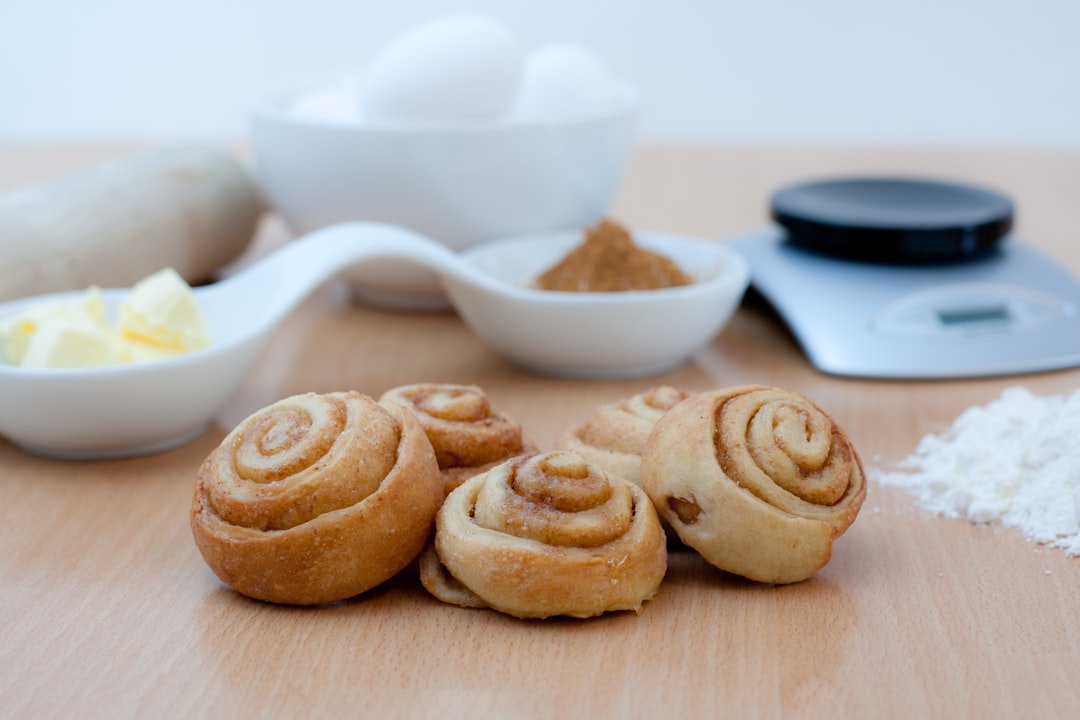
You’ll also find savory pastries such as börek. Bakers make börek with thin layers of dough and fillings such as cheese, spinach, minced meat, or potatoes. It works well as breakfast, lunch, or a snack between sightseeing stops.
Sultanahmet also gives sweet lovers plenty to try:
- Baklava: Thin filo layers filled with nuts and sweetened with syrup or honey.
- Künefe: Shredded pastry layered with cheese, soaked in syrup, and often topped with pistachios.
- Turkish delight: A soft sweet often flavored with rose, citrus, nuts, or spices.
- Şekerpare: A semolina cookie soaked in syrup.
These foods do more than satisfy a craving. They show how Turkish baking blends texture, sweetness, warmth, and hospitality.
The best bakeries to visit in Sultanahmet
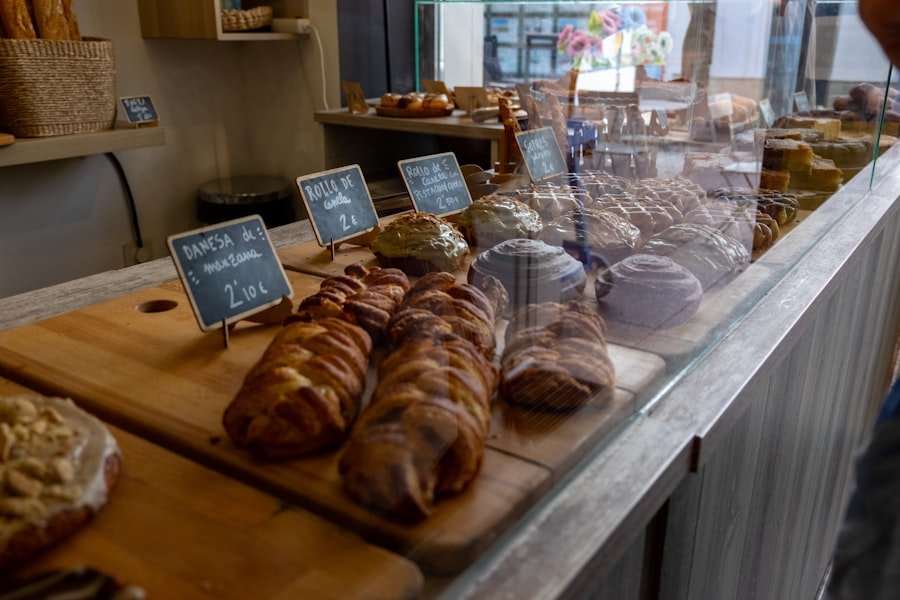
Several bakeries and sweet shops stand out when you explore Sultanahmet and nearby historic areas. Hafiz Mustafa 1864 remains one of the best-known names for baklava, Turkish delight, cakes, puddings, and other sweets. Its long history and central locations make it a common stop for visitors who want a polished dessert experience.
Karaköy Güllüoğlu, though better known for its Karaköy location, also belongs on many Istanbul food lists because of its baklava reputation. If your route takes you beyond Sultanahmet, it can help you compare styles and fillings. Simit Sarayı offers a more casual option for simit, sandwiches, tea, and quick baked snacks.
You may also find smaller local bakeries that serve fresh bread, börek, pide, and pastries without much display or branding. These shops can give you a more everyday taste of the area. Ask what came out of the oven most recently, since timing often matters more than fame.
Pro tip: Visit early in the day if you want the best chance of finding warm bread, fresh simit, and full pastry cases.
The role of bakeries in Sultanahmet’s culture and community
Bakeries in Sultanahmet act as everyday social spaces, not just food shops. Locals stop in for bread, tea, sweets, and short conversations. Visitors often use them as resting points between mosques, museums, hotels, and tram stops.
This culture reflects Turkish hospitality. A bakery visit can feel casual and warm, especially when staff guide you through unfamiliar sweets or suggest a fresh item. Even a small purchase can create a brief human exchange that helps you understand the neighborhood.
Bakeries also play a role during religious and family occasions. During Ramadan, many families buy special breads and sweets for the evening meal after fasting. Weddings, holidays, and family visits often include pastries, baklava, or other shared treats.
The influence of tourism on Sultanahmet’s bakeries
Tourism shapes many bakeries in Sultanahmet because the area draws visitors from around the world. Shops near major sights often display sweets more carefully, label items in more than one language, and package desserts for travel. These changes make the experience easier for visitors.
Tourism can also widen menus. Some bakeries add international-style cakes, coffee drinks, or fusion pastries alongside traditional items. That mix can help travelers, but the best shops still keep Turkish staples at the center.
You can spot stronger bakeries by looking for steady local traffic, fresh turnover, and staff who can explain what they sell. A busy display case usually means items move quickly. That often leads to better texture and flavor.
How to choose what to order at a Sultanahmet bakery
A good bakery visit starts with variety. Choose one savory item and one sweet item so you can compare textures and flavors. For example, pair simit or börek with baklava, künefe, or Turkish delight.
Use your schedule to guide your order. Pick simit, poğaça, or börek for a quick breakfast. Choose pide or a filled pastry when you need something more filling. Save syrupy sweets for a slower break with tea or coffee.
Ask simple questions if you feel unsure:
- What is fresh today?
- Which item is most traditional?
- Which dessert is less sweet?
- Can I buy a small mixed box?
These questions help you avoid guessing and make the visit more personal.
The future of bakeries in Sultanahmet
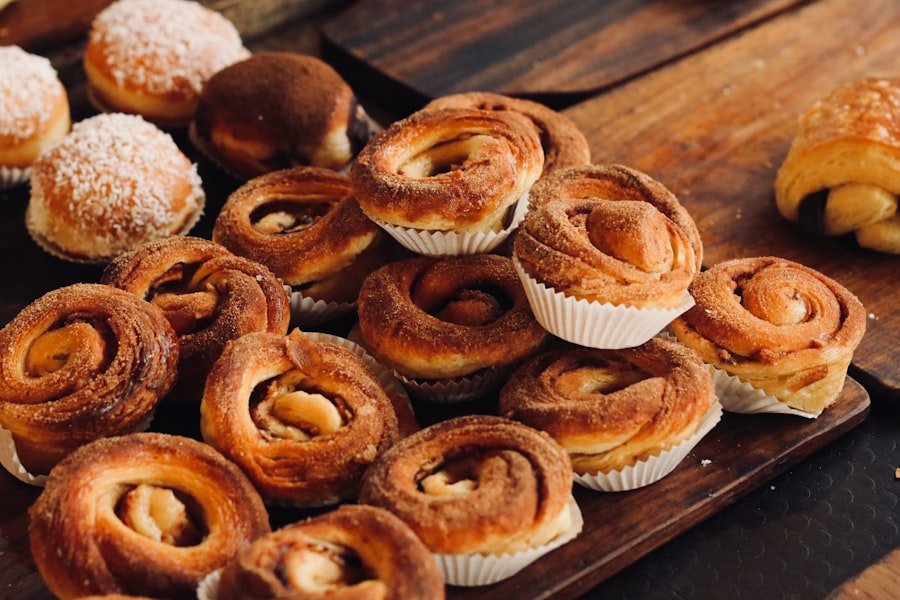
The future of bakeries in Sultanahmet looks strong because the area keeps attracting both locals and visitors. Many bakers now balance tradition with changing tastes. Some use organic ingredients, alternative grains, or lighter fillings for customers who want more choice.
Technology also affects how bakeries reach people. Shops use social media to show fresh trays, gift boxes, and seasonal sweets. Some also offer online ordering or delivery, which helps them serve customers beyond the old city.
The strongest bakeries will likely keep one clear focus: fresh baked goods rooted in Turkish craft. Modern tools can help, but flavor and trust still bring people back.
How to experience the best of Sultanahmet’s bakeries as a visitor
You’ll enjoy Sultanahmet’s bakeries most if you explore on foot. Narrow streets and side lanes often lead to small shops you might miss from a main road. These places can feel more local than large tourist-facing cafés.
Talk with bakers or servers when the shop feels calm. Many will explain fillings, syrup levels, nut choices, or the best time to return for fresh items. A short conversation can turn a snack into a better food memory.
A food tour can also help if you want context. A good guide can explain how simit, börek, baklava, and other foods fit into Istanbul’s daily life. You can also build your own tasting route by choosing two or three bakeries and ordering small portions at each stop.
Note: Many small bakeries may prefer cash, so carry some Turkish lira for quick purchases.
The significance of Sultanahmet’s bakeries in the wider context of Turkish cuisine
Sultanahmet’s bakeries help preserve Turkish food traditions in one of Istanbul’s most historic districts. Their breads, pastries, and sweets reflect many layers of the city’s past. Byzantine, Ottoman, regional Anatolian, and modern urban tastes all meet in these cases and ovens.
These bakeries also introduce many visitors to Turkish cuisine for the first time. A simple simit, a plate of baklava, or a warm börek can create a lasting impression. That first taste often leads people to learn more about Turkish breakfasts, desserts, tea culture, and street food.
By protecting old recipes while adapting to modern habits, Sultanahmet bakeries keep Turkish baking alive and visible. They serve food, but they also carry memory.
If you want a sweet treat after exploring the bakeries in Sultanahmet, you might enjoy this article about Asian melon and its flavors. Trying new fruits can add another fun layer to your food-focused travel plans.
FAQs
What types of baked goods can be found in bakeries in Sultanahmet?
In bakeries in Sultanahmet, you can find traditional Turkish baked goods such as simit, börek, baklava, pide, künefe, breads, cookies, and pastries. Some shops focus on sweets, while others sell more savory breads and snacks.
Are there any gluten-free or vegan options available in bakeries in Sultanahmet?
Traditional Turkish baked goods often use wheat flour, butter, cheese, eggs, or honey, so gluten-free and vegan choices can be limited. Some modern cafés or larger bakeries may offer options, but you should ask staff before ordering.
Do bakeries in Sultanahmet offer seating for customers to enjoy their baked goods on-site?
Many small bakeries in Sultanahmet focus on takeaway service and may not have seating. Larger bakeries, dessert shops, and cafés often provide tables where you can enjoy sweets, tea, coffee, or a light meal.
What are the typical operating hours for bakeries in Sultanahmet?
Many bakeries open early in the morning and close in the evening. Hours can vary by shop, season, holiday, and location, so check directly before making a special trip.
Are credit cards accepted at bakeries in Sultanahmet?
Some bakeries in Sultanahmet accept credit cards, especially larger shops and cafés near tourist areas. Smaller bakeries may prefer cash, so it helps to carry Turkish lira.
What should you try first at a Sultanahmet bakery?
Start with simit or börek if you want something savory and easy to eat while walking. Choose baklava or künefe if you want a classic sweet, especially with Turkish tea or coffee.
Can you buy bakery items as gifts in Sultanahmet?
Yes, many sweet shops sell boxed baklava, Turkish delight, and other treats for gifting. Ask about shelf life and travel packing if you plan to carry the items home.
Conclusion
Sultanahmet’s bakeries matter because they turn Istanbul’s long food history into something you can taste in minutes. Start with a fresh simit or börek, then try a syrupy sweet such as baklava or künefe. Give yourself time to compare a famous shop with a smaller local bakery. Each stop helps you understand the old city through its ovens, counters, and shared tables.
References
- Food Supply and Consumption in Ottoman Istanbul — Istanbul Tarihi, accessed 2026
- About Hafiz Mustafa 1864 — Hafiz Mustafa, accessed 2026
- Turkish Cuisine — Republic of Türkiye Ministry of Culture and Tourism, accessed 2026