The Golden Horn, known as Haliç in Turkish, is Istanbul’s historic inlet and natural harbor, stretching roughly 7.5 kilometers inland from the Bosphorus. A walk along its shores can combine waterfront scenery, centuries-old neighborhoods, mosques, churches, synagogues, museums, local food, and some of the best views of Istanbul’s Historic Peninsula.
Quick Answer
A Golden Horn walking tour is best done as a one-way route through key waterfront neighborhoods rather than by trying to walk every meter of the inlet. Start around Galata or Eminönü, continue through Fener and Balat, and finish around Eyüpsultan, using the T5 tram or other public transport when needed.
Key Takeaways
- The Golden Horn is a historic natural harbor that helped shape Byzantine, Genoese, and Ottoman Istanbul.
- A practical walking route links Galata Bridge and Eminönü with Fener, Balat, and Eyüpsultan.
- Galata Tower is a worthwhile optional start, but it is uphill from the waterfront and was built by the Genoese in 1348, not by the Ottomans.
- The T5 tram makes it easy to shorten the walk or return from Fener, Balat, or Eyüpsultan.
- Religious sites along the route are active places of worship, so dress respectfully and do not assume every building allows walk-in sightseeing.
At a Glance
| Time Required | About 4–6 hours for a relaxed core route; allow most of a day if you add Galata Tower, museums, long meal stops, and Pierre Loti Hill. |
| Difficulty | Moderate. Waterfront sections are easier, but Galata, Süleymaniye, Fener, Balat, and Pierre Loti include hills, steps, cobblestones, or uneven paving. |
| Tools Needed | Comfortable walking shoes, water, sun protection in warm weather, a phone or map, and a public-transport payment method. |
| Cost | Walking the neighborhoods is free. Budget separately for public transport, food, museums, observation decks, or other ticketed attractions you choose to enter. |
Historical Significance of the Golden Horn
The Golden Horn has been important to Istanbul because its sheltered waters created a natural harbor beside the city’s historic core. UNESCO describes the Historic Peninsula as being bounded by the Golden Horn to the north, the Bosphorus to the east, and the Sea of Marmara to the south. This geography helped make Constantinople, and later Ottoman Istanbul, a major political, commercial, and maritime center.
During the Byzantine period, the Golden Horn served as a protected anchorage and commercial waterfront. Settlements, defenses, warehouses, and trading areas developed around the harbor as merchants arrived from across the Mediterranean and Black Sea worlds.
After the Ottoman conquest of Constantinople in 1453, the harbor remained important for trade and naval activity. Ottoman shipyards, religious complexes, markets, and residential neighborhoods expanded around its shores. The result is the layered urban landscape you see today: Byzantine heritage, Genoese commercial history, Ottoman architecture, later industrial sites, and modern Istanbul all sit within a relatively compact area.
Note: Galata Tower is often associated with Ottoman Istanbul, but the tower standing today was built by the Genoese in 1348. It came under Ottoman control after 1453. The Turkish Ministry of Culture and Tourism documents its Genoese origins.
Highlights of the Walking Tour
You do not need to walk the entire Golden Horn to experience its best-known neighborhoods and landmarks. A one-way route works better because you can continue west along the historic shore and use public transport for the return journey.
1. Galata Tower and Karaköy: Optional Starting Point
If you want a panoramic introduction to the area, begin around Galata Tower. The tower stands uphill in Beyoğlu rather than directly on the Golden Horn waterfront, so expect a noticeable descent toward Karaköy afterward.
From Galata, walk downhill through the surrounding streets to Karaköy. The neighborhood combines old commercial buildings with cafes, restaurants, galleries, ferry traffic, and busy city streets.
2. Cross Galata Bridge to Eminönü
Galata Bridge spans the mouth of the Golden Horn between Karaköy and Eminönü. Walking across gives you open views toward the Historic Peninsula, the Golden Horn, ferries, and the hills behind the waterfront.
Fishermen commonly line the bridge, while the surrounding waterfront is one of the easiest places to encounter simit, tea, and fish sandwiches. Eminönü is also an excellent transport hub if you prefer to begin your tour here rather than in Galata.
3. Make an Optional Detour to Süleymaniye Mosque
From the Eminönü side, you can climb toward Süleymaniye Mosque before continuing west. This detour adds hills but rewards you with one of Istanbul’s great Ottoman architectural complexes and elevated views toward the Golden Horn.
The mosque complex was designed by Mimar Sinan in the 16th century. UNESCO identifies Süleymaniye as one of the major monuments contributing to the outstanding architectural value of historic Istanbul. You can read more through the UNESCO World Heritage Centre.
4. Continue Through Fener
Fener is one of the most historically important neighborhoods on this part of the Golden Horn. Its steep side streets, older houses, schools, churches, cafes, and waterfront setting make it far more rewarding when you leave the main road and explore slowly.
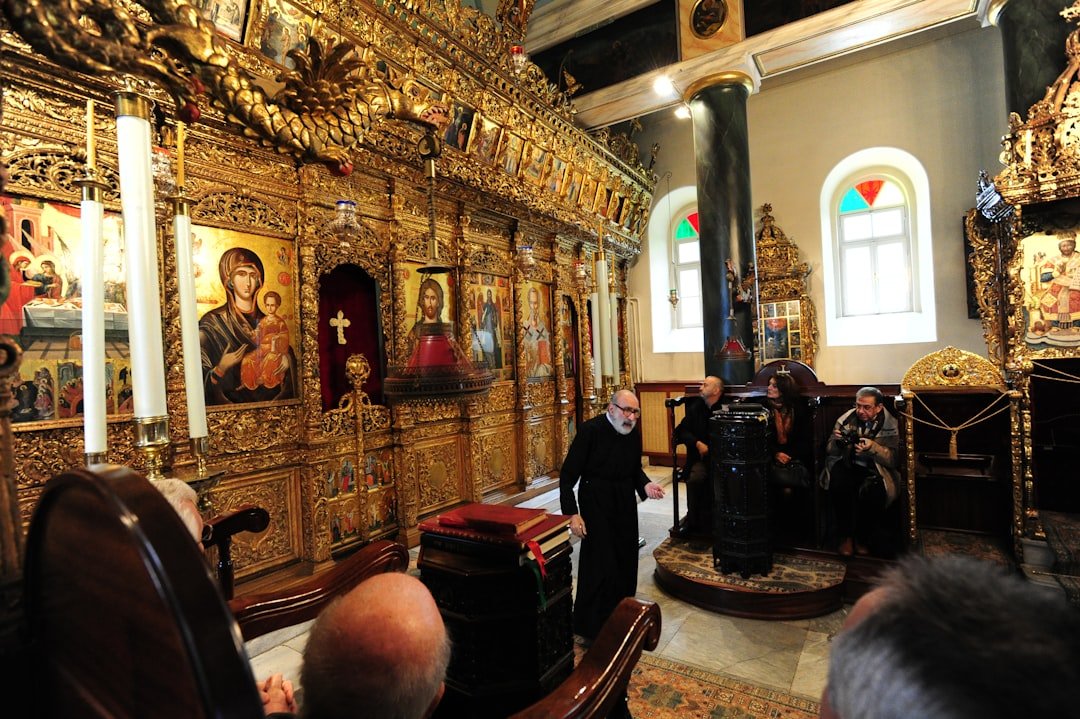
A central stop is the Ecumenical Patriarchate and the Patriarchal Church of St. George. The institution of the Ecumenical Patriarchate has ancient roots, but its current Phanar seat dates from around 1600. According to the Ecumenical Patriarchate, the former convent church was converted for patriarchal use under Patriarch Matthew II around the turn of the 17th century.
Another distinctive Fener landmark is the Bulgarian St. Stephen Church, often called the Iron Church because of its metal construction. It stands close to the Golden Horn and fits naturally into a Fener walking route.
5. Explore Balat
Balat is known for narrow streets, old houses, small shops, cafes, and religious heritage connected with several communities that lived in the district over many centuries. The most photographed streets are only part of the experience; look beyond the colorful facades and pay attention to the neighborhood’s churches, mosques, historic houses, and everyday residential life.
Ahrida Synagogue is one of the district’s notable Jewish heritage sites. Because synagogues are active religious sites and access can be restricted for security or community reasons, do not assume you can simply walk inside. If seeing the interior is important to you, arrange your visit in advance.
6. Finish Around Eyüpsultan and Pierre Loti Hill
Continue west toward Eyüpsultan if your time and energy allow. Eyüp Sultan Mosque and the tomb associated with Abu Ayyub al-Ansari make this area one of Istanbul’s most important Muslim devotional and pilgrimage centers.
From near the mosque, the TF2 cable car provides an easier route to the Pierre Loti area above the Golden Horn. Metro Istanbul lists the ride at only a few minutes, making it a convenient alternative to climbing the steep hillside on foot.
Pro Tip: Do the tour in one direction. Walk from Eminönü toward Fener, Balat, and Eyüpsultan, then use the T5 tram to return. This saves your legs and avoids retracing the same streets.
How to Shorten or Extend the Route
For a shorter visit, focus on Fener and Balat. This gives you the highest concentration of historic streets, religious heritage, cafes, and neighborhood atmosphere without committing to the entire waterfront.
For a fuller day, add Galata Tower before the walk, Süleymaniye Mosque near the beginning, Rahmi M. Koç Museum as a separate Golden Horn stop, and Pierre Loti Hill at the end.
Getting Around the Golden Horn
Walking is only one part of a practical Golden Horn visit. The T5 Eminönü–Alibeyköy tram runs along the historic Golden Horn side and serves stops including Fener, Balat, Ayvansaray, Feshane, and Eyüpsultan. At Eminönü it connects with other major city transport.
Metro Istanbul also notes ferry-pier connections at several Golden Horn stops. This gives you the option of combining walking with a boat journey instead of covering every section on foot.
At Eyüpsultan, the TF2 Eyüp–Piyer Loti cable car connects the waterfront area with the hilltop viewpoint.
Transport schedules and operating conditions can change, so check the official operator’s current information on the day you travel.
Exploring the Architecture and Landmarks
| Landmark | Area | Why It Matters | Visitor Note |
|---|---|---|---|
| Galata Tower | Galata/Beyoğlu | Genoese tower dating to 1348 with wide city views. | Uphill from the Golden Horn; best treated as an optional starting detour. |
| Süleymaniye Mosque | Historic Peninsula | Major 16th-century Mimar Sinan complex and part of UNESCO-listed historic Istanbul. | Requires an uphill detour from the waterfront. |
| Patriarchal Church of St. George | Fener | Seat of the Ecumenical Patriarchate at the Phanar since around 1600. | Active religious complex; behave respectfully. |
| Ahrida Synagogue | Balat | An important surviving part of Balat’s Jewish heritage. | Do not rely on walk-in access; advance arrangements may be required. |
| Eyüp Sultan Mosque | Eyüpsultan | Major Ottoman religious complex associated with Abu Ayyub al-Ansari. | Expect worshippers and dress appropriately. |
| Rahmi M. Koç Museum | Hasköy | Large transport, engineering, maritime, and industrial-history collection. | Located on the northern side of the Golden Horn, so treat it as a side trip rather than part of one continuous south-shore walk. |
The architectural appeal of the Golden Horn comes from this variety. Süleymaniye represents the height of classical Ottoman architecture, while Galata Tower points to Genoese commercial power before the Ottoman conquest. Fener reflects the continuing history of the Orthodox Church, and Balat preserves visible traces of Istanbul’s Jewish and other historic communities.
The area is therefore more interesting when you think of it as a collection of connected neighborhoods rather than a single row of famous monuments. Walk a few blocks inland at Fener and Balat, then return to the waterfront when you are ready to continue.
Experiencing the Culture and Local Life
The Golden Horn is not an open-air museum. People live, work, worship, shop, commute, and meet friends in these neighborhoods, so the most rewarding visit balances sightseeing with respect for everyday local life.
Around Galata Bridge and Eminönü, you will encounter fishermen, ferries, tea sellers, bakeries, and restaurants serving fish. Simit makes an easy walking snack, while börek is useful when you want something more filling. Turkish tea or coffee works well during a break in Fener or Balat.
Balat and Fener have gained many cafes and photography spots, but their appeal goes beyond colorful buildings. Look for historic doorways, old religious buildings, local shops, steep lanes, and views that reveal how closely different communities once lived around the harbor.
Ask permission before taking close photographs of residents or shopkeepers. Around mosques, churches, and synagogues, keep entrances clear and avoid disrupting worship or ceremonies.
Tips for Exploring the Golden Horn
Early morning is a good choice if you prefer quieter streets and softer light. Late afternoon is especially attractive around the water, but popular viewpoints and waterfront areas can be busier closer to sunset.
Wear comfortable shoes. The promenade may look straightforward on a map, but many of the best historic sights sit uphill from the shore. Galata, Süleymaniye, Fener, Balat, and Pierre Loti can involve steep lanes, steps, or uneven cobblestones.
Carry water in warm weather and use sun protection when spending several hours outside. If the weather turns unpleasant or you become tired, the T5 tram gives you several opportunities to stop walking without abandoning the rest of your day.
Warning: Some neighborhood streets have uneven surfaces, steep grades, traffic, or narrow sidewalks. Active religious sites may also close sightseeing areas during services. Visitors with limited mobility should plan shorter sections and use the tram or cable car where helpful.
When entering a mosque or another active religious building, wear modest clothing and follow posted instructions. Shoes normally need to be removed before entering mosque prayer areas. Avoid entering restricted areas simply because a door is open.
Recommended Stops and Attractions
Rahmi M. Koç Museum
The Rahmi M. Koç Museum is one of the Golden Horn’s strongest options if you enjoy transport, engineering, maritime history, communications, or industrial design. Its Lengerhane building was once an Ottoman Navy anchor foundry, and the wider museum complex also includes the historic Hasköy Shipyard.
Because the museum is on the northern shore, it works best as a dedicated side trip rather than something you try to squeeze into the middle of a continuous Fener-to-Eyüp walk.
Bulgarian St. Stephen Church
This distinctive church sits beside the Golden Horn near Fener and is easy to combine with the Ecumenical Patriarchate. Its metal construction makes it visually different from most other religious buildings on the route.
Eyüp Sultan Mosque
Eyüp Sultan Mosque and the neighboring tomb are deeply important to Muslim religious life in Istanbul. The original complex was established after the Ottoman conquest, while the mosque seen today reflects later rebuilding and restoration.
This is a place of worship first and a visitor attraction second. Allow worshippers space, keep noise low, and follow any access restrictions.
Pierre Loti Hill
Pierre Loti Hill is a popular finish because it provides a broad view across the Golden Horn. You can climb on foot, but the TF2 cable car offers a much easier connection from the Eyüp side of the waterfront.
If you have already spent several hours walking through Fener and Balat, taking the cable car up and public transport back down is usually the more comfortable option.
The best Golden Horn experience comes from combining waterfront walking with short trips inland: many of the area’s most important buildings sit above or behind the shore rather than directly beside the water.
Conclusion and Final Thoughts
The Golden Horn is one of the best places in Istanbul to see how geography, trade, religion, migration, and everyday city life have overlapped for centuries. Its natural harbor helped shape Byzantine and Ottoman Istanbul, while neighborhoods such as Fener, Balat, Hasköy, and Eyüpsultan preserve very different parts of that story.
A good walking tour does not need to cover the whole shoreline. Concentrate on a logical sequence of neighborhoods, take time to leave the main waterfront road, and use the T5 tram or other public transport when the distance stops being enjoyable.
If you have only a few hours, make Fener and Balat your priority. If you have most of a day, add Galata, Süleymaniye, Eyüpsultan, Pierre Loti Hill, or Rahmi M. Koç Museum according to your interests.
Sources
- UNESCO World Heritage Centre — Historic Areas of Istanbul — historic geography, Süleymaniye, and Istanbul’s Byzantine and Ottoman heritage.
- Republic of Türkiye Ministry of Culture and Tourism — Galata Tower — Genoese construction and history of the tower.
- Ecumenical Patriarchate — History of the Patriarchal Church of St. George — history of the present Phanar seat.
- Metro Istanbul — T5 Eminönü–Alibeyköy Tram and TF2 Eyüp–Piyer Loti Cable Car — current transport connections along the Golden Horn.
- Eyüpsultan Municipality — Eyüp Sultan Mosque — mosque history and religious significance.
- Rahmi M. Koç Museum — Museum History — history of the Lengerhane anchor foundry and Hasköy museum complex.
Frequently Asked Questions
What is the Golden Horn?
The Golden Horn, or Haliç, is a historic estuarine inlet and natural harbor in Istanbul. It forms the northern boundary of the Historic Peninsula and has played an important role in the city’s trade, defense, maritime activity, and urban development.
What is a Golden Horn walking tour?
It is a guided or self-guided walk through the historic neighborhoods and landmarks around Istanbul’s Golden Horn. A practical route usually combines waterfront walking with places such as Galata Bridge, Fener, Balat, and Eyüpsultan.
How long does a Golden Horn walking tour take?
Plan roughly 4–6 hours for a relaxed self-guided route through the main neighborhoods. A shorter Fener-and-Balat walk can take a few hours, while a full itinerary with museums, Galata Tower, Eyüpsultan, and Pierre Loti Hill can fill most of a day.
What are the main highlights of the Golden Horn route?
Popular highlights include Galata Bridge, Süleymaniye Mosque, Fener, the Ecumenical Patriarchate, Balat, Ahrida Synagogue, Eyüp Sultan Mosque, Pierre Loti Hill, and the Rahmi M. Koç Museum.
Is Galata Tower on the Golden Horn waterfront?
No. Galata Tower is in Beyoğlu on higher ground above Karaköy. It is a useful optional starting point because of its views, but you need to walk downhill to reach the Golden Horn and Galata Bridge.
Do I need to walk the entire Golden Horn?
No. Walking the most interesting sections is usually more enjoyable. The T5 tram serves Fener, Balat, Eyüpsultan, and other Golden Horn stops, so you can combine walking with public transport instead of covering the full shoreline on foot.
What should I wear for a Golden Horn walking tour?
Wear comfortable walking shoes because many streets are steep, cobbled, or uneven. If you plan to enter mosques or other active religious sites, choose modest clothing and follow the site’s posted dress and visitor rules.