The Golden Horn, known locally as Haliç, is one of Istanbul’s most historic waterways, but many travelers see only its busier edges near the Galata Bridge. Head farther inland and you can explore colorful Fener and Balat streets, active religious sites, industrial heritage in Hasköy, contemporary art in Eyüpsultan, antique shops, quiet waterfront paths, and ferry stops that make this part of the city easy to explore at a slower pace.
Quick Answer
The best hidden gems around Istanbul’s Golden Horn include Fener and Balat’s backstreets, Sveti Stefan Church, the Patriarchal Church of St. George, the Church of St. Mary of the Mongols, Rahmi M. Koç Museum, Artİstanbul Feshane, Hasköy, and the quieter ferry-and-waterfront route toward Eyüpsultan.
Key Takeaways
- Fener and Balat are the best areas for historic streets, colorful houses, small cafés, antique dealers, and religious heritage.
- Hasköy adds one of the Golden Horn’s strongest museum stops at the Rahmi M. Koç Museum.
- Artİstanbul Feshane combines Ottoman industrial heritage with contemporary exhibitions and cultural events.
- A Şehir Hatları ferry is both practical transport and one of the easiest ways to see the Golden Horn from the water.
- Some churches remain active places of worship or have limited visitor access, so check current conditions and visit respectfully.
Explore the Historic Backstreets of Fener and Balat
For most travelers looking for hidden gems in the Golden Horn, Fener and Balat are the best places to start. These neighboring quarters sit close to the southern shore of the Golden Horn and preserve layers of Ottoman, Greek Orthodox, Jewish, and modern Istanbul history.
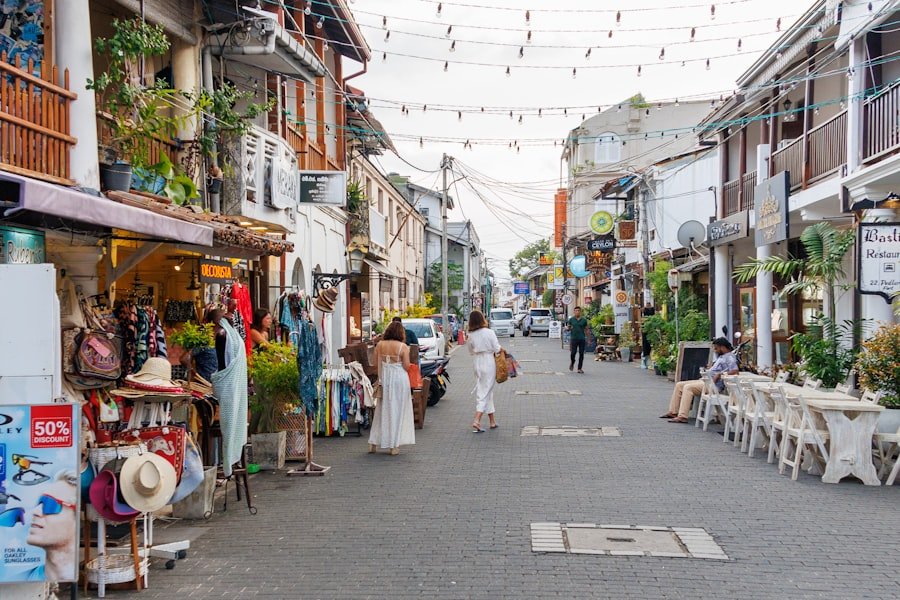
Balat is known for steep cobbled lanes, old houses with projecting bay windows, second-hand stores, antique dealers, cafés, and small independent businesses. Instead of staying only on the busiest photo streets, wander through the lanes that climb away from the waterfront. Merdivenli Yokuş, whose name roughly means “the slope with stairs,” is one of the better-known examples of the district’s colorful historic streetscape.
Nearby Fener has a different character. Its winding streets lead past the imposing red-brick Fener Greek High School, churches, old houses, workshops, and the Ecumenical Patriarchate. The area around Yıldırım and Vodina streets is lively, but a few turns away you can still find quieter residential lanes.
Warning: Fener and Balat have steep slopes, stairs, uneven paving, and cobbled streets. Wear shoes with good grip, take extra care after rain, and allow more time if anyone in your group has limited mobility.
Visit Lesser-Known Museums and Cultural Spaces on the Golden Horn
The Golden Horn has several cultural stops that can provide a deeper experience than simply walking through photogenic streets. One of the strongest is the Rahmi M. Koç Museum in Hasköy on the northern shore. Opened in 1994, the museum occupies historic industrial buildings and focuses on transportation, communication, engineering, and industrial heritage.
The collection includes vehicles, machinery, maritime objects, historic technology, and large exhibits that work especially well for travelers who enjoy engineering or are visiting Istanbul with children. The museum’s official visitor information currently lists Monday as closed, with different weekday and weekend hours, so check the museum website before traveling.
Farther west in Eyüpsultan, Artİstanbul Feshane gives visitors a very different cultural experience. The historic Feshane complex was one of the Ottoman Empire’s important industrial buildings and reopened after restoration in 2023 as a major public arts and culture venue.
Note: As of September 2026, Artİstanbul Feshane is hosting the “Kolektifin Belleği: İBB Koleksiyonları” exhibition, with the official IBB program listing it through December 13, 2026. Exhibitions and opening details can change, so check the venue calendar before your visit.
Sample Local Food and Everyday Neighborhood Life
You do not need a famous food market to enjoy the Golden Horn’s local food scene. Fener, Balat, Hasköy, and Eyüpsultan are better suited to slow neighborhood eating: bakeries, small lokantas, tea shops, cafés, pastry counters, and casual restaurants are scattered through the districts.
In Balat, cafés now share the streets with older neighborhood businesses, so the experience can change quickly from one block to another. Look beyond businesses designed mainly for photographs and choose places where the menu and atmosphere fit the neighborhood. A breakfast of bread, cheese, olives, eggs, tea, or pastries can be an easy way to begin a morning walk.
Eyüpsultan is another good place to stop for tea or a simple meal before or after exploring the mosque area, cemetery paths, Artİstanbul Feshane, or Pierre Loti Hill. Because businesses change frequently, choosing a busy local bakery or café on the day of your visit is usually more useful than relying on an old list of specific restaurants.
Discover Antique Shops and Independent Boutiques
Shopping is one of the most enjoyable ways to explore Balat without following a fixed sightseeing checklist. According to Türkiye’s official tourism guide, Balat and Fener are known for second-hand shops, antique dealers, craft stores, and newer designer boutiques. Some antique businesses also hold informal auctions, although schedules vary.
Take time to look at old books, small household objects, prints, records, decorative pieces, handmade goods, and locally designed products. The goal is not to race from store to store. The changing mix of older businesses and newer creative spaces is part of what makes Balat interesting.
| Area or Stop | Best For | What to Know |
|---|---|---|
| Balat backstreets | Antiques, cafés, old houses, photography | Walk beyond the busiest colorful-house streets for a quieter experience. |
| Fener | Orthodox heritage and historic architecture | Combine the Patriarchate area with the surrounding residential streets. |
| Hasköy | Industrial heritage and museums | The Rahmi M. Koç Museum is the main cultural anchor. |
| Eyüpsultan | Religious heritage, viewpoints, culture | Allow time for Artİstanbul Feshane and the historic cemetery area. |
| Golden Horn ferry | Water views and easy neighborhood hopping | Check the current Şehir Hatları timetable before setting out. |
Find Quiet Viewpoints and Green Spaces
The Golden Horn is densely urban, but there are several places where the pace slows. Waterfront promenades give you open views across the inlet and make a useful break between historic streets. Sections around Fener, Balat, Hasköy, Sütlüce, and Eyüpsultan can also be combined with ferry travel rather than treating the shoreline as one long walk.
Pierre Loti Hill above Eyüpsultan is not truly a secret, but it becomes more peaceful outside peak periods. The viewpoint looks across the upper Golden Horn, and visitors can reach the hill by walking through the historic cemetery area or using the cable car.
If you walk through Eyüp Cemetery, remember that it is an active burial ground rather than simply a scenic path. Keep voices low, stay on appropriate paths, and avoid treating graves as photography props.
Pro Tip: For quieter streets and softer light, explore Fener and Balat in the morning, then use the ferry later in the day when you want to rest your feet while still seeing the Golden Horn.
Experience the Golden Horn’s Religious and Cultural Heritage
The Golden Horn’s neighborhoods reflect centuries of Muslim, Greek Orthodox, Jewish, Bulgarian Orthodox, and other communities. That layered history is one of the main reasons Fener and Balat feel different from a conventional sightseeing district.
Sveti Stefan Bulgarian Church
Standing directly beside the Golden Horn, Sveti Stefan is often called the Bulgarian Iron Church because of its distinctive prefabricated metal construction. Its waterfront location and ornate exterior make it one of the most recognizable religious buildings in Balat. It is an active religious site, so behave respectfully and avoid disrupting services.
Ecumenical Patriarchate and the Church of St. George
In Fener, the Ecumenical Patriarchate is one of the district’s most important institutions. Its Patriarchal Church of St. George has served as a central church of the Ecumenical Patriarchate for centuries. Visitors interested in Orthodox history should give this stop more time than a quick photograph at the entrance.
Dress respectfully, speak quietly, and remember that worship always takes priority over sightseeing. Access arrangements can change for services, holidays, security, or official events.
Church of St. Mary of the Mongols
The Church of St. Mary of the Mongols, also called the Bloody Church, is another important Fener landmark. It remains an active Greek Orthodox church and is notable for its long history. However, official tourism information notes that it is not regularly open to visitors.
That distinction matters when planning a hidden-gems itinerary. Treat seeing the church from the surrounding streets as worthwhile on its own and regard interior access as a bonus rather than something guaranteed.
Take a Ferry Along the Golden Horn
One of the easiest ways to understand the geography of the Golden Horn is to see it from the water. Istanbul’s municipal ferry operator, Şehir Hatları, operates Golden Horn services that connect stops including Fener, Balat, Hasköy, Sütlüce, Eyüpsultan, Kasımpaşa, Karaköy, and Üsküdar on applicable sailings.
This makes the ferry more than a sightseeing cruise. You can use it to connect neighborhoods that would otherwise require a longer bus, tram, or taxi journey. For example, explore Fener and Balat on foot, board near the waterfront, and continue toward Hasköy or Eyüpsultan.
Timetables differ by direction, day, Sunday, and public-holiday service, so check the current schedule rather than relying on a departure time copied from an old travel guide.
The Golden Horn is best experienced as a chain of neighborhoods rather than one attraction: walk the historic streets, cross the water by ferry, and give each shore time to reveal a different side of Istanbul.
Plan an Off-the-Beaten-Path Golden Horn Route
You can see several Golden Horn hidden gems without rushing if you organize the day by neighborhood instead of crossing Istanbul repeatedly.
Half-Day Route
- Start in Fener. Walk around the Ecumenical Patriarchate and Church of St. George, then explore the surrounding lanes.
- Continue uphill through historic Fener. See the Fener Greek High School from the surrounding streets and look for quieter residential architecture.
- Walk into Balat. Explore Merdivenli Yokuş, antique shops, cafés, and side streets rather than staying only at the busiest photo locations.
- Visit Sveti Stefan Church. Its position directly beside the Golden Horn makes it an easy waterfront stop.
- Finish with the ferry. Ride toward Hasköy, Eyüpsultan, Karaköy, or another convenient stop instead of retracing the entire route on foot.
Full-Day Route
For a longer day, add the Rahmi M. Koç Museum in Hasköy or continue toward Eyüpsultan for Artİstanbul Feshane, the Eyüp Sultan area, cemetery paths, and Pierre Loti Hill. Trying to combine every museum, church, neighborhood, and viewpoint in a few hours will make the route feel rushed.
Local exhibitions, concerts, workshops, ferry services, and cultural events change during the year. Before your visit, check official venue calendars rather than assuming an event mentioned in an older guide is still running.
If your priority is discovering the Golden Horn rather than collecting famous Istanbul landmarks, keep the day focused on Haliç. The area rewards slow walking, short ferry rides, small detours, and time spent looking beyond the most photographed streets.
Frequently Asked Questions
What is the Golden Horn?
The Golden Horn, or Haliç, is a historic inlet connected to the Bosphorus in Istanbul. Its shores include important neighborhoods and districts such as Fener, Balat, Hasköy, Sütlüce, and Eyüpsultan, along with museums, mosques, churches, parks, cultural spaces, and ferry piers.
What are hidden gems in the Golden Horn?
Golden Horn hidden gems are places beyond Istanbul’s most famous headline attractions. They include historic side streets, smaller religious sites, industrial-heritage museums, local antique shops, cultural venues, waterfront paths, and neighborhood ferry stops that many short-stay visitors miss.
What are the best hidden gems around the Golden Horn?
Good choices include Fener and Balat’s backstreets, Merdivenli Yokuş, Sveti Stefan Bulgarian Church, the Ecumenical Patriarchate and Church of St. George, the Church of St. Mary of the Mongols, Rahmi M. Koç Museum, Artİstanbul Feshane, Hasköy, and quieter sections of the Golden Horn waterfront.
Why are Fener and Balat considered special?
Fener and Balat combine historic houses, steep cobbled lanes, Orthodox Christian and Jewish heritage, antique dealers, cafés, workshops, and everyday residential life. Their appeal comes from exploring the neighborhood as a whole rather than visiting one single monument.
How can visitors discover Golden Horn hidden gems?
Walk Fener and Balat slowly, leave the busiest streets for smaller side lanes, use the municipal ferry to move between waterfront neighborhoods, and combine major anchors such as the Rahmi M. Koç Museum or Artİstanbul Feshane with nearby local streets.
How much time do you need to explore the Golden Horn?
Allow at least half a day for Fener and Balat plus a ferry ride. A full day is better if you also want to visit a museum in Hasköy, Artİstanbul Feshane, Eyüpsultan, or Pierre Loti Hill.
Is the Golden Horn area easy to explore on foot?
Individual neighborhoods are walkable, but Fener and Balat contain steep slopes, stairs, cobbles, and uneven surfaces. The Golden Horn is also larger than it appears on a map, so combining walking with ferries and public transport is usually more comfortable than trying to cover the entire shoreline on foot.
Can you visit the Church of St. Mary of the Mongols?
Do not assume that interior access will be available. The church remains an active Orthodox site, and official tourism information states that it is not regularly open to visitors. You can still include the surrounding Fener streets in your route and check current access locally.
Sources
- GoTürkiye — Golden Horn — Golden Horn history, neighborhoods, museums, and major sights.
- GoTürkiye — Fener and Balat Neighbourhoods — historic streets, architecture, religious heritage, shops, and neighborhood character.
- GoTürkiye — Orthodox Churches in Istanbul — Church of St. Mary of the Mongols and visitor-access context.
- Rahmi M. Koç Museum — official museum location, collections, visitor information, and current hours.
- Istanbul Metropolitan Municipality — Artİstanbul Feshane — current venue information and cultural programming.
- Şehir Hatları — Golden Horn Ferry Line — current ferry stops and timetable information.