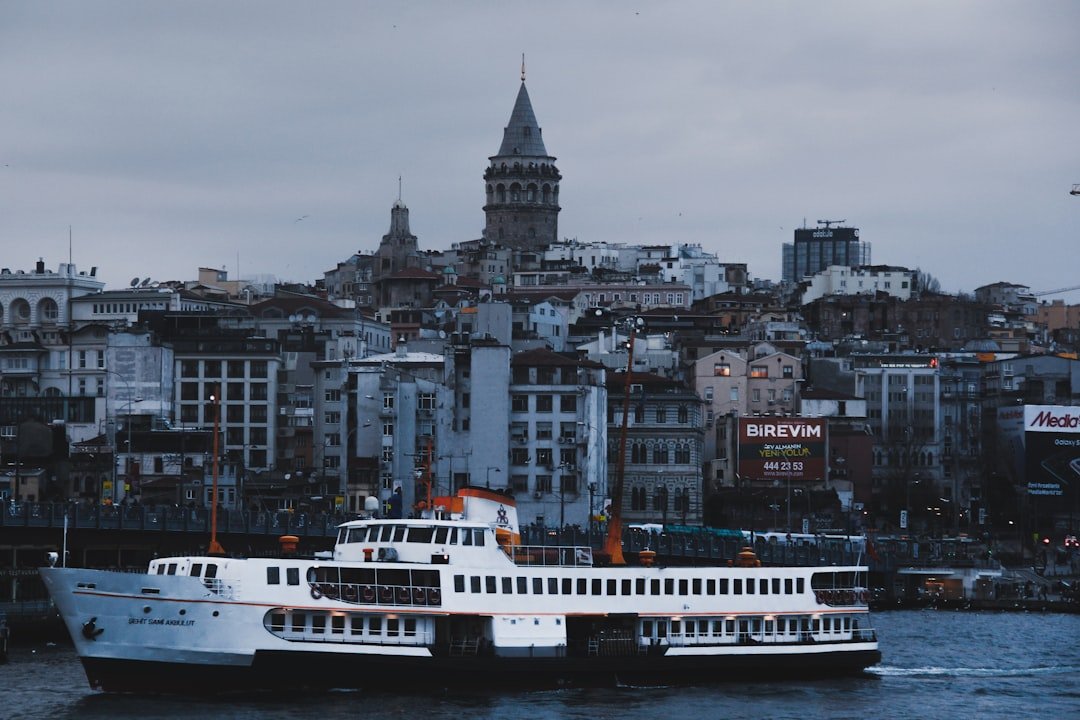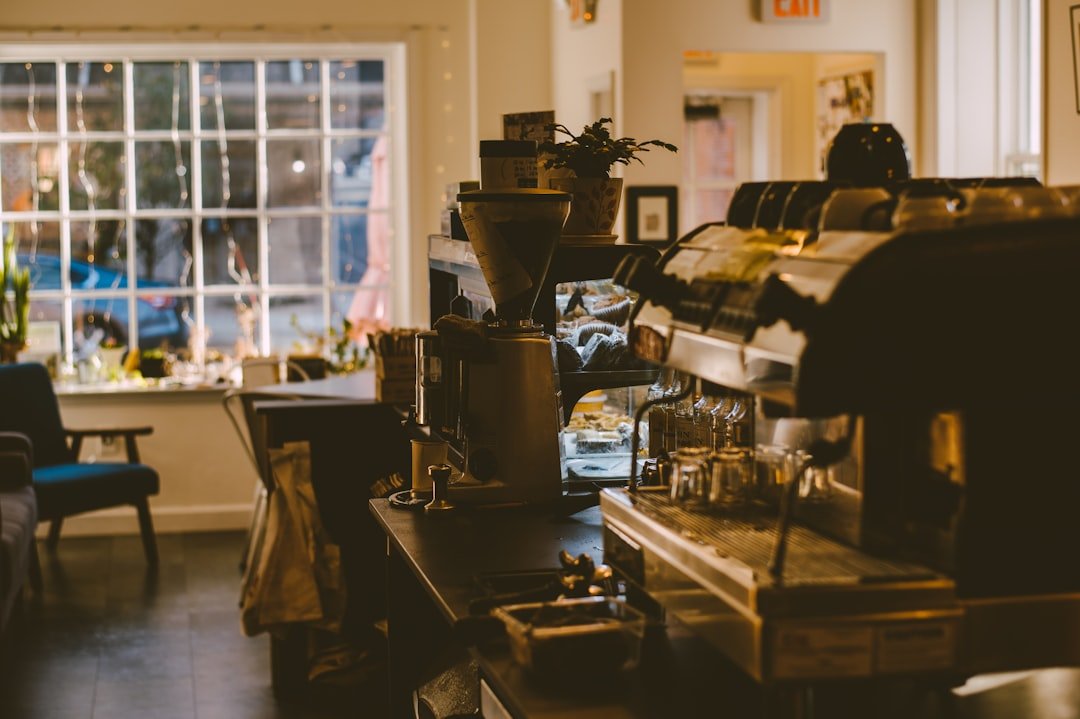
Sultanahmet is one of Istanbul’s easiest places to combine sightseeing with a coffee break, but not every café offers the same experience. Some places focus on Turkish coffee and sweets, others are better for espresso drinks, and many operate mainly as restaurants with coffee on the menu. The best choice depends on whether you want tradition, coffee quality, a quiet seat, or a landmark setting.
Quick Answer
For a traditional-style stop in Sultanahmet, Hafız Mustafa 1864 Edebiyat Kıraathanesi is a well-established choice for Turkish coffee and sweets. Şerbethane offers coffee in the Arasta Bazaar area, while Fuego is a convenient café-restaurant near the major sights. For specialty-style espresso, Poika Coffee is a commonly reviewed option in the neighborhood.
Key Takeaways
- Istanbul’s coffeehouse culture dates to the mid-16th century, not the 15th century.
- Turkish coffee is a preparation method: very finely ground coffee is brewed with water, and sugar may be added before brewing.
- Sultanahmet mixes traditional coffee-and-dessert venues, modern cafés, and restaurant cafés, so choose by the experience you want.
- Salep is a separate hot drink, while menengiç “coffee” is a caffeine-free coffee substitute made from roasted terebinth fruit.
- Hours, menus, and prices can change quickly in this tourist district, so check a venue’s current information before making a special trip.
The History of Coffee in Sultanahmet
The history of coffee in Sultanahmet is part of the wider history of coffee in Ottoman Istanbul. Coffee reached Istanbul in the 16th century after spreading through Yemen and other parts of the region. Sources differ slightly on the exact opening date of Istanbul’s first coffeehouses, but Ottoman-era accounts place them in the early-to-mid 1550s rather than the 15th century.
Academic research on Ottoman coffeehouses describes the first Istanbul establishments as social spaces where people met, exchanged news, read, listened to stories, played games, and discussed public affairs. They became important parts of urban life and later influenced coffeehouse culture far beyond the Ottoman capital.
Sultanahmet and nearby Divanyolu, Nuruosmaniye, Beyazıt, and Çemberlitaş later became well-known coffeehouse areas. A Turkish Ministry of Culture and Tourism publication documents lively literary coffeehouses in this part of the historic peninsula during the late Ottoman period and early years of the Turkish Republic. Coffee also appeared in public ceremonial life around Sultanahmet Mosque.
Turkish coffee culture is not only about the drink. Its lasting importance comes from the way coffee creates time for conversation, hospitality, and shared social rituals.
Traditional Turkish coffee is prepared by combining very finely ground coffee with cold water in a cezve. Sugar, if desired, is added before brewing. The mixture is heated slowly so foam develops, then poured into a small cup with the grounds still present. The grounds settle at the bottom and are not normally drunk.
The Best Coffee Shops in Sultanahmet
Sultanahmet has many places that serve coffee, but the phrase “best coffee shop” can mean very different things. A traveler looking for a classic Turkish coffee and baklava stop may prefer a historic dessert house, while someone who cares most about espresso may be happier at a smaller modern café.
Hafız Mustafa 1864 Edebiyat Kıraathanesi
Hafız Mustafa 1864 lists an Edebiyat Kıraathanesi branch at Binbirdirek, Divanyolu Caddesi No:14 in Sultanahmet. It is a practical choice if you want Turkish coffee with traditional sweets such as baklava or Turkish delight in a well-established setting. Its official branch information lists long daily opening hours, but check again on the day you visit because hours can change.
Şerbethane Cafe & Restaurant
Şerbethane sits on Arasta Çarşısı Sokağı, close to the Blue Mosque complex. Its official site lists tea, coffee, Ottoman-style sherbet, breakfast, and other food and drinks. This is a better fit for visitors who want a broader Turkish café experience rather than a specialty-coffee-only stop.
Fuego Restaurant & Cafe
Fuego is a restaurant-and-café option on İncili Çavuş Sokak, within walking distance of the major Sultanahmet sights. Its official site confirms the current Sultanahmet address and daily service. Choose it for convenience and a sit-down break rather than for a purist coffeehouse experience.
Poika Coffee
Poika Coffee is commonly listed as a modern coffee shop in Sultanahmet and is a better match for visitors looking for espresso-based drinks, breakfast, or a quieter contemporary café atmosphere. Because independent café hours can change, confirm its current opening times before making a special trip.
Note: Older or lightly sourced guides may mention Pelit Cafe, Cafe Turka, or MOC (Ministry of Coffee) as Sultanahmet recommendations. Current evidence does not support presenting all three as reliable present-day Sultanahmet choices, so they should not be treated as confirmed stops without checking their latest location and status.
The most useful way to compare Sultanahmet cafés is by purpose: traditional Turkish coffee and sweets, modern espresso, a full meal, outdoor seating, or a view. One venue rarely excels at all of these at once.
The Unique Coffee Culture in Sultanahmet
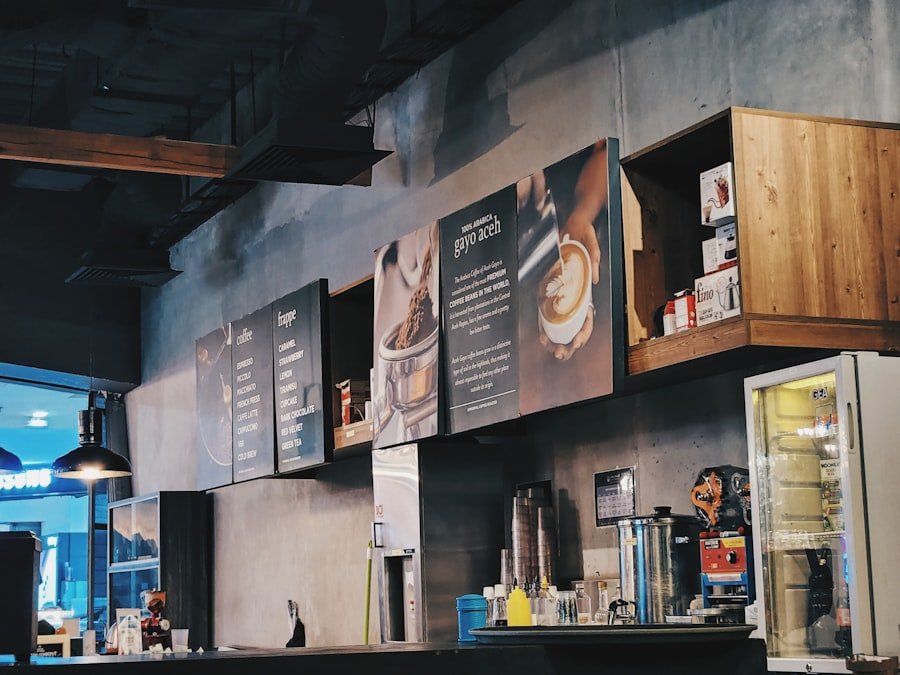
Coffee culture in Sultanahmet blends history with the needs of a modern tourist district. Traditional Turkish coffee encourages slow drinking because the cup is small, the brew is concentrated, and the grounds need time to settle. That naturally suits conversation and a short rest between visits to nearby landmarks.
At the same time, today’s Sultanahmet is not a museum of Ottoman coffeehouses. Many businesses are modern restaurants, hotel cafés, dessert shops, or espresso bars serving both Turkish and international drinks. Expect cappuccino, latte, Americano, tea, fresh juice, and desserts alongside traditional Turkish coffee in many places.
Historical coffeehouses were important cultural spaces for storytelling, reading, news, games, music, poetry, and debate. They attracted people from different occupations and social backgrounds and became an important part of Istanbul’s public life. It is safer, however, not to claim that today’s Sultanahmet cafés routinely host open-mic nights, poetry readings, exhibitions, or other events unless a specific venue currently advertises them.
The Importance of Coffee in Turkish Culture
Coffee has a special place in Turkish social life. The Turkish Ministry of Culture and Tourism uses the well-known saying that the memory of a cup of coffee lasts for forty years to describe how strongly coffee is associated with friendship and hospitality.
UNESCO inscribed Turkish coffee culture and tradition on the Representative List of the Intangible Cultural Heritage of Humanity in 2013. UNESCO describes Turkish coffee as a communal tradition connected with hospitality, conversation, social occasions, and family transmission of knowledge.
Fortune-telling from coffee grounds is also part of the broader social tradition. After the drink is finished, the cup may be turned upside down on the saucer and the patterns left by the grounds interpreted for fun. This practice is cultural entertainment rather than a factual way to predict the future.
Serving coffee to guests remains an important hospitality gesture in many Turkish homes and social settings. Coffee also appears in engagement traditions and other special occasions, which helps explain why the drink carries more cultural meaning than an ordinary caffeine stop. Historically, coffee spread through different levels of Ottoman society and became associated with conversation, refinement, leisure, and public social life.
The Must-Try Coffee Drinks in Sultanahmet
Visitors often see both traditional and modern drinks on Sultanahmet menus. The following choices are worth understanding before ordering.
Turkish Coffee
Turkish coffee is the essential traditional choice. It is made from very finely ground coffee brewed in a cezve with water and, if requested, sugar. It is served unfiltered in a small cup. The coffee grounds settle at the bottom, so sip slowly and stop before reaching the thick layer of grounds.
Turkish coffee is a method, not a specific coffee-bean species. A café may use Arabica or another suitable coffee, so describing Turkish coffee as a drink that must be made from Arabica beans is too narrow. It is often served with a glass of water and may be accompanied by Turkish delight, chocolate, or another small sweet.
Menengiç Coffee
Menengiç coffee is not made from coffee beans. It is produced from roasted and ground fruit of Pistacia terebinthus, commonly called terebinth. Turkish agricultural authorities describe it as a caffeine-free coffee substitute. It has a nutty, distinctive flavor and is often prepared with milk. Availability varies by café, so do not assume every Sultanahmet menu has it.
Salep
Salep is a warm, milky drink traditionally associated with orchid-tuber flour and is especially popular in cool weather. It is not coffee, even though cafés often list it alongside coffee and tea. Cinnamon is a common topping, and it offers a comforting alternative when you want something without the character of coffee.
Espresso, Cappuccino, and Latte
Modern Sultanahmet cafés commonly serve espresso-based drinks such as cappuccino and latte. These are useful choices if you want a familiar drink or prefer milk-based coffee. Some cafés may offer flavored or spiced lattes with ingredients such as cardamom, cinnamon, or nutmeg, but those drinks should not be confused with traditional Turkish coffee.
Pro Tip: When ordering Turkish coffee, decide your sugar level before brewing. Sugar is normally added to the cezve during preparation rather than stirred into the finished cup.
The Cozy Atmosphere of Sultanahmet Coffee Shops
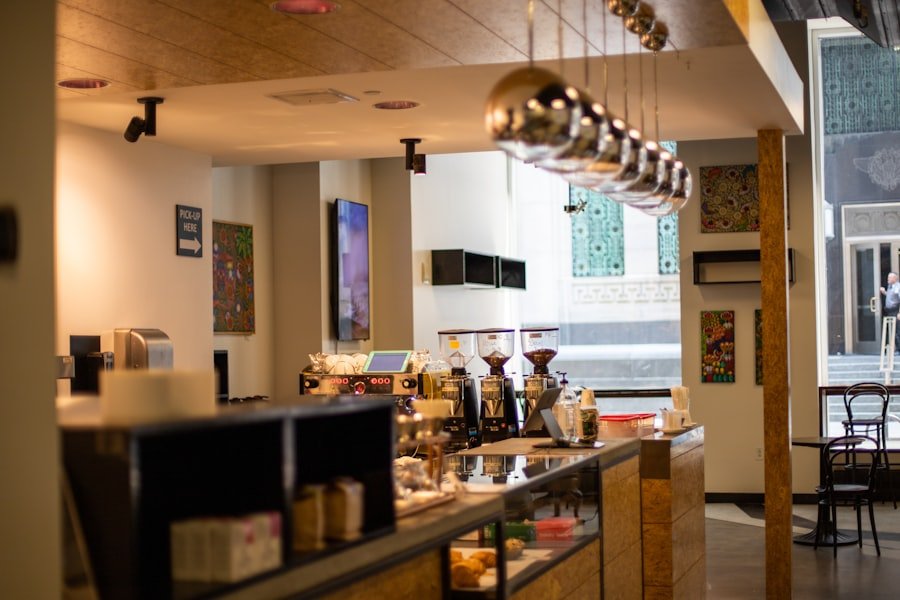
Sultanahmet cafés range from small street-side coffee shops to ornate dessert houses, courtyard cafés, hotel terraces, and full restaurants. Some use Ottoman-inspired decoration, tiles, woodwork, textiles, or traditional serving pieces, while others have a modern European café style.
The neighborhood can be very busy around Hagia Sophia, the Blue Mosque, Topkapı Palace, the Basilica Cistern, and the main tram route. A café one or two streets away from the busiest pedestrian flow may feel calmer than a venue directly beside a landmark.
The familiar sounds of cups, conversation, and street activity can create a lively atmosphere, while smaller side-street cafés may provide a quieter break. This makes Sultanahmet useful for both travelers who want to socialize and visitors who simply want to sit down after several hours of sightseeing.
Outdoor seating is common, but it is not universal. Some cafés also serve hookah, which can matter if you prefer a smoke-free environment. If quiet seating, accessibility, air conditioning, or a smoke-free table is important, check those details before sitting down.
The Role of Coffee Shops in Sultanahmet’s Tourism
Coffee shops and café-restaurants play a practical role in Sultanahmet because the district is built around long periods of walking and sightseeing. A coffee stop gives visitors a place to rest, plan the next attraction, use Wi-Fi where available, and experience a familiar part of Turkish hospitality.
For many travelers, ordering Turkish coffee near the historic peninsula is also a simple introduction to a living cultural tradition. The experience becomes more meaningful when you understand how the drink is prepared, why it is served in a small cup, and why it is often accompanied by water or something sweet.
Coffee experiences and Turkish coffee workshops are available in Istanbul, but the claim that many Sultanahmet cafés themselves routinely run coffee-making workshops is too broad. If a hands-on class is important to you, book a specifically advertised experience instead of assuming your chosen café offers one.
How to Choose a Coffee Shop in Sultanahmet
- For traditional Turkish coffee: choose a venue that clearly lists Turkish coffee and serves it in a traditional-style presentation.
- For espresso quality: choose a coffee-focused café rather than a restaurant where coffee is only a small part of the menu.
- For sweets: a dessert house can be ideal for pairing coffee with baklava, Turkish delight, or other pastries.
- For views: rooftop and terrace venues may charge more because the setting is part of the experience.
- For quiet: walk a little away from the main square and tram corridor.
- For outdoor seating: confirm that the café has a terrace or street tables; availability can depend on weather and season.
- For current hours: check the venue’s official page or current map listing on the day you visit.
If you are looking for a cozy place to enjoy coffee in Sultanahmet, keep the choice connected to your visit rather than following unrelated reading about cottage cheese, celebrity news, or fruit. Those subjects do not help a visitor choose a café. A much more natural pairing is Turkish coffee with baklava, Turkish delight, künefe, chocolate, or another sweet available at your chosen venue.
What to Expect When Ordering Turkish Coffee
A waiter may ask how sweet you want your coffee. Common choices range from no sugar to lightly, medium, or fully sweetened. Because the sugar is brewed with the coffee, state your preference when ordering.
Water is commonly served alongside Turkish coffee. Drink it as you prefer, but many people use it to refresh the palate. A small sweet may also be served. After the coffee arrives, give the grounds time to settle, sip slowly, and avoid drinking the sediment at the bottom of the cup.
Note: “Turkish coffee” describes the preparation and serving tradition, not a roast level or a single bean origin. The defining features are the very fine grind, cezve brewing, unfiltered serving, and the cultural ritual around the drink.
The Future of Coffee in Sultanahmet
Sultanahmet’s coffee scene will likely continue to mix heritage with modern café habits. Traditional Turkish coffee remains culturally important, while visitors also expect espresso drinks, breakfast menus, Wi-Fi, contemporary interiors, and a wider range of milk and beverage options.
Sustainability is an important issue in the global coffee industry, but claims about ethical sourcing should be tied to evidence from a specific café or roaster. It is not accurate to say that many Sultanahmet cafés use fair-trade or environmentally certified beans unless those businesses publish sourcing information.
In conclusion, Sultanahmet offers more than one kind of coffee experience. The strongest visit combines realistic expectations with a little cultural context: choose a current, verifiable venue, order the drink that fits your taste, and make time to enjoy it slowly. That approach respects both the district’s historic coffeehouse legacy and its modern café culture.
Frequently Asked Questions
What are popular coffee shops in Sultanahmet?
Current options include Hafız Mustafa 1864 Edebiyat Kıraathanesi for Turkish coffee and sweets, Şerbethane for a Turkish café-restaurant experience, Fuego for a convenient sit-down break near the sights, and Poika Coffee for a more modern coffee-shop feel. Check current hours before visiting.
What types of coffee are typically served in Sultanahmet coffee shops?
Many cafés serve Turkish coffee as well as espresso, Americano, cappuccino, and latte. The exact menu depends on whether the venue is a traditional dessert house, a modern coffee shop, a hotel café, or a restaurant.
Are traditional Turkish desserts served with coffee in Sultanahmet?
Yes. Dessert-focused venues commonly offer baklava, Turkish delight, and other pastries that pair well with Turkish coffee. Künefe may also appear on restaurant or dessert menus, although it is not available at every café.
Do Sultanahmet coffee shops offer outdoor seating?
Many do, especially café-restaurants and terrace venues, but outdoor seating is not guaranteed. Space can be limited, weather affects availability, and some outdoor areas may allow smoking or hookah.
What are typical coffee-shop opening hours in Sultanahmet?
There is no single standard. Some cafés open for breakfast, while restaurant cafés may stay open late into the evening. Hours can change seasonally or around holidays, so check the venue’s current official information on the day you visit.
Is Turkish coffee always made from Arabica beans?
No. Turkish coffee refers to the very fine grind, cezve brewing method, unfiltered serving style, and related tradition. It is not defined by one coffee species.
Is salep a type of coffee?
No. Salep is a separate hot milk-based drink traditionally made with salep flour and often topped with cinnamon. It is commonly sold in cafés during cooler weather but is not coffee.
Sources
- UNESCO — Turkish coffee culture and tradition — supports the preparation method, hospitality tradition, social role, fortune-telling custom, and 2013 inscription.
- Republic of Türkiye Ministry of Culture and Tourism — Turkish Coffee Culture and Tradition — supports the 16th-century Istanbul history, coffeehouse role, proverb, and preparation customs.
- Bilkent University — Early modern Ottoman coffeehouse culture — supports the early-1550s emergence and social role of Istanbul coffeehouses.
- Hafız Mustafa 1864 — Branches — verifies the Edebiyat Kıraathanesi branch in Sultanahmet.
- Şerbethane Cafe & Restaurant — Official site — verifies its Sultanahmet location and coffee service.
- Fuego Restaurant & Cafe — Official site — verifies its Sultanahmet location and current operation.