Rome can feel overwhelming when you have only two days, but a smart route lets you see the city’s biggest ancient, religious, and Baroque sights without wasting hours crossing back and forth. This itinerary keeps Day 1 around Ancient Rome and the historic center, then gives Day 2 to Vatican City, Trastevere, and a sunset finish near Piazza del Popolo.
Quick Answer
With two full days in Rome, spend Day 1 at the Colosseum, Roman Forum, Palatine Hill, Pantheon, and Piazza Navona. Use Day 2 for the Vatican Museums, Sistine Chapel, St. Peter’s Basilica, Trastevere, Trevi Fountain, Spanish Steps, and a sunset view from the Pincio Terrace.
Key Takeaways
- Book your Colosseum time slot and Vatican Museums ticket before building the rest of the itinerary around them.
- Add Palatine Hill to the Colosseum and Roman Forum visit because it is included with the standard combined ticket.
- The Pantheon now has a paid ticket, and the Trevi Fountain has a separate paid inner-perimeter access system for non-residents.
- Vatican dress rules apply to the Museums, Sistine Chapel, and St. Peter’s Basilica, so cover shoulders and knees.
- Day 2 is ambitious. If the Vatican takes longer than expected, shorten Trastevere rather than rushing through the major sites.
Before You Go: Book the Time-Sensitive Sights First
Your two fixed points should be the Colosseum on Day 1 and the Vatican Museums on Day 2. The official Colosseum ticket for the Colosseum, Roman Forum, and Palatine currently costs €18 at full price and requires a booked Colosseum entry time. Sales open 30 days before the visit, so reserve the slot first on the official Colosseum website.
For the Vatican Museums, buy only through the official Vatican Museums website. The Museums are normally open Monday through Saturday from 8:00 a.m. to 8:00 p.m., with final entry at 6:00 p.m. Most Sundays are closed, except the last Sunday of the month under the Museums’ published calendar.
Warning: If Day 2 falls on a Sunday, check the Vatican Museums calendar before you travel. A normal Sunday plan may fail because the Museums are generally closed except on the last Sunday of the month and certain holiday exceptions.
The Pantheon is another paid stop. As of July 1, 2026, the full ticket is €7. It is generally open daily from 9:00 a.m. to 7:00 p.m., with last individual entry at 6:30 p.m.; religious services can affect access. Check the official Pantheon visitor page before your visit.
Suggested 2-Day Schedule
| Day 1 morning | Colosseum, Roman Forum, Palatine Hill |
| Day 1 afternoon | Pantheon, Piazza Navona, historic-center walk |
| Day 1 evening | Traditional Roman dinner |
| Day 2 morning | Vatican Museums, Sistine Chapel, St. Peter’s Basilica |
| Day 2 afternoon | Trastevere, gelato, Trevi Fountain, Spanish Steps |
| Day 2 sunset | Pincio Terrace above Piazza del Popolo |
Getting Around Rome in Two Days
Most stops in the historic center are easiest to connect on foot, but public transport can save energy between larger zones. ATAC’s standard BIT ticket currently costs €1.50 and is valid for 100 minutes, while the ROMA 24H ticket costs €8.50 for unlimited travel within its validity period. Current fares and rules are listed on the official ATAC website.
Pro Tip: Wear supportive shoes. Rome’s historic center has uneven paving, stone steps, and long walking stretches. Use public transport or a taxi for the longest jump on Day 2 if your feet are tired.
Day 1: Visit the Colosseum, Roman Forum, and Palatine Hill
The Grandeur of the Colosseum
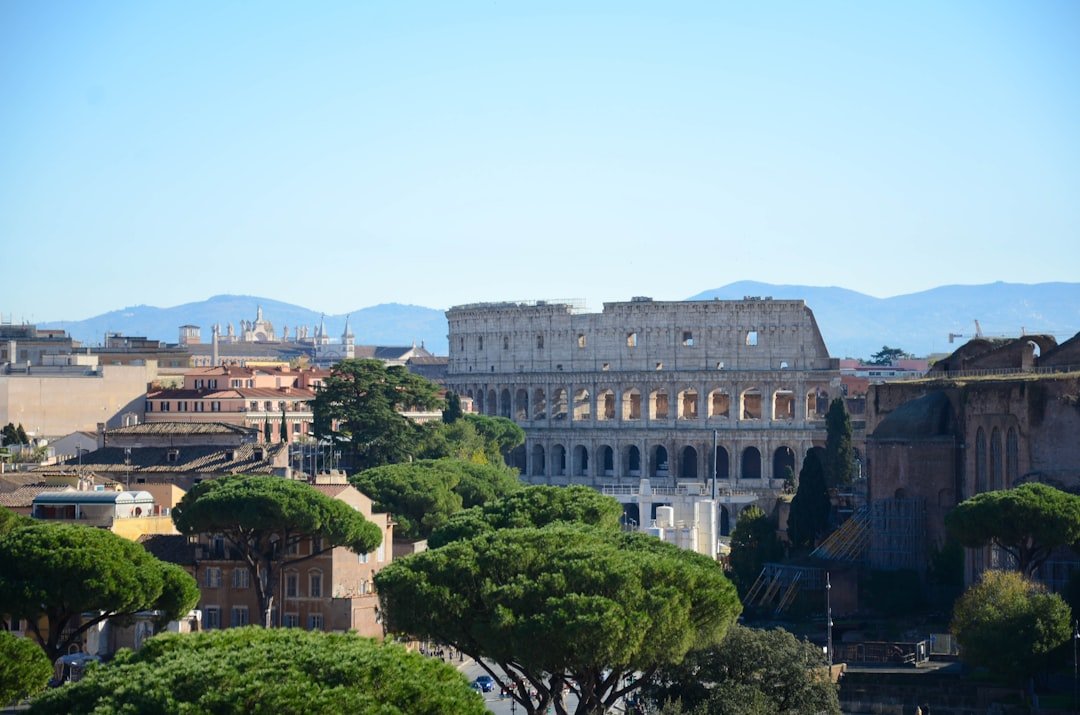
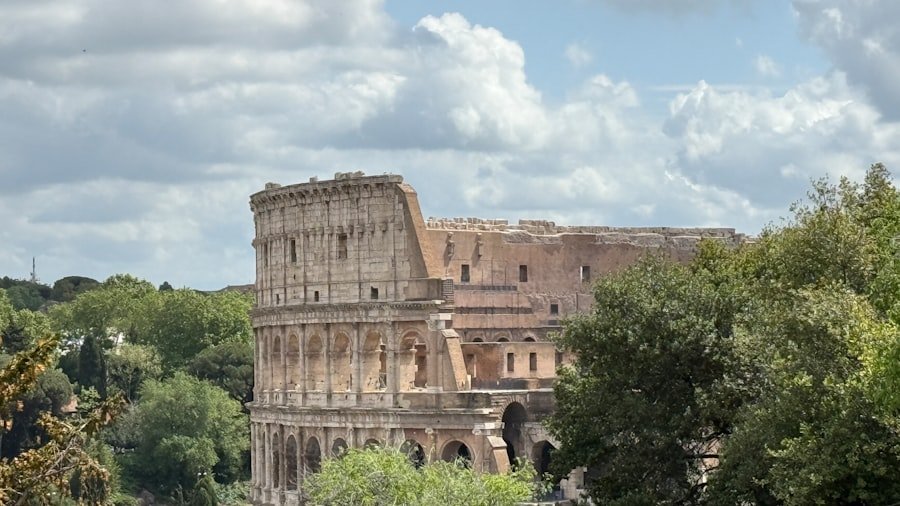
Start early at the Colosseum, the largest amphitheater of the Roman world. Ancient crowds came here for gladiatorial contests, animal hunts, and other public spectacles. Official archaeological-park material describes an audience of more than 50,000 people, which is a safer figure than the often-repeated claim that the building held 80,000 spectators.
The standard ticket includes the first and second levels of the Colosseum, plus the Roman Forum and Palatine Hill. Arrive before your booked time because the Colosseum entry is timed and visitors must pass security.
Exploring the Roman Forum
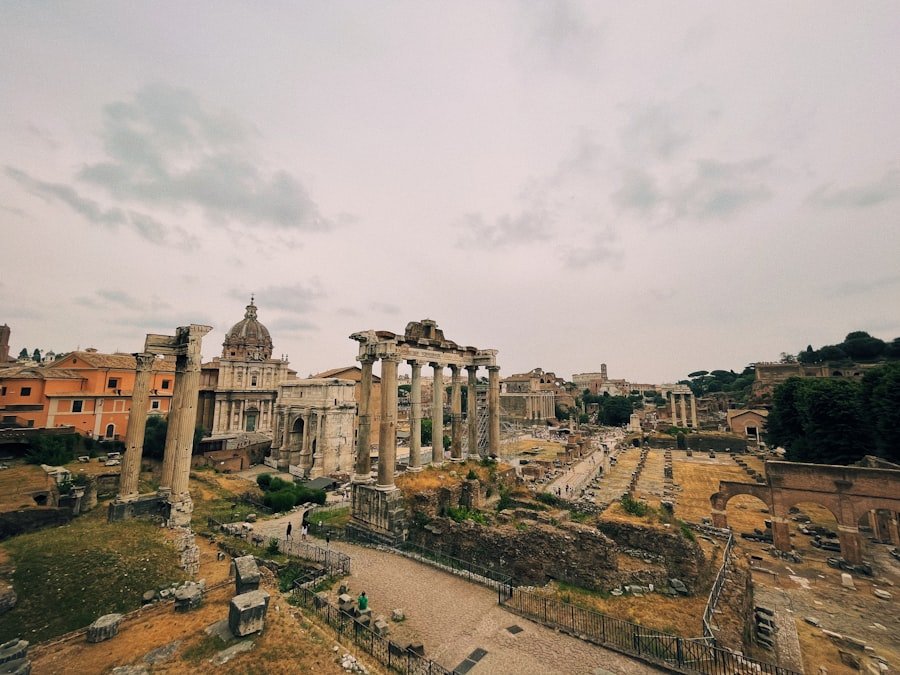
Walk from the Colosseum into the Roman Forum, which developed into the center of public life in Ancient Rome. Political, religious, commercial, judicial, and ceremonial buildings filled this valley over many centuries. Look for major landmarks such as the Arch of Titus, the Temple of Saturn, the House of the Vestals, and the basilicas that framed the Forum.
Do not rush this part. The Forum is large, exposed, and easier to understand when you slow down and look at the surviving roads, columns, arches, and foundations as parts of one civic center rather than as isolated ruins.
Add Palatine Hill
Palatine Hill is included with the standard Colosseum–Forum ticket and sits directly beside the Forum. It gives you a better sense of how Rome’s political center connected with the imperial palace zone above it. The higher viewpoints also help you understand the layout of the Forum and Circus Maximus area.
Where Past and Present Meet
This part of Rome makes the city’s layers easy to see: ancient stone, later churches, busy roads, and modern neighborhoods all sit within a short walk. That contrast is one of the strongest reasons to give the Colosseum–Forum–Palatine complex a full morning rather than treating it as a quick photo stop.
Day 1: Discover the Pantheon and Piazza Navona
After lunch, move into the historic center and visit the Pantheon. The current building dates to the reign of Hadrian and is one of the best-preserved major monuments of Ancient Rome. Its vast concrete dome and central oculus remain the defining features of the interior.
The Pantheon is also an active basilica, so dress and behavior should respect a place of worship. Since the site now uses paid entry, allow time for ticket checks instead of assuming you can simply walk in.
From the Pantheon, walk to Piazza Navona. The square grew over the footprint of the ancient Stadium of Domitian and is now best known for its Baroque setting. Bernini’s Fountain of the Four Rivers is the centerpiece, surrounded by church façades, cafés, artists, and the long oval shape of the piazza.
Instead of rushing from one landmark to the next, spend a short break here. An espresso or a slice of pizza al taglio gives you time to enjoy the square before dinner.
Day 1: Enjoy a Traditional Roman Dinner
| Course | Roman dishes to look for |
| Antipasto | Bruschetta, seasonal artichokes, cured meats, or local cheeses |
| Pasta | Cacio e pepe, carbonara, amatriciana, or gricia |
| Secondo | Saltimbocca alla romana, meatballs, or a seasonal house specialty |
| Dessert | Tiramisù, crostata, or another house dessert |
Roman food works best when you keep it simple and focus on good ingredients. Cacio e pepe combines pasta, Pecorino Romano, and black pepper. Carbonara traditionally centers on pasta, guanciale, egg, Pecorino Romano, and black pepper. Amatriciana and gricia are also classic choices if you want to compare Rome’s best-known pasta styles.
For an appetizer, carciofi alla giudia is a famous Roman-Jewish artichoke dish when artichokes are in season. Pair dinner with a local Lazio wine if you drink alcohol, and leave room for dessert or an after-dinner walk.
Day 2: Experience Vatican City
Start Day 2 at the Vatican Museums. Go as early as your ticket allows because the collection is vast and the route to the Sistine Chapel can take longer than expected. The official Museums advise visitors to buy through their own ticket portal and warn against look-alike sites that may charge more.
St. Peter’s Basilica
After the Museums and Sistine Chapel, continue to St. Peter’s Basilica. Since June 1, 2026, the Basilica’s published daily hours are 7:00 a.m. to 8:00 p.m., with last entry by 7:15 p.m., subject to visitor flow and security. Entry to the Basilica itself is free, although optional timed-access services and the Dome require separate paid arrangements. Check the official St. Peter’s Basilica website for current access information.
Michelangelo’s Masterpiece
Inside the Basilica, Michelangelo’s Pietà is one of the major works to see. Bernini’s Baldachin and the enormous scale of the nave and dome make the interior feel very different from the museum galleries you visited earlier in the morning.
Awe-Inspiring Architecture
St. Peter’s is both a major pilgrimage church and a working place of worship, so expect security checks and periods when religious events affect visitor movement. Keep your schedule flexible enough to absorb a queue without losing the rest of the day.
Unparalleled Artistic Treasures
The Vatican Museums contain ancient sculpture, Renaissance painting, decorative arts, historical collections, and rooms created for papal residences. Raphael’s Rooms and the Gallery of Maps are among the best-known stops before the route reaches the Sistine Chapel.
Day 2: Discover the Sistine Chapel
The Sistine Chapel is one of the highlights of the Vatican Museums. Michelangelo painted the chapel ceiling in the early 16th century and later created The Last Judgment on the altar wall. The chapel is also used for papal conclaves.
Visitor rules are strict. The Vatican Museums state that photography and filming are forbidden in the Sistine Chapel, and visitors are asked to remain silent. Their dress code also requires appropriate clothing: sleeveless or low-cut garments, shorts above the knee, miniskirts, and hats are not permitted. Review the official Vatican Museums visitor rules before you go.
Note: The Vatican Museums and St. Peter’s Basilica are separate visitor experiences. A Vatican Museums ticket does not automatically remove the security or access requirements for the Basilica.
Day 2: Take a Stroll Through Trastevere
After Vatican City, cross the Tiber toward Trastevere for a change of pace. The neighborhood is known for narrow streets, warm-colored buildings, small piazzas, trattorias, artisan shops, and a lively evening scene.
Piazza di Santa Maria in Trastevere is an easy focal point. Step inside the Basilica of Santa Maria in Trastevere if it is open to visitors; parts of the church and its mosaic decoration date to the medieval period, with important work from the 12th and 13th centuries.
If the Vatican ran long, keep this stop short. A relaxed 60- to 90-minute walk through the neighborhood is more enjoyable than trying to squeeze every lane, church, and shop into one afternoon.
Day 2: Enjoy a Delicious Gelato in Rome
Gelato makes an easy break between the afternoon and evening sights. Look for shops where the flavors appear in natural colors and the gelato is stored in covered metal tubs or modest mounds rather than towering, brightly colored piles. Seasonal fruit flavors such as lemon or strawberry are refreshing in warm weather, while pistachio, hazelnut, and stracciatella are reliable classics.
Ask for a small sample if the shop offers one, then take your gelato to a nearby piazza or continue walking. Keep food away from monument steps, fountains, and areas where local rules prohibit eating or sitting.
Day 2: Visit the Trevi Fountain and Spanish Steps
Continue to the Trevi Fountain. The central figure is Oceanus, not Neptune, driving a shell-shaped chariot pulled by two sea horses and guided by tritons. The surrounding sculpture and architecture turn the end of the ancient Aqua Virgo aqueduct into one of Rome’s best-known Baroque monuments.
Rome changed access rules in 2026. From February 2, 2026, tourists and non-residents must pay €2 to enter the inner perimeter closest to the fountain, while the monument can still be viewed from the surrounding public area without that inner-access ticket. Check the official Trevi Fountain website for the current daily access hours and ticket rules.
The traditional coin toss is still allowed, but follow posted rules and staff directions. Do not climb on the fountain, sit on the basin edge, or eat and drink inside the controlled monument area.
From Trevi, walk toward Piazza di Spagna and the Spanish Steps. The staircase connects Piazza di Spagna with Trinità dei Monti above and gives you a natural route toward the Pincio area. Rome’s urban-police rules prohibit sitting on monuments and monumental stairways, so plan to walk the steps and take photos rather than use them as seating.
Day 2: End the Day With Sunset at the Pincio Gardens
Finish at the Pincio Terrace above Piazza del Popolo. Rome’s official tourism site specifically highlights the terrace as a memorable place around sunset, with views across the historic skyline toward St. Peter’s dome. The landscaped promenade also connects naturally with Villa Borghese and the upper end of the Spanish Steps area.
Sunset time changes a lot by season, so check the day’s sunset before you start the afternoon. If you arrive early, walk the promenade or pause in Villa Borghese; if you arrive late, the terrace is still worth visiting for the evening city view.
Two days is enough for Rome’s major highlights, but only if you protect the fixed-ticket attractions from delays and treat the rest of the route as flexible.
Sources
- Parco archeologico del Colosseo — official ticket, access, and Colosseum–Forum–Palatine information.
- Pantheon and Castel Sant’Angelo – Direzione Musei nazionali della città di Roma — official Pantheon hours, ticket price, and access rules.
- Vatican Museums — official dress, photography, security, and Sistine Chapel rules.
- St. Peter’s Basilica — official 2026 opening hours and visitor information.
- Trevi Fountain official website — current ticketing, access, and visitor rules.
- ATAC Roma — official public-transport ticket prices and validity.
Frequently Asked Questions
What is a good 2-day itinerary for Rome?
Use Day 1 for the Colosseum, Roman Forum, Palatine Hill, Pantheon, Piazza Navona, and a Roman dinner. Use Day 2 for the Vatican Museums, Sistine Chapel, St. Peter’s Basilica, Trastevere, Trevi Fountain, Spanish Steps, and sunset at the Pincio Terrace.
Is it possible to see Rome in 2 days?
Yes, if you focus on the major highlights and accept that you will not see everything. Two full days are enough for Ancient Rome, the historic center, Vatican City, and a few neighborhood stops when you book the major timed-entry attractions in advance.
What should I book in advance for two days in Rome?
Book the Colosseum first because it requires a timed entry, then secure the Vatican Museums. The Pantheon also uses paid entry, while St. Peter’s Basilica itself is free but still involves security and can have queues or access changes for religious events.
What are the best attractions to include in a 2-day Rome itinerary?
For a first visit, prioritize the Colosseum, Roman Forum, Palatine Hill, Pantheon, Piazza Navona, Vatican Museums, Sistine Chapel, St. Peter’s Basilica, Trevi Fountain, Spanish Steps, and one neighborhood such as Trastevere.
How should I plan my time in Rome for a 2-day visit?
Group sights by area. Keep Ancient Rome and the historic center together on Day 1, then use Day 2 for Vatican City and west-bank or northern-center stops. Build each day around your fixed ticket times and leave buffer time for security, walking, meals, and queues.
Can I visit the Vatican Museums on Sunday?
Usually not. The Vatican Museums are normally closed on Sundays except for the last Sunday of the month, subject to the official calendar and holiday exceptions. Check the official schedule before fixing Day 2.
Do I need a ticket for the Trevi Fountain in 2026?
Tourists and non-residents need a €2 ticket to enter the controlled inner perimeter closest to the fountain. You can still view the fountain from the surrounding public area without that inner-access ticket.