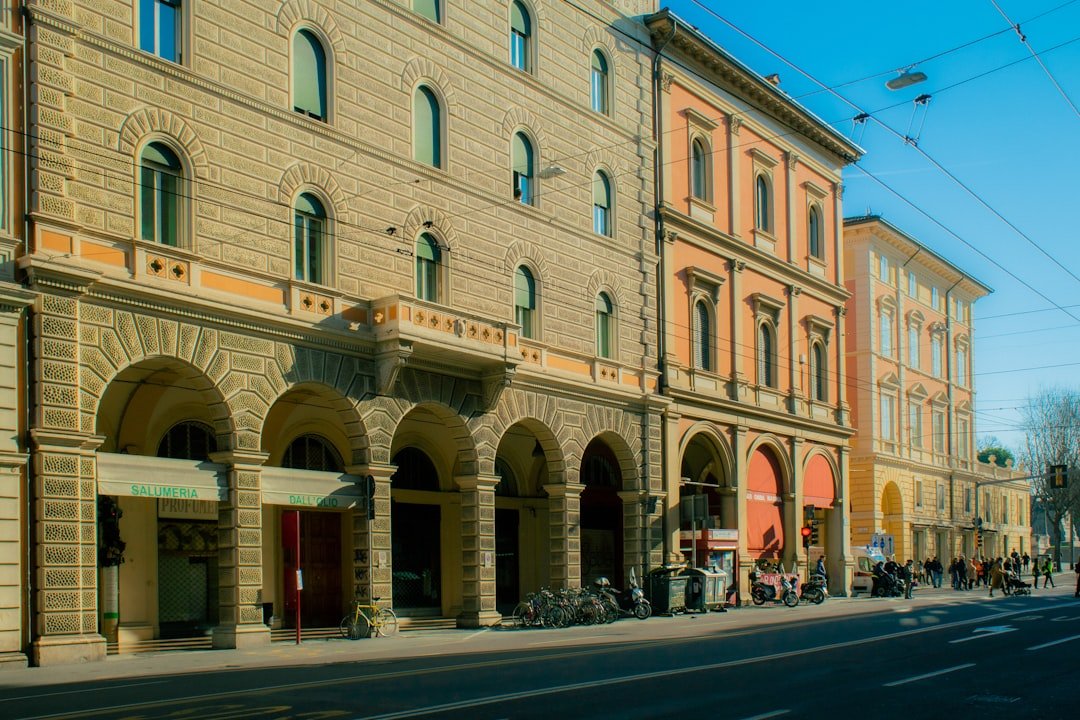
Bari works especially well for a three-day city break because many of its essential sights are concentrated around Bari Vecchia and the waterfront, while the third day gives you enough time to see Alberobello without rushing through the historic center. The old town, also called the San Nicola district, is a maze of narrow stone streets, churches, small squares, bakeries, homes, and local food traditions set on the peninsula between Bari’s two ports.
Instead of trying to see everything in the order it appears on a map, this Bari 3 day itinerary groups nearby attractions together. Day 1 focuses on Bari Vecchia and its major churches, Day 2 covers the castle, waterfront, and city beach, and Day 3 combines an early look at Bari’s fishing tradition with a day trip to Alberobello before returning for sunset and nightlife.
Quick Answer
Three days in Bari is enough to explore Bari Vecchia, visit the Basilica di San Nicola, Cathedral of San Sabino and Castello Svevo, enjoy the waterfront and Pane e Pomodoro beach, and take a day trip to Alberobello. Keep the fish-market experience for early morning and check current waterfront access before you go.
Key Takeaways
- Spend Day 1 mainly on foot in Bari Vecchia, visiting the Basilica di San Nicola, Cathedral of San Sabino, Piazza del Ferrarese, Piazza Mercantile, and the old-town food streets.
- Use Day 2 for the Castello Svevo, Bari waterfront, and Pane e Pomodoro beach, with time for an evening stroll along Lungomare Nazario Sauro.
- Visit Molo San Nicola early if you want to see Bari’s fishing culture; redevelopment work means access and activity can change during 2026.
- Allow most of Day 3 for Alberobello and its UNESCO-listed trulli rather than trying to squeeze the town into a short stop.
- Try orecchiette, focaccia barese, panzerotti, local seafood, and other Puglian specialties instead of relying on generic tourist-menu dishes.
- Check live transport schedules, museum opening hours, church services, weather, and waterfront works shortly before your visit.
Before You Start Your Bari 3 Day Itinerary
Bari Vecchia is compact enough to explore mostly on foot. Piazza del Ferrarese is a useful starting point because it connects the historic center with the Murat district and the seafront. The square is also beside the former fish-market building and leads naturally toward Piazza Mercantile and the lanes of the old town. The national tourism portal describes Bari Vecchia as the historic San Nicola district with a Byzantine-era street layout and buildings from several later periods. You can read the official overview on Italia.it.
Wear comfortable shoes because the historic center is best experienced on foot. Churches are active places of worship, so enter quietly, dress respectfully, and understand that services or religious events may temporarily limit sightseeing. For museums, day trips, and transport, check official schedules shortly before traveling rather than relying on an old itinerary.
Pro Tip: Do not plan Bari Vecchia as a strict attraction-by-attraction march. The Basilica, Cathedral, castle, Piazza Mercantile, Piazza del Ferrarese, and the orecchiette streets are close enough that you can explore them as one connected walking area.
Day 1: Explore Bari Vecchia
Begin in Piazza del Ferrarese, one of the main gateways to Bari Vecchia. Today it is a lively meeting point with cafes, restaurants, cultural spaces, and access to the old town. Rather than expecting fishermen to unload their catch in the square, look for Bari’s active fishing tradition around the old harbor and Molo San Nicola.
From Piazza del Ferrarese, continue through Piazza Mercantile and then allow yourself time to wander through the old town’s lanes. Bari Vecchia is not simply an outdoor museum. People still live here, local religious traditions remain important, and food preparation is part of the streetscape. Around Strada Arco Basso and nearby lanes, handmade orecchiette is one of the best-known local traditions.
The neighborhood contains historic churches, arches, homes, small businesses, bakeries, and shops selling food and crafts. Instead of rushing between landmarks, spend part of the morning noticing the transition between major monuments and ordinary residential streets. That contrast is one of the reasons Bari Vecchia feels different from a purpose-built tourist district.
Day 1: Visit the Basilica di San Nicola
Architecture and Exterior
The Basilica di San Nicola is one of Bari’s most important religious and architectural landmarks. Construction began in 1087 after the relics of Saint Nicholas arrived in Bari from Myra. The basilica’s official history explains that the church was built on the area of the former Byzantine governor’s residence rather than on an entirely empty site.
The exterior is a strong example of Romanesque architecture. Instead of a single dramatic bell tower, the main façade is framed by two massive towers and divided vertically into sections corresponding to the internal naves. The relatively restrained façade directs attention toward its portals, sculptural decoration, arches, windows, and rose window. For detailed history and architecture, use the official Basilica di San Nicola website.
Interior and Crypt
The interior is more sober than the original article suggests. Major restoration work in the 20th century removed much of the later Baroque decoration and restored a stronger Romanesque character. Look for the rows of columns, upper galleries, large supporting arches, ciborium, sculptural works, and the visual transition toward the presbytery.
The crypt is the most important devotional space for many visitors. It was completed early in the basilica’s construction, and the relics of Saint Nicholas were placed beneath its altar in 1089. Pilgrims from both Catholic and Orthodox traditions continue to visit the basilica, giving it a religious significance that goes well beyond its value as a historic monument.
Significance and Events
Saint Nicholas is deeply connected with Bari’s religious identity and maritime tradition. The major May celebrations traditionally take place around May 7–9 and include religious ceremonies and processions. The exact program changes each year, so travelers visiting in May should check the basilica’s current calendar before arranging sightseeing around the church or waterfront.
Note: The Basilica di San Nicola is an active church and pilgrimage destination, not simply a museum. Masses, feast days, pilgrimages, and special ceremonies can affect how much of the building you can quietly explore at a particular time.
Day 1: Visit the Cathedral of San Sabino
The Cathedral of San Sabino is close enough to the Basilica to visit during the same old-town walk. Its history is more complicated than saying it simply “dates from the 12th century.” A cathedral stood on the site earlier, the medieval building was partly destroyed in 1156, and major reconstruction began later in the 12th century.
The cathedral is another important example of Apulian Romanesque architecture. Its relatively restrained stone interior, columns, arches, crypt, religious artworks, and archaeological layers reveal different periods of Bari’s history. Archaeological exploration beneath the cathedral has also uncovered earlier remains.
The crypt is associated with relics of San Sabino, the bishop of Canosa to whom the cathedral is dedicated. The Archdiocese of Bari-Bitonto provides a detailed account of the site’s long religious and architectural history on its official cathedral history page.
Day 1: Try Bari’s Local Food and Visit a Mercato Coperto
Food is an essential part of visiting Bari, but it helps to distinguish between a working covered market and the food traditions found inside Bari Vecchia. Bari has more than one covered market. Mercato Coperto Santa Scolastica is a genuine municipal market where visitors may find produce, fish, meat, cheese, and other everyday ingredients, depending on the stalls operating that day.
If your priority is tasting Bari rather than grocery shopping, the historic center is often more convenient. Look for handmade orecchiette, focaccia barese, panzerotti, sgagliozze, and seafood dishes. Orecchiette is traditionally shaped by hand, but the best-known street-side pasta-making experience is associated with the lanes of Bari Vecchia rather than something you should assume every covered-market vendor demonstrates.
Focaccia barese is another practical snack during a walking day. Versions typically feature tomatoes, olives, olive oil, and a crisp-edged baked base. It is easy to eat without turning lunch into a long restaurant stop.
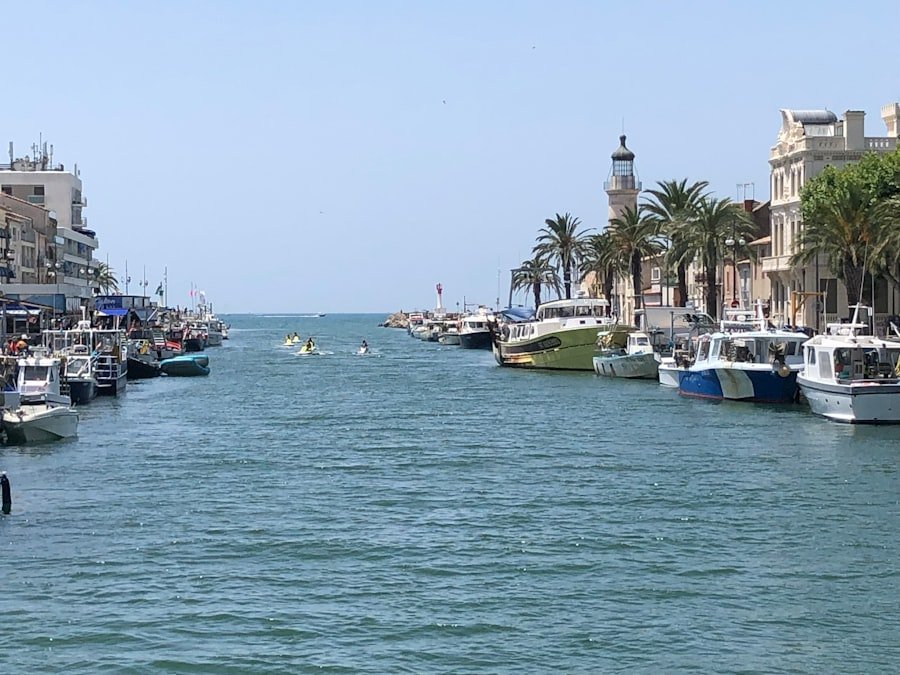
Take your time with Bari’s food rather than trying to sample everything at one market. A bakery stop, fresh pasta, a casual lunch, and an evening aperitivo will usually give you a broader introduction to the city’s food culture than a single rushed tasting session.
Day 2: Explore the Castello Svevo
Start Day 2 at the Castello Svevo, on the edge of Bari Vecchia. The castle’s official history dates its foundation to 1131 under Roger the Norman. After periods of siege, destruction, and reconstruction, Frederick II of Swabia substantially reshaped the fortress in the 13th century. In the 16th century, Isabella of Aragon and Bona Sforza helped transform parts of the complex into a Renaissance courtly residence.
Inside, focus on the architecture, archaeological evidence, museum displays, and the Gipsoteca rather than expecting a conventional weapons-and-armor museum. The Gipsoteca contains plaster casts made in 1911 from important Apulian monuments and cathedrals, while other areas host archaeological material and changing exhibitions.
Do not plan your visit around a promised panoramic walk along the castle roofs or ramparts. Visitor routes and accessible areas can change, and historic official visitor regulations have excluded exterior walkways and roofs from normal admission.
As of September 2026, the Ministry of Culture lists a full ticket at €10 and, from April 1 through September 30, opening from Tuesday to Sunday from 9:00 to 19:00, with last entry one hour before closing. Winter Sunday hours differ. Because museum hours and prices can change, confirm them on the official Castello Svevo page before your visit.
Day 2: Discover the Bari Waterfront
| Location | Best For | Planning Note |
|---|---|---|
| Bari Waterfront | Walking, cycling, sea views, sightseeing | Conditions vary by season and day; check the current weather and any construction detours. |
After the castle, spend time along Bari’s waterfront. Lungomare Nazario Sauro and the wider seafront are among the city’s easiest places for an unhurried walk, especially later in the day. Depending on the section, you will see fishing boats, open views across the Adriatic, residential neighborhoods, historic buildings, and people using the promenade for everyday exercise and socializing.
Cafes, gelaterias, restaurants, and other refreshment stops are available in the wider central waterfront area, but exact businesses change. Rather than searching for vaguely described “hidden beaches,” make Pane e Pomodoro your main city-beach stop if swimming or sitting by the water is part of your plan.
2026 Access Note: Bari has been carrying out a major redevelopment program along sections of the old-town waterfront, including areas around Santa Scolastica, Molo Sant’Antonio and Molo San Nicola. Paths, barriers and access points can therefore change. Follow local signs and check current municipal information shortly before visiting.
Day 2: Relax at Pane e Pomodoro Beach
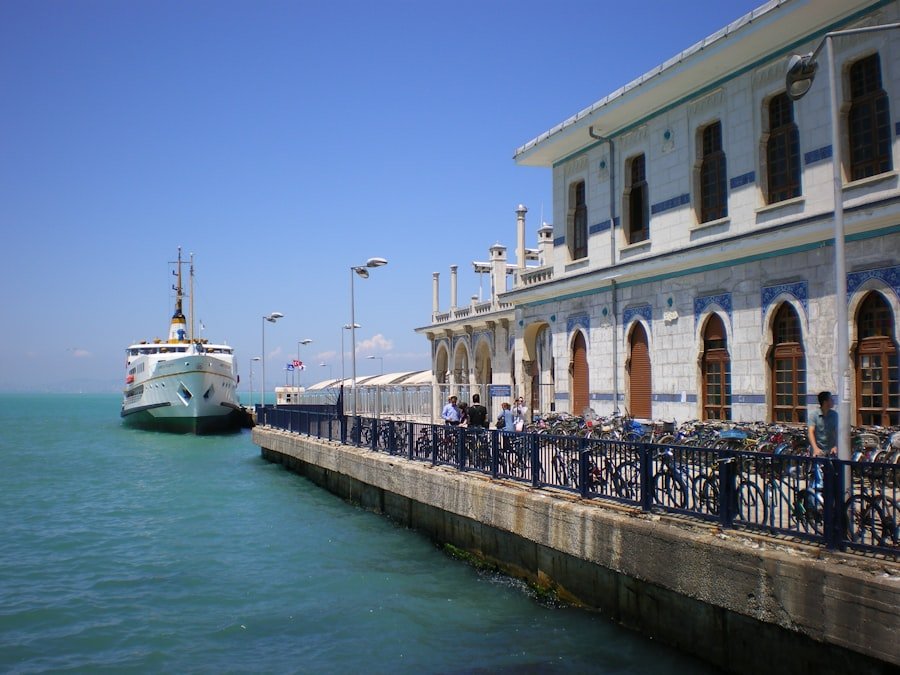
Relaxation and Leisure
Pane e Pomodoro is one of Bari’s best-known public city beaches and a convenient choice when you want a break from churches, museums, and old-town streets. On a warm day, you can sit on the beach, swim when conditions are suitable, or simply spend an hour by the sea before continuing your itinerary.
How much time you devote to the beach should depend on the season. During warm weather, an afternoon can make sense. In cooler months, treat it more as a waterfront walk and viewpoint rather than planning a long swimming session.
Amenities and Refreshments
Do not rely on a promise of permanent beach bars, restaurants, sunbed rental, or other specific facilities. Food concessions and beach services can change with the season and municipal arrangements. Bring water, sun protection when needed, and anything essential for your visit.
The City of Bari has continued investing in Pane e Pomodoro, including a 2026 project aimed at improving the usability of free beaches. That is positive for long-term access, but it also means facilities or routes may temporarily change during works.
Active Pursuits and Safety
Swimming is the simplest activity when the sea and weather are suitable. Paddleboarding or kayaking may be available through seasonal operators in Bari, but do not assume rental equipment will be waiting directly on the beach unless you have confirmed it beforehand.
Warning: Follow local swimming flags, lifeguard instructions, weather conditions, and any temporary beach restrictions. Do not enter rough water simply because the beach appears calm from the promenade.
Day 3: See Bari’s Fish-Market Tradition Early
If you want to experience Bari’s fishing culture around Molo San Nicola, do it early rather than after returning from Alberobello. The old harbor is associated with local fishermen and the sale of fresh seafood, including the tradition often known locally as “N’ dèrr’a la lanze.” The exact number of sellers and amount of activity varies with the day, weather, season, catch, and current redevelopment works.
This should be treated as a cultural and food stop, not as your main souvenir-shopping destination. Fresh octopus, fish, shellfish, or other seafood is obviously impractical for most travelers to carry home. For souvenirs, look instead for appropriate shops selling packaged taralli, pasta, ceramics, sealed local food products, or olive oil, while considering airline and customs rules for your destination.
The Molo San Nicola fish-selling area is part of Bari’s wider waterfront redevelopment program. In 2026, plans included upgrading the fish-sale structure with new units for preparation and retail. Because construction can affect how the area operates, confirm current access rather than assuming the market will look exactly as it did in older travel guides.
Day 3: Take a Day Trip to Alberobello
After your early Bari stop, continue to Alberobello, one of Puglia’s most distinctive towns and a UNESCO World Heritage Site. Its trulli are dry-stone limestone buildings with characteristic corbelled roofs, often conical, pyramidal, or domed in form.
The two best-known concentrations are Rione Monti and Aia Piccola. Rione Monti is the more heavily visited area and includes many shops and visitor-oriented businesses. Aia Piccola generally gives you a different impression because more of the district retains a residential character.
UNESCO identifies more than 1,500 trulli in Alberobello’s Rione Monti and Aia Piccola quarters, making the town the most concentrated and best-preserved urban expression of this traditional dry-stone building form.
Look closely at the roofs. UNESCO notes that trulli may carry religious or mythological markings in white and decorative pinnacles, features that form part of Alberobello’s distinctive appearance. Do not reduce the visit to photographing one street; allow enough time to walk both principal districts and observe how individual structures differ.
Public transport from Bari should not be described simply as “about an hour by train.” Trenitalia currently promotes Trulli Link, an integrated service connecting Bari with Alberobello and other Valle d’Itria destinations using rail and bus components. Exact departures, transfers, journey times and stopping points can change, so check the live Trenitalia itinerary for your date.
UNESCO’s official listing provides deeper information about the construction, history and protected districts of the town: The Trulli of Alberobello.
Pro Tip: Check your return journey before you leave Bari. Knowing which Alberobello departure gets you back in time for dinner or sunset is much easier than trying to solve the return trip after a full day of sightseeing.
Day 3: Take in the Sunset at Lungomare Nazario Sauro
If your return from Alberobello lines up with sunset, head toward Lungomare Nazario Sauro for a final waterfront walk. The exact sunset time changes considerably through the year, so check it for your travel date rather than building the day around a fixed hour.
On a clear evening, the promenade gives you an open view toward the Adriatic and plenty of space to slow down after the day trip. Locals use the seafront for walking, conversation, exercise, and evening outings, so the experience feels less like a single attraction and more like part of daily life in Bari.
If your Alberobello transport returns too late for sunset, move this waterfront walk to Day 2. The itinerary works better when you adapt the sunset stop than when you cut short your UNESCO-site visit simply to race back to Bari.
Day 3: Enjoy the Nightlife in Bari Vecchia
Finish your final evening back in Bari Vecchia. The historic center becomes lively after dark, particularly around Piazza Mercantile, Piazza del Ferrarese, and nearby streets with restaurants and bars. It is a good setting for aperitivo, dinner, or a final walk through streets you saw in daylight on Day 1.
Aperitivo usually means ordering a drink with small bites or snacks, although what is included varies by venue. If you want cocktails such as an Aperol Spritz or Negroni, wine, or non-alcoholic drinks, compare menus rather than assuming every bar follows the same formula.
Live music, events, and performances vary by date, so check current listings if nightlife is a major part of your trip. Otherwise, the simplest plan is often the best: have dinner, walk through Piazza Mercantile and Piazza del Ferrarese, and enjoy the atmosphere without trying to schedule another major attraction.
If you’re also interested in the site’s separate home-cooking content, you can read its article on delicious homemade cottage cheese. Cottage cheese is not one of Bari’s signature foods, however, so for this itinerary prioritize local specialties such as orecchiette, focaccia barese, panzerotti, and seafood.
Frequently Asked Questions
What is the best time to visit Bari?
Spring from April through June and early fall from September into October are good choices for visitors who want comfortable sightseeing weather without relying on peak-summer heat. July and August suit travelers who prioritize swimming and summer atmosphere, while winter can work well for churches, food, and city sightseeing with fewer beach expectations.
What are the must-see attractions in Bari?
For a first visit, prioritize Bari Vecchia, the Basilica di San Nicola, Cathedral of San Sabino, Castello Svevo, Piazza del Ferrarese, Piazza Mercantile, and the seafront. Add Pane e Pomodoro if the season and weather make a beach stop worthwhile.
Is three days enough for Bari?
Yes. Three days gives you enough time for the main historic sights, local food, the waterfront and a relaxed evening in Bari while still leaving one day for Alberobello. If you want several additional Puglian towns, add extra nights rather than crowding multiple day trips into the same three days.
What activities work best in a Bari 3 day itinerary?
Combine a Bari Vecchia walking day with the major churches and local food, a second day for the castle, waterfront and Pane e Pomodoro, and a third day for an early harbor stop plus Alberobello. Keep sunset and nightlife flexible so transport delays do not ruin the itinerary.
What local food should first-time visitors try in Bari?
Start with orecchiette, focaccia barese, panzerotti, sgagliozze, and seafood. Menus vary by restaurant and season, so use these as dishes to look for rather than a rigid checklist that must all be eaten in one day.
What is the easiest way to get around Bari?
Walking is the easiest option for Bari Vecchia and many central attractions. Local public transport, taxis, trains, and bikes can cover longer distances. For the airport or regional day trips, check the current transport operator’s timetable rather than relying on old route numbers or prices.
Can you visit Alberobello from Bari without a car?
Yes. Trenitalia markets Trulli Link for travel from Bari toward Alberobello and other Valle d’Itria destinations using integrated public transport. Journey patterns vary, so check live departures and your return connection before leaving Bari.
Sources
- Italia.it — Bari Vecchia — historic-center layout, major sights, and neighborhood context.
- Basilica Pontificia San Nicola — basilica history, architecture, relics, crypt, and religious events.
- Direzione regionale Musei nazionali Puglia — Castello Svevo di Bari — castle history, museum collections, and visitor information.
- Arcidiocesi Bari-Bitonto — Cathedral history — history and development of the Cathedral of San Sabino.
- UNESCO World Heritage Centre — The Trulli of Alberobello — UNESCO status, districts, architecture, and trulli numbers.
- Trenitalia — Trulli Link — current public-transport connection information for Alberobello and the Valle d’Itria.