Rome is an excellent base for exploring central and southern Italy without renting a car. Some of the best day trips from Rome by train take less than an hour, while others require a high-speed train, a local connection, or a very early start. Tivoli, Orvieto, Ostia Antica, Florence, Naples, Pompeii, Assisi, and Siena all offer something different, from Roman ruins and Renaissance art to medieval streets and regional food.
Quick Answer
The easiest day trips from Rome by train include Tivoli, Orvieto, Ostia Antica, Florence, and Naples. Pompeii is also possible with a transfer in the Naples area. Assisi requires extra transport from its station, while Siena is a much longer rail trip and is usually better with an overnight stay.
Key Takeaways
- Florence and Naples are surprisingly practical because high-speed trains connect them with Rome in roughly 1 to 1.5 hours.
- Tivoli, Orvieto, and Ostia Antica are good choices when you want less time in transit.
- Pompeii normally requires a high-speed train to Naples followed by a local rail connection.
- Assisi’s railway station is at Santa Maria degli Angeli, outside the hilltop historic center.
- Siena is beautiful but much less efficient as a Rome day trip because the rail journey is long.
How to Get Around: Navigating the Italian Train System
Efficient and Comfortable Travel
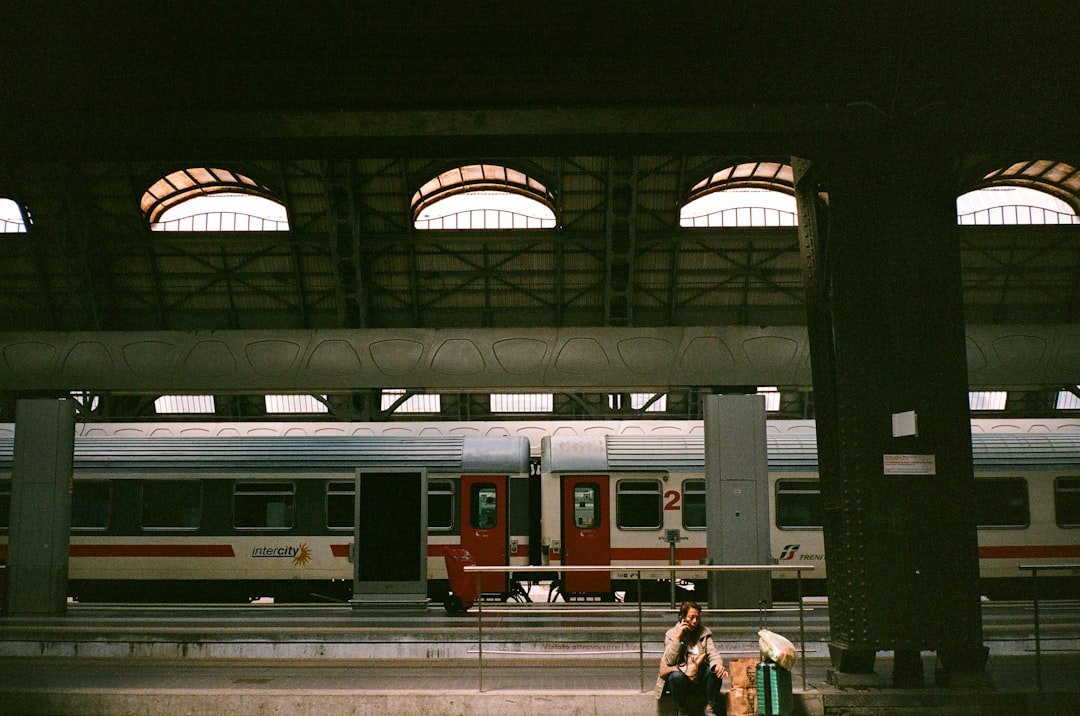
Italy has several types of rail service, and choosing the right one makes day-trip planning much easier. High-speed Frecciarossa and Italo trains are best for longer routes such as Rome to Florence or Naples. Regional trains serve smaller destinations such as Tivoli and Orvieto, while the Metromare suburban railway connects Rome with Ostia Antica.
For longer distances, high-speed rail can make a destination that looks far away surprisingly practical. Italo currently lists Rome to Florence in as little as about 1 hour 25 minutes and Rome to Naples in about 55 minutes on its fastest services. Exact schedules vary by date, so always check your travel day before building an itinerary.
Navigating Tickets and Reservations
You can purchase tickets online, through official apps, at station ticket offices, or from ticket machines. High-speed tickets are tied to a particular service and seat, and cheaper fares may sell out, so booking earlier can be useful when your travel date is fixed.
Regional tickets work differently. Trenitalia’s current Digital Regional Ticket activates automatically at the scheduled departure time. Traditional paper regional tickets generally need to be validated before boarding. Youth and senior discounts are available on some services, but eligibility, membership requirements, purchase deadlines, and availability vary by operator and fare.
Note: Do not assume every Italian train ticket follows the same rules. High-speed, digital regional, and paper regional tickets can have different validation, change, and refund conditions.
Choosing the Right Rome Train Day Trip
| Destination | Typical Rail Plan | Day-Trip Fit |
| Tivoli | Regional train | Easy |
| Orvieto | Regional or Intercity service | Easy |
| Ostia Antica | Metromare suburban railway | Easy |
| Florence | High-speed train | Easy with an early train |
| Naples | High-speed train | Easy |
| Pompeii | High-speed train plus local connection | Moderate |
| Assisi | Mainline train plus local bus or taxi | Moderate |
| Siena | Long rail itinerary | Ambitious; overnight is better |
Train travel also gives you a chance to see the changing Italian landscape, including Lazio’s hills, Umbrian countryside, and Tuscany’s farmland. Just remember that the fastest-looking destination on a map is not always the easiest day trip: transfers and the distance between a railway station and the main attraction matter just as much as the train time.
Tivoli: Discovering Villa d’Este and Hadrian’s Villa
Tivoli is one of the most rewarding short trips from Rome because it combines Renaissance gardens with ancient Roman archaeology. The town is home to two separate UNESCO World Heritage properties: Villa d’Este and Villa Adriana, or Hadrian’s Villa.
Villa d’Este was developed for Cardinal Ippolito II d’Este in the 16th century. Its terraced gardens, fountains, ornamental basins, grottoes, and water features made it an influential model for European garden design. The gardens are the main reason many visitors choose Tivoli as a relaxing alternative to another full day of museums in Rome.
Hadrian’s Villa is completely different. Built as an imperial retreat during the reign of Emperor Hadrian in the 2nd century AD, the enormous complex drew architectural ideas from Greece, Rome, and Egypt. Ruins include palaces, baths, gardens, pools, libraries, and the famous Maritime Theatre.
Regional trains serve Tivoli, but the two villas are not next to each other. Villa d’Este is in central Tivoli, while Hadrian’s Villa is farther away and normally requires additional local transport. If you want to visit both in one day, start early and check the local bus or taxi plan before leaving Rome.
Pro Tip: If you prefer a slower day, visit Villa d’Este and Tivoli’s historic center instead of rushing through both UNESCO sites. Hadrian’s Villa is large enough to deserve substantial time on its own.
Orvieto: Exploring the Underground City and Cathedral
| Orvieto Highlight | Verified Detail |
| Underground cavities | More than 1,200 grottoes, tunnels, wells, and reservoirs |
| Underground history | Developed through almost three millennia of human activity |
| Chapel of San Brizio | Fresco work begun by Fra Angelico in 1447 and completed by Luca Signorelli in 1499–1504 |
| Best combination | Cathedral, historic streets, viewpoints, and a guided underground visit |
Perched on a volcanic tuff plateau in Umbria, Orvieto combines one of Italy’s most dramatic cathedral façades with a hidden network of human-made cavities beneath the historic center.
The Duomo di Orvieto is the architectural centerpiece. Inside, the Chapel of San Brizio contains an important fresco cycle depicting the Last Days and Last Judgment. The official Opera del Duomo di Orvieto provides current visitor information.
Beneath the streets, the Orvieto Underground network contains more than 1,200 documented grottoes, tunnels, wells, and reservoirs. These spaces were carved and adapted across centuries for quarrying, water collection, storage, workshops, and other everyday uses.
Orvieto works especially well as a Rome day trip because the historic town is compact. From the lower railway area, continue uphill toward the old center, then combine the cathedral, underground tour, lunch, and a walk through the medieval streets.
Ostia Antica: Uncovering Ancient Rome’s Port City
Ostia Antica is one of the closest major archaeological day trips from central Rome. It developed near the mouth of the Tiber and became strategically and commercially important to ancient Rome. Literary tradition gives the settlement an earlier foundation, while the Archaeological Park of Ostia Antica dates the earliest archaeological remains to the second half of the 4th century BC.
The ruins preserve streets, apartment blocks, temples, baths, warehouses, shops, mosaics, a theater, and the forum. Because so much of the urban layout survives, Ostia is particularly useful for understanding what daily life looked like in a functioning Roman city.
From Rome, travelers generally use the Metromare suburban railway toward the coast and get off at Ostia Antica. Cotral periodically adjusts the service during infrastructure work, so check current Metromare notices before traveling, especially if you expect to return late in the evening.
Give yourself several hours inside the archaeological park. Comfortable shoes are useful because much of the visit involves walking on old stone streets and uneven surfaces.
Florence: Immerse Yourself in Renaissance Art and Architecture
Florence is farther from Rome than Tivoli or Orvieto, but high-speed rail makes it one of the most practical long-distance day trips. Italo currently lists Rome to Florence in as little as about 1 hour 25 minutes, depending on the service.
The city is closely associated with the Renaissance and contains major works by Botticelli, Leonardo da Vinci, Michelangelo, Raphael, and many other artists. The Uffizi Galleries hold one of the world’s great collections of Renaissance painting, while the Galleria dell’Accademia is home to Michelangelo’s David.
Florence Cathedral and Brunelleschi’s dome dominate the historic skyline. Nearby streets connect Piazza del Duomo with Piazza della Signoria, the Uffizi, the Arno, and Ponte Vecchio, making the center easy to explore on foot.
A Rome day trip is not enough to see every major Florence museum. Choose one priority museum, book a timed entry when appropriate, and leave room for the cathedral area and a walk through the historic center. Trying to visit the Uffizi, Accademia, Duomo complex, and every major church in one day usually creates more rushing than enjoyment.
Naples: Indulge in Pizza and Explore the Archaeological Museum
Naples is another destination made much easier by high-speed rail. Italo currently lists its fastest Rome–Naples service at about 55 minutes, making Naples practical even when you only have one day.
The city is internationally known for Neapolitan pizza, traditionally made with a soft, thin center and a raised, airy crust. Well-known establishments such as L’Antica Pizzeria Da Michele and Sorbillo are popular, but Naples has pizzerias throughout the historic center, so you do not need to spend a large part of your day waiting in one famous queue.
Naples also offers an important connection to the archaeology of Pompeii and Herculaneum. The National Archaeological Museum of Naples contains major ancient collections, including frescoes, mosaics, sculptures, and objects recovered from Vesuvian sites.
If you are visiting Naples itself rather than continuing to Pompeii, a balanced day might include the historic center, a pizza lunch, one major museum, and time to experience the city’s streets and cafés. Naples rewards wandering as much as checklist sightseeing.
Pompeii: Step Back in Time Among the Ancient Ruins
Pompeii is one of the most significant archaeological sites in the world. The eruption of Mount Vesuvius in AD 79 buried large parts of the city, preserving streets, houses, shops, public buildings, frescoes, and everyday objects that reveal remarkable details about Roman urban life.
The Forum formed the civic heart of the city, while the amphitheater, bath complexes, temples, houses, and commercial buildings show how residents worked, worshipped, entertained themselves, and socialized. The site is large, so a meaningful visit normally requires several hours.
A Rome-to-Pompeii day trip requires more planning than Rome to Naples. The usual strategy is to take a high-speed train to Naples and then continue on a local rail service. The official Pompeii Archaeological Park lists Circumvesuviana services to Pompei Villa dei Misteri or Pompei Santuario, the FS Napoli–Salerno line to Pompei, and the Pompei Link train-and-bus connection.
As of 2026, Pompeii uses personal tickets and applies a daily visitor limit of 20,000. Check the official ticket and opening-hours page before your visit because admission rules, opening times, and available buildings can change.
Note: If Pompeii is your main goal, avoid trying to combine a full Naples sightseeing day with a full archaeological visit. The transfer plus the size of Pompeii can easily fill most of the day.
Assisi: Visit the Basilica of St. Francis and the Umbrian Hills
Assisi is renowned as the birthplace of St. Francis and remains one of Italy’s most important pilgrimage destinations. Its medieval hilltop streets, stone buildings, churches, and views across the Umbrian countryside create a quieter atmosphere than Florence or Naples.
The Basilica of San Francesco d’Assisi is part of the UNESCO World Heritage property covering Assisi and its Franciscan sites. The basilica contains important medieval paintings associated with artists including Giotto, Cimabue, Pietro Lorenzetti, and Simone Martini.
Train travelers need to understand one important detail: Assisi’s railway station is at Santa Maria degli Angeli rather than inside the hilltop historic center. The official Visit Assisi site identifies the station at Santa Maria degli Angeli, so plan an onward bus or taxi for the final part of the trip.
Once in the historic center, explore the basilica, medieval lanes, viewpoints, and smaller religious sites at a relaxed pace. Because the rail and local-transfer time is greater than for Orvieto, an early departure from Rome makes the day much easier.
Siena: Soak in Medieval Charm and Witness the Palio
Siena’s historic center is one of Tuscany’s great medieval cityscapes. Narrow streets lead into the shell-shaped Piazza del Campo, where the Palazzo Pubblico and Torre del Mangia form the architectural focus of the city.
Siena’s most famous tradition is the Palio di Siena. The race takes place in Piazza del Campo on July 2 and August 16, with horses representing the city’s contrade competing around the square. The event is not simply a tourist performance; it is deeply connected with neighborhood identity and civic tradition.
The main drawback is transportation time. Current Italo route information lists Rome to Siena at roughly 3 hours 45 minutes, depending on the itinerary. That makes a same-day return possible in theory but inefficient for most travelers.
If Siena is high on your list, staying overnight usually gives you a much better experience. If you do attempt it as a Rome day trip, leave very early and keep your sightseeing plan simple. Around Palio dates, expect exceptional crowds and transportation pressure.
Planning Your Next Day Trip from Rome
The best destination depends on how much of your day you want to spend traveling. Tivoli, Orvieto, and Ostia Antica are strong choices when you want a relatively easy outing. Florence and Naples work well when you are comfortable paying for high-speed rail and choosing a focused sightseeing plan.
Pompeii is achievable but requires a transfer and several hours of walking once you arrive. Assisi adds a local connection between the station and historic center. Siena offers wonderful medieval architecture but requires so much rail time that an overnight stay is usually the better choice.
Food can also become part of the experience. Naples is the obvious choice for pizza, while Florence, Orvieto, Assisi, Tivoli, and Siena each offer regional dishes that make lunch more than a simple break between attractions. Rather than trying to fit several cities into one day, choose one destination and give yourself enough time to experience its streets, history, food, and local atmosphere.
For every trip, check the operator’s timetable shortly before departure. Railway engineering work, strikes, seasonal schedules, and attraction opening hours can alter an otherwise straightforward plan.
Sources
- Trenitalia — Digital Regional Ticket — current rules for digital regional rail tickets.
- Italo — Destinations and Timetables — current high-speed journey information for routes from Rome.
- UNESCO — Villa Adriana, Tivoli — history and World Heritage significance of Hadrian’s Villa.
- Orvieto Underground — documented history and scale of Orvieto’s underground network.
- Archaeological Park of Ostia Antica — official archaeological history of Ostia.
- Archaeological Park of Pompeii — official transportation, tickets, opening hours, and visitor information.
Frequently Asked Questions
What are some popular day trip destinations from Rome by train?
Popular choices include Tivoli, Orvieto, Ostia Antica, Florence, Naples, Pompeii, and Assisi. Siena can also be reached, but its much longer rail journey makes it less suitable for a relaxed same-day trip.
How long does it take to reach Florence from Rome by train?
The fastest high-speed services can make the Rome–Florence trip in roughly 1 hour 25 minutes. Journey time varies by train and date, so check the operator’s schedule before booking.
What is the travel time from Rome to Naples by train?
The fastest high-speed trains can cover Rome to Naples in about 55 minutes. Other services may take longer, so compare departure times rather than assuming every train has the same journey time.
Can I visit Pompeii on a day trip from Rome by train?
Yes. A common route is a high-speed train from Rome to Naples followed by a local train toward Pompeii. Allow time for the transfer and several hours inside the archaeological park, and start early if you want a comfortable return to Rome.
Are there scenic day trip options from Rome by train?
Yes. Orvieto offers dramatic Umbrian hill views, while Tivoli combines gardens, fountains, and surrounding hills. Assisi is another scenic choice if you do not mind the extra transfer from its railway station. The Amalfi Coast is much more complicated because the coast itself is not directly served by rail.
How far in advance should I book train tickets for day trips from Rome?
For high-speed trains, booking ahead can help you find lower fares and your preferred departure. Regional trains usually work differently and may not offer the same advantage for early purchase. Always check the conditions attached to your specific ticket before paying.