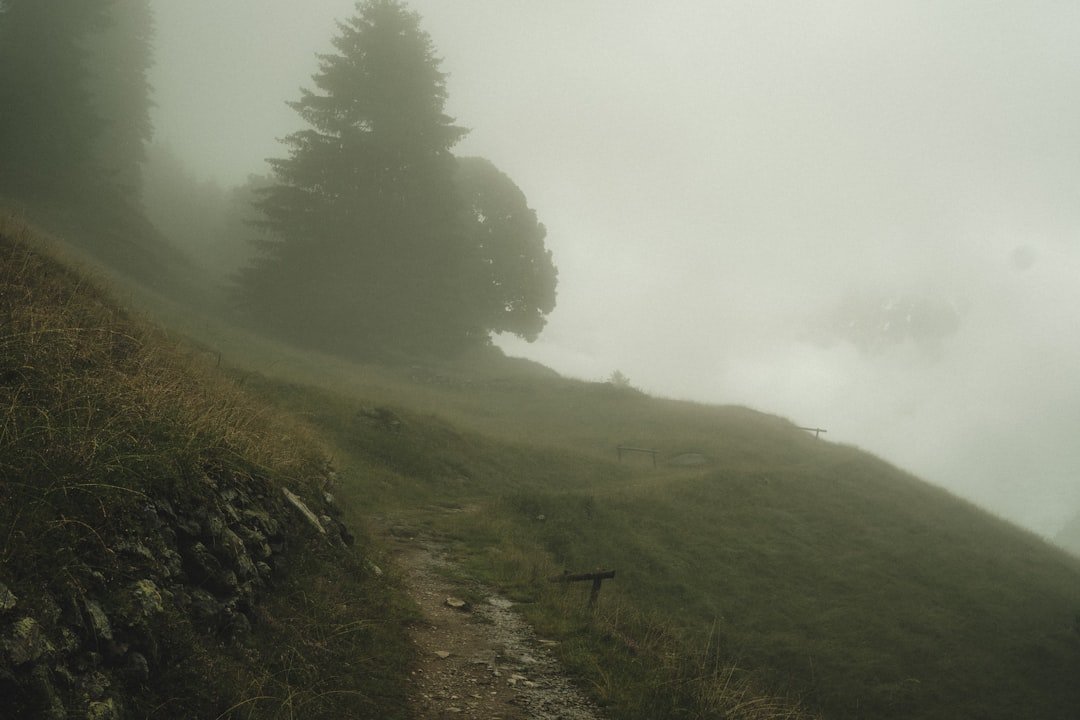
The Path of the Gods, or Sentiero degli Dei, is one of the best-known hikes on Italy’s Amalfi Coast. The classic route begins in Bomerano, a village of Agerola, and follows an old mountain path toward Nocelle above Positano. Along the way, you pass terraced farmland, limestone cliffs, rural buildings and wide views over the Tyrrhenian Sea. The scenery is spectacular, but this is still a real hiking trail with uneven ground and exposed sections, so good footwear, sensible weather planning and a clear exit plan matter.
Quick Answer
For most visitors, the easiest way to hike the Path of the Gods is from Bomerano to Nocelle. Allow roughly 2.5–4 hours for the main trail, wear shoes with strong grip, carry water, start early, and avoid wet or stormy conditions. Continuing from Nocelle to Positano adds a long stair descent.
Key Takeaways
- The classic hike runs from Bomerano in Agerola toward Nocelle above Positano.
- Published distance figures vary because some measurements include village approaches or the continuation toward Positano; plan by your chosen start and finish rather than one universal number.
- The trail has uneven stone, dirt paths and exposed sections, so it is not suitable for everyone who considers themselves a beginner.
- From Nocelle, you can continue toward Positano on a long staircase of roughly 1,700 steps or use local transport instead.
- Check the weather, official trail notices and current transport schedules before leaving.
At a Glance
| Time Required | About 2.5–4 hours to Nocelle for many hikers; allow longer if continuing to Positano |
| Difficulty | Moderate for a fit, sure-footed hiker; uneven and exposed in places |
| Tools Needed | Grippy hiking shoes, water, sun protection, phone/offline map, snacks and a small first-aid kit |
| Cost | No trail admission fee; transport, food and optional guide costs are extra |
Note: You may see the Path of the Gods listed as roughly 5 km, 7 km or nearly 8 km. The difference usually comes from where the measurement starts and ends. The classic CAI trail links Bomerano and Nocelle; distances increase when village approach roads or the onward route to Positano are included.
Path of the Gods Route: Bomerano to Nocelle
The most practical direction for first-time visitors is generally Bomerano to Nocelle. You begin higher in Agerola and travel toward the Amalfi Coast views rather than climbing up from Positano. The Comune di Agerola’s official Path of the Gods guide describes the route from Piazza Paolo Capasso through Grotta del Biscotto and Colle La Serra before continuing toward Nocelle.
Start at Piazza Paolo Capasso in Bomerano
The usual starting point is Piazza Paolo Capasso in Bomerano. From the square, the route descends along Via Pennino. After roughly 300 meters, the official description directs walkers to turn right near steps, cross a wooden bridge and continue toward the mule track leading to Grotta del Biscotto.
This opening section is useful for settling into your pace. Do not rush because the surfaces soon become more uneven than the streets around the village.
Grotta del Biscotto and Colle La Serra
After Grotta del Biscotto, the route continues over dirt and rocky ground with modest rises and descents toward Colle La Serra, at about 580 meters elevation. The landscape here shows the limestone geology, terraces and old rural structures that are characteristic of this side of the Monti Lattari.
High and Low Variants
Near Colle La Serra, the route divides into two variants that later rejoin near Cannati. According to the Comune di Agerola, the higher option begins with rougher ground, while the lower option starts downhill and contains exposed sections. Follow the red-and-white trail signs and do not choose a route simply because it appears shorter.
Warning: Parts of the Path of the Gods are exposed above steep slopes. If you have severe vertigo, poor balance or difficulty walking on uneven ground, this may not be the right trail for you. Never leave the marked path to reach a photo viewpoint.
Continue to Nocelle
After the variants reconnect, the path continues toward Nocelle with a mixture of modest climbs, descents and exposed mountainside terrain. Nocelle is the natural endpoint of the classic hike and gives you several choices for what to do next.
From Nocelle to Positano
If you still have energy, you can continue toward Positano. The Comune di Agerola describes a staircase of roughly 1,700 steps descending from Nocelle toward Arienzo. From there, the route continues along the road toward Positano. Another option passes through Montepertuso before descending farther.
The staircase may be downhill, but that does not make it effortless. A long descent can be hard on knees and tired legs, especially after several hours on rocky terrain. Local buses can provide an easier alternative between the hillside villages and Positano, depending on the current timetable.
Pro Tip: Decide before you start whether your hike ends in Nocelle or Positano. That decision affects your total walking time, transport plan and how much energy you should save for the final descent.
Best Time to Hike the Path of the Gods
Mild, dry weather gives you the best balance of comfort, visibility and safer footing. Spring and autumn are often easier than the hottest part of summer, while summer hikers should start early to reduce heat exposure and crowding.
Check the forecast shortly before leaving. Rain can make stone surfaces slippery, while thunderstorms, strong winds and low visibility are poor conditions for a trail with exposed sections. Do not treat an old travel guide’s statement that the trail is “open year-round” as a guarantee that every section is currently accessible.
The Comune di Agerola has previously announced temporary closures during safety and restoration work. Before hiking, check the municipality’s current notices as well as local weather information.
Essential Gear and Clothing for the Hike
Footwear and Socks
You do not necessarily need heavy mountaineering boots, but you do need footwear that grips well on stone, dirt and uneven surfaces. Good hiking shoes, trail shoes or supportive hiking boots can all work if they fit properly and have a reliable sole. Boots with ankle support may be more comfortable if you prefer extra stability.
Wear moisture-managing socks and make sure your footwear is already broken in. A famous hike is a bad place to discover that your new shoes cause blisters.
Clothing and Layering
Dress for the day’s actual forecast rather than the season name alone. Lightweight, breathable clothing works well in warm conditions. In cooler or windy weather, add a light insulating layer. Carry a rain shell when precipitation is possible.
Layering makes it easier to adjust as you move between sunny open slopes and more sheltered sections.
Protective Gear and Accessories
Bring a hat, sunglasses and sunscreen on bright days because large parts of the route are exposed to direct sun. Carry enough drinking water for the entire hike and do not assume that every fountain, café or refreshment point will be operating when you arrive.
A small backpack should also contain snacks, a charged phone, an offline map or downloaded trail information, basic first-aid supplies and any personal medication you need. A compact headlamp is useful emergency equipment, but your plan should be to finish the exposed trail while there is still plenty of daylight.
Preparing for the Physical Demands of the Hike
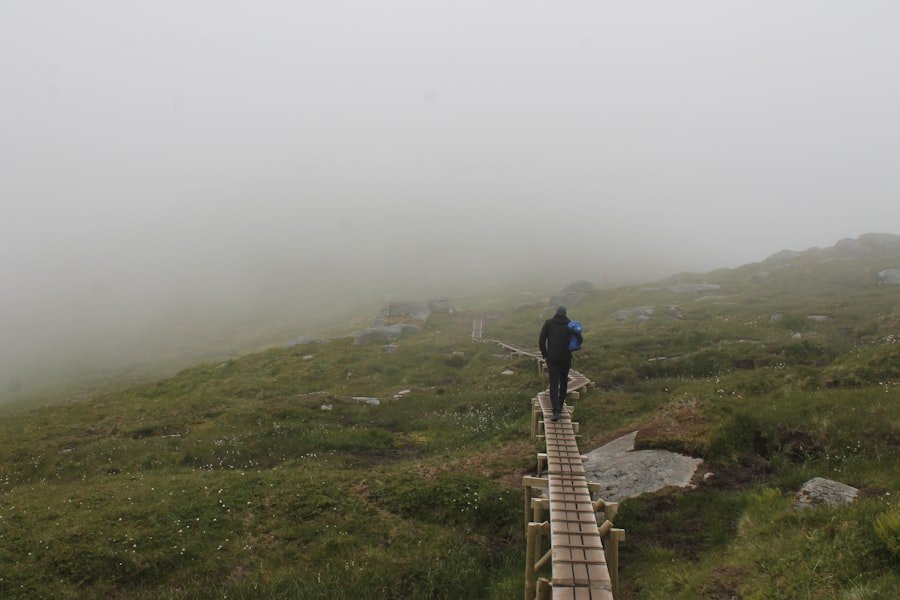
The Path of the Gods is commonly described as a moderate hike, but that label can hide what actually makes it tiring: irregular stone, repeated small climbs and descents, exposed sections and, if you continue beyond Nocelle, a very long staircase.
In the weeks before your trip, regular walking, cycling, swimming or other cardiovascular activity can improve stamina. Strength exercises for your legs and core can also help with balance and control on uneven terrain.
If possible, practice on local trails with hills, stone steps or rough surfaces. Walking on a treadmill or flat pavement builds fitness, but it does not fully prepare your ankles, knees and balance for a mountain path.
You do not need to train with an unnecessarily heavy backpack. Instead, practice carrying roughly the amount of water, food and gear you expect to use on the day.
Navigating the Trail and Staying Safe
| Trail Section | What to Expect | Safety Tip |
| Bomerano to Grotta del Biscotto | Village lanes, steps and transition to mule-track terrain | Watch for trail signs as you leave the village |
| Colle La Serra variants | Uneven ground; lower variant includes exposed sections | Stay on the signed route and avoid poor weather |
| Approach to Nocelle | Rocky paths and modest ups and downs | Slow down when tired; fatigue increases the chance of a misstep |
| Nocelle to Arienzo / Positano | Optional descent of roughly 1,700 steps plus road walking | Use local transport instead if your knees or legs are already fatigued |
The route is marked, but you should still pay attention at junctions. Download a map before leaving in case mobile coverage becomes unreliable or you need to confirm your position.
Start early enough to give yourself a generous daylight margin. During warm weather, an early start also reduces sun exposure. Drink regularly, eat before you become exhausted and take breaks in safe areas away from narrow passages.
If you are hiking with other people, agree on what to do if someone falls behind. Do not separate without a communication plan.
Check Current Trail Conditions Before Leaving
Trail conditions are not permanent. Maintenance, rockfall, severe weather or local safety work can affect access. The Comune di Agerola has previously issued temporary closure notices while sections were being improved, so check current municipal information shortly before your hike rather than relying only on an older blog post.
Can You Hike the Path of the Gods Alone?
Many experienced walkers hike the signed route independently. A guide is not automatically required, but a local hiking guide can be useful if you are nervous about navigation, want geological or historical context, have limited mountain experience or would simply prefer someone else to manage the route decisions.
Tips for Capturing the Best Photos Along the Trail
The Path of the Gods has excellent viewpoints over Positano, the Sorrentine Peninsula, Li Galli and, in clear conditions, Capri. A phone camera is enough for most travelers, while a lightweight camera with a wide-angle lens can capture more of the coastal landscape.
Early morning often gives softer light while also helping you avoid the strongest heat. Late-day light can be beautiful, but do not delay your hike so long that you are navigating exposed sections after sunset.
Most importantly, take photographs from the marked trail or established stopping areas. Do not step toward cliff edges, scramble onto unstable rocks or leave the route to create a more dramatic composition.
Try a mix of wide landscape photographs and tighter details such as stone walls, terraces, vegetation and trail markers. Those smaller elements often tell more of the story than another wide sea view.
Enjoying the Local Cuisine and Culture
Savoring the Flavors of the Amalfi Coast
After several hours of walking, the Amalfi Coast’s food is part of the reward. Seafood, pasta, local vegetables, cheeses and citrus appear throughout the region. Popular dishes include spaghetti alle vongole, while lemon-based desserts such as delizia al limone reflect the area’s long association with citrus cultivation.
Eat enough after the hike to replace energy, and continue drinking water even after you reach your destination, especially on a warm day.
Discovering Local Markets and Traditions
If your itinerary allows extra time, local food shops and markets can give you a better sense of regional products such as cheeses, cured meats, bread, vegetables and lemons. Small villages around the trail also preserve the terraced agriculture and rural architecture that form part of the landscape you see while hiking.
Hands-on Culinary Experiences
Cooking classes are available in communities around the Amalfi Coast and can be an enjoyable non-hiking activity on another day. Choose one close to where you are staying rather than trying to squeeze a fixed reservation immediately after your hike; walking and bus times can vary.
Recommended Accommodations and Transportation Options
Where you stay should depend partly on how you plan to reach the trail. Bomerano is convenient if you want an early start and minimal travel before hiking. Positano is convenient if you want to finish the day near the coast, while Amalfi works well as a transport hub for reaching Agerola and other coastal towns.
Getting to Bomerano
SITA Sud operates the Amalfi–Agerola–Gragnano–Castellammare–Napoli Line 5080, which serves Agerola. Check the current timetable before your hike because schedules change seasonally.
Leaving Positano or the Coast
The SITA Sud Line 5070 connects Amalfi, Positano and Sorrento. Local Mobility services also operate around Positano and nearby hillside communities, including routes useful to hikers finishing around Nocelle.
Bus schedules can change because of season, traffic, road works or temporary road closures. Check the latest operator notices on the day of travel and avoid planning a tight connection immediately after your hike.
Note: The Path of the Gods is a one-way hike for many visitors. Driving to the trailhead can create a problem because your car remains in Bomerano while you finish near Nocelle or Positano. Public transport, a taxi or a prearranged transfer is often more practical.
Making the Most of Your Path of the Gods Hike Experience
The best way to enjoy the Path of the Gods is to leave enough time that the day does not become a race. Pause at safe viewpoints, notice the dry-stone terraces and rural buildings, and pay attention to how the scenery changes as you approach Nocelle.
The path has long served communities in this mountainous landscape, and its modern name is surrounded by local legend. Enjoy those stories as part of the area’s culture, but remember that what makes the trail memorable is not mythology alone: it is the combination of old routes, farming terraces, limestone mountains and dramatic coastal geography.
Be courteous to residents and other hikers. Keep noise low in villages, carry your rubbish out, give people room on narrow sections and avoid blocking the path for photographs.
After the hike, take time to rest, rehydrate and eat a proper meal or snack before continuing with a packed sightseeing schedule. The combination of uneven terrain, sun and the optional staircase to Positano can leave you more tired than the trail’s moderate label suggests.
Sources
- Comune di Agerola — Il Sentiero degli Dei — official route, Colle La Serra variants, Nocelle, Montepertuso and the approximately 1,700-step Arienzo descent.
- Comune di Agerola — Lavori in corso sul Sentiero degli Dei — trail safety work and temporary-closure precedent.
- Club Alpino Italiano — Sentiero degli Dei route notes — CAI 327, terrain and exposed-route information.
- SITA Sud — Line 5080 — official Amalfi and Agerola bus information.
- SITA Sud — Line 5070 — official Amalfi, Positano and Sorrento bus information.
Frequently Asked Questions
What is the Path of the Gods hike?
The Path of the Gods, or Sentiero degli Dei, is a mountain hiking route on the Amalfi Coast. The classic trail connects Bomerano in Agerola with Nocelle, a hillside village above Positano, and offers wide coastal views along the way.
Is the Path of the Gods suitable for beginners?
A reasonably fit, sure-footed beginner can often complete the Bomerano-to-Nocelle route, but it is not suitable for every beginner. The trail has uneven ground and exposed sections, so people with serious vertigo, balance problems or limited mobility should consider a different walk or seek local guidance.
Which direction is best for hiking the Path of the Gods?
Bomerano to Nocelle is the most practical direction for many first-time hikers. It begins at a higher elevation, keeps much of the coastal scenery ahead of you and avoids starting with the long climb from the Positano side.
How long does the Path of the Gods hike take?
Many hikers need roughly 2.5–4 hours to reach Nocelle from Bomerano, depending on pace, route variant and stops. Continuing down the approximately 1,700 steps toward Arienzo and then on to Positano adds extra time.
How long is the Path of the Gods?
There is no single distance quoted by every source because measurements use different endpoints. The classic CAI route is Bomerano to Nocelle, while figures around 7–8 km often include additional approach or connection sections. Confirm what your chosen map includes before comparing distances.
What should I bring for the Path of the Gods hike?
Bring hiking shoes with good grip, adequate drinking water, snacks, sunscreen, a hat, sunglasses, a charged phone, an offline map and a small first-aid kit. Add a rain shell or warmer layer when the forecast requires it.
Do I have to walk the 1,700 steps to Positano?
No. The classic Path of the Gods can end in Nocelle. If you do not want the long staircase toward Arienzo and Positano, check the current local bus options from the Nocelle area instead.
Should I hike the Path of the Gods in rain?
Wet weather can make stone and dirt surfaces slippery, and poor visibility or strong wind increases the risk on exposed sections. If significant rain, thunderstorms or severe weather are forecast, choose another day.