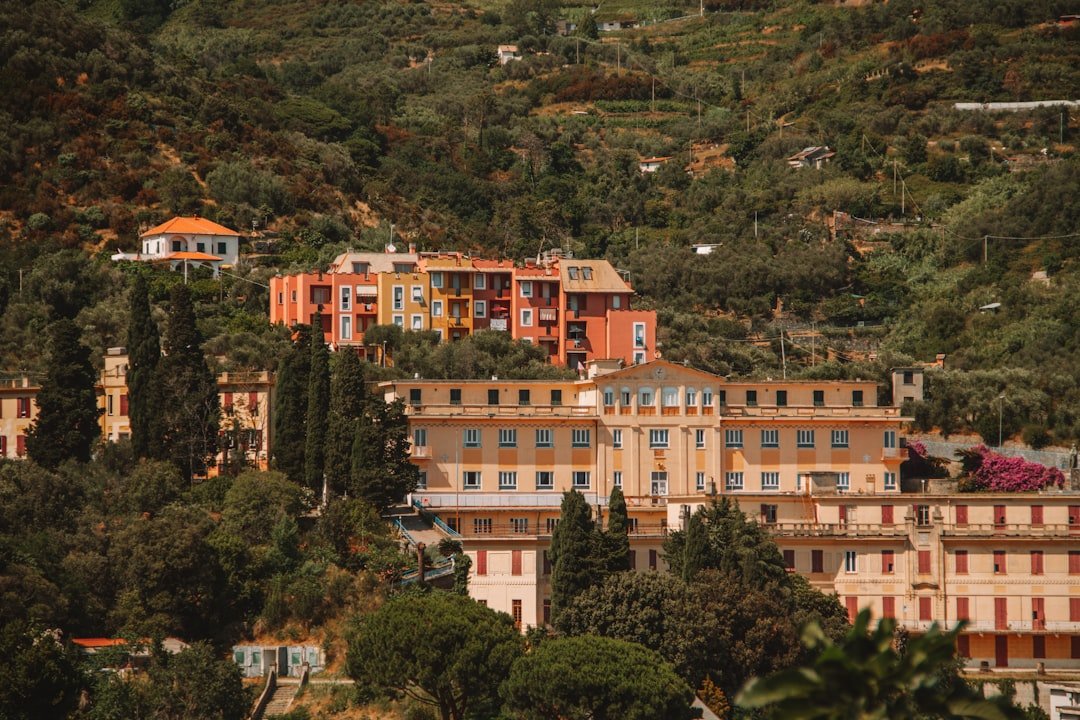
Genoa, the capital of Liguria in northwestern Italy, packs centuries of maritime history, grand palaces, narrow medieval lanes, museums, local food, hilltop viewpoints, and the Ligurian Sea into a compact city. With two well-planned days, you can explore the historic center and Porto Antico on the first day, then focus on art, panoramic views, and the seafront on the second.
Quick Answer
Two days in Genoa is enough for a rewarding first visit. Spend Day 1 exploring Piazza De Ferrari, the caruggi, Via Garibaldi, Porto Antico, and the Aquarium. On Day 2, visit the Strada Nuova Museums, ride the Castelletto lift for city views, then finish at Boccadasse or choose Nervi for a longer seaside escape.
Key Takeaways
- Explore Genoa’s historic center on foot, including Piazza De Ferrari, San Lorenzo Cathedral, the caruggi, and Via Garibaldi.
- Allow a substantial part of Day 1 for Porto Antico and the Aquarium of Genoa rather than rushing through them.
- Try pesto, focaccia, pansoti, farinata, trofie, and Ligurian seafood during your stay.
- Use the public lift from Piazza Portello for Spianata Castelletto; it is not a funicular.
- For your second afternoon, choose Corso Italia and Boccadasse for an easy city-seafront combination, or Nervi for a longer coastal outing.
One of Genoa’s defining features is its historic center, a dense network of narrow lanes known locally as caruggi. The city’s UNESCO World Heritage property is more specific than the entire old town: Genoa: Le Strade Nuove and the system of the Palazzi dei Rolli recognizes the remarkable Renaissance and Baroque streets and aristocratic residences created when the Republic of Genoa was at the height of its financial and maritime power.
This itinerary is designed for first-time visitors who want a mix of history, food, museums, viewpoints, and the sea without trying to squeeze a full Ligurian Riviera trip into 48 hours.
Day 1: Historic Center, Porto Antico, and Genoese Food
Morning: Explore Piazza De Ferrari and the Medieval Center
Begin your first day around Piazza De Ferrari, the central square framed by landmarks such as Teatro Carlo Felice and Palazzo Ducale. From here, you can quickly enter the maze of lanes that makes central Genoa so distinctive.
The historic center covers a large area, but many of its best-known sights are close enough to combine on foot. Walk slowly rather than treating the caruggi as simple passages between attractions. Small squares, churches, old storefronts, arches, and changing architectural styles are a major part of the experience.
Visit the Cathedral of San Lorenzo and Palazzo Ducale
Continue to the Cathedral of San Lorenzo, whose striped stone façade is one of the city’s most recognizable sights. The church developed over several centuries and sits directly on one of the natural walking routes between Piazza De Ferrari and Porto Antico.
Nearby, Palazzo Ducale was historically associated with the government of the Genoese Republic and is now an important cultural center. It hosts changing exhibitions, festivals, talks, and events, so check the official Palazzo Ducale program if you want to include a current exhibition.
Late Morning: Walk Via Garibaldi and See the Palazzi dei Rolli
From the old-town lanes, make your way to Via Garibaldi, one of the most impressive streets within the UNESCO-listed Strade Nuove and Palazzi dei Rolli system. Its grand residences were built for Genoa’s wealthy aristocratic families and display the city’s Renaissance and Baroque prosperity.
You do not need to tour every palace on Day 1. Walking the street, viewing the courtyards and façades, and noting the contrast between the formal Strade Nuove and the tighter medieval streets already gives useful context for the museum visit planned for Day 2.
Pro Tip: Genoa rewards short detours. Leave some unscheduled walking time between Piazza De Ferrari, Via Garibaldi, San Lorenzo, and Porto Antico instead of following the fastest possible route.
Lunch: Enjoy Genoese Cuisine
No visit to Genoa would be complete without exploring its food traditions. Genoese cooking relies heavily on olive oil, vegetables, herbs, pasta, bread, nuts, and ingredients from both the coast and Ligurian hills.
| Dish | What It Is | When to Try It |
| Pesto alla Genovese | A basil-based sauce traditionally made with basil, pine nuts, garlic, olive oil, cheese, and salt. | Lunch or dinner, often with trofie or trenette. |
| Focaccia Genovese | Soft, olive-oil-rich flatbread made with flour, water, yeast, oil, and salt. | Breakfast, a quick lunch, or an afternoon snack. |
| Trofie al Pesto | Twisted Ligurian pasta served with pesto; versions may include potatoes and green beans. | A classic sit-down lunch or dinner. |
| Farinata | A thin savory specialty made from chickpea flour, water, olive oil, and salt. | Snack, light meal, or part of a casual tasting. |
Pesto and focaccia are the best-known specialties, but do not stop there. Look for pansoti with walnut sauce, farinata, Genoese minestrone, vegetable pies, stuffed vegetables, and seafood dishes. The city’s official tourism site maintains a useful overview of traditional Genoese dishes and products.
If you drink wine, Ligurian wines such as Vermentino and Rossese can pair well with local dishes. Rather than building a separate vineyard excursion into a short city break, try them at an enoteca or restaurant in Genoa.
Afternoon: Visit Porto Antico and the Aquarium
After lunch, head down to Porto Antico, Genoa’s redeveloped old-port waterfront. The district combines public spaces, restaurants, harbor views, family attractions, museums, and architecture associated with the city’s modern waterfront transformation.
The main attraction is the Aquarium of Genoa, whose official site describes it as the largest aquarium in Europe. Exhibits include marine environments and species such as dolphins, sharks, tropical fish, and many other animals. Plan roughly two to three hours for a relaxed visit rather than treating it as a quick stop.
After the Aquarium, walk around the waterfront and enjoy views across the harbor. The Bigo panoramic lift, designed as part of the Porto Antico complex, is an optional short activity that gives you an elevated view of the port and surrounding city.
Optional Maritime-History Stop: Galata Museo del Mare
If maritime history interests you more than marine biology, or if you have extra time, consider the Galata Maritime Museum near the old docks. Its exhibitions cover navigation, Genoa’s relationship with the sea, migration, historic vessels, and maritime life. Because both the Galata and Aquarium can take substantial time, first-time visitors should not feel obliged to complete both in one afternoon.
Note: Aquarium, museum, Palazzo Ducale, lift, and public-transport schedules can change. Check official opening times for your exact travel dates, especially on holidays or during maintenance.
Evening: Eat in the Historic Center or Porto Antico
Finish Day 1 with dinner either around the historic center or near Porto Antico. This is a good time to try trofie or trenette with pesto, pansoti with walnut sauce, farinata, fresh fish, or another Ligurian specialty you missed at lunch.
If you’re looking to explore Genoa through its food, focus on dishes that belong to the city and Liguria rather than unrelated recipes. Even a simple bakery stop for focaccia can be as memorable as a formal restaurant meal.
Day 2: Palaces, Panoramic Views, and the Seafront
Morning: Discover the Strada Nuova Museums
Dedicate the first part of Day 2 to Genoa’s major palace collections. The Strada Nuova Museums bring together Palazzo Rosso, Palazzo Bianco, and Palazzo Tursi along Via Garibaldi.
Palazzo Rosso preserves the atmosphere and collections associated with the Brignole-Sale family, while the broader Strada Nuova collections include Venetian Renaissance painting, Caravaggesque works, Northern European paintings, and an important selection of portraits by Anton van Dyck.
Palazzo Bianco’s famous Ecce Homo has historically been attributed to Caravaggio, but that attribution has been debated. It is more accurate to treat the painting as part of the museum’s important Caravaggesque story rather than present its authorship as undisputed.
Palazzo Tursi adds decorative arts and objects linked to Genoa’s civic history, including the celebrated violin associated with Niccolò Paganini. Together, the palaces give a much fuller picture of Genoa’s artistic and aristocratic past than a quick exterior walk can provide.
Midday: Ride the Lift to Spianata Castelletto
After the museums, walk toward Piazza Portello and take the public Castelletto lift to Spianata Castelletto. This is one of Genoa’s best-known panoramic viewpoints, looking across slate roofs, church domes, the historic center, port, and surrounding hills.
The distinction matters: Castelletto is reached directly from Piazza Portello by an Art Nouveau public elevator, not by a funicular railway. Genoa does have funiculars elsewhere, including the Zecca-Righi line, but they serve different routes.
Spend a little time at the viewpoint rather than immediately heading back down. A coffee, gelato, or simple break here gives you a chance to understand how dramatically Genoa rises from the sea into the hills.
Afternoon: Walk Corso Italia to Boccadasse
For a first two-day visit, Corso Italia and Boccadasse make a practical coastal finish. Corso Italia is Genoa’s main seaside promenade, running for about 2.5 kilometers from the Foce area toward Boccadasse. Along the way you will see sea views, beach facilities, historic buildings, restaurants, and places where locals walk or exercise.
Boccadasse is a small former fishing village known for its colorful houses, little beach, fishing boats, stone lanes, cafés, and restaurants. It gives you a taste of the Ligurian coast without requiring a full day outside Genoa.
Pro Tip: Choose Boccadasse if you want an easy coastal finish close to central Genoa. Choose Nervi instead if you prefer a longer seaside promenade, parks, and a quieter district. Trying to do both properly on the same afternoon can make Day 2 feel rushed.
Alternative Afternoon: Explore Nervi
Nervi is not a hilltop neighborhood. It is an eastern coastal district built around cliffs, villas, parks, and the sea. Its best-known walk is the Passeggiata Anita Garibaldi, a roughly two-kilometer promenade following the coastline.
The area also includes the Parchi di Nervi, making it a good choice if you want green space and sea views after a museum-heavy morning. Nervi feels less central and generally requires more travel time than Boccadasse, so treat it as an alternative rather than an additional mandatory stop.
Should You Add Portofino or Cinque Terre?
Boat and rail connections can make other Ligurian destinations accessible from Genoa, and seasonal services may operate toward coastal towns. However, Portofino or the Cinque Terre deserve more time than a quick detour at the end of this itinerary.
If Genoa itself is your priority, keep both days focused on the city. Save Portofino, Camogli, or the Cinque Terre for an additional day so you do not sacrifice the Aquarium, museums, historic center, or Genoa’s own coastline.
Evening: Sample Local Wines and Delicacies
End your second day at an enoteca, trattoria, or casual restaurant. Liguria produces distinctive wines from steep coastal and hillside terrain, including Vermentino and Rossese. You can pair them with local cheeses, seafood, vegetable dishes, pesto-based pasta, or other Ligurian specialties.
A city wine bar is the most time-efficient choice on a two-day itinerary. A dedicated vineyard tour can be rewarding, but it works better when you have an extra day outside central Genoa.
Where to Stay in Genoa
Where you stay can noticeably affect a short visit because Genoa stretches along the coast and climbs into the hills.
Historic Center and Piazza De Ferrari
This is the most convenient base for travelers focused on churches, palaces, restaurants, Via Garibaldi, and the caruggi. Many major sights are within walking distance. The trade-off is that some lanes can feel busy or noisy, and older buildings may have smaller rooms or limited elevator access.
Porto Antico
Stay around Porto Antico if the Aquarium, harbor atmosphere, and waterfront attractions are priorities. You remain within easy walking distance of much of the historic center while having fast access to the port area.
Brignole
The area around Genova Brignole station works well if you value train and public-transport connections. It is especially useful for travelers planning to continue east along the Ligurian coast.
Nervi
Nervi is better for travelers who want a quieter seaside atmosphere and do not mind being farther from the central historic sights. For a first visit lasting only two days, staying centrally will usually save more sightseeing time.
Getting Around Genoa: Transportation Tips
Walking is the best way to experience central Genoa, especially around Piazza De Ferrari, Via Garibaldi, San Lorenzo, the caruggi, and Porto Antico. However, the city’s steep topography means you should expect stairs, slopes, and uneven paving in some areas.
Genoa’s AMT public-transport network includes buses, the metro, public elevators, funiculars, a rack railway, and other services. There is no current urban tram system to plan around.
- Metro: Useful for several central points, including De Ferrari, San Giorgio, Darsena, Principe, and Brignole.
- Public elevators: Especially useful in Genoa’s steep neighborhoods; the Castelletto lift connects Piazza Portello with Spianata Castelletto.
- Funiculars: Useful for climbing into other hillside areas, including the Zecca-Righi route.
- Buses: Helpful for reaching areas outside the most walkable historic-center zone, including parts of the seafront.
- Regional trains: Useful for eastern districts and onward Ligurian destinations.
The official Genova City Pass is available in 24-, 48-, and 72-hour versions and can include unlimited AMT public transportation along with participating attractions. Whether it saves money depends on which museums and activities you actually plan to visit.
If you arrive by train, Genova Piazza Principe and Genova Brignole are the two main central stations. From Genoa Airport, public transport connects the airport area with the city and railway network. Check current AMT and airport information for the option that best matches your arrival time.
Walking Caution: Genoa is famously vertical. Wear shoes with good grip, expect hills and stairs, and check accessible routes in advance if steep gradients or uneven paving are difficult for you.
Tips for Making the Most of Your 2-Day Visit to Genoa
- Start early: Morning hours are useful for enjoying the old town before the busiest part of the day.
- Group sights geographically: Keep the historic center, Porto Antico, and Aquarium together on Day 1 rather than crossing the city repeatedly.
- Check museum schedules: Opening days, exhibition times, lift maintenance, and public-transport service can change.
- Do not overbook Day 2: Pick Boccadasse or Nervi rather than treating every coastal option as mandatory.
- Leave time for food: Genoese cuisine is part of the destination, not simply a meal between attractions.
- Carry light luggage: Narrow lanes, hills, stairs, and older buildings can make large suitcases inconvenient.
- Use public transport strategically: Walking is excellent in the center, while buses, metro, elevators, and funiculars save energy when elevation or distance increases.
- Allow room for discoveries: Small churches, old shops, courtyards, cafés, and unexpected viewpoints are part of Genoa’s appeal.
Genoa is generally approached like any other major European city: stay aware of your surroundings, keep valuables secure in crowded tourist and transport areas, and avoid assuming that an unfamiliar narrow lane is unsafe simply because it looks quiet or old.
Frequently Asked Questions
What is Genoa known for?
Genoa is known for its maritime history, historic port, medieval old town, UNESCO-listed Strade Nuove and Palazzi dei Rolli, pesto and focaccia, major museums, and its association with Christopher Columbus.
What are the must-see attractions in Genoa?
For a first visit, prioritize the historic center, Piazza De Ferrari, Via Garibaldi and the Palazzi dei Rolli, San Lorenzo Cathedral, Porto Antico, the Aquarium of Genoa, the Strada Nuova Museums, and Spianata Castelletto. Add Boccadasse or Nervi if you want time by the sea.
Is two days enough for Genoa?
Yes. Two days is enough to see Genoa’s main central attractions at a comfortable pace if you group sights by area. You will not see everything, but you can cover the historic center, port, Aquarium, major palaces, a viewpoint, and part of the seafront without needing a car.
What is the best way to get around Genoa?
Walk through the historic center, then use AMT buses, metro, public elevators, and funiculars when distance or elevation makes walking less practical. Genoa’s public elevators are particularly useful because the city rises steeply from the waterfront.
Do I need a car for two days in Genoa?
No. A car is unnecessary for this itinerary and can be inconvenient in the dense historic center. Walking and public transport are normally better for reaching the major central sights.
What are some popular dishes to try in Genoa?
Try pesto with trofie or trenette, focaccia Genovese, farinata, pansoti with walnut sauce, Genoese minestrone, vegetable pies, and local seafood dishes.
Should I visit Boccadasse or Nervi?
Choose Boccadasse if you want a compact fishing-village atmosphere and an easy extension of the Corso Italia promenade. Choose Nervi if you want a longer seaside walk, parks, cliffs, and a quieter afternoon farther from the historic center.
Is Genoa safe for tourists?
Visitors should use normal big-city precautions. Keep valuables secure in crowded places and on public transport, stay aware of your surroundings, and plan your route if you are unfamiliar with the maze-like historic center.
Sources
- UNESCO World Heritage Centre — Strade Nuove and the Palazzi dei Rolli World Heritage property.
- Visit Genoa — Historic Centre — historic-center size, caruggi, and official destination context.
- Aquarium of Genoa — official Aquarium information.
- Museums in Genoa — Strada Nuova Museums — Palazzo Rosso, Palazzo Bianco, Palazzo Tursi, and their collections.
- AMT Genova — metro, buses, funiculars, public elevators, and other transport services.
- Palazzo Ducale Genova — current cultural-center, exhibition, and visitor information.