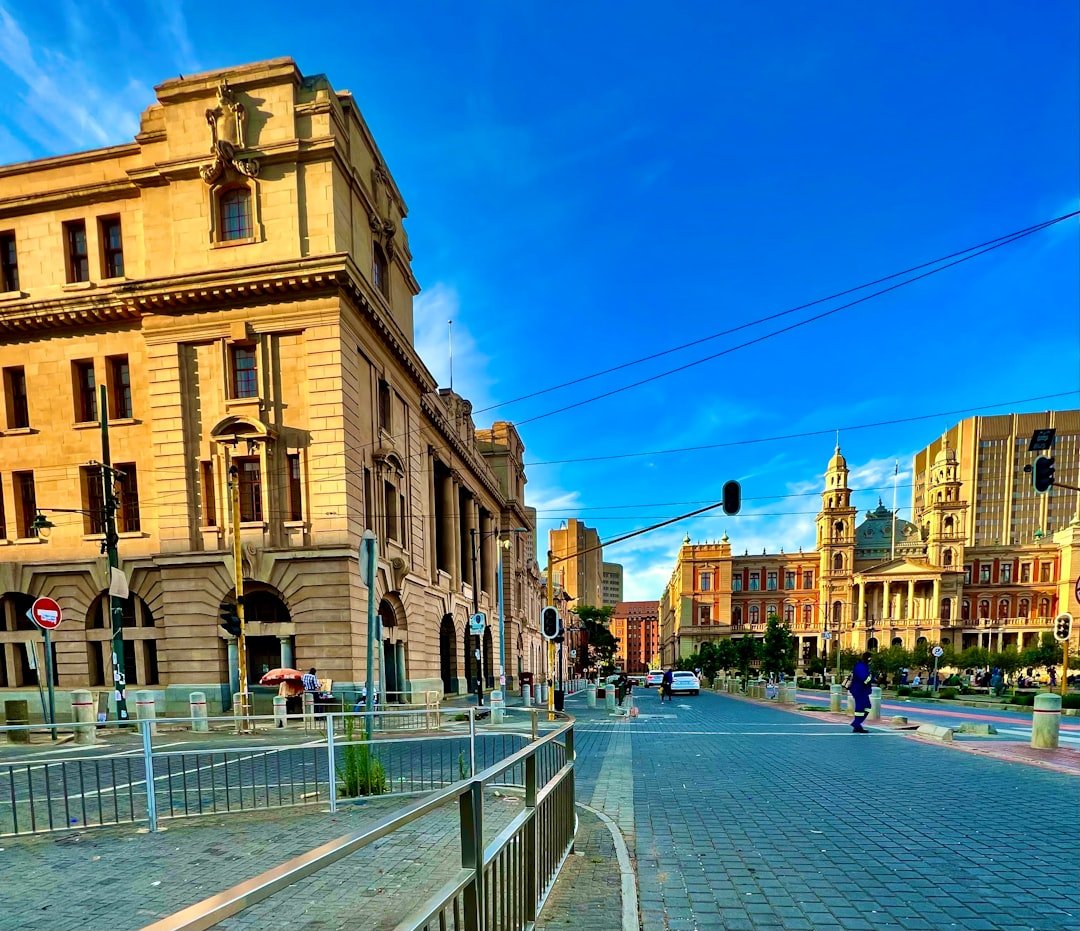
Palermo rewards travelers who give it enough time to look beyond the famous monuments. Sicily’s capital combines Phoenician roots, Arab-Norman architecture, Baroque squares, historic food markets, museums, theaters, and neighborhoods where everyday life unfolds beside centuries-old buildings. Archaeological evidence places the city’s early Phoenician settlement in the 7th century BCE, and later rulers added layers that are still visible across the historic center.
Three days is enough for a strong first visit if you group nearby sights together. This Palermo 3 day itinerary uses the first day for the historic center, the second for major Arab-Norman and art sites, and the third for markets, Sicilian food, and a slower look at the city.
Quick Answer
Spend Day 1 walking through Quattro Canti, Piazza Pretoria, Palermo Cathedral, and the surrounding historic streets. Use Day 2 for Palazzo Reale, Cappella Palatina, Palazzo Abatellis, and the Botanical Garden. On Day 3, explore Ballarò or Capo market, try Sicilian street food, and leave time for the waterfront or Mondello.
Key Takeaways
- Most central sights are close enough to combine on foot, so you usually do not need a car for a three-day city break.
- Palermo Cathedral, Palazzo Reale, Cappella Palatina, La Zisa, San Cataldo, and La Martorana are part of Palermo’s internationally recognized Arab-Norman heritage.
- Check official opening information shortly before visiting Palazzo Reale and Cappella Palatina because institutional events, religious services, and restoration work can affect access.
- Ballarò and Capo are good places to experience Palermo’s market culture and try foods such as arancine and panelle.
- Walking works best in the center; AMAT buses and trams help with longer journeys, including areas outside the historic core.
Palermo 3 Day Itinerary at a Glance
| Day 1 | Quattro Canti, Piazza Pretoria, Piazza Bellini, Palermo Cathedral, and an evening walk through the historic center. |
| Day 2 | Palazzo Reale and Cappella Palatina, Palazzo Abatellis, Kalsa, and the Orto Botanico. |
| Day 3 | Ballarò or Capo market, Sicilian food, shopping or a museum, then the waterfront or an optional trip to Mondello. |
Day 1: Exploring the Historic City Center
Start at Quattro Canti
Begin at Quattro Canti, officially Piazza Vigliena, where Via Maqueda crosses Via Vittorio Emanuele. The Baroque intersection was developed after Via Maqueda opened in 1600 and divides the old city into its four historic districts. The curved façades, fountains, statues, and changing sunlight make it one of the easiest places to understand Palermo’s urban layout.
From here, you can walk within minutes to Piazza Pretoria and Piazza Bellini. This compact area includes several important buildings, including the Church of San Cataldo and Santa Maria dell’Ammiraglio, better known as La Martorana. UNESCO includes both churches among the monuments of Arab-Norman Palermo.
Visit Palermo Cathedral
Continue west along Via Vittorio Emanuele toward Palermo Cathedral. The current Norman cathedral was consecrated in 1185, although the site had been used for religious buildings long before then. Centuries of additions created the striking combination of Norman, Gothic, Baroque, and later architectural elements seen today.
The cathedral also contains royal and imperial tombs, including that of Frederick II. Some areas of the complex have separate admission requirements, so check the Palermo Cathedral official website before your visit if you want to see the monumental areas or rooftops.
Note: Palermo’s churches are active places of worship. Wear clothing that reasonably covers shoulders and knees, keep voices low, and expect tourist access to change during religious services.
Pause at Piazza Pretoria and Piazza Bellini
If you did not stop earlier, return toward Piazza Pretoria to see the monumental Fontana Pretoria and the surrounding historic buildings. Piazza Bellini beside it is an easy place to compare Palermo’s architectural layers within a few steps.
For the evening, walk along Via Maqueda or through nearby lanes rather than rushing to another major attraction. The historic center becomes especially lively after the daytime tour groups thin out.
Pro Tip: Save Palazzo Reale and Cappella Palatina for the morning of Day 2. They deserve more time than a quick stop and their access conditions can change.
Day 2: Discovering Palermo’s Cultural and Artistic Heritage
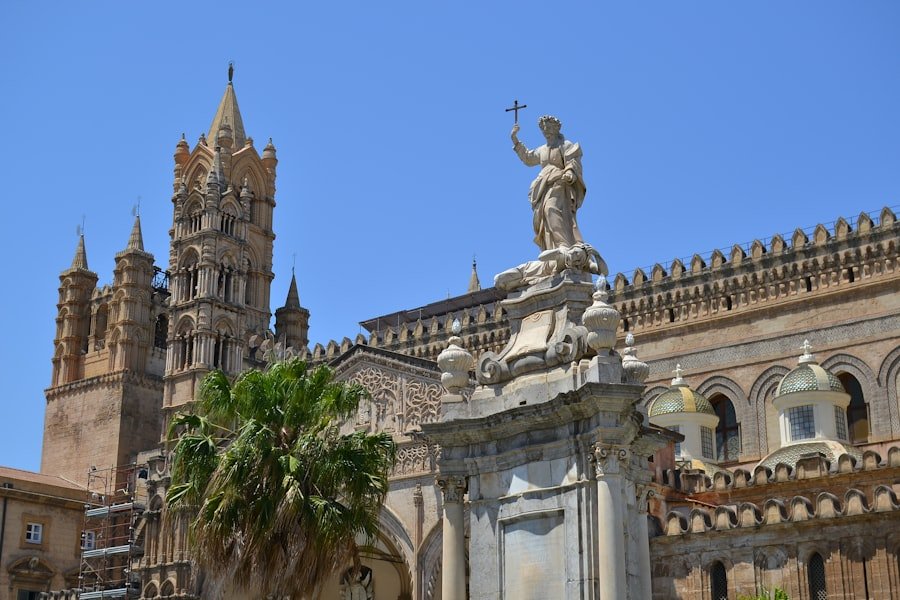
Start Day 2 at Palazzo Reale, also called the Norman Palace, and the Cappella Palatina. The palace and chapel are among the defining monuments of Arab-Norman Palermo. Their architecture and decoration show the interaction of Western, Islamic, and Byzantine traditions that UNESCO identifies as central to the city’s World Heritage value.
The Cappella Palatina is especially known for its mosaics and richly decorated interior. Because Palazzo Reale is also the seat of the Sicilian Parliament, access can change for institutional reasons. Religious services can affect the chapel as well.
Important for 2026 visitors: Restoration work at the Cappella Palatina is affecting some access and closing times. Check the official Palazzo Reale visitor page shortly before you go rather than relying on an old timetable.
After the palace, head toward the Kalsa district and the Galleria Regionale della Sicilia at Palazzo Abatellis. The museum occupies a late-15th-century Gothic-Catalan palace and contains major works of Sicilian art. One of its best-known pieces is Antonello da Messina’s Annunziata, alongside the monumental Triumph of Death fresco and works by Francesco Laurana.
Use the Regione Siciliana Palazzo Abatellis information to confirm current visitor details.
Finish the cultural part of the day at the Orto Botanico of the University of Palermo on Via Lincoln. The large historic botanical garden provides a quieter contrast to the dense streets of the center and works well in late afternoon when you are ready for a slower pace.
Day 3: Relaxing and Enjoying the Local Cuisine
| Food Stop | What to Try | Best For | Tip |
|---|---|---|---|
| Ballarò | Arancine, panelle, seasonal produce | Busy traditional market atmosphere | Go earlier in the day for the strongest food-market experience. |
| Capo | Street food, fruit, vegetables, fish and local ingredients | Combining food with central sightseeing | Pair it with nearby Teatro Massimo. |
| Sit-down Sicilian meal | Pasta con le sarde, pasta alla Norma, caponata, seafood | A slower lunch or dinner | Reserve popular restaurants for dinner, especially on weekends. |
Palermo’s historic markets are part shopping area, part social space, and part introduction to Sicilian food culture. Ballarò is the largest of the traditional central markets, while Capo is convenient if you are also visiting Teatro Massimo. Vucciria remains historically important, although its atmosphere changes significantly between daytime and evening.
Look for foods such as arancine, Palermo’s familiar filled rice balls; panelle, thin chickpea fritters often served in bread; and crocchè, potato croquettes. For something sweet, cannoli and other ricotta-based pastries are easy to find throughout the city.
For a longer meal, Sicilian dishes may include pasta con le sarde, pasta alla Norma, caponata, grilled or fried seafood, and seasonal vegetable dishes. Osteria dei Vespri is one current sit-down option in the historic center, although its cooking is more refined than a simple neighborhood trattoria. Check current menus and reservations before choosing any restaurant.
Local wines commonly include varieties such as Nero d’Avola and Grillo. If you do not drink alcohol, Palermo’s cafés, granita, fresh citrus drinks, and desserts still make it easy to turn the day into a food-focused experience.
After lunch, slow the pace. Walk toward La Cala or Foro Italico for open views and sea air. In warm weather, Mondello can also work as an optional afternoon trip if you would rather finish the itinerary by the beach. Seasonal public-transport arrangements can change, so check AMAT before setting out.
Where to Stay in Palermo
For a first visit, location matters more than luxury. Staying within or beside the historic center reduces transportation time and lets you reach many attractions on foot.
Historic Center
The central areas around Quattro Canti, Via Maqueda, the Cathedral, and Kalsa work well for travelers who want sightseeing, restaurants, and evening walks close together. Streets can feel busy and noisy, so check recent accommodation reviews if quiet nights are important.
Ballarò and Albergheria
This area puts you close to Palazzo Reale, the Cathedral, and Ballarò market. Palazzo Brunaccini is a current boutique-hotel example behind Ballarò and within walking distance of major central sights.
Politeama and Via della Libertà
These areas north of the oldest part of town offer a more modern city feel while keeping the center accessible. They can suit travelers who want larger streets, shopping, and easy access to Teatro Massimo without sleeping directly in the busiest historic lanes.
Luxury Waterfront Stay
Villa Igiea is a luxury option overlooking the Gulf of Palermo near Monte Pellegrino. It is not in the compact historic center, so travelers staying there should plan for taxis, transfers, or other transportation when sightseeing downtown.
Short-term apartments and guesthouses are also widely available. Before booking, compare the exact street, recent guest feedback, air-conditioning if visiting in summer, luggage access, and walking distance to the places you expect to visit most.
Getting Around Palermo
Walking is usually the easiest way to see Palermo’s historic center. Quattro Canti, Piazza Pretoria, Palermo Cathedral, Teatro Massimo, Kalsa, and many churches and markets can be connected on foot without repeatedly waiting for transportation.
For longer journeys, AMAT operates Palermo’s city buses and trams. As of September 2026, AMAT lists its ordinary bus/tram ticket at €1.40 with 90 minutes of validity after validation. Fares and products can change, so confirm them on the official AMAT ticket page before traveling.
AMAT also supports mobile ticketing through its apps. If you plan to use public transportation several times, setting up the relevant app before leaving your accommodation can make the day easier.
For taxis, use licensed vehicles and make sure the taximeter is operating. Palermo’s municipal taxi rules require metered calculation of ordinary fares, so negotiating an informal price is not the recommended approach.
A rental car is usually unnecessary for this three-day itinerary. Driving becomes more useful if Palermo is only one stop on a wider Sicily road trip, but central traffic, parking, and limited-traffic areas can make a car inconvenient during city sightseeing.
Must-Visit Attractions in Palermo
Teatro Massimo
Teatro Massimo is one of Palermo’s major cultural landmarks and, according to the theatre itself, Italy’s largest opera house. It opened in 1897 and continues to host opera, ballet, concerts, and other performances. Guided visits are also available, making it worthwhile even when you do not have tickets to a performance.
Check the official Teatro Massimo website for the current performance calendar and guided-tour information.
La Zisa
La Zisa is a Norman palace whose design reflects the cultural exchanges that shaped medieval Sicily. It forms part of UNESCO’s Arab-Norman Palermo World Heritage property and offers another perspective on royal architecture beyond Palazzo Reale.
Capuchin Catacombs
The Capuchin Catacombs developed from the burial practices of Palermo’s Capuchin community and became known for their large collection of preserved and mummified human remains. The site documents aspects of Palermo society from past centuries, but it is very different from a conventional museum.
Warning: The Capuchin Catacombs display real human remains. The experience can be disturbing for some adults and children, so consider this before adding it to your itinerary.
Hidden Gems and Off-the-Beaten-Path Spots
Santa Maria dell’Ammiraglio, or La Martorana
La Martorana is not truly unknown—it is part of Palermo’s UNESCO-listed Arab-Norman heritage—but some visitors rush past it while concentrating on the Cathedral and Palazzo Reale. Its Byzantine mosaics make it worth seeing when the church is open to visitors.
Palazzo Mirto
Palazzo Mirto offers a different perspective on Palermo by focusing on aristocratic domestic life rather than monumental religious architecture. Its furnished rooms and decorative interiors help show how a noble residence evolved over the centuries.
These smaller or less heavily promoted interiors are especially useful if you have already seen Palermo’s headline monuments and want a more detailed look at the city’s social and artistic history.
Shopping and Souvenirs in Palermo
Palermo’s markets are useful for more than food. Depending on the market and stall, you may find spices, household goods, small gifts, ceramics, and local products alongside fruit, vegetables, fish, and meat.
For a more polished shopping experience, Via della Libertà and streets around Politeama have established shops and fashion retailers. Smaller artisan businesses also appear throughout Kalsa and the historic center.
Popular Sicilian souvenirs include ceramics, food products, sweets, olive oil, textiles, and objects inspired by traditional Sicilian designs. When craftsmanship matters to you, ask where an item was made rather than assuming every colorful souvenir is locally produced.
Nightlife and Entertainment Options
Palermo’s evenings range from opera and live performance to crowded bar areas and slow outdoor dinners. Vucciria becomes much more nightlife-oriented after dark, while Kalsa and streets around the center offer a mix of wine bars, cafés, restaurants, and cultural venues.
For a planned cultural evening, check Teatro Massimo’s current program. For a more spontaneous night, walk through a lively central district and choose a place based on the atmosphere you prefer rather than relying on an old list of individual bars that may have changed ownership or opening hours.
As in any busy nightlife district, keep normal awareness of phones, wallets, and bags in dense crowds and know how you plan to return to your accommodation before staying out late.
Tips for First-Time Visitors to Palermo
- Walk strategically: Group central sights together rather than crossing the city repeatedly.
- Check major attractions shortly before visiting: Religious services, restoration work, public holidays, and institutional events can affect access.
- Visit food markets earlier: Morning and lunchtime generally provide a better traditional market experience than arriving after most food vendors have finished.
- Respect churches: Dress reasonably modestly and avoid sightseeing during important services when access is restricted.
- Plan for summer heat: In hotter months, use early mornings for exposed sightseeing and museums, churches, lunch, or rest for the strongest afternoon heat.
- Use official transport information: Check AMAT rather than relying on old travel-blog fare or tourist-pass claims.
- Do not assume you need a car: A car can be useful for a wider Sicily trip but is usually unnecessary for central Palermo sightseeing.
- Learn a few Italian phrases: Basic greetings and polite expressions are useful even though many tourism businesses also work with international visitors.
- Leave some unscheduled time: Palermo is particularly rewarding when you have enough space to stop at a market, café, courtyard, church, or street that was not on the original checklist.
With three well-planned days, you can see Palermo’s most important historic sights without turning the trip into a race. Keep the main structure of the itinerary, but adjust individual stops around current opening conditions, your interests, the weather, and how much time you want to spend eating, walking, and simply observing the city.
Frequently Asked Questions
What is Palermo?
Palermo is the capital of Sicily, Italy. It is known for historic markets, Arab-Norman monuments, Baroque architecture, theaters, museums, and a food culture shaped by centuries of Mediterranean influence.
Is three days enough for Palermo?
Yes. Three days gives a first-time visitor enough time for the historic center, Palazzo Reale and Cappella Palatina, at least one major museum, a traditional market, Sicilian food, and some slower time for neighborhoods or the waterfront.
What are the must-see attractions in Palermo for first-time visitors?
Strong first-visit choices include Palazzo Reale and Cappella Palatina, Palermo Cathedral, Quattro Canti, Piazza Pretoria, La Martorana, San Cataldo, Teatro Massimo, and one of the historic markets such as Ballarò or Capo.
What should I do during a 3-day Palermo itinerary?
Use the first day for the historic-center landmarks, the second for Palazzo Reale, Cappella Palatina, Palazzo Abatellis, and Kalsa, and the third for markets, Sicilian food, shopping, the waterfront, or an optional warm-weather trip to Mondello.
What is the best time of year to visit Palermo?
Spring and early autumn are popular choices because temperatures are generally more comfortable for long walking days than at the height of summer. July and August can be hot, while winter can be quieter and works well for travelers who prioritize museums, food, and architecture over beach time.
What traditional Sicilian foods should I try in Palermo?
Popular choices include arancine, panelle, crocchè, caponata, pasta con le sarde, pasta alla Norma, seafood, cannoli, and other pastries made with ricotta or almonds.
Do I need to rent a car in Palermo?
No. A car is usually unnecessary for a three-day Palermo city visit because many important sights are walkable and buses, trams, and taxis cover longer trips. Renting a car makes more sense when Palermo is part of a wider road trip around Sicily.
Which Palermo market should I visit?
Ballarò is a strong choice for a large, energetic traditional market experience. Capo is convenient when combining a market visit with Teatro Massimo and other central attractions. Vucciria is historically important but has a stronger nightlife identity after dark.
Sources
- UNESCO World Heritage Centre — Arab-Norman Palermo — supports the city’s Arab-Norman heritage and UNESCO-listed monuments.
- Palermo Cathedral — official cathedral history and visitor information.
- Fondazione Federico II — Palazzo Reale visitor information — current access information for Palazzo Reale and Cappella Palatina.
- Regione Siciliana — Palazzo Abatellis — official regional museum information.
- AMAT Palermo — Tickets — current Palermo bus and tram fare information.
- Fondazione Teatro Massimo — official performances, visitor information, and theatre history.