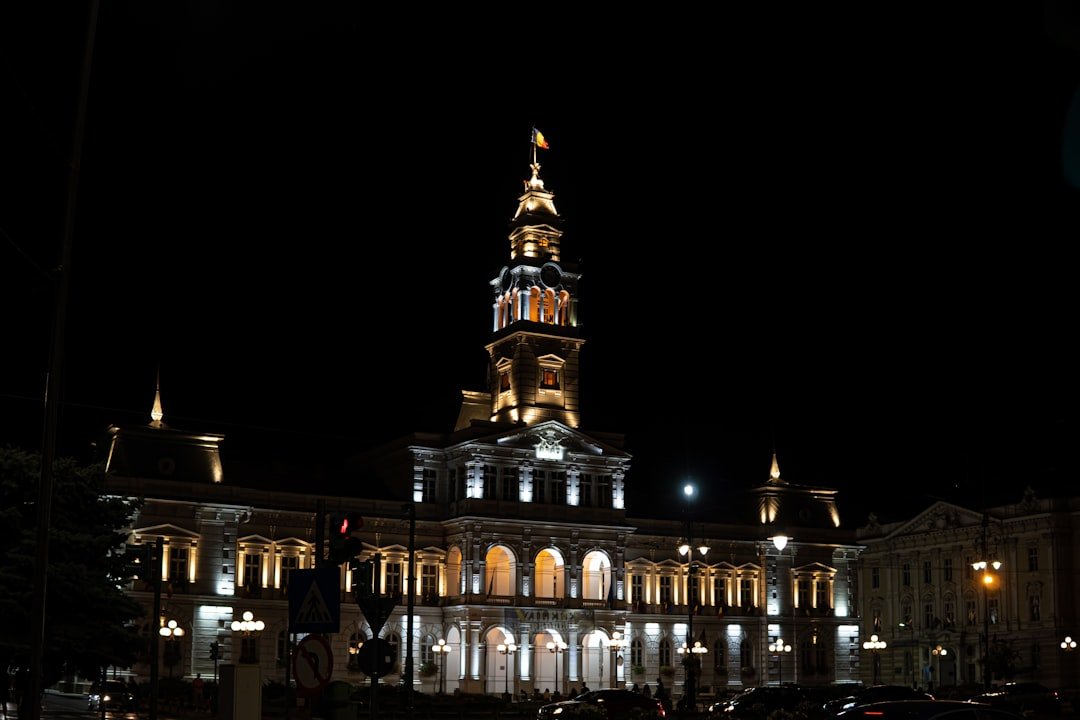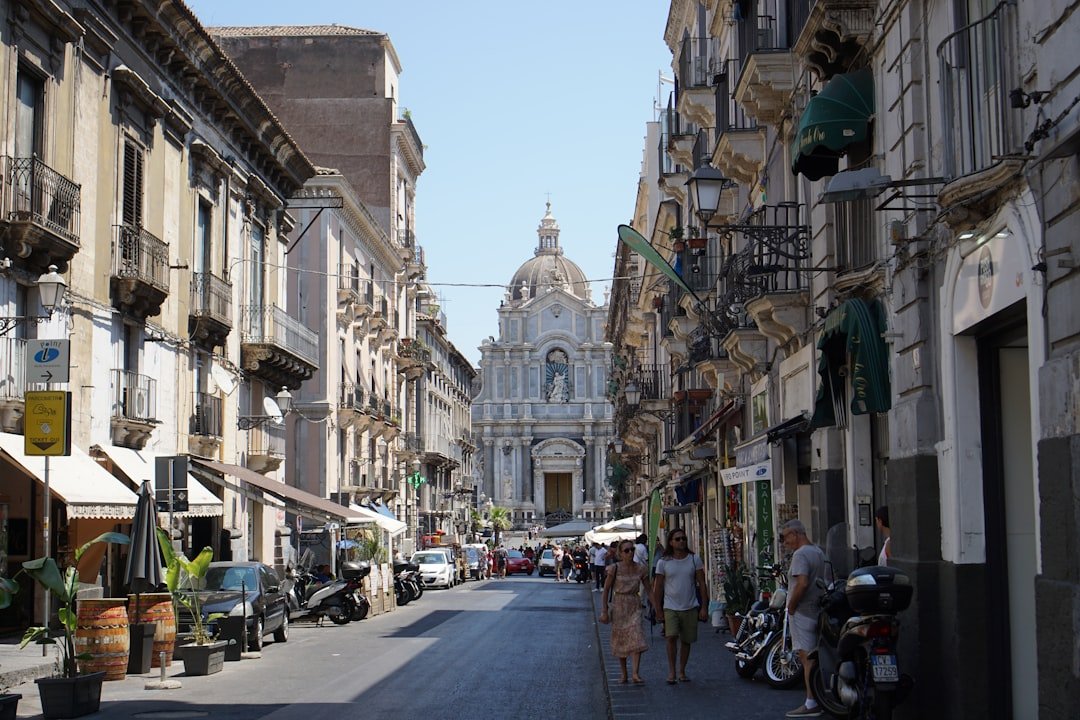
Catania gives you three very different experiences in one short trip: a Baroque historic center built with pale stone and dark lava rock, the slopes of Mount Etna just outside the city, and a coastline that changes from long sandy beaches in the south to volcanic rock and black sand in the north. Specific areas of Catania are also included in UNESCO’s Late Baroque Towns of the Val di Noto World Heritage property, reflecting the city’s remarkable rebuilding after the destructive 1693 earthquake.
Quick Answer
For a 3-day Catania itinerary, spend day one exploring Piazza del Duomo, La Pescheria, Roman ruins, Via Etnea, and Castello Ursino; use day two for Mount Etna; and reserve day three for La Playa, San Giovanni Li Cuti, and Catania’s waterfront, food, and evening atmosphere.
Key Takeaways
- Day 1 works best on foot in the historic center, starting at Piazza del Duomo and continuing through La Pescheria, Via Etnea, the Roman sites, the Benedictine Monastery, and Castello Ursino.
- Day 2 is best reserved mainly for Mount Etna because transport, changing weather, volcanic restrictions, and the type of excursion can make the day longer than expected.
- Check current Etna access rules immediately before your trip; summit-area restrictions can change with volcanic activity.
- Day 3 can be a beach and waterfront day: choose La Playa for sand or San Giovanni Li Cuti for a smaller volcanic setting.
- Stay near the historic center for sightseeing convenience or near the station if onward rail connections matter more.
- Catania is especially rewarding for food: try arancini, pasta alla Norma, granita, cannoli, local seafood, and produce from its traditional markets.
Catania has been shaped by Greek, Roman, Byzantine, Arab, Norman, Spanish, and later Sicilian influences. Lava and earthquakes also played a major role in its appearance. Today, dark volcanic stone contrasts with elaborate Baroque façades throughout the center, while Mount Etna remains a constant presence above the city.
Day 1: Exploring the Historic Center
Morning: Piazza del Duomo and La Pescheria
Start your first morning at Piazza del Duomo, the natural center of sightseeing in Catania. The square contains the Fontana dell’Elefante, whose lava-stone elephant has become one of the city’s best-known symbols. Around the square are Palazzo degli Elefanti, which serves as city hall, the Cathedral of Sant’Agata, and the Fontana dell’Amenano.
The cathedral is dedicated to Saint Agatha, Catania’s patron saint. Its present appearance reflects centuries of rebuilding after earthquakes and volcanic events, and its Baroque façade fits naturally into the architecture that defines central Catania.
From Piazza del Duomo, walk behind the Fontana dell’Amenano into La Pescheria. This is Catania’s historic fish and food market, where seafood stalls sit alongside fruit, vegetables, meat, cheese, spices, and other local products. Go earlier in the day if experiencing the market at its liveliest is important to you.
Late Morning: Via Etnea and Piazza Stesicoro
Continue north along Via Etnea, Catania’s major central street. It is lined with shops, cafés, churches, historic façades, and several important squares. When visibility is good, sections of the street also provide striking views toward Mount Etna.
At Piazza Stesicoro, look for the remains of Catania’s Roman Amphitheatre. Do not confuse this site with the Roman Theatre on Via Vittorio Emanuele II; they are separate monuments.
Afternoon: Roman Theatre and Benedictine Monastery
Next, visit the Teatro Romano. Catania’s official tourism authority describes the theatre as a structure developed through successive enlargements between the 1st and 4th centuries AD. The surviving architecture provides a much clearer sense of Roman Catania than a quick roadside view alone.
Continue toward the Monastery of San Nicolò l’Arena, commonly called the Benedictine Monastery. The complex was founded in the 16th century and underwent major rebuilding after the 1669 Etna eruption and the earthquake of 1693. Its courtyards, monumental spaces, and layers of construction help explain how Catania repeatedly adapted to natural disasters. For updated information on these and other monuments, use the official Catania tourism monument guide.
Late Afternoon and Evening: Castello Ursino
Finish the sightseeing portion of the day at Castello Ursino. Frederick II commissioned the fortress in the 13th century, and it now houses Catania’s civic museum, including archaeological material and works of art from different periods of the city’s history.
Afterward, return toward the historic center for dinner. The streets around Castello Ursino, Piazza Duomo, Via Etnea, and nearby central neighborhoods give you many options without requiring another major journey across town.
Pro Tip: Do not try to enter every museum and church on day one. Choose two or three interiors that interest you most and use the rest of the day to experience the streets, markets, squares, and architectural contrasts that make central Catania distinctive.
Day 2: Visiting Mount Etna and Surrounding Areas
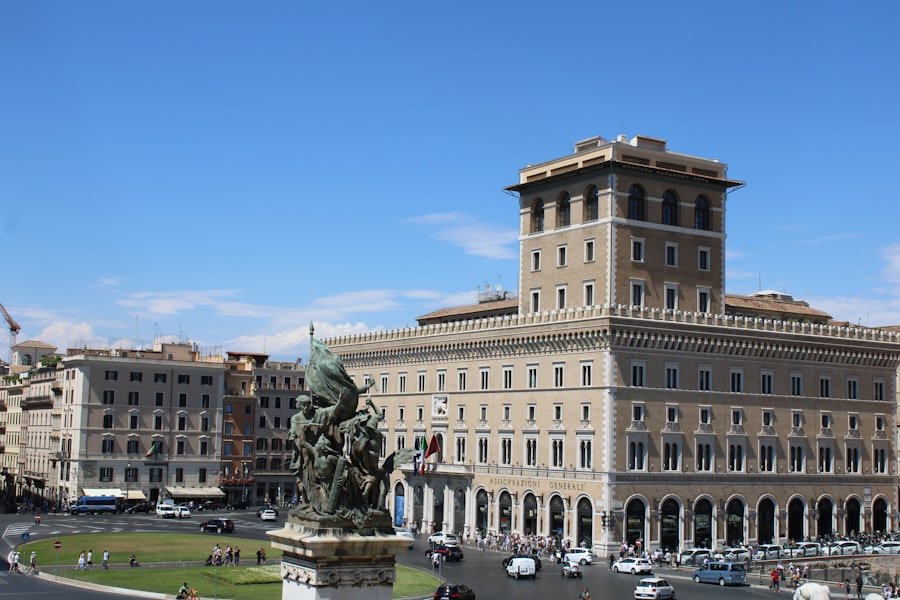
Reserve most of your second day for Mount Etna. UNESCO describes Etna as the highest Mediterranean island mountain and the world’s most active stratovolcano. Its landscape changes dramatically with altitude, moving through cultivated slopes and woodland into exposed lava fields, cones, and high volcanic terrain. You can read more about its World Heritage status on the UNESCO Mount Etna page.
How you spend the day depends on the conditions and the type of experience you want. Lower-altitude walks and viewpoints are different from excursions toward higher volcanic areas. Some visitors use organized tours from Catania, while others reach an Etna access area independently and join activities there.
Warning: Mount Etna is an active volcano. Do not assume a trail, crater area, or altitude that was accessible on an older itinerary is still open. Access restrictions and guide requirements can change with volcanic conditions. Check the current Parco dell’Etna access ordinances shortly before your excursion and follow instructions from local authorities and qualified guides.
What to Wear on Mount Etna
Conditions on Etna can be very different from conditions in central Catania, even on the same day. Wear sturdy closed shoes with good grip. Bring layers, sun protection, water, and a wind-resistant outer layer. In cooler months or at higher elevations, warmer clothing may be necessary.
The terrain can include loose volcanic material and uneven surfaces, so sandals or smooth-soled city shoes are poor choices for hiking sections.
Etna Wine and Volcanic Landscapes
The slopes around Etna are also known for vineyards growing in volcanic soils. Many organized excursions combine scenery or walking with a winery visit and a tasting of local Etna wines, including Etna Rosso. This can be a good option if you want to experience the mountain without making a strenuous high-altitude hike the only focus of the day.
Can You Add Taormina or Alcantara Gorge?
Taormina and the Alcantara Gorge are both popular additions to eastern Sicily itineraries, but trying to combine Mount Etna, Alcantara, and Taormina into one independent day can become rushed. If Etna is your priority, give it most of the day.
A combined tour can make the logistics easier, or you can choose only one additional stop if your Etna activity finishes early. Travelers relying on public transport should be especially conservative because connections and seasonal schedules may not align well enough for three major destinations in one day.
Treat Etna as a living volcano rather than a fixed attraction: your safest and most enjoyable itinerary is the one that can change when mountain conditions change.
Day 3: Enjoying the Beaches and Waterfront
| Beach / Coast Area | Best For | What to Expect | Nearby Waterfront Experience |
|---|---|---|---|
| La Playa | Swimming, sunbathing, a traditional sandy-beach day | Long sandy coastline south of central Catania with seasonal beach facilities and both public and private areas | Easy choice when you want sand rather than volcanic rock |
| San Giovanni Li Cuti | Shorter swims, photography, local waterfront atmosphere | Small volcanic beach and fishing harbor with dark lava stones and black sand | Continue along Viale Ruggero di Lauria for a waterfront walk |
| Ognina and La Scogliera | Coastal walking, lava-rock scenery, harbor views | Rockier coastline rather than a broad sandy beach | Ognina harbor and the northern volcanic shoreline toward Aci Castello |
After two busy sightseeing days, the third day is a good time to slow down along Catania’s coast. The shoreline changes noticeably around the city: south of the port, La Playa offers a long sandy coast, while north of the center the landscape becomes increasingly volcanic.
La Playa is the straightforward choice for visitors who want a conventional beach day with sand, swimming, and seasonal beach services. In summer, the area includes both private beach clubs and public sections, although facilities and transport arrangements can change by season.
For a smaller and more characterful urban-coast experience, go to San Giovanni Li Cuti. Its fishing harbor, black volcanic sand, and rounded lava stones make it very different from La Playa. Catania’s official tourism information describes the northern coastline as volcanic and identifies San Giovanni Li Cuti as a traditional fishing village with a small dark beach. Check the city’s official beach and waterfront information for seasonal services.
If you prefer walking to sunbathing, continue along the lungomare toward Ognina. Viale Ruggero di Lauria forms part of Catania’s waterfront route; this is the seafront area, not Via Etnea.
Note: Catania’s coast is not one continuous sandy beach. Pick La Playa if sand is the priority and San Giovanni Li Cuti or the northern waterfront if you want volcanic scenery and a more urban coastal walk.
Where to Stay in Catania: Accommodation Options
Catania has accommodation ranging from upscale hotels to small guesthouses, apartments, hostels, and budget rooms. For a first visit, the historic center is usually the easiest base because Piazza del Duomo, Via Etnea, La Pescheria, restaurants, nightlife, and many historic sites are within walking distance.
Historic Center
Romano House Hotel is one established central option near Via Etnea. Its location works well for travelers who want to spend evenings in the center and walk to major attractions during the day.
Near Catania Centrale
Hotel Villa Romeo is close to the main railway station. This area can be practical if you expect to use trains frequently or are planning onward journeys around eastern Sicily. It is less central to some historic sights than staying directly around Piazza Duomo or Via Etnea, but the transport convenience can compensate.
Budget Accommodation
Budget-conscious visitors can find hostels, guesthouses, apartments, and simple hotels throughout central Catania. Before booking, compare the actual walking route to Piazza Duomo or a useful transport stop rather than judging a property only by the phrase “city center.”
Also check recent guest reviews for street noise if you are a light sleeper. Some of Catania’s liveliest central areas remain active late into the evening.
Where to Eat: Dining in Catania
Street Food Delights
One of the easiest foods to try while sightseeing is the arancino—fried rice filled in several different ways. In Catania, you will commonly hear the masculine form “arancino.” Traditional fillings include ragù, while shops also sell many cheese, vegetable, and specialty versions.
Other useful additions to your food list include granita with brioche, cannoli, local pastries, and seasonal snacks sold by bakeries and bars.
Authentic Sicilian Cuisine
Pasta alla Norma is one of the dishes most strongly associated with Catania. The classic combination uses pasta, tomato sauce, fried eggplant, basil, and ricotta salata. It is widely available, so try it at a restaurant that focuses on Sicilian cooking rather than choosing a place solely because it is next to a major tourist sight.
Trattoria da Antonio near Castello Ursino is one established option for Sicilian cooking and seafood. Menus, prices, opening days, and availability can change, so reservations may be useful at busy periods.
Fresh Seafood and Local Ingredients
La Pescheria is Catania’s historic fish and food market rather than one seafood restaurant. Visit to see fishmongers, produce stalls, and the everyday food culture around Piazza Duomo, then choose one of the surrounding eateries if you want a prepared seafood lunch.
If you want edible souvenirs, look for Bronte pistachio products, local olive oil, biscuits, almond sweets, preserves, and other packaged Sicilian specialties that can travel safely.
For a more hands-on culinary experience, consider a Catania-focused food tour or cooking class centered on Sicilian dishes such as pasta alla Norma, arancini, cannoli, or market ingredients.
Transportation in Catania: Getting Around the City
Walking is usually the simplest way to explore the historic center. Piazza del Duomo, La Pescheria, Via Etnea, Piazza Stesicoro, the Roman Theatre, and many restaurants are close enough to combine on foot if you are comfortable walking on uneven streets and pavements.
Buses
AMTS operates Catania’s urban bus network. As of September 2026, the operator lists a standard 90-minute urban ticket at €1.40 and a separate €4 Alibus ticket for the airport service. Fares and conditions can change, so confirm them on the official AMTS ticket page before travel.
Metro
Ferrovia Circumetnea operates Catania’s metro. As of September 2026, FCE lists a €1.40 120-minute metro ticket that allows up to two metro rides during its validity period, together with other ticket and pass options. Check the official FCE fare page for the latest rules.
Airport to Central Catania
AMTS Alibus connects Catania Fontanarossa Airport with the city. Taxis and other ground-transport options are also available. If your accommodation is near Catania Centrale or a central Alibus stop, public transport may be sufficient without renting a car.
Taxis and Rental Cars
Taxis are useful when luggage, late arrivals, or destinations outside the compact center make public transport inconvenient. A rental car is generally unnecessary for central sightseeing and can create parking and traffic complications, although it may be useful for a wider Sicily road trip.
Must-See Attractions in Catania
If you have extra time beyond the core itinerary, Catania has several additional attractions worth prioritizing according to your interests.
Catania Cathedral and Piazza del Duomo
The Cathedral of Sant’Agata and the surrounding square provide the clearest introduction to Catania’s Baroque identity and post-earthquake rebuilding.
Teatro Romano
The Roman Theatre is an archaeological complex on Via Vittorio Emanuele II. It is a theatre, not the same site as Catania’s Roman Amphitheatre.
Roman Amphitheatre
The separate amphitheatre can be seen at Piazza Stesicoro. Seeing both sites makes the distinction between the two monuments much easier to understand.
Castello Ursino
This 13th-century castle was commissioned during the reign of Frederick II and now houses the Museo Civico. The 1669 Etna eruption altered the surrounding landscape, leaving the castle farther from the modern shoreline than it had originally been.
Benedictine Monastery of San Nicolò l’Arena
The large monastery complex demonstrates several layers of Catania’s history, including rebuilding following the natural disasters of the 17th century.
La Pescheria
The historic market is worth visiting even if you do not plan to buy food. It gives you an everyday counterpoint to the churches, palaces, museums, and archaeological sites nearby.
Shopping in Catania: Souvenirs and Local Products
Via Etnea and the streets around central Catania have a mixture of fashion shops, small stores, cafés, food businesses, and souvenir sellers. Traditional markets can be more interesting if you want something connected to local everyday life rather than a generic souvenir.
Popular items include Sicilian ceramics, packaged sweets, almond products, preserves, olive oil, and pistachio products associated with Bronte. Cannoli are best eaten fresh rather than carried for a long journey because the filled shells lose their crisp texture.
If you are flying home, check baggage and customs rules before buying liquids, fresh food, or agricultural products.
Nightlife in Catania: Bars and Entertainment
Catania has a lively evening culture, especially around the historic center. Piazza Università, streets near Via Etnea, and several central neighborhoods have bars, wine spots, cafés, and restaurants where people stay out well into the evening.
Some beach establishments also become evening venues during the warmer months. If you prefer culture to bars or clubs, Teatro Massimo Bellini hosts opera, concerts, and other performances during its program year.
Choose accommodation carefully if nightlife is not part of your plan. A room directly above a busy central street can be convenient for sightseeing but noisy at night.
Best Time to Visit Catania
Spring and early autumn are attractive periods for a three-day sightseeing trip because they generally combine comfortable city exploration with fewer of the peak-summer pressures. April through June and September through October are often good choices for travelers who want to spend substantial time walking.
Summer is the strongest season for a beach-focused trip, but central sightseeing can feel hotter and popular attractions may be busier. Starting early, taking a longer midday break, and returning outside the hottest hours can make the schedule more comfortable.
Winter is quieter and can still work well for food, architecture, markets, museums, and city sightseeing, although mountain weather around Etna requires extra preparation and some coastal activities are seasonal.
What to Pack for Three Days in Catania
- Comfortable walking shoes for lava-stone streets and archaeological sites.
- Sturdier closed shoes if your Etna excursion includes hiking.
- Layers and a wind-resistant outer layer for Mount Etna.
- Sun protection, including sunscreen, sunglasses, and a hat.
- A refillable water bottle.
- Swimwear and a light towel if you plan to use the beach.
- A secure cross-body bag or another practical way to keep valuables close in busy markets and transport areas.
Tips for First-Time Visitors: What to Know Before You Go
Learning a few Italian phrases is useful, although businesses accustomed to visitors may also have English-speaking staff. A simple greeting before asking a question is appreciated and makes everyday interactions easier.
Restaurant schedules can differ from what visitors expect at home, particularly for dinner, so check opening times rather than assuming every kitchen operates continuously through the afternoon.
Keep normal awareness of your phone, wallet, passport, and bag in crowded markets, transit areas, and busy tourist streets. Avoid keeping valuables loosely in an exposed pocket.
Older travel material may mention a “Catania Card” or CataniaPass. For a current trip, use the present AMTS and FCE ticket information rather than building your itinerary around an old tourist-pass reference.
Most importantly, keep day two flexible. Weather and volcanic conditions can change an Etna plan even when the weather in central Catania appears fine.
Frequently Asked Questions
What is Catania known for?
Catania is known for its Baroque architecture, dark lava stone, historic markets, Sicilian food, Roman remains, Saint Agatha traditions, and its location beneath Mount Etna. Specific parts of the city are included in UNESCO’s serial Late Baroque Towns of the Val di Noto World Heritage property.
What are the must-see attractions in Catania for first-time visitors?
Prioritize Piazza del Duomo, Catania Cathedral, La Pescheria, Via Etnea, the Roman Theatre, the Roman Amphitheatre at Piazza Stesicoro, Castello Ursino, and the Benedictine Monastery of San Nicolò l’Arena. Mount Etna is the major excursion outside the city.
What should I do during a 3-day itinerary in Catania?
Spend day one in the historic center, day two on Mount Etna, and day three along the coast. On the final day, choose La Playa for a sandy beach or San Giovanni Li Cuti and the lungomare for volcanic scenery and a waterfront walk.
Is Via Etnea Catania’s seafront promenade?
No. Via Etnea is a major central street running through the historic city. For the waterfront, head toward Piazza Europa, Viale Ruggero di Lauria, San Giovanni Li Cuti, and Ognina.
Can I visit Mount Etna without a guide?
Some lower-altitude areas and permitted trails may be accessible independently, but summit-area access and guide requirements can change with volcanic conditions and municipal ordinances. Always check current Etna Park restrictions before leaving Catania and follow local authority instructions.
What is the best time of year to visit Catania?
Spring and early autumn are especially convenient for walking and sightseeing, while summer is better for travelers who prioritize beach time. Catania can be visited year-round, but Etna conditions and seasonal coastal services should be checked separately.
What local dishes should I try in Catania?
Try pasta alla Norma, arancini, granita with brioche, cannoli, seafood, and seasonal Sicilian dishes. Catania is particularly associated with pasta alla Norma, made with tomato, fried eggplant, basil, and ricotta salata.
Sources
- UNESCO — Late Baroque Towns of the Val di Noto — UNESCO status and the scope of Catania’s World Heritage component.
- UNESCO — Mount Etna — Etna’s geological significance, activity, and World Heritage status.
- Comune di Catania Tourism — Monuments — Piazza Duomo, Roman sites, Castello Ursino, the Benedictine Monastery, and other city monuments.
- Comune di Catania Tourism — Beach Facilities — San Giovanni Li Cuti, the waterfront, and Catania’s volcanic coast.
- Parco dell’Etna — Access Ordinances — changing summit-area restrictions and volcanic-safety access rules.
- Ferrovia Circumetnea — Urban Tickets and current AMTS information cited above — current public-transport planning.