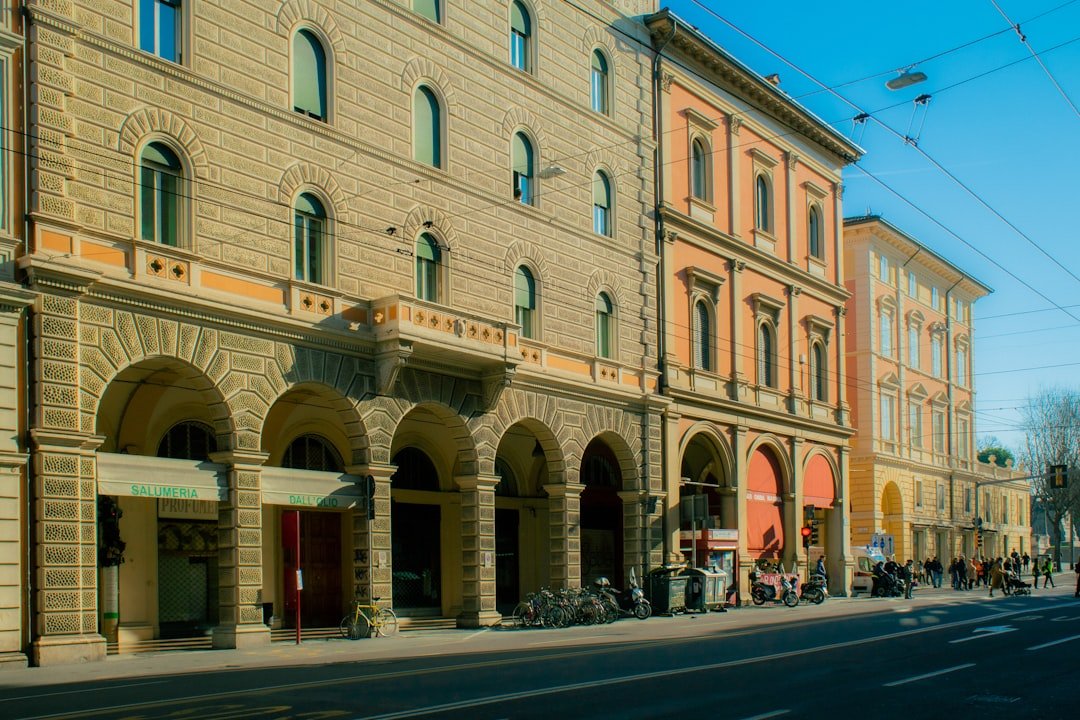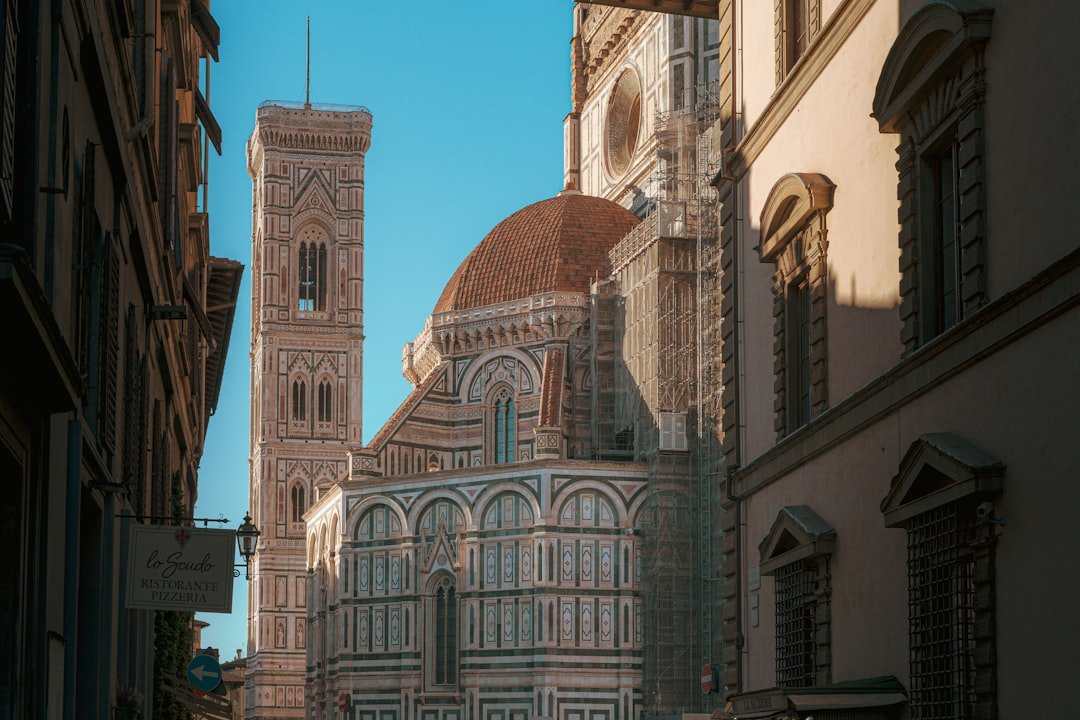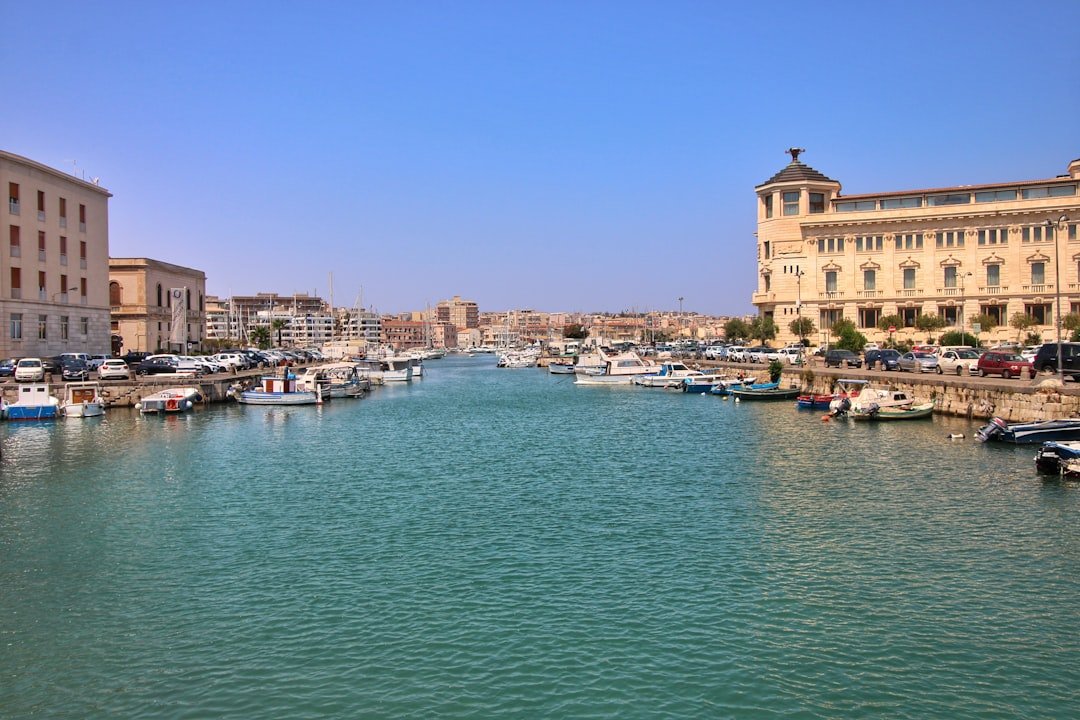
Pisa is famous for its Leaning Tower, medieval streets, lively piazzas, and scenic Arno riverfront. After dark, the historic center can be an enjoyable place for dinner, a walk, or an evening drink. Most visitors can explore it comfortably, but you should take normal city precautions and plan your route home before streets and public transport become quieter.
Quick Answer
Yes. Pisa is generally manageable after dark, especially in the historic center and busy nightlife streets. The main practical concern is opportunistic theft in crowds and around transport hubs. Use extra caution near Pisa Centrale late at night, stay on lit routes, and keep a licensed taxi as your backup plan.
Key Takeaways
- Central Pisa is usually comfortable to explore at night when you stay on active, well-lit streets.
- Take extra care around Pisa Centrale, especially when platforms, nearby streets, and bus stops are quiet.
- Pickpocketing, bag theft, and distraction tactics are more practical concerns for visitors than serious violence.
- Check your exact bus route before going out and keep the number of a licensed taxi service saved.
- Call 112 for an urgent police, medical, or fire emergency anywhere in Italy.
How safe is Pisa at night?
No city street can be guaranteed safe, but Pisa is generally manageable for travelers who stay aware of their surroundings. Central streets around restaurants, tourist routes, and university nightlife areas often remain active into the evening.
Official U.S. travel guidance for Italy says violent crime is rare, while pickpocketing and other theft are common in crowded areas, on public transport, and around major railway stations. That national pattern describes the main practical risks visitors should prepare for in Pisa.
Most nighttime visits to Pisa are straightforward. Your best protection is to choose active streets, secure your belongings, and decide how you will return before the area becomes quiet.
Is Pisa Centrale safe at night?
Pisa Centrale deserves more attention than the busiest parts of the historic center. The station handles large numbers of commuters and visitors, which can create opportunities for pickpockets and distraction theft. Keep your phone, wallet, passport, and bags secured while buying tickets, checking displays, boarding buses, or waiting outside.
In March 2026, the Comune di Pisa reported that enhanced “zona rossa” measures had operated around the station from January through March 2025 and again from August through October 2025. The affected streets included Piazza della Stazione, Via Mascagni, Via Puccini, Viale Bonaini, and Viale Gramsci.
Warning: The 2025 “zona rossa” periods are historical context, not confirmation that the same measure is active now. Even without a special order, use extra caution around the station late at night and avoid waiting alone on an empty side street.
Pickpockets may create a distraction by bumping into you, asking a confusing question, crowding a ticket machine, or drawing your attention away from a bag. Do not place your phone or wallet on top of luggage, and keep shoulder bags closed and positioned in front of you.
Getting around Pisa after dark
Pisa is compact, so walking is practical for many trips between restaurants, bars, accommodation, and major landmarks. Conditions can change quickly, however, when businesses close and foot traffic drops.
Walking
Choose direct routes along main streets with lighting, open businesses, and other pedestrians. Avoid shortcuts through dark passages, empty parks, riverbank sections with little foot traffic, and unfamiliar residential alleys.
If you arrive late with heavy luggage, feel tired, or do not know the route, a licensed taxi from the station rank may be more comfortable than walking while checking your phone for directions.
Buses
Local buses are operated by Autolinee Toscane. Evening frequency and final departures vary by route, day, season, and service changes. Use the official Pisa lines and timetables page to check the exact route before you leave.
Do not assume that a daytime route will continue at the same frequency late at night. Confirm where the return stop is, whether your ticket needs validation, and what you will do if you miss the final useful departure.
Taxis
For late-night travel, taxis are often the simplest option. Co.Ta.Pi. is Pisa’s main radiotaxi cooperative and can be reached at 050 983708.
As checked on July 23, 2026, the current Co.Ta.Pi. urban tariff page displays a minimum charge of €7.80, an initial meter charge of €3.90, an urban rate of €1.30 per kilometer, and a €3.10 night surcharge. The published tariff image also lists a maximum radio-call arrival fare of €7.70. Fares and surcharges can change, so check the current page when planning your trip.
Co.Ta.Pi. explains that a taxi requested by radiotaxi uses the meter with applicable supplements. Certain fixed-route prices apply when the taxi is taken directly from a taxi rank. Ask for clarification before departure if you are unsure which pricing method applies.
Ride-hailing and other app options
Ride-service coverage can change. As of July 23, 2026, Pisa does not appear on Uber’s official list of Italian cities. Do not rely on Uber as your only way back to your accommodation.
Note: An app may show different transport products depending on your location and the time of day. Confirm availability after you arrive and keep the official taxi number as a backup.
Pro Tip: Before dinner or nightlife, save your accommodation address, take a screenshot of the route, charge your phone, and confirm your last practical bus or taxi option. This avoids making transport decisions on a quiet street with a low battery.
Areas to be careful with and safer areas
The descriptions below are practical guidance, not guarantees. Lighting, crowds, events, construction, and transport disruptions can change how an area feels from one night to the next.
| Area | Guidance | Why |
|---|---|---|
| Pisa Centrale and the station district | Extra caution | A busy transport hub with opportunities for distraction theft. Nearby streets may become quiet late at night, and the district was covered by enhanced enforcement measures during parts of 2025. |
| Arno riverfront and quieter Lungarni stretches | Use normal caution | Central bridges and active riverfront sections can be pleasant, but some stretches have less foot traffic after businesses close. |
| Piazza delle Vettovaglie | Generally lively | It is a major university-nightlife area with bars and evening crowds. Protect your phone and wallet and keep your drink in sight. |
| Student quarter around Piazza Dante | Generally lively | Student activity can keep central streets busier than surrounding residential lanes, although conditions vary by night. |
| Historic center and main tourist routes | Usually manageable | Restaurants, lighting, and pedestrian traffic provide a more comfortable setting, but crowded attractions still require attention to belongings. |
| Empty parks, side alleys, and isolated shortcuts | Choose another route | A slightly longer route with lighting, open businesses, and other pedestrians is usually the better choice after dark. |
Tips for staying safe in Pisa at night
- Stay alert at transport hubs. Keep bags zipped and positioned in front of you at Pisa Centrale and on crowded buses.
- Keep valuables low-key. Do not display large amounts of cash or leave a phone on the edge of a café table.
- Separate important items. Avoid keeping your passport, every payment card, and all your cash in one wallet.
- Choose the easy route. Use main streets instead of dark shortcuts, empty parks, or unfamiliar alleys.
- Protect your drink. Keep it in sight, do not accept an opened drink from a stranger, and leave with someone you trust if you feel unwell.
- Do not leave luggage in a parked vehicle. A locked trunk does not guarantee that bags, passports, or electronics will be safe.
- Have a way home. Save the taxi number and check the return bus before venues close.
- Keep your phone usable. Carry enough battery for maps, calls, tickets, and accommodation details.
- Know the emergency number. Dial 112 when you need urgent police, ambulance, or fire assistance.
What to do if something is stolen
If a theft is happening, you feel threatened, or someone needs urgent help, move toward a staffed business or other people and call 112. The EU’s official emergency guidance confirms that 112 is free from fixed and mobile phones and connects callers to police, ambulance, or fire services.
For a theft that is no longer in progress, go to a local police or Carabinieri station to make a report. A written report may be needed for insurance, a replacement passport, or a claim involving a bank or mobile-phone provider.
- Secure your accounts. Freeze stolen cards and contact your bank immediately.
- Protect your phone. Use the device maker’s lost-phone service, change important passwords, and ask your carrier to suspend the SIM if necessary.
- Report the loss. Give police the location, approximate time, item description, serial numbers, and any tracking information.
- Handle a stolen passport quickly. Contact your embassy or consulate for replacement-document instructions.
- Keep records. Save the police report, receipts, account messages, and insurance correspondence.
Nightlife and entertainment in Pisa

Pisa’s nightlife centers on casual bars, wine spots, restaurants, and student gathering places rather than large clubs. Piazza delle Vettovaglie is one of the best-known university-nightlife areas, while the central Lungarni can be attractive for an evening walk or drink.
For cultural entertainment, Teatro Verdi hosts opera, concerts, plays, dance, and family performances. Check the venue’s current program because event dates and finishing times vary.
Crowds can make an area feel more comfortable, but they also create opportunities for phone and wallet theft. Keep bags closed, do not hang a handbag over the back of a chair, and avoid leaving valuables unattended while ordering food or drinks.
Safety advice for solo travelers and families
Solo travelers
Solo travel in central Pisa is generally manageable when you remain on active streets and maintain a clear return plan. Share your accommodation details with someone you trust, avoid walking while fully absorbed in your phone, and take a taxi when the remaining route feels too quiet.
If someone makes you uncomfortable, change direction, enter an open hotel, restaurant, or shop, and ask staff for help. You do not need to continue along a route simply because it is the shortest option on a map.
Families with children
Keep children close in crowded station areas, busy squares, and nightlife streets. Write your contact number on a card carried by the child, agree on a meeting point, and avoid standing near the curb while checking directions or tickets.
Families returning late may find a taxi easier than waiting for a less frequent bus or walking with tired children and luggage.
Local perspective
A useful rule in Pisa is to judge the immediate street rather than relying only on a neighborhood label. A central area can feel comfortable while restaurants are open and become quiet soon after closing. If a route has poor lighting, no open businesses, and little foot traffic, move to a busier street or arrange a taxi.
So, is Pisa safe at night?
For most travelers, Pisa is an enjoyable and manageable city after dark, particularly around the active parts of the historic center and established nightlife areas. Take more care around Pisa Centrale, crowded transport, quiet riverfront sections, and empty shortcuts.
The goal is not to avoid the city after sunset. It is to secure your belongings, use well-lit routes, check transport before going out, and change plans when a street feels isolated or uncomfortable.
If you’re planning a trip to Italy, you may also be interested in learning about safety in Florence, navigating Rome at night, or general Tuscany travel tips.
Frequently Asked Questions
Is Pisa safe at night?
Pisa is generally manageable after dark in central areas with lighting, open businesses, and other pedestrians. Use extra caution around Pisa Centrale, crowded transport, and streets that become empty late at night.
What are the main safety concerns for tourists in Pisa at night?
The most practical concerns are pickpocketing, bag theft, phone theft, distraction tactics, and becoming stranded after a final useful bus. Keep valuables secured and plan your return before going out.
Are there areas I should avoid at night?
It is better to judge current conditions than label an entire district unsafe. Avoid empty alleys, isolated parks, poorly lit shortcuts, and quiet station-side streets. Stay on active main routes or take a taxi when needed.
Can I walk from Pisa Centrale toward the historic center at night?
Walking may be reasonable when the route is active and well lit. Take a licensed taxi if you arrive very late, carry valuable luggage, feel tired, or find the streets quieter than expected.
What is the best way to get around Pisa late at night?
Walking works for short trips in the active center. For longer journeys, luggage, or very late hours, a licensed taxi is usually the simplest choice. Check the official bus timetable before relying on public transport.
Does Uber operate in Pisa?
As of July 23, 2026, Pisa is not listed on Uber’s official Italy cities page. Availability can change, so check after arrival but keep a licensed taxi service as your main backup.
Is Pisa safe for solo travelers at night?
Solo travelers can usually manage central Pisa by staying on active streets, keeping their phone charged, sharing accommodation details, and arranging a taxi when the remaining route is quiet or unfamiliar.
What number should I call in an emergency?
Dial 112 for urgent police, ambulance, or fire assistance. The call is free from fixed and mobile phones throughout the European Union.
Sources
- Comune di Pisa: Station district and 2025 safety measures — confirms the dates, streets, and purpose of the former “zona rossa” measures.
- U.S. Department of State: Italy Travel Advisory — supports the guidance on pickpocketing, transport-hub theft, vehicle theft, and emergency reporting.
- Autolinee Toscane: Pisa lines and timetables — provides current urban and interurban bus schedules.
- Co.Ta.Pi.: Pisa urban taxi tariffs — provides current meter, surcharge, fixed-route, and booking information.
- Uber: Cities in Italy — confirms the cities currently listed for Uber availability.
- European Union: 112 emergency number — confirms that 112 is free and connects callers to emergency services throughout the EU.