Catania is a strong base for a first trip to eastern Sicily because you can combine Baroque architecture, Roman ruins, lively food markets, Mount Etna, and the Ionian coast without changing hotels. This 3-day Catania itinerary gives you a practical route through the historic center while leaving enough flexibility for weather, volcanic conditions, opening hours, and slower meals.
Quick Answer
Spend Day 1 exploring Piazza del Duomo, La Pescheria, Via Etnea, and central Catania. Use Day 2 for museums, Baroque architecture, Bellini-related sights, and the Benedictine Monastery. Reserve Day 3 for Mount Etna, then return toward Catania or the coast for a relaxed evening.
Key Takeaways
- Day 1: Explore Piazza del Duomo, Catania Cathedral, La Pescheria, Via Etnea, and the historic center.
- Day 2: Focus on Catania’s museums, Baroque heritage, Vincenzo Bellini, and the Benedictine Monastery.
- Day 3: Visit Mount Etna only after checking current volcanic conditions and access restrictions.
- Stay near the historic center or Via Etnea if you want to reach major sights on foot.
- Try Catania specialties such as pasta alla Norma, arancino, granita with brioche, seafood, and local Etna wines.
Note: Catania is one of eight towns included in UNESCO’s serial Late Baroque Towns of the Val di Noto World Heritage property. In Catania, designated urban areas and monuments reflect the major rebuilding that followed the devastating 1693 earthquake.
Day 1: Explore Catania’s Historic City Center
Start at Piazza del Duomo
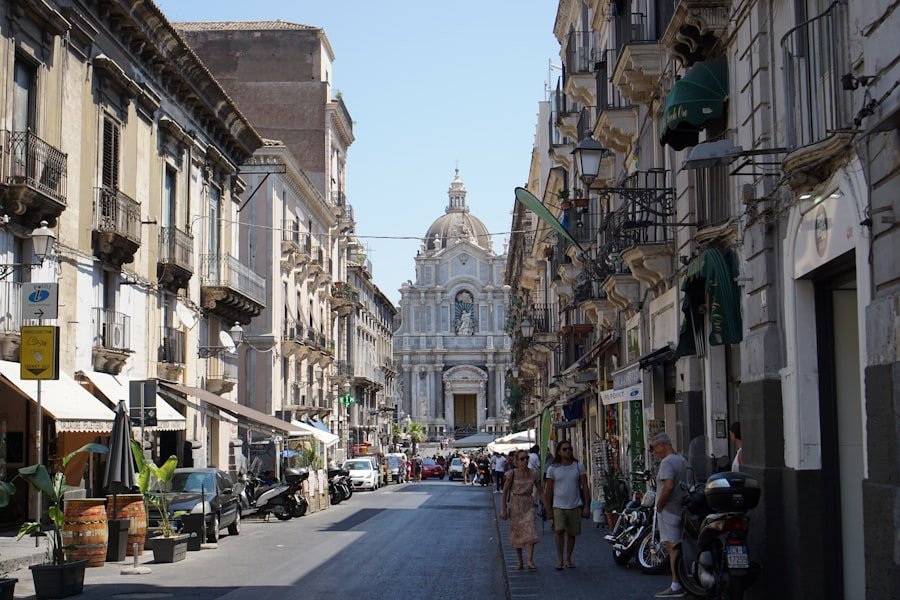
Begin your first morning at Piazza del Duomo, the heart of historic Catania. The square brings together several of the city’s best-known landmarks, including Catania Cathedral, Palazzo degli Elefanti, the Fontana dell’Amenano, and the Fontana dell’Elefante.
Catania Cathedral is dedicated to Saint Agatha, the city’s patron saint. The surrounding streets are a good introduction to the black lava stone and pale limestone that give central Catania much of its distinctive appearance.
In the middle of the square, the Elephant Fountain is one of Catania’s most recognizable symbols. Palazzo degli Elefanti, facing the square, serves as the city’s municipal headquarters.
Walk Through La Pescheria
From Piazza del Duomo, walk behind the Fontana dell’Amenano into La Pescheria, Catania’s traditional fish market. This is one of the best places to experience the city’s everyday rhythm, especially earlier in the day when fish, seafood, produce, meat, cheese, and other foods fill the surrounding market streets.
If you want a quick snack, try an arancino, the Catania form of Sicily’s fried filled rice specialty. You may also encounter panelle elsewhere in Sicily, although they are more closely associated with Palermo than with Catania.
Continue Along Via Etnea
After the market, walk north along Via Etnea. This major city street connects several central squares and makes an easy sightseeing route for a first-time visitor.
Stop at Piazza Università and continue toward Piazza Stesicoro. Here you can see part of the Roman Amphitheatre below modern street level. Much of the ancient structure remains beneath today’s city, but the visible section gives you a useful sense of Roman Catania.
Spend the Evening Around the Historic Center
In the late afternoon, slow down rather than trying to add another major attraction. Explore the side streets around Via Etnea, Piazza Bellini, and the Duomo area, then have dinner in the center.
Pro Tip: Catania is best explored at a walking pace. Leave some unscheduled time on Day 1 for markets, cafés, churches, courtyards, and streets you notice along the way instead of treating the itinerary as a checklist.
Day 2: Discover Catania’s Cultural and Artistic Heritage
See Castello Ursino and the Santa Chiara Museum Complex
Castello Ursino was built under Frederick II of Swabia in the 13th century and later became home to Catania’s Civic Museum. Its collections include archaeological material and works associated with important historic collections such as the Biscari and Benedictine collections.
However, Castello Ursino is currently affected by a major redevelopment project. The Comune di Catania announced the castle’s closure and the transfer of works to the nearby Santa Chiara museum complex. Before planning an interior visit, check the Comune di Catania’s current Castello Ursino notice. You can still see the castle exterior and explore the surrounding neighborhood.
Note: Do not rely on an old guidebook for Castello Ursino. Its opening status has changed during the redevelopment project, so confirm access shortly before your visit.
Experience Vincenzo Bellini’s Catania
Next, make your way toward Teatro Massimo Bellini, named after composer Vincenzo Bellini, who was born in Catania. The theater is one of the city’s major cultural landmarks and Piazza Bellini is worth seeing even when the building itself cannot be toured.
Guided visits to Teatro Massimo Bellini have been suspended during 2026 renovation and fire-safety work. Check the official Teatro Massimo Bellini guided-visit page before adding an interior tour or performance to your schedule.
If you want more Bellini history, consider the Museo Civico Belliniano, housed in the building associated with the composer’s birthplace.
Discover Emilio Greco and Catania’s Art Scene
Catania also has spaces devoted to modern and contemporary art. The Museo Emilio Greco at Palazzo della Cultura contains a substantial collection of graphic work donated by Catania-born sculptor Emilio Greco.
Because exhibitions and temporary programs change, check current listings at Palazzo della Cultura if contemporary art is a priority for your trip.
Visit the Benedictine Monastery
Later in the day, head to the Monastero dei Benedettini di San Nicolò l’Arena. The University of Catania describes it as one of Europe’s largest Benedictine complexes. The site includes layers of architecture from different periods, Roman remains, cloisters, and a hanging garden, and today part of the complex houses the university’s humanities department.
Guided visits are especially useful because much of the site’s appeal comes from understanding how the monastery evolved through eruptions, earthquakes, rebuilding, and later adaptations.
Day 3: Enjoy the Natural Beauty Around Catania
Catania’s relationship with Mount Etna is central to the city’s identity, so a volcano excursion is a natural choice for your third day. Etna is an active volcano, however, and a visit should be planned as a mountain and volcanic excursion rather than an ordinary sightseeing stop.
Warning: Mount Etna’s activity level, weather, trail conditions, and high-altitude access restrictions can change quickly. Before leaving Catania, check the latest INGV Etna updates and local access orders. Italian Civil Protection recommends checking the volcano’s status and using authorized volcanic or alpine guides for high-altitude excursions.
Spend the Morning on Mount Etna
For most first-time visitors, an organized excursion is simpler than trying to arrange every part of the mountain independently. The exact route depends on volcanic conditions, weather, snow, wind, and current access rules.
Do not assume that reaching the summit craters will be possible. Even on a clear day, restrictions may limit how high independent visitors or guided groups can go. Bring water and layers because conditions at elevation can be much colder and windier than in Catania.
Return to the Ionian Coast
After Etna, you can return to Catania for a relaxed afternoon or continue toward the coast if your excursion finishes early enough.
La Playa, south of central Catania, offers a long sandy shoreline. Another option is Aci Trezza, a coastal village north of Catania known for its waterfront and the dramatic Faraglioni rock formations offshore.
Trying to combine a long Etna excursion with several coastal stops can make Day 3 rushed, so choose one relaxed evening destination rather than trying to cover the entire coastline.
Where to Stay in Catania: Accommodation Options for First-Timers
| Accommodation Option | Location | Best For | Booking Note |
|---|---|---|---|
| Hotel Villa Romeo | Via Platamone, near Catania Centrale | Train access and day trips | Check current rates for your exact dates |
| Palace Catania | UNA Esperienze | Via Etnea / city center | Upscale central stay | Central rather than waterfront |
| Palazzo Bruca Catania | Historic center, Via Vittorio Emanuele II | Staying close to Piazza del Duomo | Rates and room types vary by date |
| Apartment or vacation rental, including Airbnb | Various locations | Extra space or self-catering | Check the exact address, reviews, access, and cancellation terms |
For a first visit, the historic center and Via Etnea area are usually the most convenient places to stay because many major attractions are reachable on foot. Staying near Catania Centrale can be useful if you plan several train trips.
Boutique hotels, bed-and-breakfasts, guesthouses, apartments, and larger hotels are all available. Rather than relying on a fixed star rating or review score in a travel article, compare recent reviews and the total price for your actual travel dates.
If you rent a car, check parking arrangements before booking. Central Catania includes restricted-traffic areas and streets where driving or parking can be inconvenient.
During busy travel periods, major events, and holiday weekends, booking earlier gives you a better choice of central accommodation.
Dining in Catania: A Culinary Journey through Sicilian Cuisine
Catania’s food is one of the best reasons to leave space in your schedule rather than filling every hour with attractions.
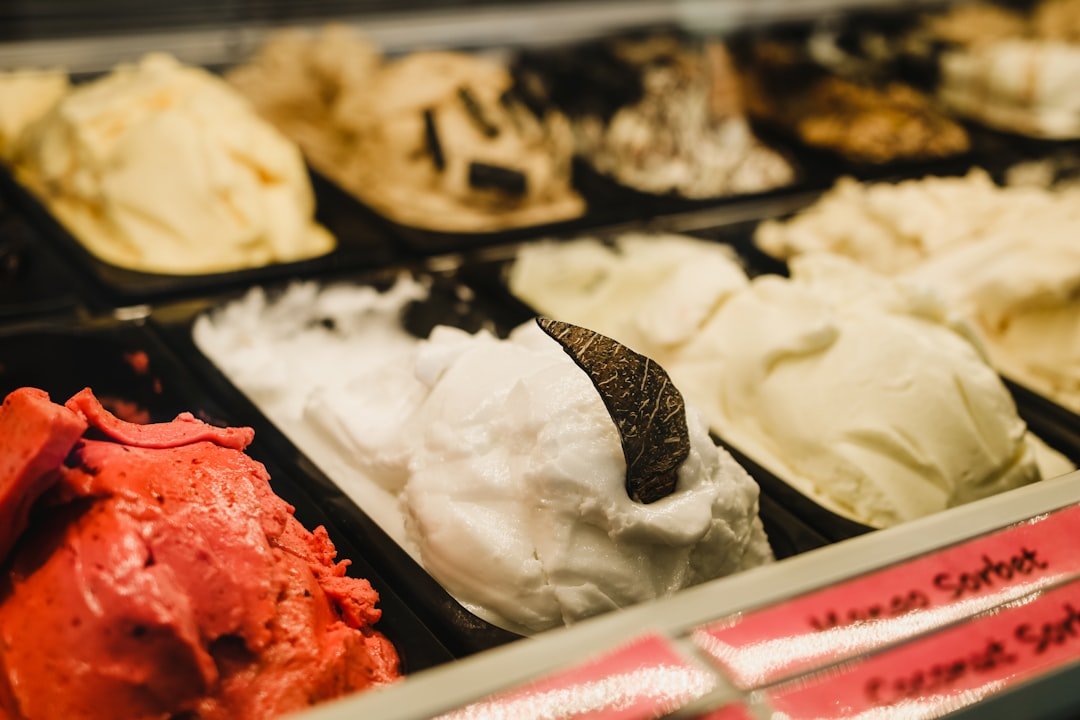
Start with granita and brioche, a classic Sicilian combination that works especially well on warm mornings. Flavors vary by café and season.
For a distinctly Catania dish, try pasta alla Norma. The traditional combination includes pasta, tomato, fried eggplant, basil, and ricotta salata. Sicily’s official tourism information identifies the dish with Catania.
Arancino is another essential Catania street-food choice. In eastern Sicily, including Catania, you will commonly hear the masculine form arancino. Fillings range from traditional meat ragù to butter, pistachio, eggplant, and other variations.
Seafood is another natural choice in a city on the Ionian coast. Menus may include clams, mussels, swordfish, sardines, tuna, and the catch available that day.
You can also explore La Pescheria and other food markets for vegetables, cheese, olives, fruit, spices, and ingredients if you have self-catering accommodation.
For wine, look for Sicilian bottles such as Nero d’Avola as well as wines produced around Etna, including Etna Rosso.
Getting Around Catania: Transportation Tips for First-Timers
Explore the City Center on Foot
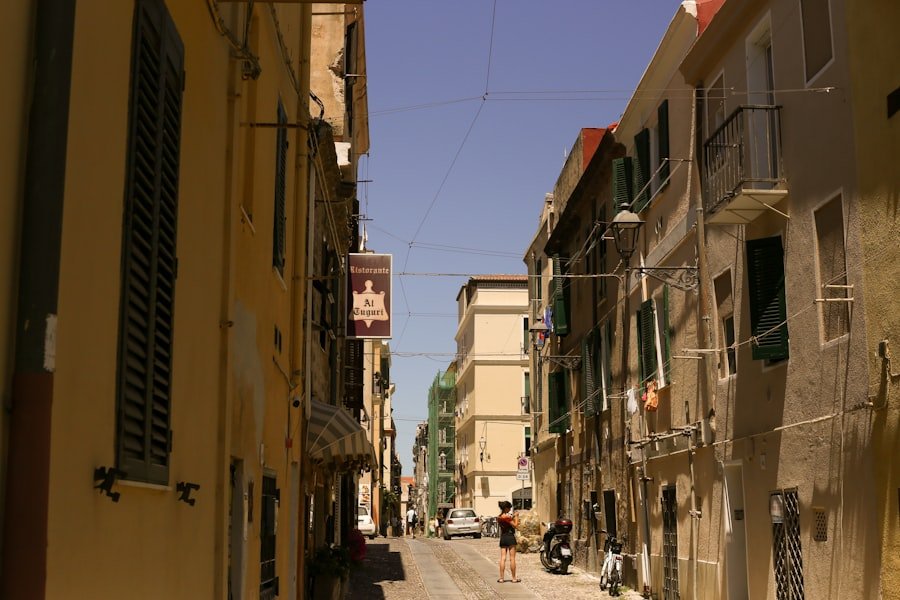
Walking is usually the easiest way to cover the historic center. Piazza del Duomo, Via Etnea, Piazza Stesicoro, Piazza Bellini, La Pescheria, and many churches and museums are relatively close to one another.
Wear comfortable shoes because paving can be uneven and a day of sightseeing can involve much more walking than the map suggests.
Use Buses and the Metro
Catania’s urban public transport includes AMTS buses and the Ferrovia Circumetnea metro. The city does not rely on an urban tram network.
At the time of this September 2026 update, AMTS lists a standard 90-minute urban bus ticket at €1.40 and a daily ticket at €3.50, excluding Alibus. Fares can change, so verify them on the official AMTS ticket page before travel.
For current metro hours and service information, check Ferrovia Circumetnea. Metro schedules can change for works, events, and service updates.
Getting Between the Airport and the City
AMTS operates the Alibus service between Catania Fontanarossa Airport and the city. At the September 2026 update, the official fare is €4, with the ticket also valid on other AMTS urban lines for a total of 90 minutes.
Taxis are another option, particularly if you arrive late, have heavy luggage, or are traveling as a group.
Renting a Car and Using Taxis
A rental car can be useful for parts of eastern Sicily that are awkward to reach by public transportation. It is less useful for moving around central Catania itself.
Before driving into the historic center, check restricted-traffic-zone rules, parking restrictions, and whether your accommodation has private parking. Do not assume you can drive directly to a centrally located hotel or apartment.
Taxis can be convenient for short transfers and late-night journeys but normally cost more than public transportation.
Must-Visit Attractions in Catania: Top Sights for First-Timers
Roman Theatre
The Teatro Romano on Via Vittorio Emanuele II is an ancient Roman theater developed through several phases between the 1st and 4th centuries AD. It once accommodated thousands of spectators and is distinct from Catania’s Roman Amphitheatre.
Roman Amphitheatre
The Anfiteatro Romano is a separate monument at Piazza Stesicoro. Much of the structure remains beneath the modern city, but an excavated portion is visible below street level.
Seeing both sites helps explain how extensively ancient Catania lies beneath today’s streets.
Monastero dei Benedettini di San Nicolò l’Arena
The Benedictine Monastery is one of Catania’s most important architectural complexes and one of the largest Benedictine complexes in Europe. Today it is closely connected with the University of Catania, while guided visits reveal Roman remains, cloisters, gardens, and the many layers of reconstruction.
Palazzo Biscari
Palazzo Biscari is one of Catania’s major Baroque palaces. Construction began after the 1693 earthquake, and its richly decorated interiors provide a different perspective on the city’s aristocratic history.
Shopping in Catania: Finding Unique Souvenirs and Local Products
Catania’s markets and central shopping streets offer a wide range of souvenirs, but the most memorable purchases are usually products connected with Sicilian craft or food traditions.
Look for ceramics, handmade objects, textiles, and traditional Sicilian puppets known as pupi. The puppet tradition is an important part of Sicily’s storytelling heritage.
Food gifts may include olive oil, pistachio products, almond sweets, marzipan fruit, preserves, or regional specialties that can travel safely. Capers from Pantelleria are another well-known Sicilian product, although they come from a different part of the region rather than Catania itself.
Cannoli are best eaten fresh rather than carried around all day. If you want food to take home, ask the shop which products are suitable for travel and check your airline and destination-country rules where necessary.
Nightlife in Catania: Entertainment and Socializing Options for First-Timers
Catania remains lively after dinner, particularly in and around the historic center. Piazza Bellini and nearby streets are useful starting points if you want bars, cafés, and an evening atmosphere without traveling far from the main sightseeing area.
For a quieter night, choose a wine bar and try Sicilian or Etna wines with small plates. If you prefer live performance, check current event listings rather than relying on an old venue schedule.
Zō Centro Culture Contemporanee remains an active cultural venue with programming that can include theater, music, dance, circus, audiovisual work, and contemporary performance. Event calendars change throughout the year, so verify the program for the evening you plan to go.
Day Trips from Catania: Exploring the Surrounding Areas
Taormina
Taormina is one of the most popular day trips from Catania. The hilltop town is known for its historic center, views toward Etna and the coast, and its ancient theater.
Train and bus connections make it possible to visit without a car, although travelers using the railway should remember that Taormina-Giardini station is below the historic hilltop center and requires an additional transfer or climb.
Syracuse and Ortigia
Syracuse is another strong day-trip choice. Its archaeological areas preserve major evidence of the ancient Greek and Roman city, while Ortigia offers Baroque streets, waterfront views, markets, churches, and restaurants.
The Greek Theatre and the archaeological park are separate from much of Ortigia’s sightseeing, so allow enough time if you want to do both rather than treating Syracuse as a short stop.
Mount Etna as a Separate Day Trip
If volcanic landscapes are your main interest, you may prefer to devote your entire third day to Etna rather than combining it with the coast. This gives you more flexibility if conditions, traffic, or an organized excursion take longer than expected.
Practical Tips for First-Timers in Catania
- Learn a few Italian phrases: English is used in many tourism settings, but basic greetings and polite phrases are useful.
- Dress appropriately for churches: Carry a light layer if needed so shoulders and clothing are suitable for religious sites.
- Carry more than one payment option: Cards are widely useful, but a small amount of cash is convenient for markets, small purchases, or technical problems.
- Check opening hours: Museums, churches, markets, and transport timetables can change on Sundays, holidays, during renovations, and for special events.
- Book major excursions ahead: Etna tours and popular guided visits can fill during busy periods.
- Do not overpack the itinerary: Three days is enough for a strong introduction to Catania, but not enough to see every museum, beach, archaeological site, and nearby town.
- Watch the weather and Etna: Mountain conditions can differ dramatically from conditions in the city.
- Allow time to wander: Catania’s markets, courtyards, side streets, cafés, and street life are part of the experience rather than empty time between attractions.
Frequently Asked Questions
What is Catania known for?
Catania is known for its Baroque architecture, historic markets, Roman remains, food culture, connection with composer Vincenzo Bellini, and location at the foot of Mount Etna. Parts of Catania are included in UNESCO’s serial Late Baroque Towns of the Val di Noto World Heritage property.
What are the must-see attractions in Catania for first-time visitors?
Start with Piazza del Duomo, Catania Cathedral, the Elephant Fountain, La Pescheria, Via Etnea, the Roman Theatre, the Roman Amphitheatre, and the Benedictine Monastery. Castello Ursino is also historically important, but check its current redevelopment and access status before visiting.
What should I do during a 3-day Catania itinerary?
Spend the first day in the historic center and markets, the second day exploring cultural and architectural sites, and the third day on Mount Etna if conditions allow. Use the evenings for Sicilian food, Via Etnea, Piazza Bellini, or a relaxed coastal stop.
What is the best time of year to visit Catania?
Spring and early autumn are popular choices because temperatures are often more comfortable for walking than during the hottest part of summer. Summer works well for travelers who prioritize beaches and long evenings, while winter can be quieter. Weather on Mount Etna is much colder and more changeable than at sea level in every season.
What local dishes should I try in Catania?
Try pasta alla Norma, arancino, granita with brioche, cannoli, fresh seafood, and seasonal Sicilian specialties. Pasta alla Norma is particularly associated with Catania and traditionally combines tomato, fried eggplant, basil, and ricotta salata.
Can I visit Mount Etna without a guide?
Lower-elevation access depends on the route and current regulations, while higher areas may be restricted or require an authorized guide. Because Etna is active, always check INGV, Civil Protection, and local access orders before leaving Catania.
Do I need a car for three days in Catania?
No. Most central attractions are walkable, and Catania has buses, a metro, taxis, and regional rail connections. A car is more useful for selected trips outside the city, but central parking and restricted-traffic areas can make it inconvenient for everyday sightseeing.
Sources
- UNESCO World Heritage Centre — Late Baroque Towns of the Val di Noto — supports Catania’s UNESCO status and post-1693 Baroque heritage.
- Comune di Catania — Castello Ursino redevelopment notice — supports the museum closure and transfer of works to Santa Chiara.
- Teatro Massimo Bellini — Guided Visits — supports the current suspension of theater tours during renovation work.
- Italian Civil Protection — Volcanic Risk and Etna Excursions — supports Etna safety, alert, equipment, and access advice.
- AMTS Catania — Tickets and Passes — supports current Catania bus ticket and urban transport information.
- Ferrovia Circumetnea — Metro and Transport Services — supports current Catania metro service information.