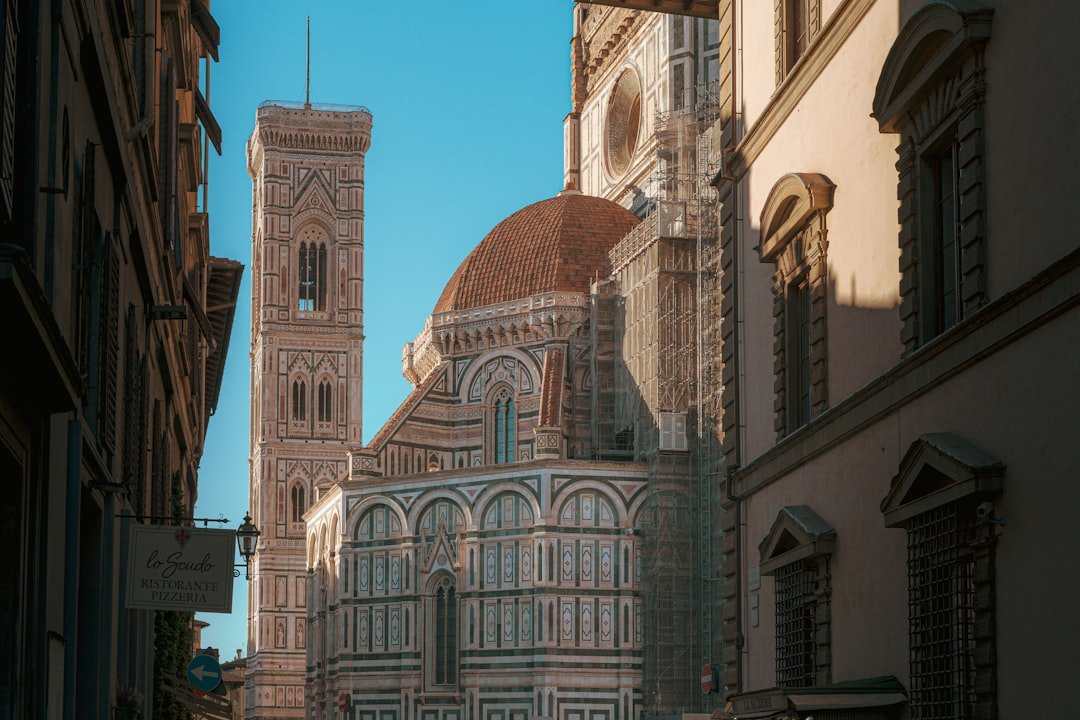
Florence rewards first-time visitors who plan around its compact historic center, timed museum entries, and a few high-demand sights. In three days, you can see the Duomo complex, Renaissance masterpieces at the Uffizi and Accademia, cross the Ponte Vecchio, explore Oltrarno, and still leave room for Tuscan food, gardens, and an evening viewpoint.
Quick Answer
For a first trip to Florence, spend Day 1 in the Duomo and Piazza della Signoria area, Day 2 at the Uffizi and Accademia, and Day 3 in Oltrarno with Pitti Palace, Boboli Gardens, and Piazzale Michelangelo. Reserve major museums in advance and adjust the order around Monday closures.
Key Takeaways
- Day 1 works best for the Duomo complex, Piazza della Signoria, Palazzo Vecchio, Loggia dei Lanzi, and Ponte Vecchio.
- Day 2 is your art-heavy day: book the Uffizi and Accademia at separate timed entries so you are not rushing between them.
- Day 3 is better spent in Oltrarno, Pitti Palace, Boboli Gardens, Santo Spirito, and Piazzale Michelangelo unless you specifically want a day trip.
- The Uffizi and Accademia are normally closed on Mondays, so put your museum-heavy day between Tuesday and Sunday.
- The historic center is highly walkable; buses and trams are most useful for longer hops, the station, Fiesole, or accommodations outside the center.
- Florence has lodging for every budget, but neighborhood choice matters as much as hotel class for a short stay.
- Try Tuscan staples such as ribollita, pappa al pomodoro, lampredotto, and bistecca alla fiorentina rather than treating every meal as a sightseeing stop.
- For quieter art and views, consider Museo di San Marco, Bardini Garden, Brancacci Chapel, or a properly booked Vasari Corridor visit.
- Florentine leather, paper, ceramics, jewelry, and food products make better souvenirs when you buy from established shops or workshops and ask about provenance.
- Spring and early autumn usually bring comfortable sightseeing weather, but Florence can still be busy; reserve major attractions whenever your dates are fixed.
3-Day Itinerary at a Glance
| Day 1 | Duomo complex, Piazza della Signoria, Palazzo Vecchio area, Loggia dei Lanzi, Ponte Vecchio |
| Day 2 | Uffizi Gallery, lunch break, Accademia Gallery, optional Santa Croce or artisan workshops |
| Day 3 | Oltrarno, Pitti Palace, Boboli Gardens, Santo Spirito, Piazzale Michelangelo |
| If Monday Is Included | Use Monday for the historic-center walk, Duomo-area sights that are open, viewpoints, and outdoor stops; schedule Uffizi and Accademia for Tuesday-Sunday. |
Before You Go: Book the High-Demand Sights First
Florence is easy to walk, but its headline attractions are not always easy to enter without a plan. Once your dates are fixed, reserve the Uffizi, Accademia, and any Duomo climb before filling in restaurants or smaller museums. Always buy from the official ticket channels.
As of September 9, 2026, an advance regular Uffizi ticket is listed at €29, while a same-day regular ticket is €25. The Accademia lists a €20 regular ticket and strongly recommends reservations. The Duomo complex uses combined passes; climbing Brunelleschi’s Dome requires the Brunelleschi Pass and a timed entry. Check the official Uffizi ticket page, official Accademia ticket page, and Opera del Duomo ticket page before paying because prices, special openings, and entry rules can change.
Pro Tip: If your three days include a Monday, make Monday your outdoor and historic-center day. The Uffizi and Accademia are normally closed on Mondays, while special openings can occasionally change the calendar.
Day 1: Exploring Florence’s Historic Center
Start at the Duomo Complex
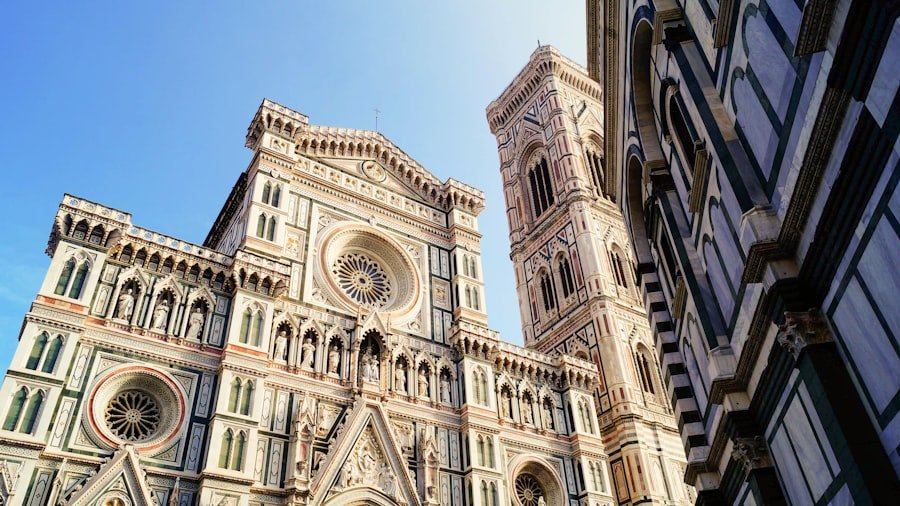
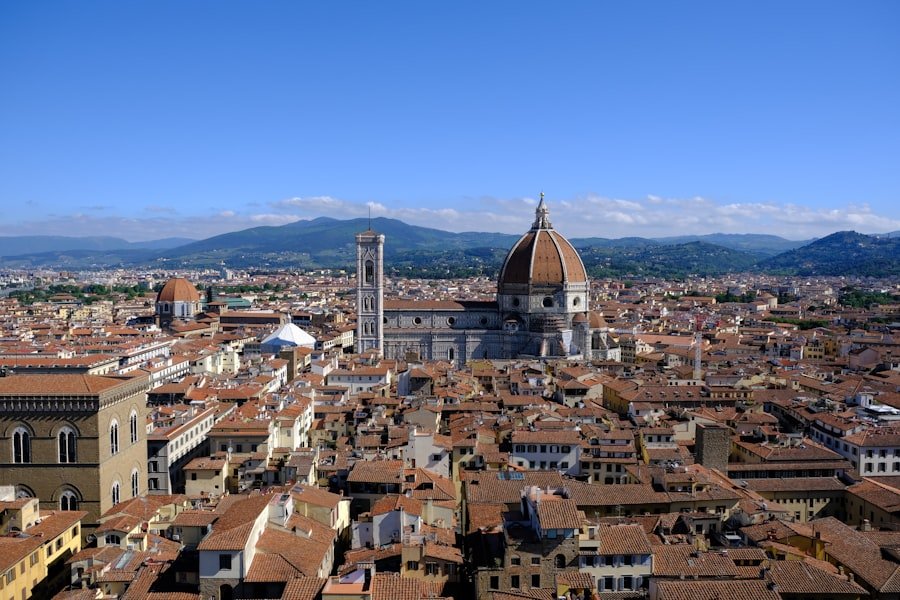
Begin around Piazza del Duomo while your energy is high. Florence Cathedral, formally Santa Maria del Fiore, is the city’s defining landmark, and Filippo Brunelleschi’s dome remains one of the great achievements of Renaissance engineering. If you booked a dome climb, arrive early enough to store any prohibited bags and be at the correct entrance before your timed slot.
Warning: The climb to Brunelleschi’s Dome has 463 steps and no lift. Opera del Duomo advises against the climb for people with heart or respiratory problems, vertigo, claustrophobia, and during pregnancy. Medium and large bags must be left at the designated luggage storage before entry.
If you do not want to climb the dome, spend more time inside the Cathedral, the Opera del Duomo Museum, and the Baptistery. The Cathedral itself is free to enter during tourist opening hours, while the other monuments require the appropriate pass.
Note: The Baptistery’s vault mosaics are currently under restoration and are not visible. The original medieval and Renaissance bronze doors, including Ghiberti’s Gates of Paradise, are preserved in the Opera del Duomo Museum; the doors seen on the Baptistery are replicas.
Discover Piazza della Signoria
Walk south toward Piazza della Signoria, Florence’s historic civic center. The fortress-like Palazzo Vecchio has dominated the square for centuries, and a replica of Michelangelo’s David stands near its entrance. The square also opens onto the Loggia dei Lanzi, an open-air sculpture gallery where you can see works such as Benvenuto Cellini’s Perseus with the Head of Medusa.
If you enjoy political history, you can enter Palazzo Vecchio; otherwise, the square and Loggia provide plenty to see without adding another long museum visit. This is also a good place for a lunch break before continuing toward the Arno.
Cross the Ponte Vecchio
Continue to the Ponte Vecchio for views along the Arno. The present bridge dates to 1345. Its famous goldsmith shops did not begin with the bridge itself: goldsmiths replaced butchers and fishmongers there in 1593. Above the shops runs the Vasari Corridor, built in the 16th century to connect the Medici’s government and residential palaces.
Finish the day with a relaxed walk along the river or an early dinner. Saving the museums for Day 2 keeps your first day from becoming a sequence of queues and galleries.
Day 2: Immersing Yourself in Florence’s Art and Culture
Morning at the Uffizi Gallery
Start with a timed visit to the Uffizi Gallery. Its collections make it possible to trace major developments in Italian painting, with celebrated works by Botticelli, Leonardo, Raphael, Michelangelo, Titian, Caravaggio, and others. Give yourself roughly two to three hours if this is your first visit, rather than trying to stop at every room.
The Uffizi is normally open Tuesday through Sunday and closed on Monday. Advance booking is especially useful on busy dates. Check the official Uffizi visitor page shortly before your trip for current opening times and notices.
Afternoon at the Accademia Gallery
After lunch, head to the Galleria dell’Accademia to see Michelangelo’s original David. The sculpture is the museum’s headline work, but the collection also includes other works by Michelangelo, paintings, and musical instruments. A timed reservation keeps this stop more predictable.
The Accademia is also normally closed on Mondays. Do not schedule both the Uffizi and Accademia back-to-back with no break; security lines, gallery fatigue, and walking time can turn a good plan into a rushed one.
Add One Smaller Cultural Stop
If you still have energy, choose one smaller experience rather than a third major museum. Options include the Museo di San Marco for Fra Angelico’s frescoes, Santa Croce for Gothic architecture and major tombs, or an artisan workshop where you can learn about Florentine leather, paper, jewelry, or restoration traditions.
Day 3: Venturing Beyond the City Center
| Time | Activity | Area |
|---|---|---|
| Morning | Pitti Palace and Boboli Gardens | Oltrarno |
| Afternoon | Lunch and a slow walk around Santo Spirito and artisan streets | Oltrarno |
| Late afternoon / evening | Bardini Garden or walk uphill to Piazzale Michelangelo for a city view | South of the Arno |
Explore Oltrarno, Pitti Palace, and Boboli Gardens
For most first-time visitors, Day 3 is more rewarding if you stay in Florence rather than immediately leaving the city. Cross into Oltrarno, where Pitti Palace and the Boboli Gardens give you a different view of Medici Florence. The gardens are large, sloping, and best enjoyed at a slower pace, especially in warm weather.
Afterward, wander through Santo Spirito and nearby streets for cafes, workshops, and a more residential atmosphere than the Duomo area. End around Bardini Garden or Piazzale Michelangelo if you want a broad city view.
Optional Day-Trip Swap: Fiesole or San Gimignano
If you have already seen the Oltrarno sights, you can replace Day 3 with a trip outside central Florence. Fiesole is the easier half-day option. Its archaeological area includes a Roman theatre, baths, and an Etruscan-Roman temple, and buses connect it with Florence. See the FeelFlorence archaeological-area guide for current visitor information.
San Gimignano is better treated as a full-day replacement, not a quick extra stop. There is no direct train station in the historic town. Rail travelers normally go to Poggibonsi/San Gimignano station and continue by bus, while direct/connecting buses also operate from Florence depending on the timetable. Check the San Gimignano tourist information center’s transport guidance before leaving.
Where to Stay: Accommodation Options in Florence
For a three-day visit, location can save more time than a long list of hotel amenities. Staying around the Duomo puts you close to headline sights but also near the busiest streets. Santa Maria Novella is convenient for train arrivals and departures. Santa Croce and Sant’Ambrogio feel lively without putting you far from the center, while Oltrarno and Santo Spirito work well for travelers who prefer evenings away from the most crowded tourist blocks.
Luxury travelers can consider established properties such as Hotel Brunelleschi or The St. Regis Florence. Boutique and guesthouse options are spread across the center, while budget travelers often look near Santa Maria Novella, San Lorenzo, or the northern edge of the historic core; Plus Florence is one well-known hostel-style option. Compare the exact address, recent reviews, air-conditioning policy, lift access, and cancellation terms before booking.
If you are sensitive to street noise, do not assume that a beautiful central building will be quiet. Ask for a room away from the street, especially around nightlife areas and major piazzas.
Where to Eat: Dining Options for Every Budget
Florentine food is based on straightforward Tuscan ingredients rather than elaborate presentation. Budget-friendly meals can include schiacciata sandwiches, lampredotto, ribollita, pappa al pomodoro, and market food. Traditional trattorias such as Trattoria Mario or Osteria Vini e Vecchi Sapori are names many visitors seek out, but opening days and reservation policies should be checked before you build a day around them.
For a special meal, Florence also has high-end restaurants, including Enoteca Pinchiorri. If bistecca alla fiorentina is on your list, remember that it is a thick steak traditionally cooked very rare and often priced by weight; ask the restaurant how the portion and price are calculated before ordering. Long-running restaurants such as Trattoria da Burde and Il Latini are among the better-known places associated with Tuscan cooking.
Mercato Centrale can be useful when a group wants different foods in one stop, while neighborhood markets and cafes are better for a quick breakfast or snack. For a short itinerary, reserve only the meals you care most about and leave some flexibility.
Getting Around: Navigating Florence’s Public Transportation
Most of the historic center is best explored on foot. Distances between the Duomo, Piazza della Signoria, Uffizi, Ponte Vecchio, and much of Oltrarno are short enough that buses often save little time once waiting and traffic are included.
Florence’s urban buses are part of the Autolinee Toscane network, and the same urban fare system also covers the tram. As of August 1, 2026, the standard Florence urban ticket is €2 and is valid for 90 minutes from validation or activation. Tickets can be purchased in paper or digital form, and contactless payment is available on board. Check the official Autolinee Toscane ticket information for current fares and rules.
Santa Maria Novella is Florence’s main central railway station and is the usual starting point for rail trips to other Italian cities. For regional day trips, check the exact destination before assuming a train goes all the way there; places such as San Gimignano require a bus connection.
Must-See Attractions: Florence’s Top Landmarks and Museums
If you have only three days, prioritize experiences that are distinctive to Florence rather than trying to collect every museum. The Duomo complex gives you architecture, sculpture, and city history in one area. The Uffizi is the strongest choice for Renaissance painting, while the Accademia is the essential stop if seeing Michelangelo’s original David is a priority.
Palazzo Vecchio adds civic and political history. Ponte Vecchio is worth crossing for the river setting and its unusual shop-lined structure. Santa Croce offers major works of art and the tombs of figures including Michelangelo and Galileo. Pitti Palace and Boboli Gardens show the later Medici court on the south side of the Arno.
Do not force all of these into the same day. Florence is more enjoyable when one major museum is paired with outdoor streets, squares, churches, or a meal break.
Hidden Gems: Off-the-Beaten-Path Discoveries in Florence
Bardini Garden is a good alternative or companion to Boboli if you want hillside paths and city views. Museo di San Marco offers a quieter setting for Fra Angelico’s frescoes inside the former Dominican convent. The Brancacci Chapel is another strong choice for travelers interested in early Renaissance fresco painting, but its small space makes advance planning wise.
The Vasari Corridor is no longer simply a hidden passage to admire from outside. It is visitable under controlled access through the Uffizi system and requires a specific ticket/reservation. If this is a priority, check the current Uffizi ticket options before your trip rather than assuming you can enter spontaneously.
Shopping in Florence: Finding Unique Souvenirs and Local Goods
Florence remains closely associated with leatherwork, paper, bookbinding, jewelry, ceramics, and Tuscan food products. Around San Lorenzo you will see many leather stalls and shops, while smaller artisan workshops are scattered through Santa Croce and Oltrarno. Compare construction and materials instead of judging quality only by price or the word “Italian.”
Ponte Vecchio is known for gold and jewelry shops. The bridge itself dates to 1345, but the goldsmith tradition there began in 1593, when goldsmiths replaced the earlier butchers and fishmongers. Via de’ Tornabuoni is the main luxury-shopping street for major Italian and international fashion houses.
For food gifts, look for products that travel well, such as packaged cantucci, olive oil, coffee, or other sealed regional specialties. Keep airline liquid limits and customs rules for your destination in mind.
Tips for First-Timers: Making the Most of Your 3 Days in Florence
- Reserve the big three early: Uffizi, Accademia, and a Duomo climb can sell through desirable time slots.
- Check the weekday: Uffizi and Accademia are normally closed Monday; the Cathedral has separate worship and visitor hours.
- Wear comfortable shoes: Florence involves stone streets, museum floors, stairs, and hills if you walk to Piazzale Michelangelo.
- Dress for churches: The Duomo complex requires appropriate clothing; shoulders and legs should be covered according to the site’s visitor rules.
- Watch your belongings: Keep phones, wallets, and bags secure in crowded squares, stations, buses, and queues.
- Build in breaks: Two major art museums in one day are enough for most first-time visitors.
- Learn a few useful words: buongiorno (good morning/hello), grazie (thank you), and per favore (please) are easy and appreciated.
- Do not over-plan meals: One reserved dinner plus flexible lunches often works better than crossing the city for every restaurant.
- Recheck official sites: Museum hours, restoration work, strikes, special openings, and ticket rules can change after you book your trip.
If you are continuing through Italy after Florence, use the official rail and bus operators to plan the next leg rather than relying on unrelated destination content. Florence is well connected by rail, but some Tuscan hill towns require a bus connection from the nearest station.
Frequently Asked Questions
What is a good 3-day itinerary for first-timers in Florence?
Spend Day 1 around the Duomo, Piazza della Signoria, and Ponte Vecchio; Day 2 at the Uffizi and Accademia; and Day 3 in Oltrarno with Pitti Palace, Boboli Gardens, Santo Spirito, and Piazzale Michelangelo.
What are the must-see attractions in Florence for first-timers?
The most important first-time sights are the Duomo complex, Uffizi Gallery, Accademia Gallery, Piazza della Signoria and Palazzo Vecchio, Ponte Vecchio, and the Pitti Palace/Boboli Gardens area.
What activities should first-time visitors add beyond the major museums?
Take a walking tour, explore Oltrarno and Santo Spirito, visit Boboli or Bardini Garden, watch the city from Piazzale Michelangelo, browse artisan workshops, and try Tuscan dishes at markets, cafes, and trattorias.
Do I need advance tickets for the Uffizi, Accademia, and Duomo?
Advance booking is strongly recommended for the Uffizi and Accademia during busy periods. A Brunelleschi’s Dome climb requires the correct Duomo pass and a timed slot, so book it as soon as your schedule is fixed.
What should I do if one of my three days is Monday?
Put the Uffizi and Accademia on Tuesday-Sunday because both are normally closed Monday. Use Monday for open Duomo-area sights, Piazza della Signoria, Ponte Vecchio, neighborhood walks, churches with compatible hours, and viewpoints.
Is Florence easy to get around without a car?
Yes. The historic center is compact and walking is usually the fastest way between major sights. Buses and trams are useful for longer trips, accommodations outside the center, the railway station, and places such as Fiesole.
Can I visit San Gimignano during a 3-day Florence trip?
Yes, but treat San Gimignano as a full-day replacement for Day 3 rather than an extra stop. There is no direct train into the historic town; rail travelers normally continue by bus from Poggibonsi/San Gimignano station.
What is the best time of year for a first visit to Florence?
April through June and September through October often offer comfortable sightseeing weather, but these periods can still be busy. Winter is cooler and has shorter daylight, while July and August can be hot. Choose based on weather tolerance and book key sights early.
Sources
- Opera di Santa Maria del Fiore — official Duomo tickets and visitor rules
- Uffizi Galleries — official tickets, booking options, and current visitor information
- Galleria dell’Accademia di Firenze — official hours, closures, and visitor information
- Autolinee Toscane — Florence urban ticket validity and purchase methods
- FeelFlorence / Comune di Firenze — Ponte Vecchio history
- San Gimignano Tourist Information Centre — getting to San Gimignano