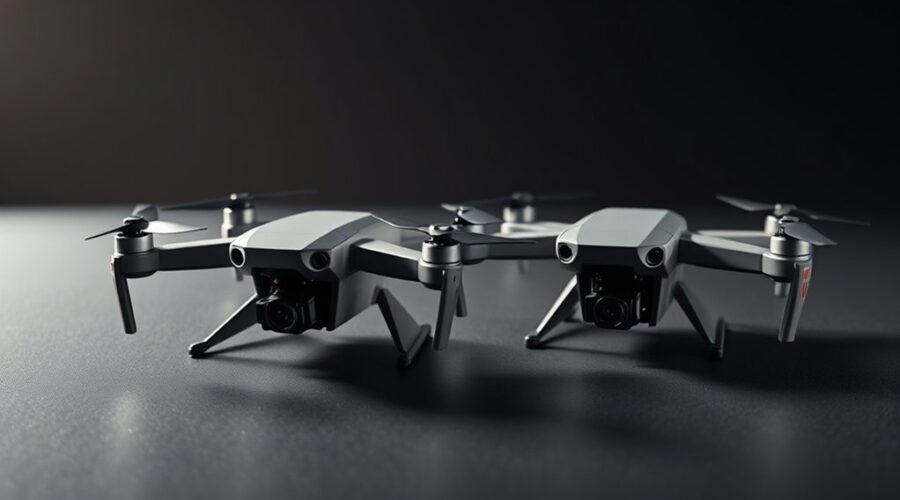
In 2027, the DJI Avata and DJI Avata 2 remain two strong FPV options, but the newer model brings clear changes in image quality, control, and overall usability. The original Avata still has its place for buyers focused on value, yet the Avata 2 adds a larger sensor, smoother 4K recording, and improved stabilization. The real question is whether those gains justify the jump, and the answer is not as simple as it first appears.
Key Takeaways
- DJI Avata 2 delivers a more immersive, agile FPV experience with lighter handling and improved acrobatic control.
- Avata 2’s 1/1.3-inch sensor and 4K 60fps recording produce cleaner low-light, smoother, and more detailed footage.
- Both drones include propeller guards and FAA Remote ID compliance, making them safer for everyday FPV flying.
- Original Avata offers up to 18 minutes of flight time and solid low-latency transmission, but feels less refined.
- Avata 2 supports newer goggles, Motion Controller 3, and LightCut editing, making it the better all-around creator upgrade.
DJI Avata 2 FPV Drone with 4K Camera
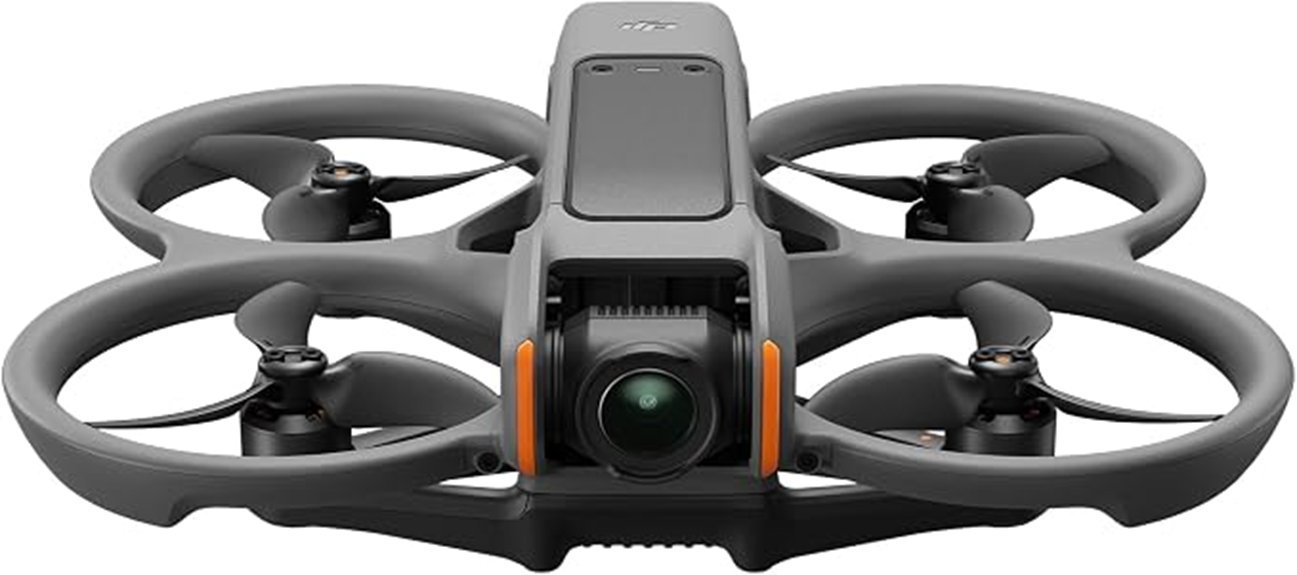
The DJI Avata 2 FPV Drone with 4K Camera stands out for pilots who want an immersive, adrenaline-driven flight experience without sacrificing control or image quality. Goggles provide immediate visual feedback, creating a strong sense of presence and freedom in flight. Hand gestures simplify operation, while flips, rolls, and 180° drifts add accessible acrobatics. Its 4K/60fps camera, 155° field of view, and 1/1.3-inch sensor deliver sharp low-altitude footage. A built-in propeller guard improves safety and durability. Its lightweight design and LightCut app support efficient POV content creation.
Best For: FPV pilots, content creators, and beginners who want an immersive, easy-to-control drone with strong 4K video quality and built-in safety features.
Pros:
- Immersive FPV experience with goggles for immediate visual feedback and a strong sense of presence.
- Easy to operate with hand gestures, plus fun acrobatics like flips, rolls, and 180° drifts.
- Sharp 4K/60fps footage with a 155° FOV and 1/1.3-inch sensor, plus a propeller guard for added safety.
Cons:
- FPV setup can still feel less intuitive than standard drones for first-time users.
- Best experience depends on compatible goggles and controllers, which may add to overall cost.
- Primarily designed for low-altitude, action-style footage rather than traditional long-range aerial filming.
DJI Avata FPV Drone with 4K Video
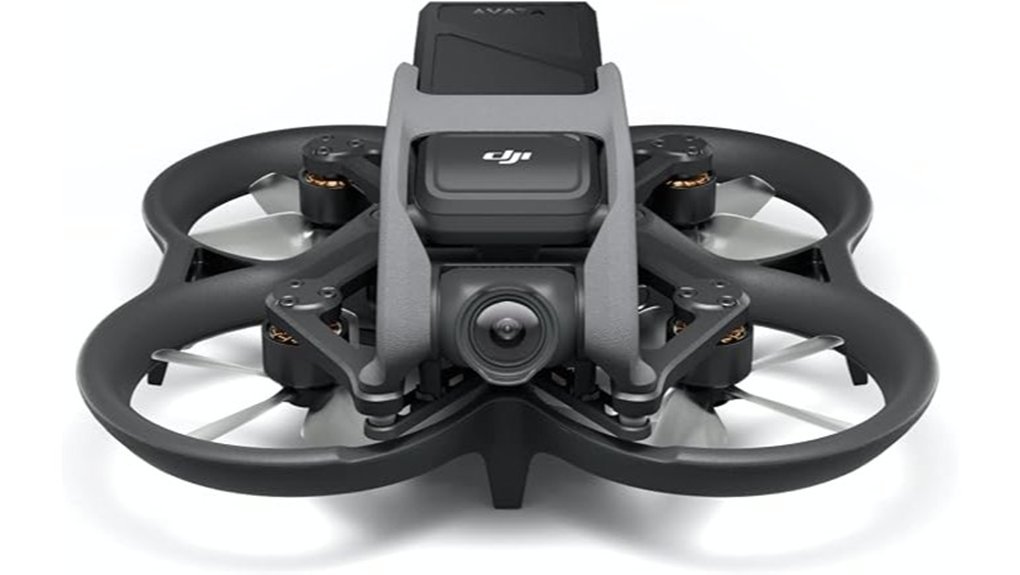
For immersive FPV pilots, the DJI Avata stands out with stabilized 4K video and a super-wide 155° view. Its 1/1.7-inch sensor, compact frame, and built-in propeller guards support confident flying in tight spaces. DJI O3+ transmission provides low-latency control and a range of up to 10 km, while flight time reaches 18 minutes. Compatibility includes the Motion Controller, FPV Remote Controller 2, and several DJI Goggles. FAA Remote ID compliance, a 2420 mAh battery, and MP4 recording complete a capable, regulation-ready FPV package for cinematic use.
Best For: FPV pilots and creators who want an immersive, regulation-ready drone with stabilized 4K video, strong transmission range, and easy maneuverability in tight spaces.
Pros:
- Stabilized 4K video with a super-wide 155° field of view for cinematic FPV footage
- Built-in propeller guards and compact design help make flying safer and more confident
- DJI O3+ transmission offers low latency and up to 10 km range
Cons:
- Up to 18 minutes of flight time is relatively short compared with many camera drones
- Best experience may require buying compatible goggles/controllers separately
- FPV flying has a learning curve and is less beginner-friendly than standard camera drones
Factors to Consider When Choosing DJI Avata Vs DJI Avata 2 Comparison (2026): Is Upgrading Truly Necessary?
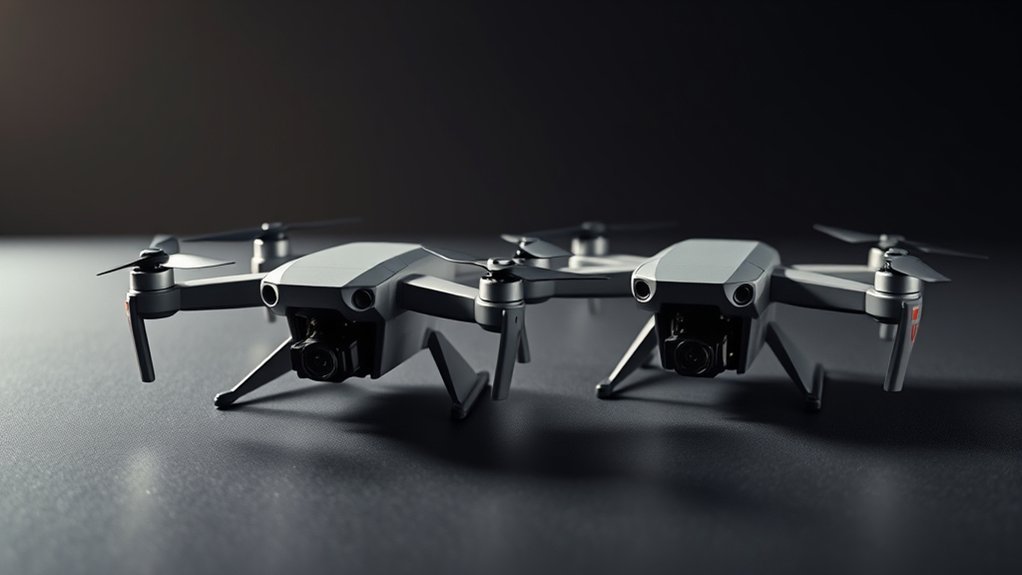
When comparing the DJI Avata and DJI Avata 2, flight experience, camera quality, safety features, controller compatibility, and battery life are the main factors that shape the decision. The newer model may offer refinements, but the older drone can still meet many pilots’ needs depending on use case and budget. Whether upgrading is truly necessary depends on which of these features matters most.
Flight Experience
Flight experience is where the DJI Avata 2 most clearly separates itself from the original Avata, delivering a more adrenaline-driven, immersive feel with near-instant visual feedback through the goggles. Its intuitive gesture controls make acrobatics such as flips and rolls feel approachable, even for users with limited practice. That ease of control can make the aircraft seem more playful and responsive in tight spaces. A built-in propeller guard also adds confidence, letting it move through varied environments with less concern over minor impacts. The original Avata still offers low-latency HD transmission and a capable flying experience, but its older sensor setup can make the overall immersion feel less refined. For pilots prioritizing thrill, control simplicity, and freedom, the newer model provides the stronger flight experience.
Camera Quality
Camera quality is another area where the DJI Avata 2 pulls ahead, especially for users who want cleaner footage without giving up the compact FPV format. Its 1/1.3-inch sensor is larger than the Avata’s 1/1.7-inch sensor, which helps improve low-light performance and overall image clarity. Both drones record 4K video and share the same 155° field of view, so the immersive perspective remains consistent. However, the Avata 2 adds 60fps capture, which delivers smoother motion in fast scenes and makes action footage look more refined. Its upgraded stabilization further supports sharper results during dynamic flying. Both models use MP4 video, but the Avata 2 is more likely to produce richer, more vibrant footage.
Safety Features
Safety features are a key consideration in the DJI Avata vs. comparison. The DJI Avata includes a built-in propeller guard, which adds protection during flight and reduces the chance of damage to the drone or nearby objects. That design can be especially useful for novice pilots and for flights in crowded or confined spaces. Both models also emphasize durability, helping them withstand everyday use while supporting safer operation. Low-latency video transmission improves real-time awareness, giving pilots quicker feedback for better decisions in the air. In addition, FAA Remote ID compliance in both drones supports responsible use by aligning with regulatory safety requirements. Overall, each model offers practical safeguards, though the Avata’s propeller guard gives it a notable edge in physical protection.
Controller Compatibility
Controller compatibility is an important factor when comparing the DJI Avata and DJI Avata 2, since each model supports different DJI goggles and controllers. The original Avata works with the DJI Motion Controller and DJI FPV Remote Controller 2, giving pilots a practical range of control options. Avata 2 broadens that range further, adding support for accessories such as DJI Goggles 3 and DJI RC Motion 3. That wider ecosystem may matter most to users who already own DJI gear, since existing equipment can reduce the need for a full upgrade. Both drones still let pilots choose between controller styles, so personal preference remains relevant. For many buyers, the decision depends less on the drone itself than on which controllers and goggles are already available.
Battery Life
Battery life is one of the more practical factors to weigh in a DJI Avata vs. Avata 2 comparison. The DJI Avata delivers up to 18 minutes of flight time, which is enough for immersive recording sessions and short aerial runs. Its 2420 mAh battery supports that duration within the aircraft’s intended operating limits. Both drones use lithium-ion batteries, a proven choice for efficient energy delivery and long-term reliability in drone use. Battery weight also matters; the Avata’s 0.41 kg mass helps preserve a workable balance between endurance and agility. Temperature can influence performance as well, since battery output may shift in colder or warmer conditions. For many users, these factors make battery life a useful but not decisive consideration when deciding whether an upgrade is necessary.
Transmission Range
Transmission range is another practical factor in the DJI Avata vs. DJI Avata 2 comparison. The DJI Avata offers up to 10 km of range, giving pilots room for longer flights and wider exploration. Both drones use DJI’s O3+ video transmission system, which supports low-latency, high-quality live feeds. That shared technology helps maintain stable control links, but newer models often benefit from stronger connectivity and improved signal reliability. A longer range also adds flexibility when filming in open terrain, urban edges, or mixed environments where distance and obstructions vary. It becomes especially important when planning routes in places with interference, since signal quality can change quickly. For users who value dependable long-distance flying, transmission performance remains a meaningful upgrade consideration.
Content Creation Tools
Content creation tools can influence how efficiently pilots turn flight footage into polished videos. DJI Avata 2 adds the LightCut app, which supplies templates that streamline quick editing and help users assemble professional-looking clips with less effort. Both drones record impressive 4K video with wide fields of view, but the Avata 2’s 1/1.3-inch sensor delivers sharper detail than the original model’s 1/1.7-inch sensor, giving creators more flexibility in post-production. Their immersive flight style also produces distinctive perspectives that suit action, travel, and POV content. Compatibility with multiple DJI goggles and controllers supports customized workflows, while the lightweight, portable design of each drone makes on-the-go capture practical. Overall, both are strong creative tools, with Avata 2 offering a smoother content-building experience.
Upgrade Value
When evaluating upgrade value, the DJI Avata 2 stands out for users who want noticeable gains in image quality, flight smoothness, and ease of use. Its 1/1.3-inch sensor delivers sharper footage and better low-light detail than the original Avata’s 1/1.7-inch sensor. Both drones record 4K video, but the Avata 2 adds 60fps low-altitude capture for cleaner cinematic motion. For beginners, the built-in propeller guard improves safety and may reduce damage risk. Enthusiasts may also appreciate the lighter frame, which supports quicker, more agile control. Content creators benefit from LightCut app templates, which simplify editing. Overall, the upgrade feels most justified for users seeking better visuals, safer flights, and faster workflows.
Frequently Asked Questions
What Safety Features Prevent Crashes in Tight Indoor Spaces?
Obstacle sensing, downward vision, and altitude stabilization help prevent crashes in tight indoor spaces. Propeller guards add protection, while precise hovering and braking reduce drift, letting the drone avoid walls, furniture, and sudden collisions.
How Long Does Each Drone Take to Fully Charge?
It takes roughly 45 to 60 minutes to fully charge the DJI Avata, and about 50 minutes for the Avata 2. Faster charging, steadier readiness, and shorter downtime distinguish the newer drone from the older one.
Which Controller Options Are Compatible With Both Models?
Both models work with DJI Motion Controller 2 and DJI FPV Remote Controller 2; Avata 2 also adds DJI RC Motion 3 and DJI FPV Remote Controller 3, while original Avata excludes those newer options.
Can Either Drone Fly in Windy Coastal Conditions Reliably?
Generally, neither drone is ideal in strong coastal winds, though both can handle mild breezes. As the saying goes, “A stitch in time saves nine.” Careful piloting and weather checks improve reliability considerably.
What Storage Capacity Supports High-Bitrate 4K Recording?
High-bitrate 4K recording is best supported by UHS-I microSD cards rated V30 or higher, with 128GB or 256GB preferred for longer sessions. Larger capacities reduce interruptions, though 64GB remains workable for brief flights.
Conclusion
In the final lap, the DJI Avata 2 rises like a brighter star over the original Avata, offering smoother flight, richer images, and a steadier hand in the sky. The older model still has wings, but the Avata 2 feels more like a finely tuned instrument than a thrill machine. For pilots chasing sharper footage and a more polished experience, it is the stronger finish line.