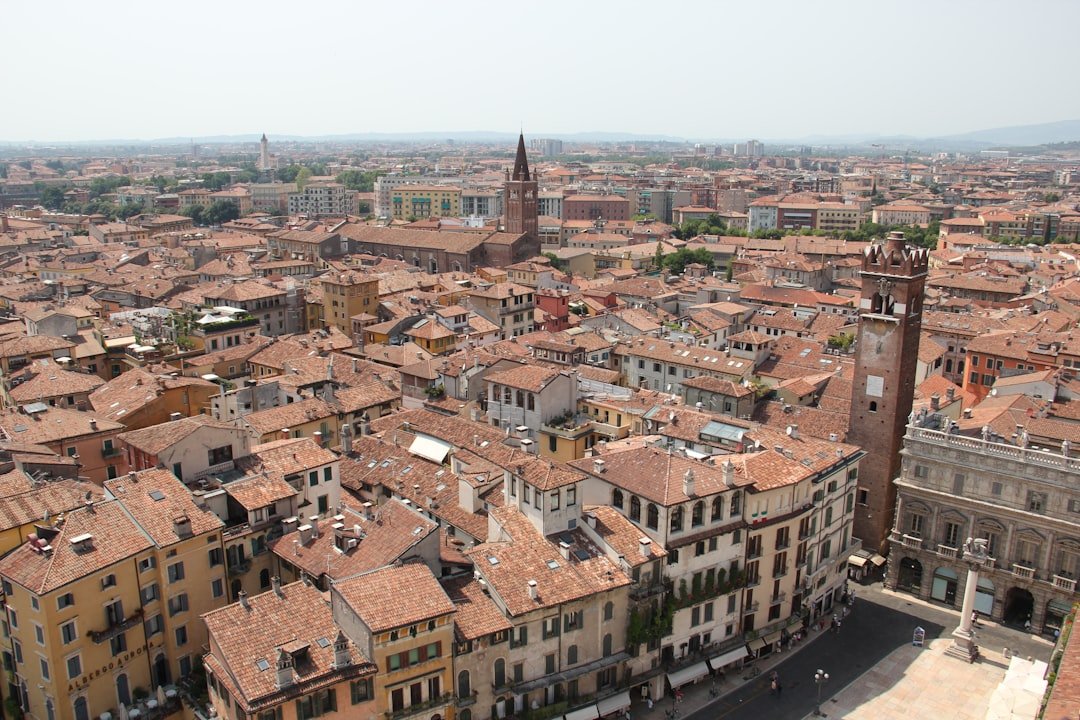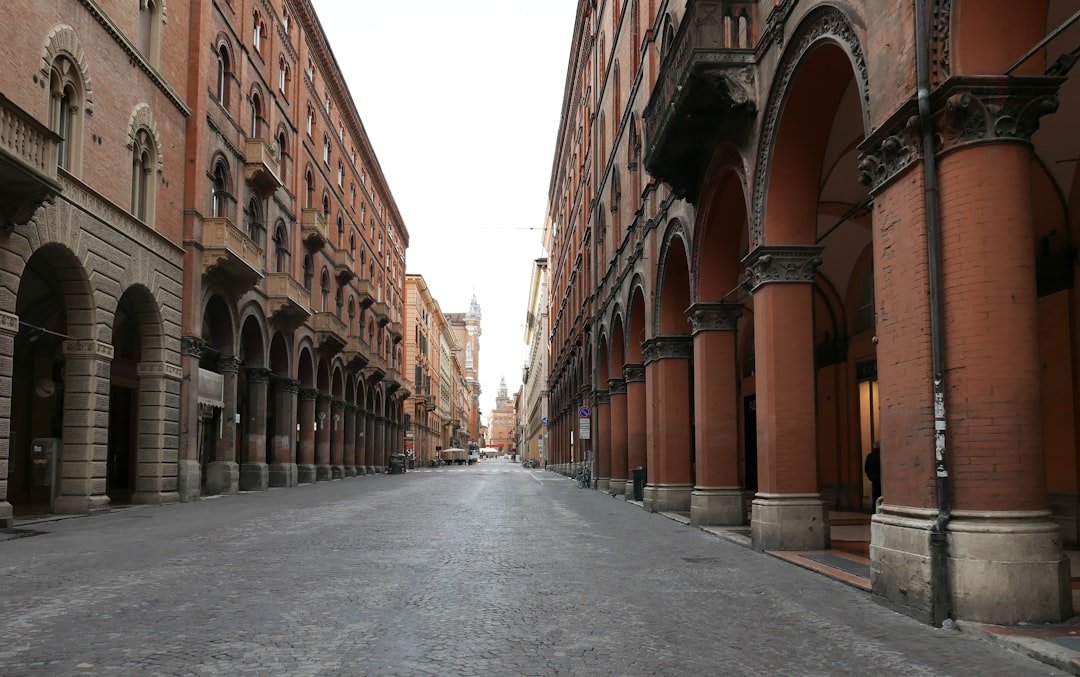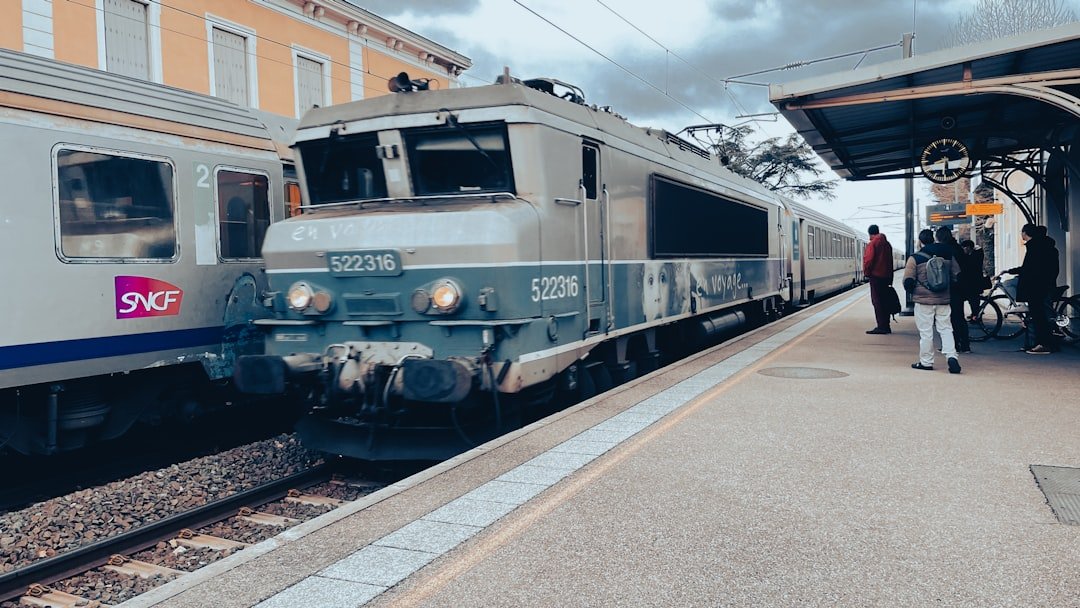
Pisa Centrale makes a practical base for exploring Tuscany and the nearby Ligurian coast without renting a car. You can reach Renaissance art, walled cities, beaches, spa architecture, and medieval hill towns on day trips from Pisa by train, although some destinations require a bus or a carefully timed connection.
Quick Answer
The easiest day trips from Pisa by train are Lucca, Livorno, Viareggio, and Florence. Lucca suits relaxed sightseeing, Florence is best for art, and Viareggio offers the quickest beach escape. Siena, San Gimignano, Montecatini Terme, and Cinque Terre are rewarding but require more travel time or an extra connection.
Key Takeaways
- Lucca, Livorno, Viareggio, and Florence have frequent direct services on many travel dates.
- Siena normally requires a change and takes roughly two hours or more each way.
- San Gimignano has no central railway station, so travel by train to Poggibonsi and continue by bus.
- Montecatini Terme commonly requires a change at Lucca, and its historic funicular operates seasonally.
- Cinque Terre works as a long day trip, but you should focus on two or three villages and check trail conditions before leaving.
Tuscany is known for Renaissance cities, medieval streets, vineyards, olive groves, and coastal landscapes. Pisa is best known for the Leaning Tower, but it also has a long maritime history and a major university founded officially in 1343. Galileo Galilei is one of the prominent figures connected with the University of Pisa.
Before leaving for a day trip, allow time to see Pisa’s Piazza dei Miracoli, Cathedral, Baptistery, and Leaning Tower. You can then use Pisa Centrale for most regional journeys. Pisa San Rossore may be convenient for a few northbound routes, but Pisa Centrale offers the broadest choice of services.
Best Day Trips from Pisa by Train at a Glance
| Destination | Typical Rail Time | Connections | Best For |
| Lucca | About 25–35 minutes | Usually direct | Walls, cycling, towers, and a relaxed pace |
| Livorno | About 12–20 minutes | Usually direct | Canals, seafood, markets, and sea views |
| Viareggio | About 13–25 minutes | Usually direct | Beach time and an Art Nouveau promenade |
| Florence | About 50–75 minutes | Many direct services | Renaissance art, architecture, and museums |
| Montecatini Terme | About 1–1.5 hours | Often one change at Lucca | Spa architecture, parks, and Montecatini Alto |
| Cinque Terre | About 1.25–2 hours to Riomaggiore | Usually one or more changes | Coastal villages, views, and hiking |
| Siena | About 2–2.5 hours | Usually one change | Medieval streets, Piazza del Campo, and Gothic architecture |
| San Gimignano | Allow about 2–2.5 hours total | Train to Poggibonsi, then bus | Medieval towers and hilltop scenery |
Note: These are planning ranges, not fixed schedules. Journey times, transfers, and platforms can change by date, weekday, engineering work, and train type.
How to Use the Train System in Tuscany
Trenitalia operates most regional and long-distance trains used for these trips. Search from Pisa Centrale to the exact destination station and compare the total journey time, number of changes, and arrival station before buying.
Regional trains are generally the simplest option for Lucca, Livorno, Viareggio, Florence, and many connections across Tuscany. Standard regional services normally do not include reserved seats, so buying early does not guarantee a specific seat. Advance purchase matters more for Intercity or high-speed trains with train-specific reservations or restricted fares.
Trenitalia’s Digital Regional Ticket is automatically validated at the scheduled departure time of the selected train. You can normally change its departure time before the train leaves, subject to the ticket conditions. A single paper regional ticket bought from a station machine or ticket office must be validated in a station machine before boarding. Review the current rules on Trenitalia’s regional train information page.
Pro Tip: Search the return journey before leaving Pisa. A destination may be easy to reach in the morning but have a long wait, extra transfer, or no useful bus connection in the evening.
Warning: Strikes, summer construction, bad weather, and special events can change rail and bus services. Recheck the Trenitalia app, station screens, and local bus notices on the day of travel.
Day Trip to Florence from Pisa
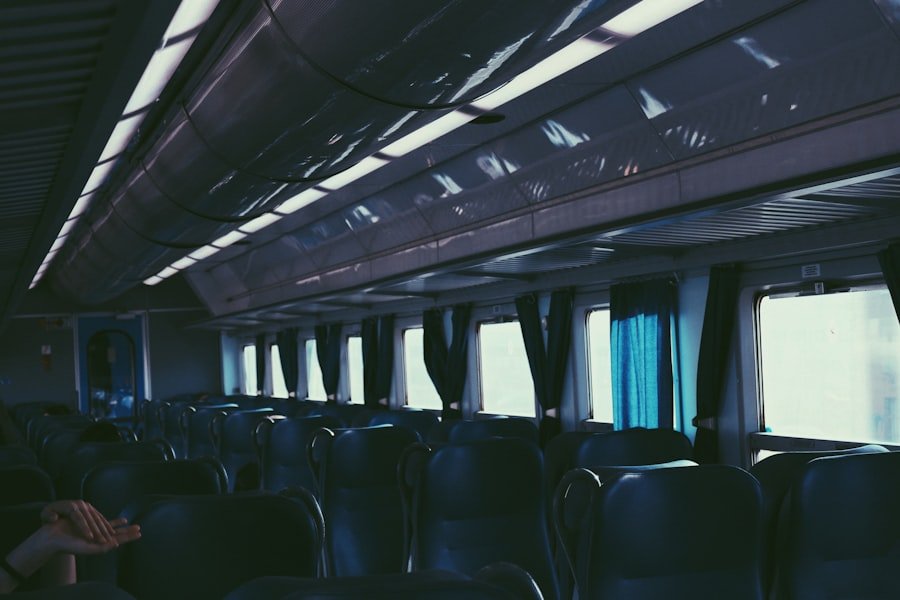
Florence is the best choice when you want major museums, Renaissance architecture, and famous landmarks in one day. Direct trains from Pisa Centrale to Firenze Santa Maria Novella commonly take about 50 to 75 minutes, although the exact time depends on the service.
Santa Maria Novella station sits beside the historic center. You can walk to Florence Cathedral, Piazza della Signoria, the Uffizi area, and Ponte Vecchio without using local transport. The Historic Centre of Florence is a UNESCO World Heritage property known for its extraordinary concentration of Renaissance art and architecture.
Choose one major museum rather than trying to visit everything. The Uffizi Gallery suits travelers interested in Renaissance painting, while the Accademia is best known for Michelangelo’s David. Timed museum tickets are worth booking in advance because attraction queues can consume a large part of a day trip.
For lunch, try ribollita, pappa al pomodoro, lampredotto, or a simple Tuscan pasta dish. Leave enough time to return to Santa Maria Novella because the station and surrounding streets become busy during commuter hours.
Exploring Lucca by Train from Pisa
| Route | Pisa Centrale to Lucca |
| Typical journey | About 25–35 minutes, usually direct |
| Arrival | Lucca station, a short walk from the southern city walls |
| Best plan | Walk or cycle the walls, explore the center, and climb one tower |
Lucca is one of the easiest and most relaxing day trips from Pisa. The historic center is enclosed by Renaissance walls that now form a broad, tree-lined walking and cycling route. The official Lucca tourism site describes the complete circuit as approximately 4.2 kilometers long.
Inside the walls, explore Piazza dell’Anfiteatro, the Cathedral of San Martino, Via Fillungo, and the city’s quieter side streets. The Guinigi Tower is known for the holm oaks growing in its rooftop garden, although reaching the top requires stairs and the tower has no lift.
Renting a bicycle is an easy way to circle the walls, but walking works just as well. Leave time for coffee, gelato, buccellato, or tordelli lucchesi before returning to Pisa.
Visiting Siena from Pisa by Train
Siena requires a longer day. Most journeys from Pisa Centrale take roughly two to two and a half hours and involve at least one change, commonly at Empoli. Check the connection time carefully because a missed regional train can create a long delay.
Siena station is below the historic center. You can continue by local bus, use the escalator system connecting the station area with the upper city, or walk uphill if you are comfortable with a longer climb.
The Historic Centre of Siena is a UNESCO World Heritage property built around Piazza del Campo. Visit the square, Palazzo Pubblico, Torre del Mangia, and Siena Cathedral, but avoid overloading your itinerary because of the long return journey.
The Palio horse races are traditionally scheduled for July 2 and August 16. Weather or other circumstances can cause postponements, so check the Municipality of Siena’s Palio information if you plan to visit around either event. Crowds, road closures, and transport demand increase sharply during Palio periods.
Try pici pasta, ricciarelli almond biscuits, or panforte before leaving. Confirm your final practical connection to Pisa before sitting down for a late dinner.
Discovering San Gimignano from Pisa
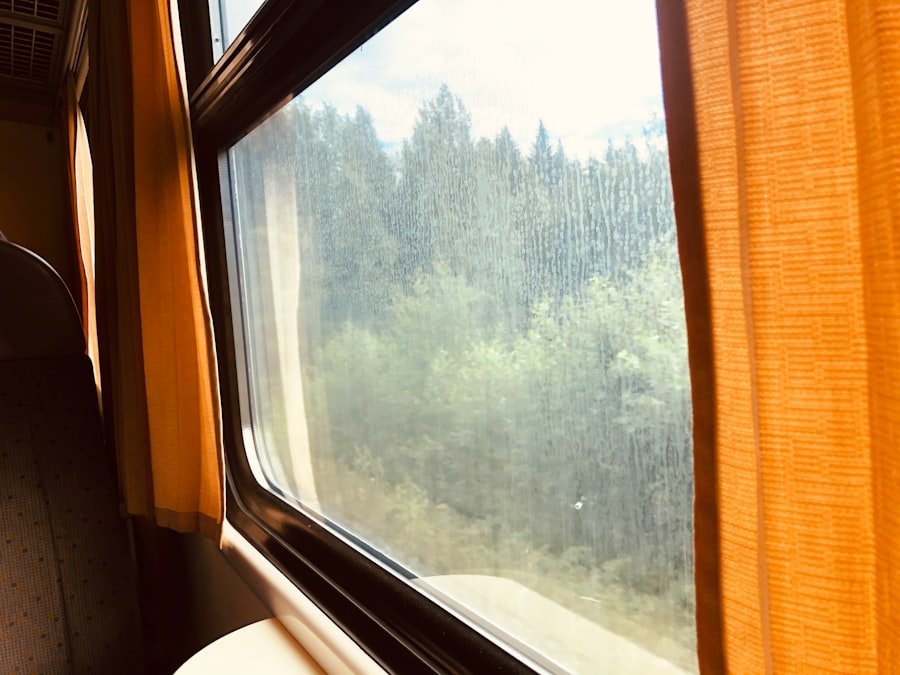
San Gimignano has no central railway station. The usual public-transport route is to take a train from Pisa to Poggibonsi-San Gimignano, often changing at Empoli, and then continue by bus to the walled town.
Autolinee Toscane line 130 connects Poggibonsi with San Gimignano. Service patterns can differ between school days, summer schedules, weekends, and holidays, so match the bus to both your arriving and returning train before leaving Pisa.
The Historic Centre of San Gimignano is UNESCO-listed and is known for its surviving medieval tower houses. Walk through Piazza della Cisterna and Piazza del Duomo, visit the Collegiate Church, and climb Torre Grossa for broad views over the surrounding countryside.
Vernaccia di San Gimignano is the town’s best-known local wine. Shops also sell saffron, ceramics, olive oil, and regional foods, but avoid carrying fragile purchases if your return involves a crowded bus and multiple trains.
Note: San Gimignano is possible in one day, but it is less flexible than Florence or Lucca. Missing the return bus to Poggibonsi can also mean missing your planned train to Pisa.
Day Trip to the Coastal Town of Livorno
Livorno is one of the fastest rail trips from Pisa. Direct trains commonly reach Livorno Centrale in about 12 to 20 minutes, but the railway station is not beside the main waterfront attractions. Continue by local bus or taxi, or allow extra time for a longer walk.
Start with the Venezia Nuova district, where canals and former warehouses reflect Livorno’s maritime history. Mercato Centrale is a useful stop for local food culture, while Terrazza Mascagni offers an open view across the sea.
Cacciucco, a rich local fish stew, is Livorno’s signature dish. Restaurants also serve fried seafood, shellfish, and simple pasta dishes influenced by the port’s multicultural history.
Calafuria and Quercianella lie farther south and require another train, bus, or taxi connection. Treat either location as a separate coastal plan rather than assuming it is within central Livorno.
Exploring Montecatini Terme from Pisa
Montecatini Terme is a historic spa town and one of the eleven components of UNESCO’s Great Spa Towns of Europe. Journeys from Pisa commonly take about one to one and a half hours and may require a change at Lucca.
Check whether your journey arrives at Montecatini Centro or Montecatini Terme-Monsummano. Montecatini Centro is normally more convenient for the central spa area, parks, and historic architecture.
You can walk through the spa park, view the Tettuccio complex, and explore the town’s broad avenues. Access to individual spa buildings, exhibitions, or treatments varies, so check opening information rather than assuming every historic establishment is open for bathing.
The red funicular connects the lower town with Montecatini Alto. It operates seasonally rather than throughout the year. The Municipality of Montecatini Terme publishes current operating dates, hours, and fares.
In Montecatini Alto, wander through the small hilltop center and enjoy views over Valdinievole. For a local sweet, try cialde di Montecatini, thin wafers traditionally filled with an almond and sugar mixture.
Day Trip to Viareggio from Pisa
Viareggio is the simplest choice when you want sea air without spending much of the day on a train. Direct journeys commonly take about 13 to 25 minutes from Pisa Centrale.
From Viareggio station, walk toward the seafront and La Passeggiata. The Viareggio Promenade extends for more than two kilometers and combines sea views, shops, cafes, historic bathing establishments, and Art Nouveau architecture.
Viareggio works well for a flexible half-day or full-day trip. You can spend time on the beach, walk the promenade, explore the Darsena area, or visit the Pineta park. Many beach establishments charge for loungers and umbrellas, while access arrangements vary by section of beach.
During the annual Viareggio Carnival and other major events, trains and streets can become crowded. Check event dates and reserve extra time for the return journey.
Cinque Terre Day Trip from Pisa by Train
Cinque Terre is possible as a day trip from Pisa, but it requires an early start and a focused plan. A journey to Riomaggiore commonly takes around one and a quarter to two hours, often with a change at La Spezia Centrale. Slower connections can take longer.
Do not try to see all five villages unless train timings are exceptionally convenient. Riomaggiore and Manarola make a manageable pair, while Vernazza and Monterosso work well if you want a village walk followed by more time near the water.
The Cinque Terre Train Card can include regional train travel within the park area, local buses, trail access, and other services. Prices vary by date and demand band, so compare the card with ordinary tickets on the official Cinque Terre National Park ticket site.
Hiking routes can close because of weather, landslides, maintenance, or crowd controls. Check the park’s current trail network before planning a village-to-village walk. Access to Via dell’Amore may require a separate reservation or controlled entry.
Warning: Cinque Terre stations and trains can become extremely crowded in peak season. Keep your return route flexible and avoid depending on the final possible connection to Pisa.
How to Plan the Best Day Trip from Pisa by Train
Choose your destination according to total travel time, not only the time shown beside the first train. Include transfers, the walk from the station, attraction queues, and the return journey.
Lucca, Livorno, Viareggio, and Florence offer the greatest flexibility. Montecatini Terme is manageable with a well-timed connection. Siena, San Gimignano, and Cinque Terre are better for travelers who are comfortable with an early start and a longer day.
Keep the sightseeing plan simple. One major attraction, one main walking route, and one relaxed meal often produce a better day than racing between every landmark.
Travelers with reduced mobility should check station assistance, lift availability, cobbled streets, steep routes, and attraction access in advance. Siena and San Gimignano involve hills, while historic towers in Lucca and San Gimignano generally require stairs.
The best rail day trip is not always the farthest destination. A short direct route often gives you more time for museums, food, and unplanned discoveries.
Frequently Asked Questions
What are the best day trips from Pisa by train?
The best options include Florence, Lucca, Livorno, Viareggio, Montecatini Terme, Siena, Cinque Terre, and San Gimignano. Lucca and Florence are the strongest choices for first-time visitors, while Viareggio and Livorno suit travelers who want the coast.
What is the easiest train day trip from Pisa?
Lucca is one of the easiest choices because the train normally takes about 25 to 35 minutes, the route is usually direct, and the station is a short walk from the historic walls.
How long does it take to reach Florence from Pisa?
Many direct trains from Pisa Centrale to Firenze Santa Maria Novella take roughly 50 to 75 minutes. Check the total journey because some slower services make more stops.
Can I visit Siena from Pisa by train?
Yes. Most routes take around two to two and a half hours and require at least one change. Siena station is below the historic center, so include time for a bus, escalator route, or uphill walk.
How do I reach San Gimignano from Pisa without a car?
Take a train to Poggibonsi-San Gimignano and continue by Autolinee Toscane bus, commonly line 130. Check the outward and return bus schedules before leaving Pisa because the connections are not as flexible as a direct train.
Can I visit Cinque Terre from Pisa in one day?
Yes, but start early and focus on two or three villages. Travel to Riomaggiore often takes around one and a quarter to two hours, and most journeys require a change. Check train crowding, park-card options, and trail conditions before travel.
Do I need to validate train tickets in Italy?
A single paper regional ticket must normally be validated before boarding. Trenitalia’s current Digital Regional Ticket is automatically validated at the scheduled departure time of the selected train. Always follow the conditions shown on your exact ticket.
Are all of these trips served by direct trains?
No. Florence, Lucca, Livorno, and Viareggio often have direct services. Siena usually requires a change, Montecatini Terme commonly requires a change at Lucca, Cinque Terre often requires a change at La Spezia, and San Gimignano needs both a train and a bus.
Day trips from Pisa by train let you experience several sides of Tuscany without dealing with rental cars, parking, or limited-traffic zones. Start with Lucca or Florence for the simplest sightseeing day, choose Viareggio or Livorno for the coast, and reserve Siena, San Gimignano, or Cinque Terre for days when you can leave early and manage connections carefully.
Check current transport schedules shortly before departure, keep one clear focus for the day, and leave room for a slow meal or an unplanned walk. The most enjoyable Tuscany itinerary usually balances preparation with enough free time to explore.
Sources
- Trenitalia regional train guidance — regional ticket purchasing, activation, and paper-ticket validation rules
- Trenitalia Toscana — Tuscany rail links and San Gimignano train-and-bus guidance
- Autolinee Toscane line 130 — Poggibonsi, San Gimignano, and Siena bus connections
- UNESCO Historic Centre of Florence — Florence’s World Heritage status and cultural significance
- UNESCO Historic Centre of Siena — Siena’s medieval urban heritage
- UNESCO Historic Centre of San Gimignano — San Gimignano’s towers and historic center