ZTL zones are one of the easiest ways for visitors to receive an unexpected driving fine in Italy. These restricted areas protect historic streets and control congestion, but every city sets its own boundaries, hours, permits, and vehicle exceptions. A route that is legal in the morning may be restricted later the same day.
Quick Answer
A ZTL is an Italian limited traffic zone monitored by signs and, in many cities, number-plate cameras. Do not enter while restrictions apply unless your plate has valid authorization. The safest tourist plan is to park outside the zone and continue by foot, public transport, or taxi.
Key Takeaways
- ZTL maps, operating hours, permits, and vehicle exceptions are set by each city.
- Read the complete road sign and every supplementary panel before crossing a gate.
- Do not assume a GPS route, electric car, hybrid car, hotel booking, or disability parking card gives you permission to enter.
- Ask a qualifying hotel or garage to confirm in writing that your exact license plate has been registered.
- Parking outside the ZTL and continuing by foot or public transport is usually the simplest option.
What Is a ZTL in Italy?
ZTL stands for Zona a Traffico Limitato, which means “limited traffic zone.” Italian cities use these zones to reduce congestion, protect historic centers, improve pedestrian access, and control which vehicles use narrow streets.
A ZTL can cover one street, several sectors, or most of a historic center. Restrictions may operate during weekday business hours, at night, on weekends, during tourist seasons, or all day. A city may also have several ZTLs with different schedules.
Electronic entry gates, called varchi, often photograph or read each vehicle’s license plate. The system compares the plate with a list of authorized vehicles. For example, the City of Florence states that its electronic gates automatically detect the plates of vehicles that pass through them.
A ZTL authorization is usually tied to a specific city, license plate, vehicle category, route, date, or time. Permission in one place does not create permission anywhere else.
How to Read ZTL Signs and Electronic Gates
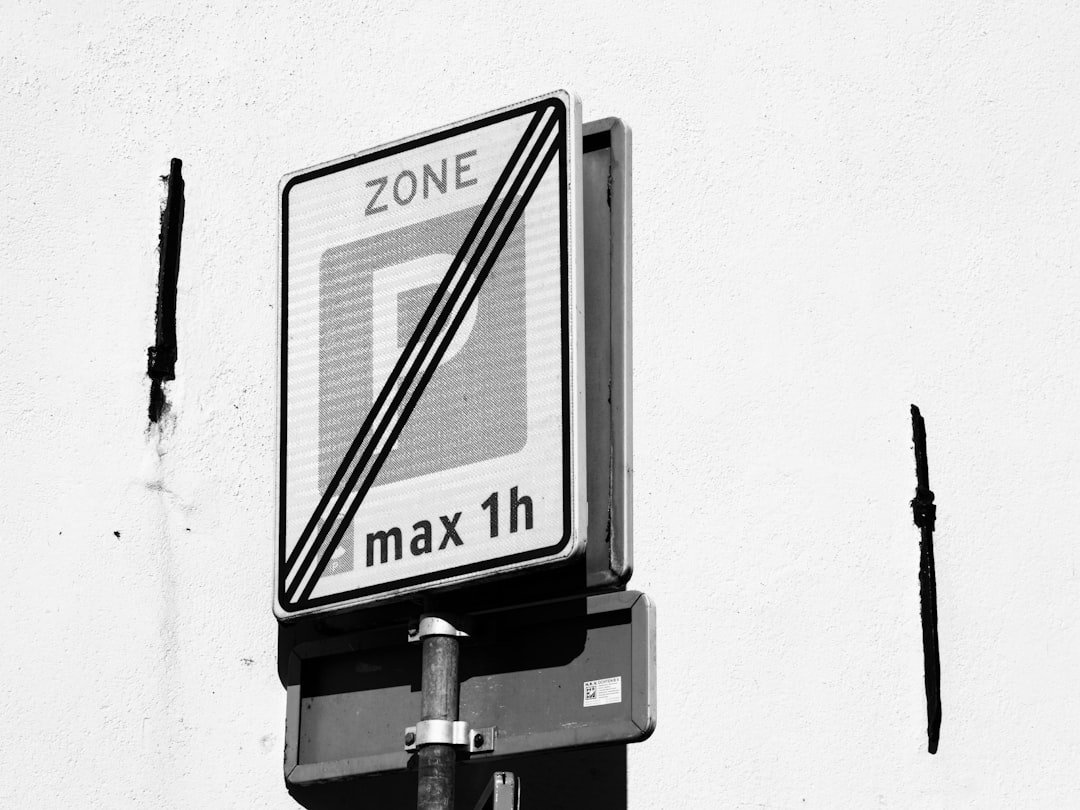
The main ZTL sign normally uses a white circular center with a red border. It may appear with the words “Zona Traffico Limitato,” operating hours, vehicle exceptions, permit categories, or an electronic display.
- Varco attivo: The electronic gate is active. Do not enter unless your vehicle is authorized.
- Varco non attivo: The camera-controlled restriction associated with that gate may not be active at that moment, but you must still read the complete sign. A pedestrian area, bus lane, one-way rule, vehicle restriction, or separate prohibition may still apply.
- Eccetto autorizzati: Entry is allowed only for authorized vehicles.
- Area pedonale: This is a pedestrian area and can have stricter rules than the surrounding ZTL.
Warning: Do not follow another vehicle through a ZTL gate simply because its driver entered. That vehicle may be a resident, taxi, registered hotel guest, emergency vehicle, or permit holder.
Understanding ZTL Rules and Camera Enforcement
There is no single national tourist permit for all Italian ZTLs. Each municipality decides:
- where the restricted area begins and ends;
- which days and hours restrictions apply;
- which vehicles may enter;
- whether entry is free, paid, or permit-only;
- how hotels, garages, residents, and disability-card holders register plates;
- whether any registration can be completed after entry.
Camera enforcement means you may not be stopped when you cross the gate. A notice can arrive later after the vehicle owner or rental company has been identified.
With a rental car, the rental company may provide the renter’s details to the issuing authority. It may also charge a separate administration fee under the rental contract. That fee is not necessarily the traffic fine itself.
Navigating ZTL Zones: Step-by-Step Tips for Tourists
- Check every city before your driving day. Save the current official ZTL map, operating hours, gate locations, and permit page. Recheck them shortly before travel because seasonal rules and event restrictions can change.
- Choose parking outside the restricted area. Save at least two garages or park-and-ride locations in case your first choice is full.
- Do not rely only on GPS. Navigation apps can suggest routes through restricted streets or fail to understand a temporary schedule. The road sign in front of you controls the entry.
- Slow down before the gate. Read the main ZTL sign, the hours, electronic display, vehicle exceptions, and any bus-lane or pedestrian-area signs.
- Do not enter while uncertain. Continue to a legal stopping place and check the official city page, call the accommodation, or ask the garage for directions.
- Keep proof of authorization. Save the hotel email, garage booking, permit receipt, plate-registration confirmation, and a screenshot showing the date and vehicle number.
Pro Tip: Create one phone folder for each city. Save the official ZTL map, your parking reservation, your accommodation’s written instructions, and a photo of the rental car’s license plate.
If Your Hotel or Accommodation Is Inside a ZTL
Some hotels, licensed accommodations, and garages inside a ZTL can register a guest’s license plate. However, the procedure depends on the city and the type of property.
Before driving toward the property, ask these questions:
- Can your property legally register a guest vehicle for ZTL access?
- Does this apply to my type of booking, including an apartment or tourist rental?
- Which exact gate and route must I use?
- When must I provide my license plate?
- Does the authorization cover only entry, or does it also allow parking?
- How long does the authorization remain valid?
- Will I receive written confirmation that my plate was registered?
Do not treat a booking confirmation as a driving permit. For example, Verona allows guests of qualifying ZTL hotels to enter after the hotel registers their plate. However, the city’s current rules distinguish qualifying accommodation businesses from ordinary tourist rentals.
Note: Authorization to drive to a hotel does not automatically give you permission to park on the street. Use the hotel’s approved stopping point or a garage named in its instructions.
Current ZTL Examples in Popular Italian Cities
The examples below were checked against official sources in July 2026. Always verify the rules again before driving because schedules can change for holidays, construction, events, or environmental measures.
| City | Current tourist takeaway | Official information |
|---|---|---|
| Florence | The historic center has several electronically controlled sectors. Daytime restrictions operate on working days, and seasonal night restrictions may also apply. Some gates or lanes remain restricted at all times. Obtain any temporary permit before entry. | Florence ZTL rules |
| Rome | Rome has several central ZTLs rather than one city-center schedule. The Historic Center, Tridente, Trastevere, Testaccio, and San Lorenzo areas can have different daytime or nighttime hours. | Rome maps and schedules |
| Milan | Area C is a paid-access central zone. It is normally active Monday through Friday from 7:30 a.m. to 7:30 p.m., excluding public holidays. An eligible paid entry must be purchased and activated for the correct plate. | Milan Area C |
| Venice | Ordinary vehicles cannot continue beyond the road terminals at Piazzale Roma and Tronchetto. Venice’s visitor access fee is a separate system for entering the historic city on selected dates. | Getting to Venice |
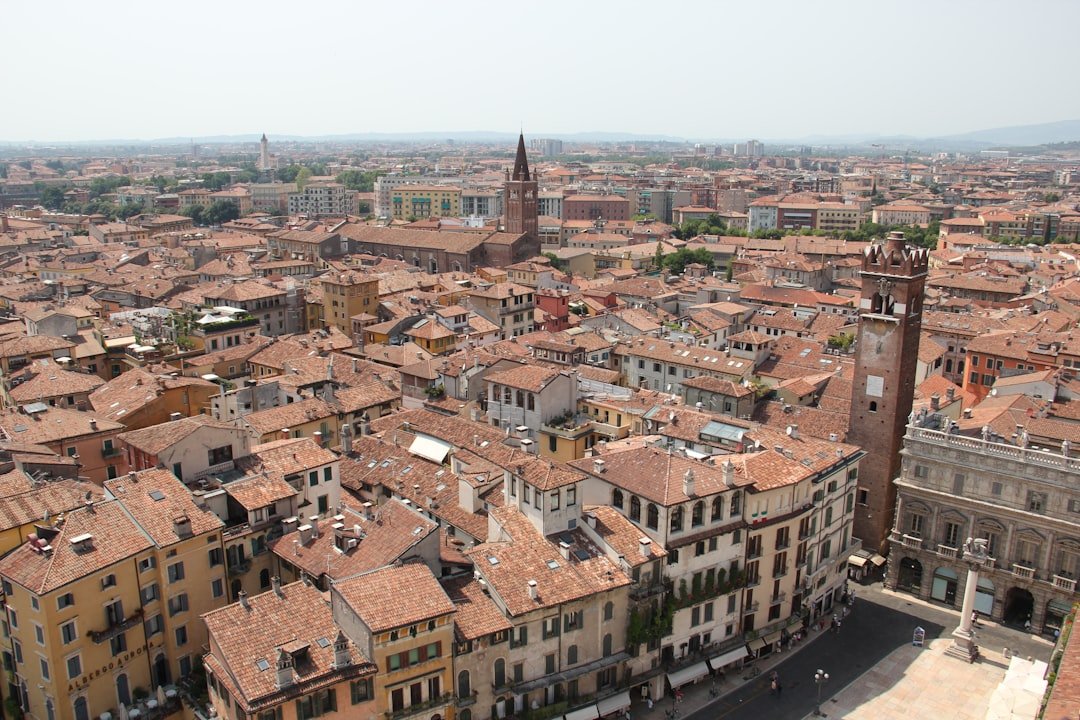
| Verona | Electronic gates monitor the historic center. Qualifying hotel guests may enter after plate registration, but a general tourist booking or ordinary short-term rental does not automatically qualify. | Verona ZTL map and rules |
Venice’s 2026 Access Fee Is Separate from a ZTL
Venice’s historic islands are effectively car-free. Visitors arriving by road must leave their vehicle at or before Piazzale Roma or Tronchetto and continue by foot, water transport, or the People Mover.
The city also operates a separate day-visitor access fee. For the 2026 trial, it applies on selected dates from April 3 through July 26, 2026, between 8:30 a.m. and 4:00 p.m. It does not apply every day.
According to the official Venice Access Fee portal, the 2026 payment is €5 when completed by the fourth-last day before the visit. It is €10 when completed during the final three days or on the entry date. Exclusions and exemptions apply, including procedures for many overnight guests.
A Venice access-fee payment does not authorize a car to drive through pedestrian Venice. It covers the separate visitor-entry system only.
What to Do If You Enter a ZTL by Mistake
- Keep driving safely. Do not reverse, stop suddenly, or make an illegal turn at the gate.
- Leave by the next legal route. Avoid circling through the restricted area or crossing more gates while searching for an exit.
- Record what happened. Note the street, gate, date, time, direction of travel, and the vehicle’s license plate.
- Contact the hotel or garage immediately. Ask whether your entry qualifies for registration and request written confirmation of any action taken.
- Do not assume a permit can be added later. Some local procedures require permission before entry. Florence, for example, states that normal daily permits must be obtained before transit and that ordinary retroactive insertion is not available.
- Keep rental documents and receipts. The rental company may contact you first or charge a contractual administration fee for providing your information to the authority.
- Read any official notice carefully. Use the payment or appeal instructions issued by the municipality. Do not send money through an unofficial link or to an unknown recipient.
Can Electric or Hybrid Cars Enter ZTL Zones?
Not automatically. Vehicle exemptions are local and can change over time.
A city may require an electric vehicle’s plate to be registered before entry, limit access to residents, exclude certain streets, or change its policy. Rome announced changed ZTL rules for electric and hydrogen vehicles from July 1, 2026. Bologna ended general hybrid ZTL access for non-residents on January 1, 2026.
Check the city’s current vehicle-eligibility page using the exact fuel type, emissions class, registration country, and license plate. Never rely only on a rental-company description such as “eco,” “electric,” or “hybrid.”
Drivers with Disability Parking Permits
A disability parking card does not automatically authorize entry into every Italian ZTL. The European Union’s guidance for Italy says drivers should not enter a pedestrian area or ZTL unless local rules specifically allow it.
Some cities require advance registration of the vehicle’s plate and copies of the permit, identification, and registration document. Rome, for example, provides a procedure for holders of disability permits issued by another municipality or foreign country.
Before driving, contact the city mobility office and ask:
- whether the permit is accepted;
- whether the license plate must be registered;
- how far in advance registration must be completed;
- which ZTLs, pedestrian areas, or bus lanes remain excluded;
- whether a foreign vehicle requires extra documents.
Official EU guidance is available on the EU parking card page for Italy.
Exploring Italy’s ZTL Areas: Must-See Attractions
| City | Traffic-limited area | Must-see attractions |
|---|---|---|
| Florence | Historic center ZTL with multiple sectors | Duomo, Uffizi Gallery, Ponte Vecchio |
| Rome | Several ZTLs in and around the historic center | Colosseum, Roman Forum, Vatican area |
| Milan | Area C paid-access central zone | Duomo, Galleria Vittorio Emanuele II, Sforza Castle |
| Venice | Historic islands are car-free; vehicles stop at Piazzale Roma or Tronchetto | St. Mark’s Basilica, Grand Canal, Rialto Bridge |
| Verona | Electronically controlled historic center ZTL | Verona Arena, Juliet’s House, Piazza delle Erbe |
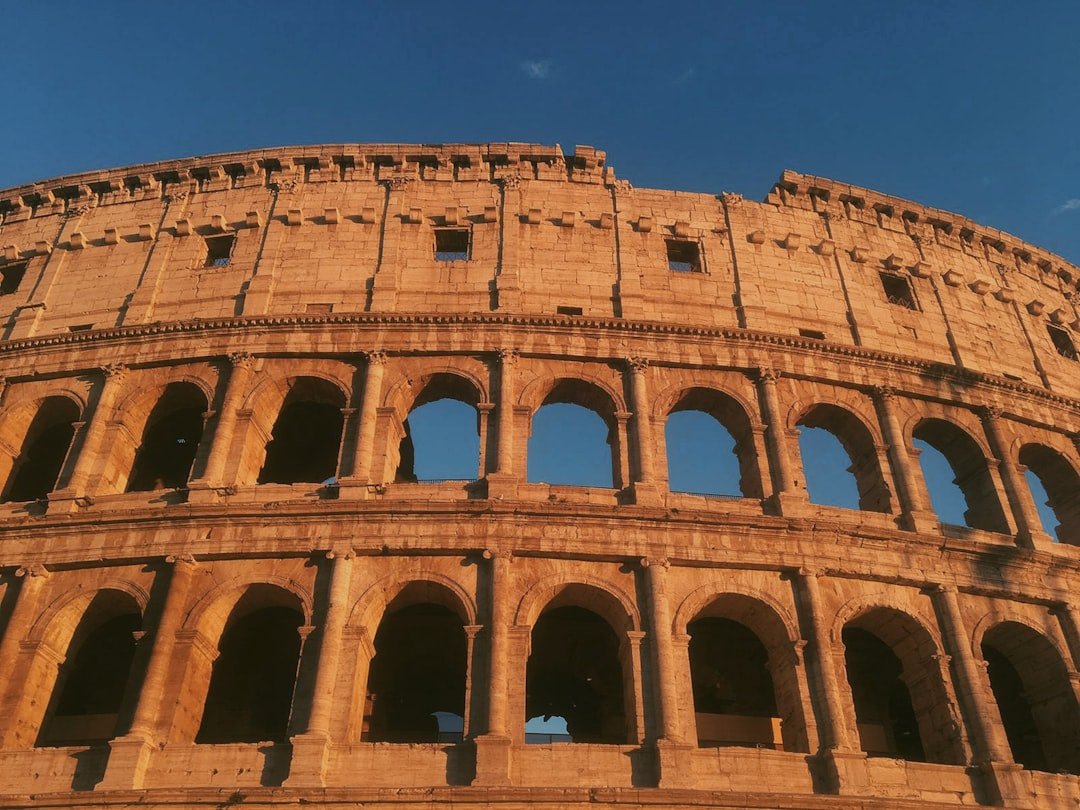
ZTL zones often contain a city’s best-known attractions. Most visitors do not need a car once they reach the historic center. Walking also avoids the stress of narrow streets, one-way routes, permit-only parking, and camera gates.
How to Build a ZTL Map and Parking Plan
Avoid treating ZTLs as one national system. Build a small “map pack” for every city where you plan to drive.
- Save the official ZTL boundary map and gate locations.
- Write down the active hours for your exact travel date.
- Check for seasonal, nighttime, event, and environmental restrictions.
- Save two garages outside the boundary.
- Check the legal route into any hotel or garage inside the zone.
- Keep the accommodation and garage telephone numbers available offline.
- Download an offline city map in case mobile service is weak.
Useful official starting points include Rome’s ZTL information and Milan’s Area C information.
Other Ways to Get Around
In most large Italian cities, you can reach the main sights without driving into the historic center:
- Public transport: Metros, trams, buses, local trains, and water transport connect central attractions.
- Walking: Historic centers are often compact, although cobblestones and hills may affect accessibility.
- Bike sharing: Many cities have app-based bicycle services. The official Bologna visitor information, for example, explains both the city-center ZTL and its bike-sharing options.
- Taxis and licensed car services: These are useful for luggage, late arrivals, and accommodation inside a restricted area.
- Park-and-ride: Outer parking connected to public transport can be easier and less expensive than central garages.
Enjoying ZTL Areas
Restricted traffic can make historic centers quieter and easier to explore on foot. Once your car is legally parked, you can visit markets, cafés, museums, churches, and small streets without worrying about the next camera gate. Early morning and late afternoon often bring lighter pedestrian traffic and softer light for photographs.
Frequently Asked Questions
What is a ZTL zone in Italy?
A ZTL, or Zona a Traffico Limitato, is an area where vehicle access is limited by time, permit, vehicle category, payment, or another local rule. ZTLs are common in historic city centers.
How can tourists identify a ZTL?
Look for a circular white sign with a red border, ZTL wording, operating hours, vehicle exceptions, and an electronic gate display. Read every sign and supplementary panel before entering.
Are tourists allowed to drive in ZTL zones?
Only when the local rules allow their vehicle or their plate has valid authorization. A hotel, garage, paid-entry system, or temporary permit may provide access in some cities, but permission is not automatic.
Can my hotel register my rental car?
Some qualifying hotels and licensed accommodations can register a guest’s plate, but the rules vary. Ask for the approved route, registration deadline, parking instructions, and written confirmation containing the correct plate.
What happens if I drive into a ZTL without permission?
A camera may record the license plate and the municipality may issue a notice later. With a rental car, the company may identify the renter and charge a separate administration fee under the rental agreement.
Can I register my plate after entering by mistake?
Do not assume so. Some hotels or garages have limited registration procedures, but other permits must be obtained before entry. Contact the relevant property or city office immediately and keep written evidence of the response.
Can electric or hybrid cars enter every ZTL?
No. Some cities require plate registration, restrict access to residents, or exclude particular streets and vehicle categories. Check the current city rule for your exact vehicle before entry.
Does a disability parking card allow automatic ZTL entry?
Not always. Local authorization or plate registration may still be required. Contact the city mobility office before travel, especially when using a foreign permit or foreign-registered vehicle.
Is Venice’s visitor access fee a ZTL permit?
No. Venice’s access fee is a separate visitor-entry system. It does not allow an ordinary car to continue beyond the road terminals into the pedestrian historic city.
Are official ZTL maps available online?
Yes. Most city mobility or police websites publish maps, gate locations, schedules, vehicle exceptions, and permit procedures. Use the official municipal version rather than an undated travel blog map.
Sources
- City of Florence ZTL information — historic-center sectors, operating periods, signs, and electronic plate-control gates.
- Roma Mobilità ZTL guide — Rome’s separate central ZTL boundaries, schedules, permits, and vehicle rules.
- ATM Milan Area C guide — Area C hours, vehicle eligibility, payment, and ticket activation.
- Official Venice Access Fee portal — 2026 application dates, operating hours, fees, exclusions, and exemptions.
- Verona Police tourist ZTL access page — hotel-guest plate registration and electronic enforcement.
- Your Europe disability parking guidance for Italy — local checks required before entering pedestrian areas or ZTLs.