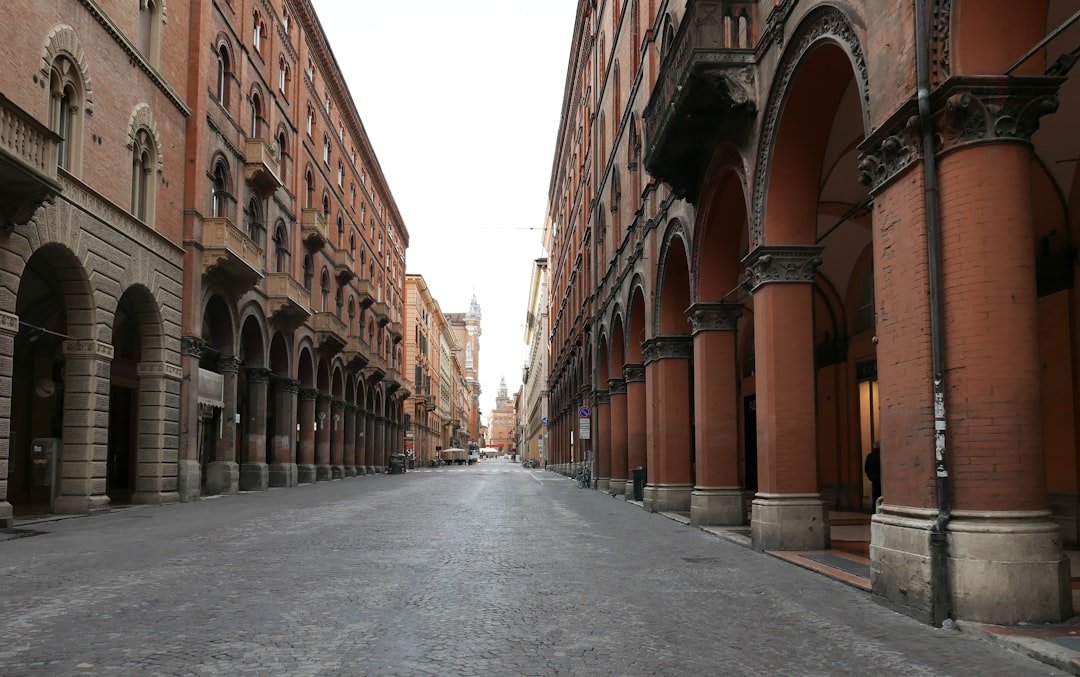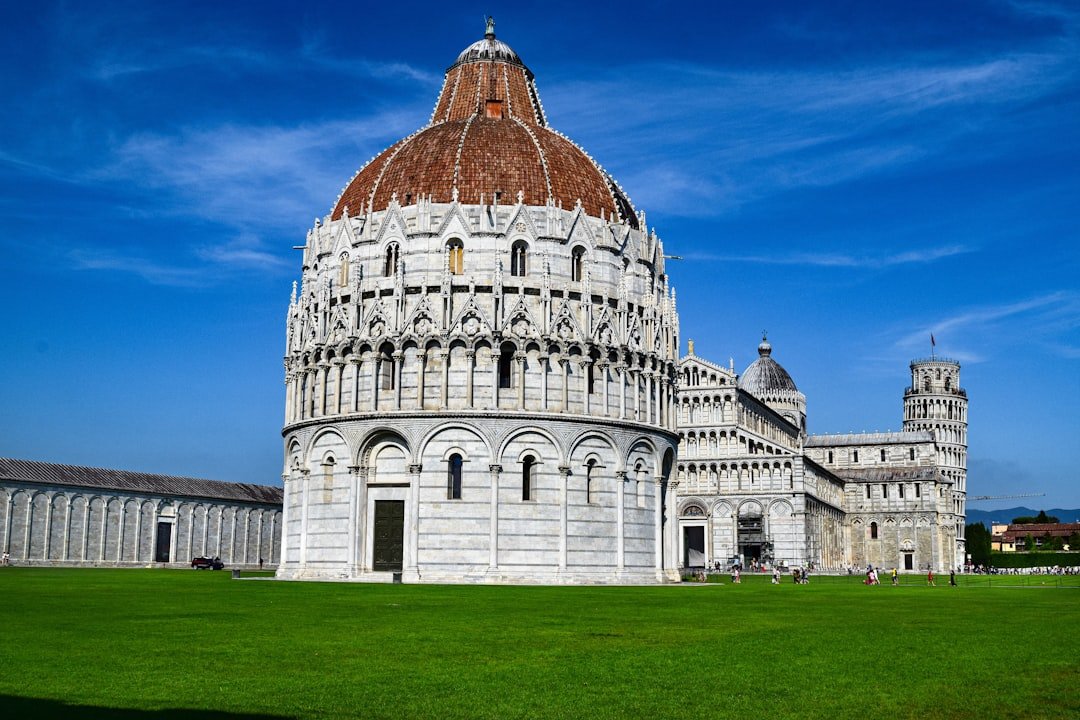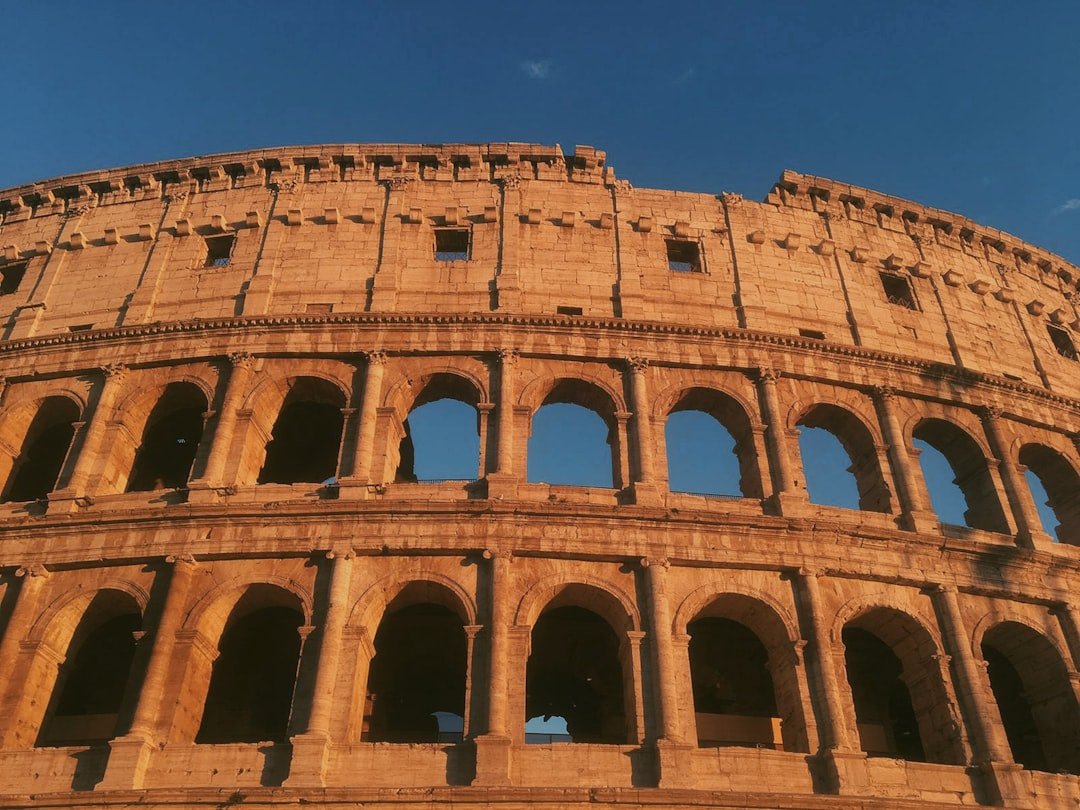
Rome is one of Italy’s best bases for train day trips because you can reach hill towns, Renaissance art cities, archaeological sites, coastal escapes, and food-focused destinations without changing hotels. The easiest choices are places such as Orvieto, Tivoli, Florence, and Naples, while Pompeii, Assisi, Sperlonga, Viterbo, and especially Siena require more time or an additional local transfer. Always check the live timetable for your travel date because engineering works, seasonal schedules, strikes, and service changes can affect journey times.
Quick Answer
For the easiest day trips from Rome by train, choose Orvieto for a hill town, Florence for Renaissance art, Naples for food and city life, or Tivoli for historic villas. Pompeii is possible with extra transfer planning. Assisi and Siena involve much longer rail journeys, so they suit travelers comfortable with an early start and a long day.
Key Takeaways
- Orvieto is one of the easiest hill-town escapes, with a spectacular cathedral and underground caves.
- Florence and Naples work especially well because high-speed trains make the city-to-city journey fast.
- Pompeii offers an exceptional look at Roman life but normally requires more transport planning than Naples itself.
- Assisi is beautiful and historically important, but current direct regional journeys from Rome can take about 2 hours 45 minutes.
- Sperlonga requires an onward transfer from Fondi-Sperlonga station to the coastal town.
- Siena is the least convenient option in this guide for a Rome train day trip because current journeys generally require a change and more than three hours each way.
Best Day Trips from Rome by Train at a Glance
Route Comparison
| Destination | Typical Planning Level | Best For |
| Orvieto | Easy; some regional services take roughly 1 hour 25 minutes | Cathedral, hill-town atmosphere, underground history |
| Tivoli | Easy rail trip; local transport may be needed between sights | Villa d’Este and Hadrian’s Villa |
| Florence | Very easy by high-speed train; fastest Italo journeys are about 1 hour 25 minutes | Renaissance art and architecture |
| Naples | Very easy by high-speed train; fastest Italo journeys are about 55 minutes | Food, historic streets, museums |
| Pompeii | Moderate; allow time for the connection beyond Naples or another service that fits your date | Roman archaeology |
| Sperlonga | Moderate; train to Fondi-Sperlonga plus bus or taxi | Beach, old town, Roman villa |
| Assisi | Long day; current direct regional examples are around 2 hours 45 minutes | Franciscan heritage and medieval streets |
| Viterbo | Moderate to long; thermal baths require onward transport | Medieval center and thermal spa |
| Siena | Ambitious; fastest current examples are more than three hours with a change | Piazza del Campo and Gothic architecture |
Orvieto: One of the Easiest Hill-Town Escapes
Nestled atop a volcanic plateau in Umbria, Orvieto combines sweeping countryside views with architecture, wine, and layers of Etruscan and medieval history. It is one of the most practical choices for travelers who want a smaller Italian town rather than another major city. Current RFI timetables show some regional services covering Orvieto to Roma Termini in roughly 1 hour 25 minutes, although the exact journey depends on the train you choose.
The town’s most recognizable landmark is the Duomo di Orvieto. The cathedral’s first stone was laid in 1290, and its richly decorated façade developed over the following centuries. Official cathedral records describe the façade as a masterpiece of Italian Gothic art, with work beginning around 1310 and reaching architectural completion in 1532.
Beyond the cathedral, Orvieto’s narrow streets contain small shops, wine bars, local food businesses, and viewpoints over the Umbrian countryside. The area is especially associated with Orvieto white wine, including Orvieto Classico.
Another major attraction is the network of underground caves and tunnels beneath the town. These spaces reveal how generations of residents used the volcanic rock beneath Orvieto for wells, storage, workshops, and other practical purposes.
Pro Tip: Do not plan only for the rail journey. Orvieto station sits below the historic center, so include the ascent into the hill town when building your schedule.
Exploring the Ancient Ruins of Pompeii
Pompeii is one of Italy’s most memorable archaeological destinations, but it requires more planning than a simple Rome-to-city high-speed journey. A common approach is to travel rapidly from Rome to Naples and continue toward Pompeii using a local connection. Allow enough time for the transfer and for several hours inside the archaeological park.
Uncovering Daily Life in Ancient Rome
The ruins of Pompeii reveal a complex Roman urban landscape with homes, baths, temples, shops, streets, theaters, and an amphitheater. The contrast between richly decorated residences and more modest buildings helps visitors understand how different groups lived and worked before the eruption of Mount Vesuvius in AD 79.
A Window into Ancient Aesthetics and Culture
Pompeii is especially famous for surviving frescoes and mosaics. The Villa of the Mysteries is one of the best-known examples and remains part of the wider Archaeological Park of Pompeii. Its elaborate wall paintings are among the works that make the site more than a collection of ruined buildings.
A Civilization Frozen in Time
Pompeii is extensive enough to occupy most of a day. Trying to combine a detailed Pompeii visit with a complete tour of Naples usually means rushing both places. Choose your priorities in advance and check the park’s current opening hours and ticket rules before traveling.
Warning: Pompeii is not a quick stop. Wear comfortable walking shoes, allow substantial time inside the archaeological area, and build a generous buffer around your return connection to Rome.
A Day in the Picturesque Town of Assisi

Assisi is a UNESCO World Heritage destination in Umbria and the birthplace of Saint Francis. Its medieval setting and Franciscan sites make it very different from a day in Florence or Naples. However, it should be treated as a long rail day rather than an easy under-two-hour escape. In a current 2026 Trenitalia example, a direct regional train leaving Rome at 07:43 reaches Assisi at 10:28.
The Basilica of San Francesco and other Franciscan sites in Assisi are internationally important for their religious, artistic, and architectural value. The basilica complex includes celebrated medieval paintings associated with artists such as Cimabue, Giotto, Pietro Lorenzetti, and Simone Martini.
Beyond its religious importance, Assisi has steep stone streets, small shops, cafes, workshops, and broad Umbrian views. The Rocca Maggiore fortress rises above the town and adds another historical layer to the visit.
Remember that arriving at Assisi railway station is not the same as stepping directly into the hilltop historic center. Trenitalia also promotes Assisi Link train-and-bus connections, so check the onward transport that best matches your arrival.
Discovering the Beauty of Florence
Florence is one of the easiest major-city day trips from Rome because high-speed rail dramatically reduces travel time. Italo currently advertises its fastest Rome-to-Florence journeys at about 1 hour 25 minutes, making an early-out, evening-return itinerary realistic.
| Category | Visitor Information |
| Historic Status | The Historic Centre of Florence is a UNESCO World Heritage property. |
| Landmark | Cathedral of Santa Maria del Fiore and Brunelleschi’s Dome |
| Major Art Museum | Uffizi Galleries |
| Best Day-Trip Strategy | Choose one major museum plus the historic-center highlights rather than trying to see everything. |
Florence is closely associated with the Renaissance and contains major works by Michelangelo, Botticelli, Leonardo da Vinci, and many other artists. At the Uffizi Galleries, visitors can see Botticelli’s Birth of Venus and Primavera, among many other works.
The Florence Cathedral, or Duomo di Firenze, dominates the city center. Its famous dome was built between 1420 and 1436 to Filippo Brunelleschi’s design. Visitors who reserve the appropriate ticket can climb the dome’s stairway for elevated views of Florence.
The Ponte Vecchio, Piazza della Signoria, and streets around the Duomo are all easy to combine on foot. Museum reservations are especially important on a short visit because waiting in a long ticket line can consume a large part of your day.
Visiting the Historic City of Naples
Naples offers one of the strongest combinations of speed and contrast for a day trip from Rome. Italo currently advertises Rome-to-Naples journeys from about 55 minutes, placing the historic center, food scene, churches, museums, and waterfront within realistic same-day reach.
The Historic Centre of Naples is a UNESCO World Heritage property shaped by many centuries of Greek, Roman, medieval, and later European influence. Landmarks include the Royal Palace of Naples, Castel Nuovo, historic churches, and dense streets filled with everyday city life.
Naples is also inseparable from pizza culture. Rather than relying on a simplified origin story about pizza Margherita, it is more accurate to note that UNESCO recognizes the traditional Art of Neapolitan Pizzaiuolo as intangible cultural heritage. Historic pizzerias, street food, seafood, sfogliatella, and babà all make food a central part of a Naples day.
If archaeology interests you more than a broad city tour, the National Archaeological Museum is a natural anchor for the day. If food and atmosphere matter more, concentrate on the historic center instead of trying to cover the whole city.
The Enchanting Coastal Town of Sperlonga

Sperlonga offers beaches, a whitewashed historic center, and Roman archaeology, making it a good change of pace from Italy’s inland art cities. The important transport detail is that trains do not drop you in Sperlonga’s old town. Rail services use Fondi-Sperlonga station, followed by a bus, taxi, or other road transfer to Sperlonga itself.
Beaches and Relaxation
Sperlonga’s sandy coastline and clear Mediterranean water make it especially attractive in warm weather. Beach clubs commonly provide loungers and umbrellas, while public beach areas give travelers a simpler option.
Steeped in History
Just outside the town is the ancient Roman complex associated with Emperor Tiberius. The National Archaeological Museum of Sperlonga and archaeological area preserve remains and sculptures connected with the imperial villa.
Evening Charm
Sperlonga’s old town contains steep lanes, small squares, cafes, and restaurants overlooking the coastline. Because the return journey includes the transfer back to Fondi-Sperlonga station, check the final practical bus or taxi connection before settling in for a late dinner.
A Day of Relaxation in the Thermal Baths of Viterbo
Viterbo combines a medieval historic center with a long thermal tradition. The best-known commercial spa is Terme dei Papi, whose monumental outdoor pool is supplied by hyperthermal water from the Bullicame spring.
The experience is more than a simple train ride to central Viterbo because the thermal facilities sit outside the historic core. Trenitalia offers a Terme Link option combining rail travel with the connecting bus from Viterbo Porta Fiorentina station, so travelers interested mainly in the baths should compare that connection with a standard city visit.
After the spa, Viterbo’s medieval center offers cobbled streets and landmarks such as Palazzo dei Papi. Local trattorias provide an easy way to end the day before returning to Rome.
Note: Spa operators describe therapeutic uses for some thermal treatments, but travelers with medical conditions should follow their own clinician’s advice and the facility’s admission guidance rather than treating a leisure visit as medical care.
Exploring Siena: Beautiful but a Long Train Day
Siena is one of Tuscany’s most distinctive medieval cities, but it is not one of the easiest day trips from Rome by train. Current schedules commonly require at least one change, and faster examples are still more than three hours each way. That makes Siena better for travelers who strongly prioritize the city and are comfortable with a very early departure and late return.
The historic center is built around Piazza del Campo, where Siena’s traditional Palio horse races are associated with July 2 and August 16 each year, subject to weather or exceptional changes. The city’s preserved Gothic character is one reason the Historic Centre of Siena is recognized by UNESCO.
The Duomo di Siena is another highlight, with striped marble, sculpture, decorated interiors, and works connected with major Italian artists. For an elevated city view, the usual visitor attraction is not a climb of the cathedral bell tower. Instead, the cathedral complex offers the panorama from the Facciatone, the unfinished façade of the planned New Cathedral.
Siena’s narrow streets, artisan shops, local wines, and medieval architecture reward slower exploration. If your itinerary allows it, an overnight stay is more comfortable than spending six or more hours of the day on trains.
Tivoli: Villas and Gardens Close to Rome
Tivoli deserves a place in any guide to practical day trips from Rome because it combines relatively short regional rail travel with two major UNESCO sites. It is particularly good for travelers interested in gardens, Roman architecture, or a quieter day than Florence or Naples.
Villa d’Este is celebrated for its Renaissance palace and extraordinary system of fountains, basins, terraces, and gardens. Its water features influenced later European garden design.
Hadrian’s Villa, or Villa Adriana, is very different. Built in the second century for Emperor Hadrian, the large archaeological complex combines architectural influences from different parts of the Roman world.
The two villas are not side by side, so local transport and walking time matter. If you want to see both in one day, leave Rome early and decide your transfer plan before arrival rather than assuming the train alone covers the entire itinerary.
How to Plan a Train Day Trip from Rome
Check the Exact Train Before Building the Day
High-speed and regional trains behave differently. High-speed services to destinations such as Florence and Naples are usually the easiest to reserve as fixed outbound and return journeys. Regional schedules may involve more stops and can change during engineering work. Check Trenitalia, Italo, or the relevant local transport operator for the exact date.
Count the Last-Mile Transfer
A station name does not always mean you have arrived at the attraction. Assisi’s historic center sits above its rail station, Sperlonga requires onward transport from Fondi-Sperlonga, Viterbo’s thermal baths require another connection, and Hadrian’s Villa is not directly beside Tivoli station.
Reserve High-Demand Attractions
If your day depends on the Uffizi, Brunelleschi’s Dome, Pompeii, or another timed attraction, book the attraction around a realistic rail schedule. Missing a reserved entry because you chose an overambitious train connection can ruin the structure of a short visit.
Leave Return-Time Buffer
Aim to be back near your departure station well before a fixed high-speed train. For destinations with buses or local connections, add even more margin. A delayed local transfer is much easier to handle when your final Rome-bound train is not scheduled immediately afterward.
The best Rome day trip is not necessarily the farthest place you can reach. A destination with a simple journey and six useful sightseeing hours often gives you a better day than a famous city reached after multiple long connections.
If you’re looking to escape the hustle and bustle of Rome for a day, Orvieto, Tivoli, Florence, and Naples are the strongest starting points because their transport is comparatively straightforward. Pompeii, Sperlonga, Assisi, Viterbo, and Siena can also work, but the extra rail time or final transfer should be part of the decision rather than an afterthought.
Frequently Asked Questions
What are some popular day trip destinations from Rome that can be reached by train in under 2 hours?
Florence, Naples, Orvieto, and Tivoli are among the strongest choices. Actual journey times depend on the train and travel date, so check the current timetable before booking.
How long does it take to travel from Rome to Florence by train?
The fastest high-speed journeys can take about 1 hour 25 minutes. Slower trains and services affected by engineering work may take longer.
What are some attractions to visit in Florence on a day trip from Rome?
Good choices include the Cathedral of Santa Maria del Fiore, Piazza della Signoria, Ponte Vecchio, the Uffizi Galleries, and the Accademia Gallery. For a one-day visit, choose one major museum rather than trying to see everything.
How long does it take to travel from Rome to Naples by train?
The fastest current high-speed services can make the Rome-to-Naples journey in roughly 55 minutes, although other departures take longer.
What are some attractions to visit in Naples on a day trip from Rome?
Popular choices include the historic center, National Archaeological Museum, Royal Palace of Naples, Castel Nuovo, churches, traditional pizzerias, and the waterfront. Mount Vesuvius is outside central Naples and requires additional transport and time.
How long does it take to travel from Rome to Orvieto by train?
Journey times vary, but current RFI schedules include regional services taking roughly 1 hour 25 minutes between Orvieto and Roma Termini. Check the exact departure because not every service takes the same time.
What are some attractions to visit in Orvieto on a day trip from Rome?
Highlights include the Duomo di Orvieto, St. Patrick’s Well, the historic center, viewpoints over the Umbrian countryside, wine bars, and Orvieto’s network of underground caves and tunnels.
How long does it take to travel from Rome to Tivoli by train?
Direct regional journeys commonly take roughly 40 to 60 minutes, depending on the departure station and service. You should also allow time for local transport between Tivoli station and the attractions you plan to visit.
What are some attractions to visit in Tivoli on a day trip from Rome?
Villa d’Este is famous for its Renaissance gardens and fountains, while Hadrian’s Villa is a vast Roman imperial complex. Seeing both is possible with an early start and a planned local transfer.
Is Assisi an easy day trip from Rome by train?
It is possible, but it is a long day. Current direct regional examples take about 2 hours 45 minutes, and you still need to reach Assisi’s hilltop historic center after arriving at the railway station.
Is Siena a good day trip from Rome by train?
Siena is possible but inefficient for most travelers. Current faster rail options still take more than three hours and normally require a change, so an overnight stay or a trip from Florence is usually more comfortable.
Does the train from Rome take you directly into Sperlonga?
No. Trains use Fondi-Sperlonga station, and you need a bus, taxi, or other road transfer to reach Sperlonga’s old town and beaches.
Sources
- Italo — Rome to Florence — current high-speed journey information.
- Italo — Rome to Naples — current high-speed journey information.
- Trenitalia — Assisi regional connections — current 2026 Rome-to-Assisi journey examples.
- Opera del Duomo di Orvieto — cathedral history and visitor information.
- Archaeological Park of Pompeii — official archaeological-site and visitor information.
- UNESCO World Heritage Centre — Italy — heritage status for destinations and monuments discussed in this guide.