Switzerland is famous for mountain views, lakes, and great food. It is also easier to visit with celiac disease or gluten sensitivity. More places now label gluten-free choices and understand common risks.
This guide covers gluten-free options across Switzerland—from classic dishes like fondue and rösti to bakeries, supermarkets, and simple travel tips.
Key takeaways
- Many Swiss staples (raclette with potatoes, rösti, most cheeses) are naturally gluten-free. Check sauces, bread, and shared equipment.
- Big retailers like Coop and Migros stock large gluten-free ranges. Local markets add fresh, naturally gluten-free foods.
- When eating out, ask about cross-contact (shared fryers, prep boards) and look for venues listed by local celiac groups.
Traditional Swiss dishes and gluten-free alternatives
Swiss food is filling and often easy to adapt. Cheese fondue is usually served with bread. Many restaurants can swap in gluten-free bread, potatoes, or vegetables for dipping.
Raclette is a naturally gluten-free favorite when it comes with potatoes, pickles, and onions. Ask about any sauces and side dishes.
Rösti—a crisp potato cake—is naturally gluten-free. It is often served with eggs, cheese, or vegetables. If the dish comes with gravy, ask if it contains flour.
Safety note: In Switzerland, foods labeled “gluten-free” must contain no more than 20 mg/kg (20 ppm) gluten. Always read allergen labels. If you have celiac disease, ask about cross-contact in the kitchen.
Gluten-free bakeries and cafés in Switzerland

Some bakeries and cafés bake without gluten and use flours like rice, millet, teff, or buckwheat. In Zürich, Oni Bakery makes gluten-free baked goods, and Zufreeden Glutenfree Café & Bakery makes food in a dedicated gluten-free kitchen.
Many regular cafés also offer a few gluten-free items. If you are very sensitive, ask if baked goods share ovens, display cases, or utensils with wheat items.
Products Worth Considering

Versatile Baking: Perfect 1:1 substitute for wheat flour in non-yeasted recipes, ideal for gluten-free cookies, cakes, muffins, and pancakes. Simplify your gluten-free baking with this all-purpose flour alternative.

Versatile Baking: Create two 8 in or 9 in round layers, one 9 in x 13 in sheet cake, or 24 cupcakes with this 18 Oz gluten free cake mix (cupcake mix). Perfect for birthdays and special occasions, this mix offers flexibility for various baking needs
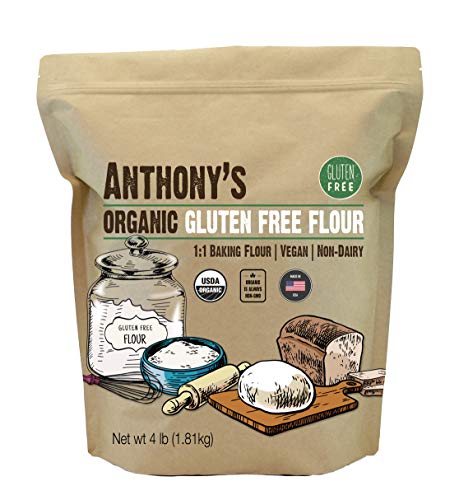
USDA Certified Organic Gluten Free Flour
Swiss chocolate and confectionery
Many plain chocolate bars are made without gluten ingredients. But some chocolates contain biscuits, wafers, or malt. Others may have “may contain” warnings because they share lines with wheat products. Read the allergen panel every time.
In small chocolate shops, ask which items are made without gluten ingredients. Also ask how they avoid cross-contact during filling and packing.
Gluten-free dining in Swiss restaurants
Many restaurants in Switzerland mark allergens and can adjust dishes if you ask. In big cities and tourist areas, gluten-free requests are common. Zürich’s Haus Hiltl is often listed as the world’s oldest vegetarian restaurant. It has a large buffet with many gluten-free-friendly dishes, but you should still ask staff about ingredients and cross-contact.
For more confidence, use local celiac resources and restaurant lists when you plan meals.
Products Worth Considering
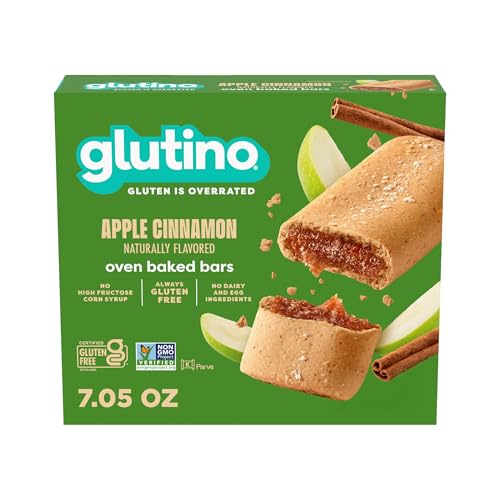
FRUITY & FLAVORFUL - Glutino Oven Baked Bars are packed with delicious apple cinnamon filling, topped with oats, and baked to perfection for a home baked taste you are sure to love.

COMPREHENSIVE GLUTEN-FREE FOOD GUIDE: A complete reference chart listing safe gluten-free foods and foods to avoid for people with celiac disease or gluten sensitivity - organized by category for quick, confident meal planning.

SWEET & SPICY: Ready‑to‑eat wild caught tuna combined with sweet and spicy peppers and garlic for flavorful, ready to eat sandwiches, salads or quick high protein seafood meals
Gluten-free options in Swiss grocery stores and markets

Products Worth Considering

One 10.5 oz. box of Glutino Swiss Miss Gluten Free Hot Cocoa Flavored Sandwich Cookies, Gluten Free Snacks


Pack of six, 5.29-ounce (total of 31.74-ounces)
Major supermarket chains
Coop and Migros sell many gluten-free products. You will find store ranges like Coop “Free From” and Migros “aha!” plus other gluten-free brands. Choice can differ by store, so larger branches and online shops often have more.
Local markets
Markets are great for naturally gluten-free foods like fruit, veg, cheese, meat, and nuts. If you buy prepared foods, ask about ingredients and cross-contact.
Gluten-free beer and alcohol options in Switzerland
Gluten-free beer is sold in Switzerland. Some beers are brewed from gluten-free grains. Others use methods meant to keep gluten below the label limit. What you can find depends on the area, so check bottle shops and tap lists.
Most wines are naturally gluten-free. Distilled spirits are also usually gluten-free. For flavored drinks and ready-to-drink mixes, check labels.
Swiss dairy products
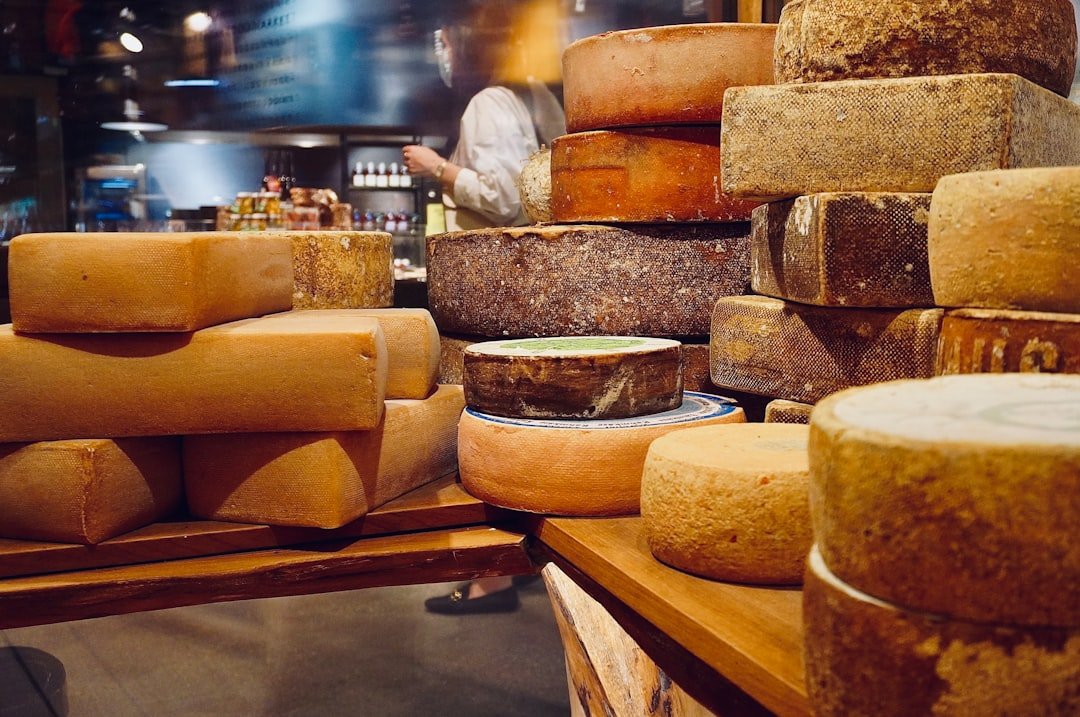
Many Swiss cheeses are naturally gluten-free, including Emmental, Gruyère, and Appenzeller. With yogurt and flavored dairy, check for add-ins like cereal, cookie pieces, or malt.
Gluten-free Swiss breakfast and brunch
Yogurt with fruit and nuts is a simple gluten-free breakfast. You can also find gluten-free muesli and gluten-free oat mixes.
For brunch, egg dishes and rösti plates are common. Some places also offer gluten-free pancakes or waffles. Ask about batter and shared griddles.
Gluten-free travel tips for Switzerland
Many hotels can support gluten-free diets if you tell them early. Tourist offices and local celiac groups can also point you to shops and places to eat.
Tips for finding and enjoying gluten-free options
- Use clear words. “Ich habe Zöliakie” (German), “Je suis intolérant au gluten” (French), “Sono celiaco/a” (Italian).
- Ask about cross-contact. Shared fryers, pizza ovens, and boards are common risk points.
- Check labels often. Recipes and suppliers can change.
FAQs
What does “gluten-free” mean?
It means the food avoids gluten from wheat, barley, rye, and related grains and meets the legal gluten limit when it is labeled as gluten-free.
Is Switzerland gluten-free friendly?
Many people find it easier to eat gluten-free in Swiss cities and tourist towns. In smaller places, you may need more planning.
Does Switzerland regulate gluten-free labels?
Yes. Switzerland sets rules for “gluten-free” claims and uses a limit that matches common global standards (often ≤20 mg/kg). Always read the label on the exact product you buy.
Can I find gluten-free food in Swiss supermarkets?
Yes. Supermarkets often stock gluten-free bread, pasta, flour mixes, and snacks, plus many naturally gluten-free staples.
Are there dedicated gluten-free bakeries in Switzerland?
Yes, especially in large cities. Dedicated gluten-free bakeries and cafés can reduce cross-contact risk.
How do I order gluten-free food in restaurants?
Tell staff if you have celiac disease, ask how they avoid cross-contact, and be cautious with fried foods unless they use a separate fryer.