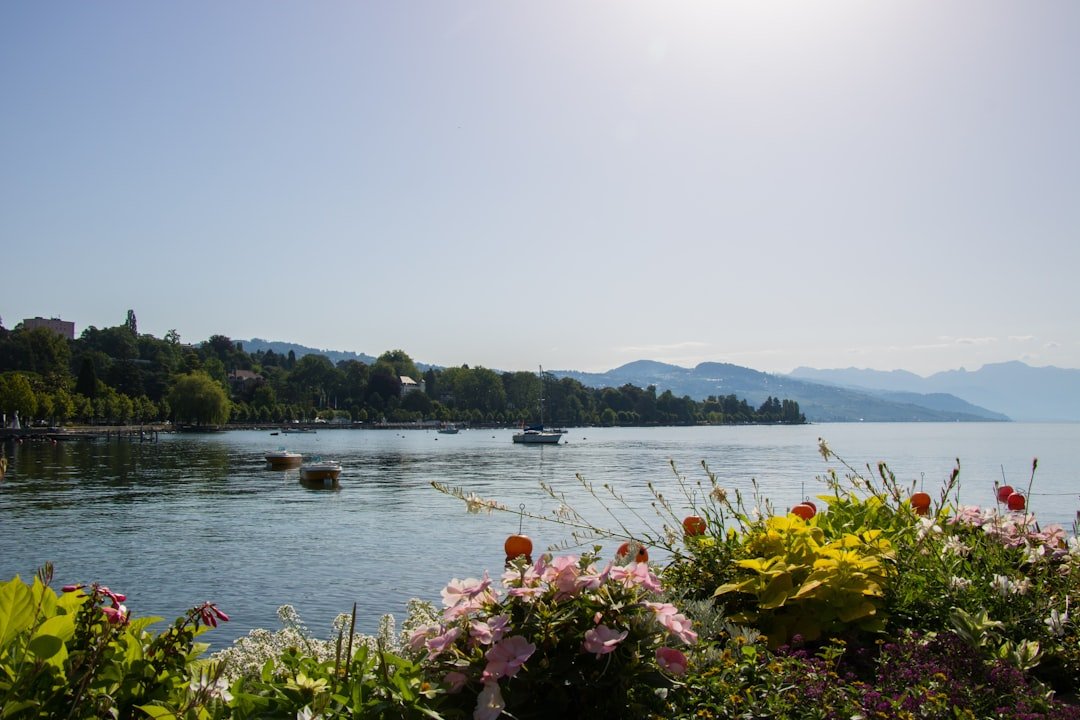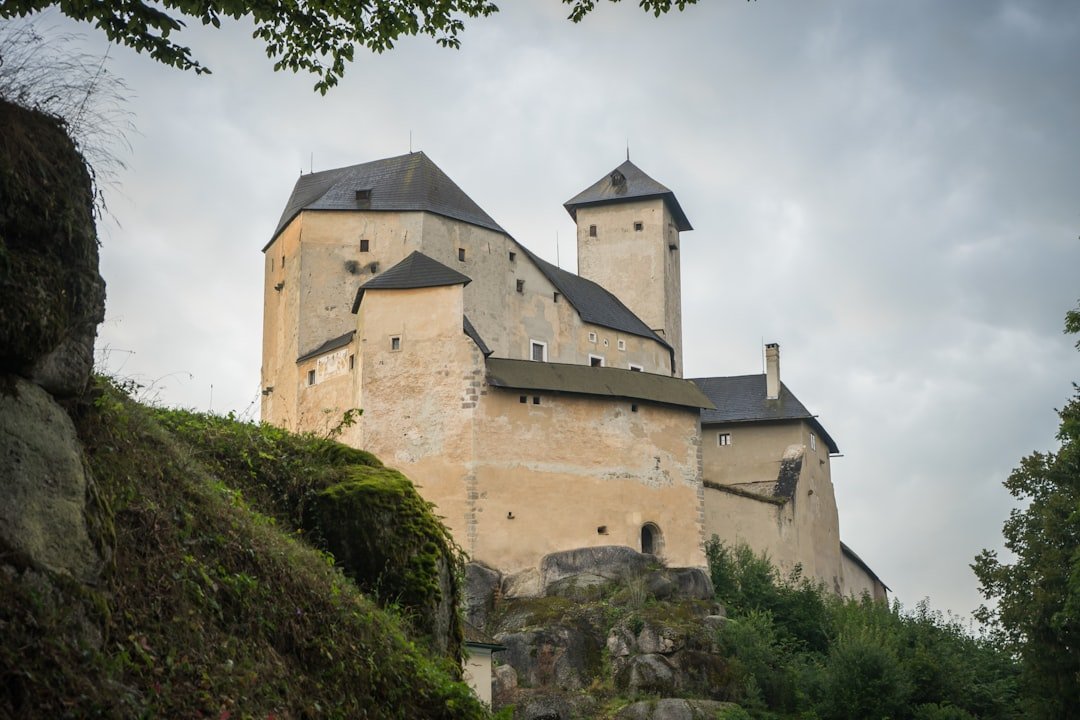
Gruyères Castle rises above the traffic-free medieval town of Gruyères in Switzerland’s canton of Fribourg, with views toward the Fribourg Pre-Alps. The castle is more than a scenic hilltop landmark: its rooms, artworks and architecture trace roughly eight centuries of regional history, from the medieval Counts of Gruyère to Fribourg’s bailiffs and the 19th-century artists who later transformed its interiors.
Quick Answer
Gruyères Castle is a 13th-century historic castle and museum in Gruyères, Switzerland. Most visitors need about one hour for the castle itself. Current adult admission is CHF 13, and the castle is open daily year-round, with longer hours from April through October. The medieval village, cheese dairy and nearby attractions can easily turn the visit into a half-day or full-day trip.
Key Takeaways
- Gruyères Castle was built in the 13th century and is first mentioned in surviving records in 1244.
- Allow about one hour for the castle and temporary exhibition; add several more hours if you also want to explore the village, cheese dairy or Maison Cailler.
- As checked on August 17, 2026, adult admission is CHF 13, with reduced, child and family rates available.
- The castle is open every day, including Christmas and New Year’s Day, but hours change seasonally.
- Gruyères is traffic-free. Drivers park below the town, while public-transport visitors can walk from Gruyères station or use the Gruyères, ville bus stop.
- Wheelchair access is limited because the historic interior contains numerous stairs, so visitors with reduced mobility should review the official accessibility information before arriving.
The castle’s official visitor guidance recommends allowing approximately one hour for a complete visit of the castle and temporary exhibition.
History of Gruyères Castle
The documented history of Gruyères Castle begins in the Middle Ages. According to the official history of Gruyères Castle, the site is first mentioned in surviving records in 1244 and the present castle was built during the 13th century. It became the principal residence of the Counts of Gruyère, one of the leading noble families of medieval western Switzerland.
The medieval fortress was built in a form influenced by Savoyard military architecture. Its enclosure, keep, towers and defensive position helped establish Gruyères as an important regional seat. The counts were vassals of the House of Savoy and governed substantial lands from the castle for centuries.
During the 15th century, Count Louis oversaw extensive changes that made the fortified complex more suitable as a noble residence. Stone galleries and larger windows changed the character of the building, a staircase tower was added, and a chapel was installed in a former defensive tower.
The rule of the Counts of Gruyère ended after Count Michel suffered severe financial problems. His properties were confiscated by his principal creditors, Bern and Fribourg, in 1554. Fribourg subsequently controlled the Gruyère territory and installed bailiffs at the castle beginning in 1555.
Those bailiffs administered justice, finances, taxation and regional estates from Gruyères until the end of the Ancien Régime. Their successors continued to occupy the castle until 1848, when the district administration was transferred to Bulle.
In 1849, the Bovy brothers from Geneva acquired the castle at auction. The Bovy family and later the Balland family restored and reimagined many rooms. Daniel Bovy also invited painters, writers, sculptors and musicians to Gruyères, turning the castle into a lively artists’ residence. Works associated with artists such as Jean-Baptiste Camille Corot and Barthélemy Menn remain part of its artistic story.
The Canton of Fribourg later reacquired the property, and the castle opened to the public as a museum in 1939. Today, its interiors combine medieval objects, later furnishings, works of art and decorative schemes from several distinct periods rather than representing only one moment in the castle’s history.
Gruyères Castle Opening Hours, Tickets and Visit Time
The following information was checked against the official Gruyères Castle visitor information on August 17, 2026. Prices and operating details can change, so the official page is the best place to confirm details immediately before your trip.
| April–October | 9:00 am–6:00 pm |
| November–March | 10:00 am–5:00 pm |
| Last admission | 45 minutes before closing |
| Adult ticket | CHF 13 |
| Senior / student | CHF 9 |
| Child age 6–15 | CHF 5 |
| Under age 6 | Free |
| Family ticket | CHF 29 for 2 adults and up to 3 children |
| Typical castle visit | About 1 hour |
The castle is open every day of the year, including Christmas and New Year’s Day. Garden access is seasonal, so check the official information page if the garden is an important part of your visit.
Combined adult tickets are also available. At the time of this update, the castle lists a CHF 17 combination with La Maison du Gruyère, CHF 20 with the HR Giger Museum and CHF 18 with the Tibet Museum.
Pro Tip: One hour is enough for a focused castle visit, but allow at least half a day if you want lunch and time in the medieval village. For the castle, cheese dairy and Maison Cailler in Broc, plan a full day.
Touring Gruyères Castle: What to See and Do
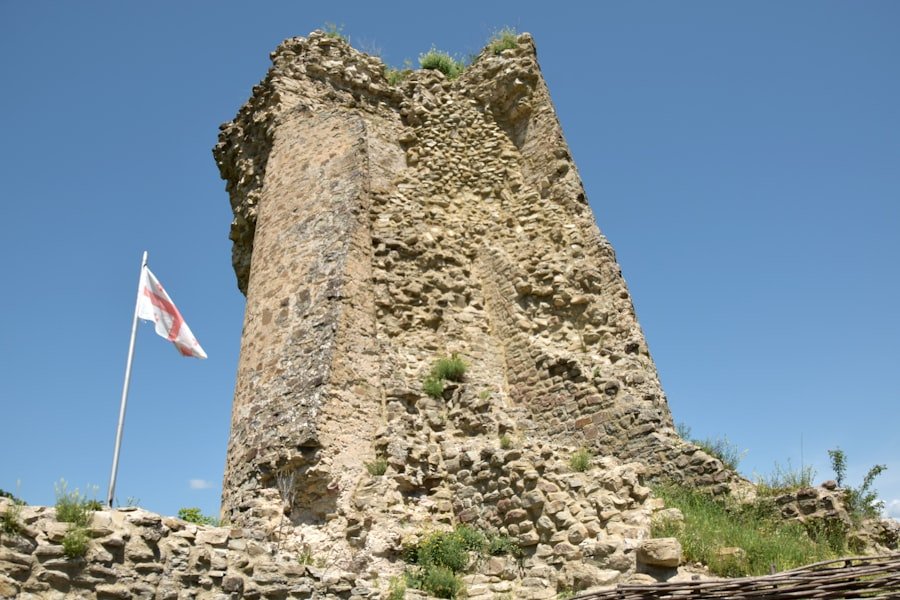
Entering Gruyères Castle takes visitors through a series of spaces shaped by different centuries. Rather than presenting a single reconstructed medieval interior, the museum combines architecture, furniture, paintings, decorative art and historical objects from the Middle Ages through the 20th century.
Medieval Rooms and Defensive Architecture
The castle’s enclosure, keep, courtyard and towers reveal its origins as a fortified residence. The Guard Room at the base of the keep is one surviving reminder of its defensive function.
Chapel of St. John the Baptist
The chapel dates largely from the 15th century and occupies a former defensive tower. Its stained-glass windows were made in 1482 and include religious scenes as well as imagery connected with Count Louis and his wife Claude de Seyssel. These are among the most historically significant features described in the castle’s official collections guide.
Burgundian Room
Among the castle’s medieval treasures are Burgundian capes associated with booty captured by Confederate troops during the Battle of Murten in 1476. Their presence connects Gruyères with the broader military history of the Burgundian Wars.
Bailiffs’ Rooms
The years of Fribourg administration left their own mark. Decorative wall paintings, heraldic stained glass and a tiled stove survive from the period when Fribourg’s bailiffs governed the region from the castle.
Knights’ Room and the Artists’ Colony
One of the most memorable interiors is the Knights’ Room. Its dramatic 19th-century decoration does not simply reproduce a medieval room; it reflects the Romantic imagination of the artists who worked at Gruyères after the Bovy family acquired the castle.
Paintings associated with Jean-Baptiste Camille Corot and Barthélemy Menn further illustrate this unusual chapter in the castle’s history, when painters, musicians, writers and other artists gathered there.
Garden, Courtyard and Views
The courtyard provides a natural pause between the interior rooms, while the ramparts and outdoor areas open toward the medieval rooftops and Fribourg Pre-Alps. The formal garden, shaped in approximately its present form by the Bovy and Balland families around 1900, adds another layer to the property’s long evolution.
How to Get to Gruyères Castle
Gruyères is straightforward to reach by public transport or car, but the final approach matters because the medieval town itself is closed to normal visitor traffic.
| Route | Typical planning time |
| Train from Geneva to Gruyères | Roughly 2 hours for faster connections; check the current SBB timetable |
| Train from Lausanne to Gruyères | Often around 1¼–1½ hours, depending on the connection |
| Car from Bern | About 45–60 minutes in normal conditions |
| Gruyères railway station to castle | About 20 minutes walking |
| Gruyères, ville bus stop to castle | About 5–10 minutes walking |
By Train and Bus
The simplest approach is to plan a journey to Gruyères using the Swiss Federal Railways visitor information for Gruyères or the current SBB timetable. From Gruyères railway station, allow about 20 minutes to walk uphill to the castle.
If you prefer a shorter walk, continue by local bus to the Gruyères, ville stop at the entrance to the medieval town. From there, the castle is roughly a 5- to 10-minute walk through the village.
By Car and Parking
Drivers cannot normally continue through the medieval town itself. Public parking areas are located below the town. Depending on the parking lot you use, allow roughly 10–20 minutes to walk through Gruyères to the castle.
The drive from Geneva is commonly around two hours in normal traffic, while Zurich is roughly two hours away by car. Actual times vary substantially with traffic, weather and your exact starting point.
Note: The medieval town is pedestrianized, and the approach includes slopes, cobblestones and uneven surfaces. Visitors with mobility limitations should factor the approach into their planning as well as the castle’s interior staircases.
Tips for Visiting Gruyères Castle
A little planning makes the visit easier, particularly during busy weekends and holiday periods.
- Arrive with enough time: The castle recommends arriving at least one hour before closing, even though last admission is 45 minutes before closing.
- Wear comfortable shoes: The castle and medieval village include cobblestones, slopes and stairs.
- Allow about one hour inside: Slow readers, photographers and visitors interested in temporary exhibitions may want longer.
- Check current exhibitions: Temporary exhibitions change during the year.
- Use the paper visitor information: Information inside the castle is available in French, German and English, and paper guides are offered in additional languages.
- Check the audio-guide app before relying on it: The castle currently warns that its augmented-reality audio-guide application may experience technical problems.
- Reserve guided visits ahead: Guided tours and special activities must be booked in advance rather than arranged on arrival.
Photography Rules
Private photography is permitted inside the castle, but flash and tripods are not allowed. Commercial use of castle and collection images is restricted. Selfie sticks and large photography equipment may also be prohibited, so photographers should review the current visitor rules before arriving.
Bags, Strollers and Baby Carriers
Strollers cannot be taken through the castle rooms, and back baby carriers are prohibited for accessibility and security reasons. The castle also restricts bulky objects such as helmets, hiking poles, tripods and selfie sticks in interior spaces. Some personal items can be left at reception subject to available space.
Visiting with Children
Families have dedicated ways to explore the castle. The Chalamala route is aimed at school-age children and uses the castle’s famous jester as a guide, while the Bestiary activity encourages younger visitors to search for animals hidden in the castle’s decoration.
Accessibility
Gruyères Castle is a protected historic monument with numerous stairs. Wheelchair users can access the panoramic esplanade, courtyard and, depending on seasonal conditions, part of the garden. The principal castle rooms and upper floors are not wheelchair accessible because they are reached by stairs, including a spiral staircase.
Warning: Do not assume the interior is step-free. If someone in your party uses a wheelchair or has significant difficulty with stairs, review the castle’s current accessibility information before making the trip.
Nearby Attractions and Activities
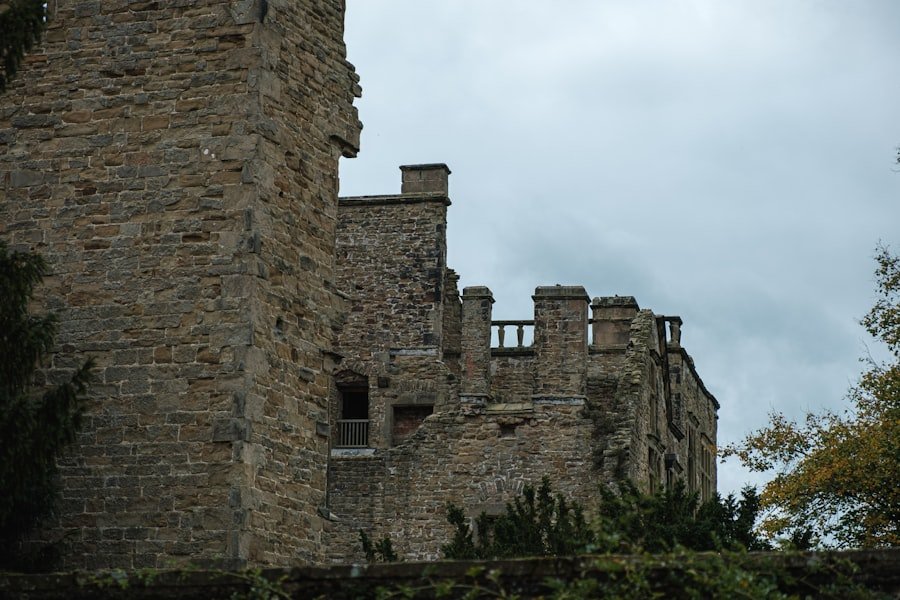
Gruyères Castle is only one part of the area’s appeal. The medieval town, museums, cheese traditions and nearby mountains make it easy to extend a castle visit into a half-day or full-day outing.
Explore the Medieval Town of Gruyères
The compact historic center sits immediately below the castle. Its pedestrian street contains restaurants, small shops and traditional buildings, so it is worth leaving time to explore rather than walking directly between the parking area and castle entrance.
Visit La Maison du Gruyère
La Maison du Gruyère is beside Gruyères railway station and explains how Le Gruyère AOP cheese is made. The exhibition can be visited throughout the day, while live cheese production is generally visible during morning production hours, subject to the day’s schedule.
This is the best nearby stop for travelers who want to connect the medieval town with the cheese tradition for which the Gruyère region is internationally known.
HR Giger Museum
The HR Giger Museum in the medieval town provides a striking contrast with the castle’s medieval and Romantic interiors. The museum focuses on the work of Swiss artist H.R. Giger, whose visual style became internationally famous through his involvement with the film Alien.
Maison Cailler in Broc
Travelers with a full day can also continue to Maison Cailler in nearby Broc. La Gruyère Tourisme currently offers a DayPass La Gruyère that combines Gruyères Castle, La Maison du Gruyère and Maison Cailler with local second-class public transport in specified Frimobil zones.
Hiking and Moléson
The Fribourg Pre-Alps around Gruyères offer walking and hiking options ranging from gentle regional routes to mountain outings. Moléson-sur-Gruyères is one of the best-known nearby mountain destinations and can be reached by public transport from Gruyères.
During winter, Moléson operates skiing and snowboarding when snow and lift conditions permit. Its official ski information currently lists 30 km of pistes, plus ski-school and equipment-rental services. Because mountain operations are seasonal and weather-dependent, always check the current opening bulletin before traveling specifically to ski.
How to Plan a Half-Day or Full-Day Visit
Simple Half-Day Plan
- Arrive in Gruyères and walk through the medieval town.
- Spend about one hour touring Gruyères Castle.
- Take another 30–60 minutes for the village and viewpoints.
- Finish with lunch or a regional cheese dish in town.
Full-Day Cheese, Castle and Chocolate Plan
- Morning: Visit La Maison du Gruyère while cheese production can be observed.
- Late morning or lunch: Walk or take the bus into the medieval town and eat in Gruyères.
- Early afternoon: Tour Gruyères Castle.
- Later afternoon: Travel to Maison Cailler in Broc.
This sequence closely matches the logic of the regional DayPass itinerary and reduces unnecessary backtracking.
Dining and Accommodations in Gruyères
Gruyères is especially known for dishes based on regional cheese, including fondue moitié-moitié. There is no restaurant inside Gruyères Castle itself, but the medieval village has several restaurants within a short walk of the castle.
Le Chalet de Gruyères
Le Chalet de Gruyères is located in the medieval town and specializes in regional cooking, including fondue moitié-moitié and other cheese-based dishes. It is a convenient choice for visitors who want a traditional meal before or after touring the castle.
La Fleur de Lys
Hôtel & Restaurant La Fleur de Lys occupies a historic building on the village’s main pedestrian street. Its restaurant uses regional products and serves dishes including half-and-half fondue, while the property also provides accommodation close to the castle.
Hôtel de Gruyères
Hôtel de Gruyères sits at the entrance to the medieval town and is within walking distance of the castle. It is useful for travelers who want to stay near the historic center while still having access to the surrounding countryside.
For a more secluded stay, the broader Gruyère region also has mountain accommodation and lodging near Moléson. Staying outside the village can provide easier access to hiking and winter activities, while staying in Gruyères itself is more convenient for early or late walks through the historic center.
If exploring Gruyère’s food traditions inspires you to try basic cheese-making at home, this guide to delicious homemade cottage cheese offers a simple starting point. Cottage cheese is very different from aged Gruyère AOP, but making fresh cheese can still be an accessible introduction to how milk changes through the cheese-making process.
Why Gruyères Castle Should Be on Your Travel Bucket List
Gruyères Castle succeeds because it offers more than one version of Swiss history. Its medieval foundations and defenses tell the story of the Counts of Gruyère, the decorated rooms reveal the period of Fribourg’s bailiffs, and the 19th-century interiors preserve the influence of the artists who later made the castle their creative retreat.
The setting adds another dimension. From the same hilltop, visitors can walk through a traffic-free medieval village, explore the region’s cheese culture, look toward the Fribourg Pre-Alps and continue to nearby museums or mountain attractions.
Travelers interested mainly in the castle need only about an hour inside, making it an easy stop. Those interested in Swiss food, history and landscape can turn the same visit into a full day by combining Gruyères Castle with La Maison du Gruyère, the village and Maison Cailler.
Sources
- Gruyères Castle — Visitor Information — current opening hours, admission prices, access, photography and visitor rules.
- Gruyères Castle — Official History — castle chronology, Counts of Gruyère, Fribourg bailiffs and Bovy family.
- Gruyères Castle — Collections — chapel, stained glass, Burgundian objects, bailiffs’ rooms and artists’ colony.
- Swiss Federal Railways — Gruyères — public-transport planning and Gruyères attractions.
- La Gruyère Tourisme — DayPass La Gruyère — one-day castle, cheese and chocolate itinerary.
- La Gruyère Tourisme — La Maison du Gruyère — cheese dairy location, visitor experience and production information.
Frequently Asked Questions
What is Gruyères Castle?
Gruyères Castle is a 13th-century historic castle and museum in the medieval town of Gruyères in Switzerland’s canton of Fribourg. It preserves architecture, artworks, furniture and decorative interiors representing several periods of its roughly eight centuries of history.
What are the opening hours of Gruyères Castle?
As checked on August 17, 2026, Gruyères Castle is open daily from 9:00 am to 6:00 pm from April through October and from 10:00 am to 5:00 pm from November through March. Last admission is 45 minutes before closing. The castle is open on Christmas and New Year’s Day.
How much are Gruyères Castle tickets?
As checked on August 17, 2026, admission costs CHF 13 for adults, CHF 9 for seniors and students, and CHF 5 for children aged 6–15. Children under 6 enter free. The listed family ticket for two adults and up to three children costs CHF 29.
How long do you need at Gruyères Castle?
The castle recommends approximately one hour for a complete visit including the temporary exhibition. Allow longer if you enjoy reading every display or taking photographs. A half-day is better if you also want to explore the medieval village and have lunch.
What can visitors see inside Gruyères Castle?
Highlights include medieval architecture, the Chapel of St. John the Baptist and its stained glass, the Burgundian Room, rooms decorated during the Fribourg bailiff period, historic furnishings and artworks, and the 19th-century Knights’ Room created during the castle’s artists’ colony period.
Is there a restaurant at Gruyères Castle?
No. The castle itself does not have a public restaurant. Several restaurants are located nearby in the medieval town of Gruyères, including places serving regional dishes such as fondue moitié-moitié.
Is Gruyères Castle wheelchair accessible?
Only partly. Wheelchair users can access the esplanade, courtyard and, depending on the season, part of the garden. The main castle rooms and upper floors are reached by stairs, including a spiral staircase, and are not fully wheelchair accessible.
Can you take photos inside Gruyères Castle?
Yes, private photography is generally allowed without flash. Tripods and selfie sticks are prohibited, and commercial use of photographs of the castle interiors and collections is restricted.
Can you visit Gruyères Castle with a stroller?
Strollers cannot be used inside the castle rooms, and back baby carriers are also prohibited. Families should plan accordingly before arriving. A changing table is available in the castle toilets.
How do you get from Gruyères station to the castle?
The walk from Gruyères railway station to the castle takes about 20 minutes. Alternatively, take a local bus to Gruyères, ville at the entrance to the medieval town; from that stop, the castle is approximately 5–10 minutes away on foot.
Can you combine Gruyères Castle with the cheese factory and Maison Cailler?
Yes. A full day is enough for La Maison du Gruyère, the medieval town, Gruyères Castle and Maison Cailler when connections are planned carefully. La Gruyère Tourisme also offers a DayPass that combines these three attractions with local public transport in specified zones.