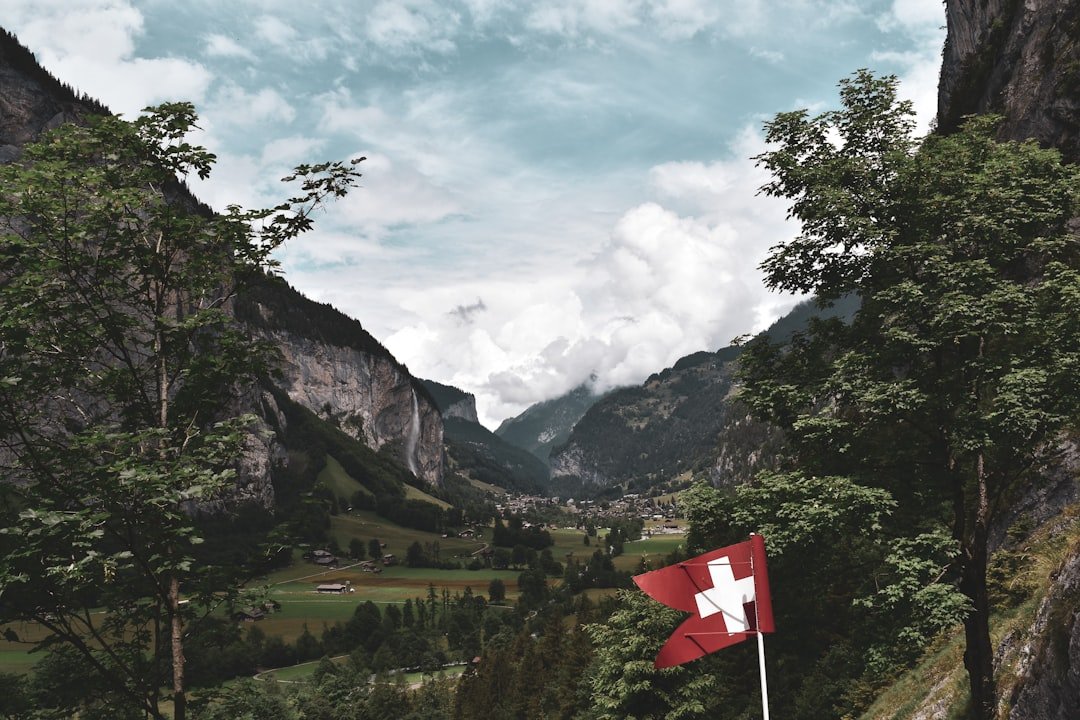
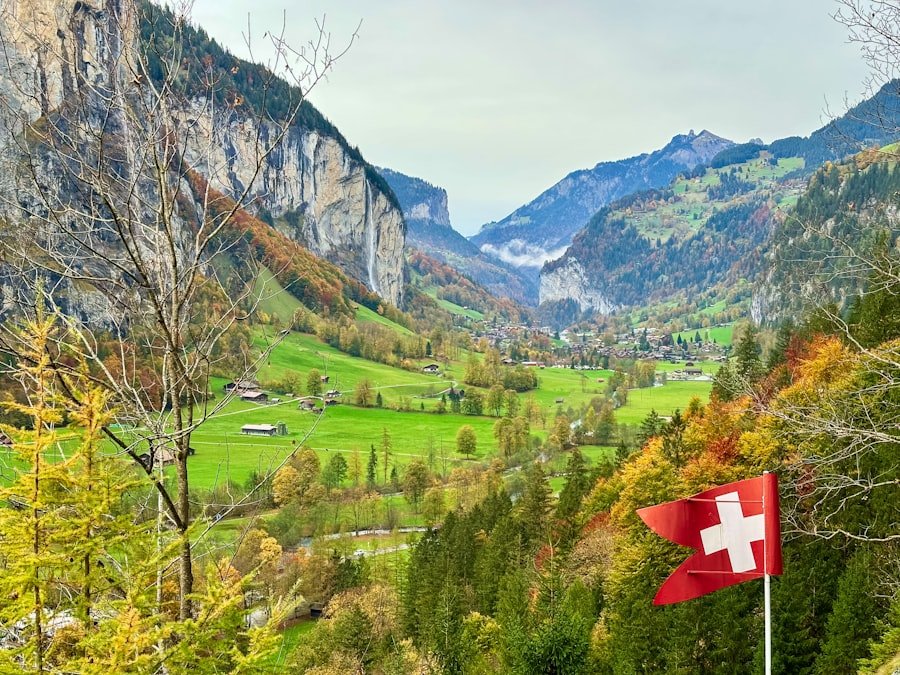
Switzerland is a landlocked country bordered by France, Germany, Italy, and Austria, with Alpine scenery, compact cities, multilingual culture, and an extensive public-transport network. This Switzerland travel guide explains where to go, when to visit, what to eat, how to get around, and the practical details that matter before you arrive. The best trip usually balances one or two cities with a mountain or lake region.
Quick Answer
Switzerland is easiest to explore by rail, with the Matterhorn, Lake Geneva, Lucerne, Interlaken, and the Swiss National Park among the strongest first-trip highlights. Visit June to September for hiking, December to March for snow sports, and spring or autumn for lighter crowds. Build your route around two or three regions rather than rushing nationwide.
Last checked: October 1, 2026. Dates and figures were verified against official sources.
Key Takeaways
- Rail, bus, boat, and mountain transport make car-free travel practical across most popular regions.
- Altitude matters: conditions in mountain resorts can be much colder and less predictable than in Swiss cities.
- The busiest periods include Christmas and New Year, February, and roughly mid-July to mid-August.
- Protected areas such as the Swiss National Park have strict trail and wildlife rules, so plan outdoor days carefully.
- Visa and entry requirements depend on nationality, trip length, and purpose, even though Switzerland is in the Schengen Area.
Top Attractions in Switzerland
For a first visit, combine a landmark mountain, a lake region, and at least one historic city. The Matterhorn and Lake Geneva are classic choices, while Montreux adds culture and the Swiss National Park offers a quieter nature-focused experience. Lucerne, Interlaken, Zurich, Bern, and Geneva also work well as bases.
The Matterhorn and Zermatt
The Matterhorn rises to 4,478 meters above Zermatt in Valais and is one of Switzerland’s most recognizable peaks. You do not need to climb it to enjoy the view: Gornergrat, Sunnegga, and several hiking routes around Zermatt provide strong viewpoints. Switzerland Tourism notes that an ascent should be attempted only by experienced alpinists with a mountain guide.
For current mountain information and official visitor guidance, see the Switzerland Tourism Matterhorn guide.
Lake Geneva and Geneva
Lake Geneva, also called Lac Léman, lies on the Swiss-French border and gives western Switzerland a mix of city, vineyard, and lakeside scenery. In Geneva, the Jet d’Eau rises 140 meters above the lake, while the Old Town centers on St. Pierre Cathedral and narrow historic streets.
A boat trip is an easy way to connect the lake experience with nearby towns. Geneva suits travelers who want museums, international institutions, restaurants, and waterfront walks without giving up quick access to the Alps.
Montreux for Music and the Lakeside
Montreux is best known for its lakeside promenade and the Montreux Jazz Festival. As of October 1, 2026, the festival’s next main edition is confirmed for July 2–17, 2027; the festival also lists a free MJF Residency in Montreux for October 14–17, 2026.
Those dates can make accommodation and transport busier than usual, so music-focused travelers should plan early. The official Montreux Jazz Festival site has the current program and event updates.
Swiss National Park
The Swiss National Park in Graubünden is a strong choice for hikers and wildlife watchers. The park covers about 170.3 square kilometers and has about 100 kilometers of marked trails across 21 official routes. Hiking trails are generally open from mid-May to mid-November, depending on weather and altitude.
Protection rules are stricter than in an ordinary hiking area: visitors must stay on marked trails, dogs are not allowed, and camping is prohibited inside the park. Check the Swiss National Park trail status and route information before setting out.
Swiss Cuisine and Dining
Swiss food changes by language region, but cheese, potatoes, bread, cured meats, pastries, and chocolate appear often. Fondue is made by melting cheese into a shared pot and dipping bread with long forks, while raclette is melted cheese served over potatoes with pickles and other accompaniments.
Rösti, a crisp potato dish, is another useful staple to know. In the Engadine, Nusstorte is a rich walnut-filled pastry, and chocolate shops range from international brands such as Lindt and Toblerone to small local producers. Some chocolate makers also offer visitor tours or factory experiences.
Dining out can be expensive, so many travelers mix restaurant meals with bakery lunches, supermarket picnics, or apartment cooking. If you want a regional experience, try dishes tied to the canton you are visiting rather than ordering the same national classics everywhere.
Outdoor Adventures in Switzerland
Switzerland’s outdoor options change sharply with the season and altitude. Winter brings skiing and snowboarding, while late spring through autumn opens more hiking and mountain-biking routes. Interlaken is also well known for guided adventure sports such as paragliding.
| Activity | Location | Duration |
|---|---|---|
| Hiking | Swiss Alps | 1-7 days |
| Skiing/Snowboarding | Verbier, Zermatt | 1-7 days |
| Paragliding | Interlaken | 1-2 hours |
| Mountain Biking | Grindelwald, Davos | 1-3 days |
For hiking scenery, the Swiss Alps Jungfrau-Aletsch World Heritage property includes the Great Aletsch Glacier, which UNESCO identifies as the largest glacier in the Alps. That corrects a common shorthand: the glacier itself is part of the wider UNESCO-listed landscape rather than a separate World Heritage site.
Read the UNESCO Swiss Alps Jungfrau-Aletsch listing for the official description of the protected property. Wherever you hike, match the route to your fitness, footwear, weather, and remaining daylight.
Swiss Culture and Traditions
Swiss culture changes noticeably by region because the country has four official languages: German, French, Italian, and Romansh. Food, festivals, architecture, and everyday customs can feel different as you move from German-speaking cities to French-speaking Romandy, Italian-speaking Ticino, or Romansh areas of Graubünden.
Fasnacht carnival traditions are especially strong in German-speaking areas, while Geneva’s Fête de l’Escalade commemorates the city’s successful defense against a Savoyard attack in 1602. Traditional alphorn music, yodelling, cattle descents, and regional harvest celebrations also remain visible in many communities. Switzerland is also known for its long-standing neutrality and for hosting international organizations, especially in Geneva.
Watchmaking is another major part of Swiss identity. Towns and cities across the Jura arc, including Biel/Bienne, La Chaux-de-Fonds, and Geneva, are closely associated with the industry, while museums and workshops help explain the craft behind mechanical watches.
Best Time to Visit Switzerland
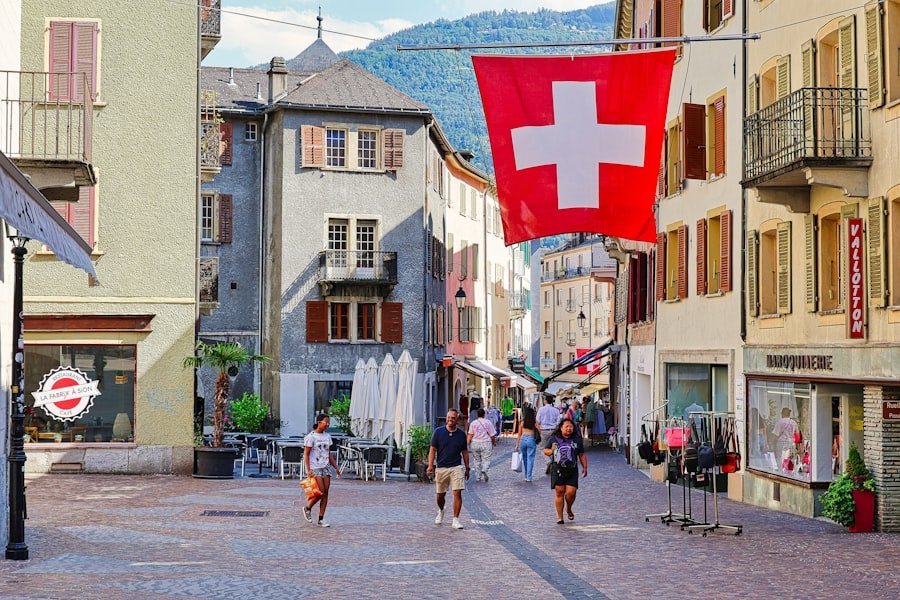
The best time to visit Switzerland depends on your priority. Summer is strongest for hiking and lakes, winter for skiing, while spring and autumn can offer fewer crowds in cities and lower valleys. Mountain conditions do not follow city weather, so always plan by altitude as well as by month.
Switzerland Tourism gives broad daytime ranges of 18–28°C in July and August, -2 to 7°C in January and February, and 8–15°C in spring and autumn. These are national planning ranges, not mountain forecasts; see the official Switzerland climate guidance.
| Season | Typical daytime range | Best for | Crowd pattern |
|---|---|---|---|
| Spring: March-May | About 8-15°C in lower areas; colder at altitude | Cities, blossoms, lower-elevation walks | Generally lighter outside holidays |
| Summer: June-August | About 18-28°C in July-August in lower areas | Hiking, lakes, mountain railways, festivals | High demand, especially mid-July to mid-August |
| Autumn: September-November | About 8-15°C in lower areas; cooler later | Harvest season, foliage, city trips | Often lighter after early autumn |
| Winter: December-February | About -2 to 7°C in January-February in lower areas | Skiing, snow sports, Christmas markets | High around Christmas/New Year and in February |
Switzerland Tourism specifically warns of increased demand in mountain regions around Christmas and New Year, in February, and from mid-July to mid-August. Its high-season guidance is useful when choosing dates.
Spring: March to May
Spring suits city breaks, lake towns, and lower-elevation walks. Meadows and trees green up, but high trails can still hold snow and some mountain transport may operate on reduced schedules before summer.
Summer: June to August
Summer gives you the broadest choice of hiking, lake activities, and mountain excursions. July and August are also busy festival months, so reserve popular mountain bases earlier if your dates fall in the main European holiday period.
Autumn: September to November
Early autumn can be excellent for hiking, vineyards, and colorful landscapes, especially when summer crowds have eased. Later in the season, some mountain lifts, hotels, and scenic services pause for maintenance before winter, so route planning matters more.
Winter: December to February
Winter is the main season for skiing and snowboarding in Alpine resorts. Snow is not guaranteed in Swiss lowlands, and conditions vary by altitude, so choose a mountain resort if snow sports are the purpose of your trip.
Transportation in Switzerland
Public transport is usually the easiest way to travel between Swiss cities, lakes, and mountain gateways. The national network combines trains, buses, boats, and local transport, while many mountain railways and cable cars connect with the main system.
For visitors aged 25 and over, SBB lists the 3-day Swiss Travel Pass at CHF 254 in second class, with that price valid through December 31, 2026. The pass can simplify frequent travel, but point-to-point tickets or other discounted products may cost less on a slower itinerary. See SBB’s current Swiss Travel Pass prices and conditions.
The Glacier Express is a special case because a seat reservation is mandatory. Its official 2026 timetable lists summer service through October 10 and no Glacier Express trains from October 11 to December 4, 2026. Check the Glacier Express timetable before building a route around it.
Renting a car can still be useful for rural areas or a road trip, but city parking is often less convenient than rail. Zermatt is car-free, so drivers leave vehicles outside the resort and continue by train.
Accommodation Options in Switzerland
Switzerland has everything from hostels and guesthouses to apartments, mountain huts, boutique hotels, and luxury properties. Your best choice depends more on location and transport than on star rating: staying near a rail station can save time every day.
Luxury options include The Dolder Grand in Zurich and Badrutt’s Palace Hotel in St. Moritz. Budget travelers can look at hostels, simple guesthouses, and self-catering stays, while bed-and-breakfasts can offer a more local feel in smaller towns. Vacation rentals through platforms such as Airbnb can also provide kitchens and more space for longer stays.
Mountain destinations fill faster during ski weeks and peak summer holidays. If your trip centers on Zermatt, the Jungfrau region, St. Moritz, or a major festival, secure accommodation before finalizing expensive non-refundable activities.
Shopping and Souvenirs in Switzerland
Swiss shopping ranges from luxury watches and jewelry to chocolate, cheese, knives, textiles, and regional crafts. Zurich’s Bahnhofstrasse is one of the country’s best-known retail streets, while Geneva is another major center for watch and jewelry brands.
For edible souvenirs, chocolate is the easiest choice, but check customs rules at your destination before carrying meat, cheese, or other animal products home. Small chocolate makers can be a more distinctive souvenir than a product available internationally.
Swiss Army knives are practical gifts, but pack them in checked baggage when flying if the blade does not meet cabin-security rules. Locally made wool goods, lacework, and regional food products can also reflect the place you actually visited.
Safety Tips for Traveling in Switzerland
Switzerland is generally a straightforward destination for visitors, but normal travel precautions still matter. Keep valuables secure in stations, busy tourist areas, and crowded public transport, and store passports or backup documents safely.
Warning: Mountain weather can change quickly, even in summer. Check the forecast, trail status, and lift or transport status before leaving, carry suitable layers and water, and turn back if conditions become unsafe.
On hikes, tell someone your route when heading into quieter areas and do not rely on continuous mobile coverage. Carry water, snacks, and basic first-aid supplies appropriate to your route. In protected areas, follow marked routes and local rules rather than treating every meadow or slope as open terrain.
Making the Most of Your Trip to Switzerland
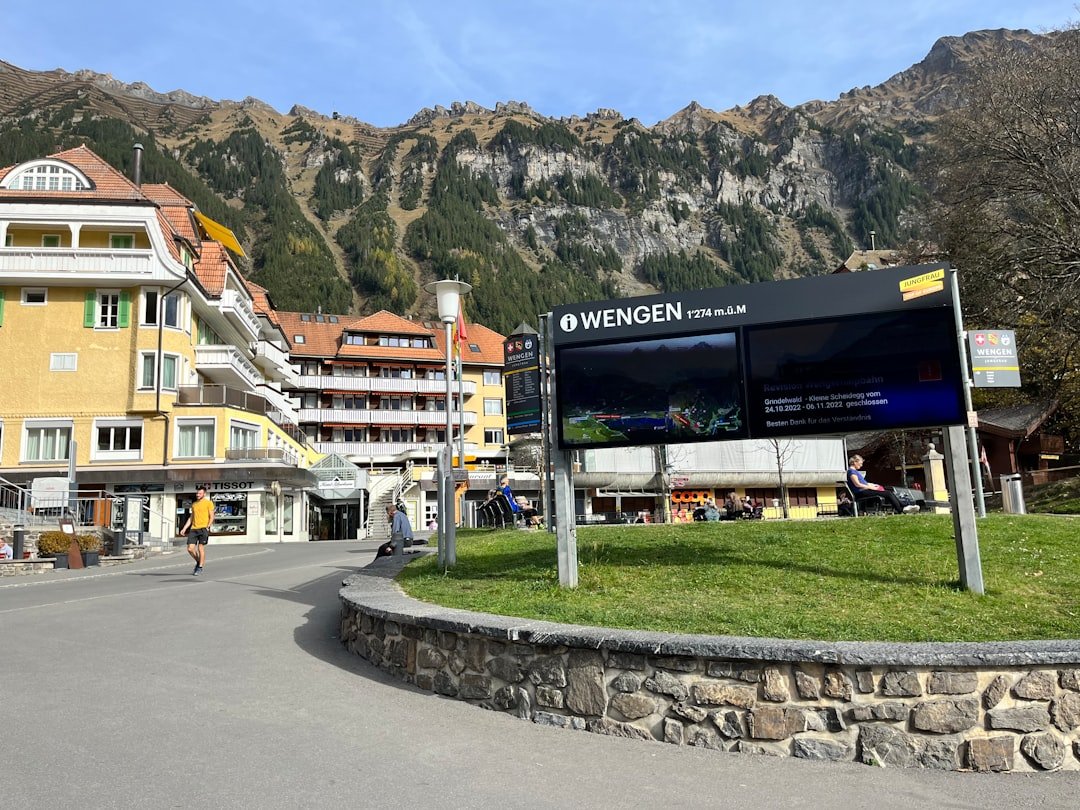
The strongest Switzerland itinerary is usually selective rather than rushed. Pair a city such as Zurich, Lucerne, Bern, or Geneva with one mountain base such as Zermatt, Interlaken, Wengen, or St. Moritz, then add a lake or scenic rail day if time allows.
Use weather-sensitive mountain days flexibly and place museums, old towns, and food experiences on poorer-weather days. This approach gives you a better chance of seeing the Alps clearly without wasting the rest of the trip if clouds close in.
For another food-focused read from the site, see this article on Asian melon.
Frequently Asked Questions
What is the best time to visit Switzerland?
The best time depends on what you want to do. June through September is strongest for hiking and lakes, while December through March suits snow sports in mountain resorts. Spring and autumn can mean lighter crowds, but some high trails, lifts, and seasonal hotels may be closed.
What are the must-visit destinations in Switzerland?
Good first-trip choices include Lucerne, the Jungfrau region around Interlaken, Zermatt and the Matterhorn, Geneva and Lake Geneva, Bern, Zurich, and the Engadine. Pick two or three regions that fit your interests instead of trying to cover the entire country in one short trip.
What are the top activities to do in Switzerland?
Top activities include hiking, scenic train rides, lake cruises, skiing, snowboarding, mountain railways, city walks, and regional food experiences. Choose activities by season and altitude, because a route that is easy in midsummer may be snow-covered or inaccessible at another time of year.
What currency is used in Switzerland?
Switzerland uses the Swiss franc, abbreviated CHF. Cards are widely accepted in cities and tourist areas, but carrying some francs is useful for small purchases, local markets, or places with limited card acceptance. Euro acceptance varies, and change may be returned in Swiss francs.
What are the official languages of Switzerland?
Switzerland has four official languages: German, French, Italian, and Romansh. The language you hear most depends on the region, and Swiss German is common in everyday speech in many German-speaking areas. English is widely used in tourism, but learning a local greeting is still useful.
Is Switzerland a safe country to travel to?
Switzerland is generally considered a safe destination, but ordinary precautions still apply. Watch your belongings in busy transport hubs and tourist areas, and treat mountain conditions as a separate safety issue. Weather, snow, steep terrain, and limited mobile coverage can make Alpine outings more demanding than city sightseeing.
What traditional Swiss dishes should I try?
Try fondue, raclette, rösti, regional cured meats, Swiss chocolate, and local pastries such as Engadin Nusstorte. Food traditions vary by canton, so the most interesting meal is often a regional specialty rather than a national dish repeated everywhere.
Do I need a visa to visit Switzerland?
Visa requirements depend on your nationality, trip length, and purpose. Switzerland is in the Schengen Area, and many third-country visitors are limited to a maximum of 90 days in any 180-day period for short stays. Check the Swiss State Secretariat for Migration entry guidance for your nationality before travel.
Sources
- Switzerland Tourism — Matterhorn: Matterhorn height, location, viewpoints, and climbing guidance.
- Swiss National Park — Trails and Routes: hiking season, route status, and park planning information.
- Montreux Jazz Festival: 2026 residency and 2027 main-festival dates.
- UNESCO — Swiss Alps Jungfrau-Aletsch: World Heritage status and Aletsch Glacier context.
- Switzerland Tourism — Climate: broad seasonal daytime temperature ranges.
- Switzerland Tourism — High Season: periods of increased visitor demand.
- SBB — Swiss Travel Pass: 2026 adult pass prices and validity period.
- Glacier Express — Timetable: 2026 operating dates, closure period, and reservation requirement.
- State Secretariat for Migration — Entering Switzerland: visa and Schengen short-stay guidance.