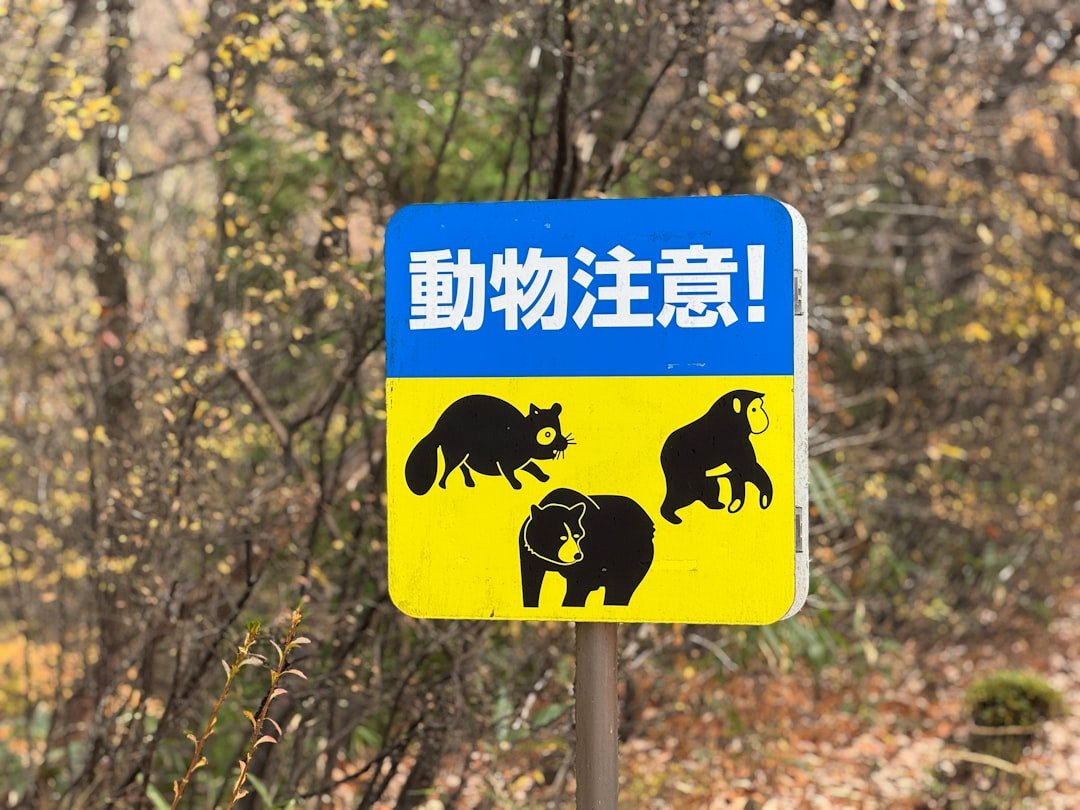
Switzerland’s mountains, forests, valleys, lakes, and alpine meadows support a wide range of wildlife, including ibex, chamois, marmots, red deer, roe deer, foxes, wild boar, golden eagles, black grouse, wolves, and lynx. Most wildlife encounters are peaceful when you give animals space and follow local rules. Brown bears require special awareness only where recent presence has been confirmed: Switzerland currently has no resident brown-bear population, although individual bears occasionally enter the country.
Quick Answer
For safe wildlife encounters in Switzerland, keep your distance, never feed or follow animals, obey marked trails and wildlife protection zones, control your dog, and secure all food and rubbish. If you meet a wolf or bear, stay calm, do not approach or run, and slowly create distance.
Key Takeaways
- Watch wildlife from a distance. Never touch, chase, surround, or feed a wild animal.
- Follow signs for wildlife rest zones, protected areas, and marked routes. Rules can be stricter than ordinary hiking etiquette.
- Pack out food scraps and rubbish. Even biodegradable food can attract animals and change their behavior.
- Do not use one encounter response for every species. Wolf, bear, deer, ibex, and other wildlife require different levels of caution.
- Keep dogs under close control and use a leash wherever required. Dogs are not permitted in the Swiss National Park, even on a lead.
- For immediate danger, call 112. Police can also be reached on 117 and ambulance services on 144.
Respecting Wildlife Habitats and Boundaries
Keeping your distance is one of the simplest ways to protect both yourself and Switzerland’s wildlife. Ibex, chamois, deer, marmots, birds, and large carnivores need space to feed, rest, reproduce, and raise young. Moving closer for a photograph can interrupt those behaviors even when an animal does not visibly flee.
Stay on designated or permitted routes whenever signs or local rules require it. This is especially important around nesting areas, winter wildlife zones, and protected habitats. Wildlife can use valuable energy escaping from people, which matters most during periods when food is limited.
Rules are not identical across Switzerland. In federal hunting-ban areas, animals must not be disturbed or fed, dogs must be kept on a leash, free camping is prohibited, and drones are prohibited. The Swiss National Park has even stricter protection rules: visitors must remain on marked paths, nature must be left undisturbed, and dogs are not allowed, even on a lead.
Note: A normal hiking trail, a wildlife rest zone, a federal hunting-ban area, and the Swiss National Park can have different rules. Check signs and official local information rather than assuming one rule applies everywhere.
Breeding and rearing periods deserve extra care. Birds may abandon or temporarily leave nests when repeatedly disturbed. Large mammals can also behave defensively when people or dogs move too close to young animals. If an animal changes direction, becomes alert, stops feeding, watches you continuously, or tries to move away, increase your distance.
Proper Waste Disposal to Prevent Wildlife Encounters
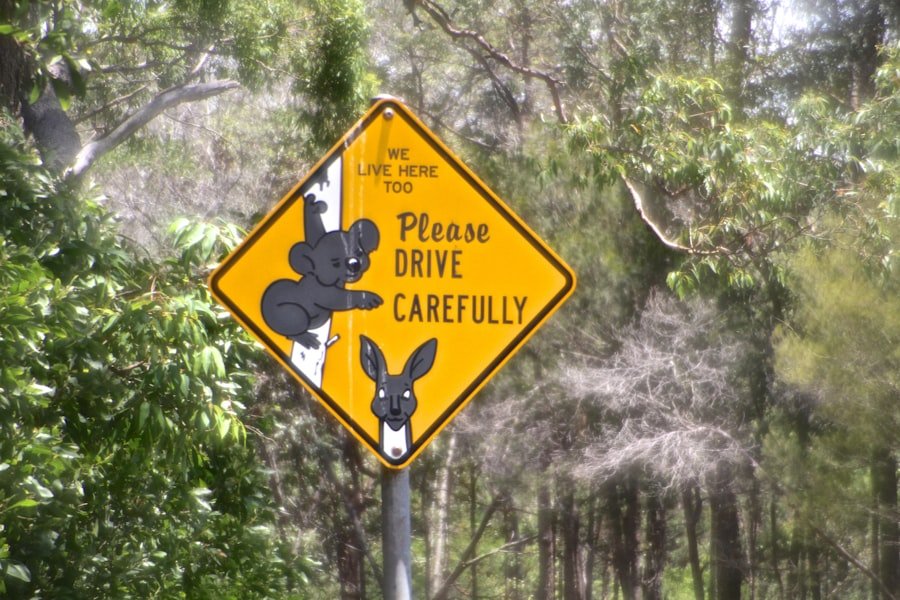
Food and rubbish can teach wild animals to associate people with an easy meal. That can create problems for animals as well as visitors. This risk is especially important with opportunistic species, including foxes, wild boar, and any bear that may temporarily be present in an area.
Carry out everything you carry in. This includes wrappers, tissues, leftover meals, fruit peels, bread, nuts, and other food scraps. A banana peel or apple core may eventually decompose, but it can still attract wildlife before it does.
Do not intentionally leave food for marmots, birds, deer, foxes, or other animals. Feeding can change natural foraging behavior, draw animals close to roads or busy visitor areas, and encourage animals to approach people.
If you camp where camping is legally permitted, keep food and food waste securely stored and follow the campsite or local authority’s rules. Do not assume wild camping is allowed simply because an area appears remote. Some Swiss protected areas prohibit free camping completely.
Safety Precautions for Hiking and Camping in Wildlife Areas
| Precaution | What to Do |
| Research | Check the area’s wildlife, trail conditions, wildlife rest zones, and local restrictions before leaving. |
| First Aid Kit | Carry a suitable first aid kit and know how to use its basic contents. |
| Stay on Permitted Routes | Follow marked routes and all wildlife-zone restrictions. Do not enter closed or protected habitat. |
| Food Storage | Keep food and rubbish contained and never deliberately leave food for wildlife. |
| Water Safety | Carry adequate drinking water. If relying on an untreated natural source, use an appropriate purification method. |
| Emergency Contacts | Keep a charged phone when possible. In an immediate emergency, call 112. Police: 117. Ambulance: 144. |
Warning: Do not use a single confrontation technique for every wild animal. Shouting, waving your arms, approaching an animal, or trying to frighten it may make some encounters worse. Identify the situation, stay calm, and follow species-specific guidance.
What to Do If You See a Wolf in Switzerland
Wolves occur in Switzerland, particularly in alpine and pre-alpine regions and parts of the Jura. Healthy wild wolves generally avoid people. The KORA wolf guidance describes wild wolves as normally cautious around humans, while the Canton of Graubünden provides practical instructions for encounters.
- Stop and remain calm.
- Give the wolf an opportunity to move away.
- If it does not leave, make your presence clear using a firm voice.
- Slowly move away while continuing to give the animal space.
- Do not approach the wolf for a photograph.
- Never follow or chase a wolf.
- Keep your dog under direct control or on a leash.
- Report a wolf that repeatedly approaches people or shows unusually little fear to the local gamekeeper or wildlife authority.
A wolf standing or watching you briefly is not by itself evidence of an attack. Your priority is to maintain distance and give the animal a clear route away.
What to Do If You See a Bear in Switzerland
Bear safety needs accurate context. According to KORA, Switzerland does not have a resident brown-bear population. Individual animals occasionally enter Switzerland, especially from the Trentino population in Italy, so encounters are possible but uncommon.
If authorities have confirmed a bear in the area, check current local information before your hike. Stay on established paths, avoid leaving food or rubbish, make your presence naturally known when visibility is poor, and keep dogs on a leash.
If you actually see a bear:
- Remain calm and assess the situation.
- Speak in a normal, calm voice so the bear can recognize you as a person.
- Do not approach it.
- Slowly retreat and increase the distance.
- Do not run.
- Do not shout, wave sticks, throw stones, or otherwise act threateningly.
- Do not move closer for a photograph.
- Never follow a bear that is moving away.
A bear may stand on its hind legs to obtain a better view or scent of its surroundings. Graubünden’s official bear guidance notes that standing upright is not automatically a threat display.
Pro Tip: Before hiking in an area with a recently reported large carnivore, check current cantonal wildlife information or KORA monitoring rather than relying on old travel articles or social-media reports.
Ibex, Chamois, Deer, and Other Large Wildlife
Ibex and chamois are among Switzerland’s best-known mountain animals. Red deer and roe deer are also widespread in suitable habitats, while wild boar occur in many lower-elevation and forested areas. These animals generally do not seek encounters with hikers, but any large wild animal can react defensively when cornered, surprised, injured, guarding young, or unable to move away.
Do not approach an animal because it appears calm. Leave a wide escape route and never stand between an adult and its young. During breeding periods, give animals extra room. If an animal stops feeding, repeatedly watches you, changes direction because of you, or moves toward you defensively, calmly increase your distance.
Do not attempt to touch an ibex, chamois, deer, marmot, fox, or other wild animal, even if it has become accustomed to visitors.
Responsible Wildlife Viewing and Photography
Wildlife photography should record natural behavior rather than create it. Binoculars and telephoto or zoom lenses allow you to see details without moving into an animal’s personal space.
Do not surround an animal, block its escape route, call it toward you, chase it, or use food to obtain a photograph. Feeding animals for photographs can teach them to approach people and may change their normal foraging behavior.
Watch the animal rather than only your camera screen. If it becomes alert, stops feeding, repeatedly looks toward you, hides, moves away, or changes direction because of your presence, you are already affecting its behavior. Increase the distance.
Drones can also disturb wildlife. They are prohibited in some protected areas, including federal hunting-ban areas and the Swiss National Park. Check the applicable restrictions before flying.
The best wildlife encounter is one where the animal can continue feeding, resting, or moving naturally after you arrive.
Reporting Wildlife Sightings and Encounters
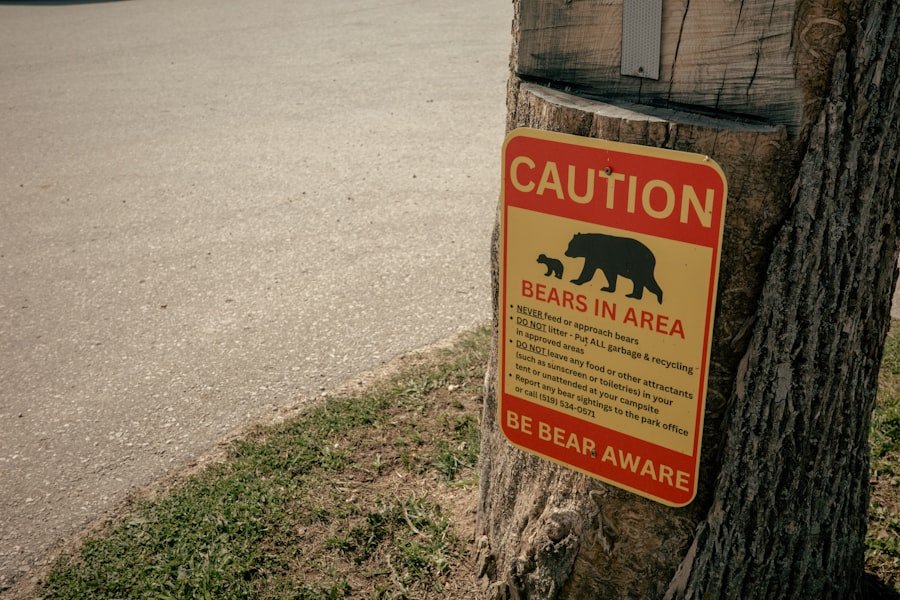
Wildlife observations can provide useful information for conservation and monitoring, especially when they involve large carnivores. KORA collects chance observations and evidence relating to species including wolves, lynx, bears, golden jackals, and wildcats.
If you see an animal from a safe distance, note the location, date, time, species if known, and what you observed. A photograph can help with identification if it can be taken without following or approaching the animal.
Do not approach an injured, trapped, unusually aggressive, or distressed wild animal to inspect it yourself. Contact the appropriate local gamekeeper, wildlife authority, or police if intervention may be needed.
Emergency: If a person is in immediate danger, call 112. Switzerland’s police emergency number is 117, and the ambulance number is 144.
Protecting Pets from Wildlife Encounters
Dogs can turn a quiet wildlife sighting into a dangerous encounter by chasing an animal, entering dense cover, approaching young animals, or running back toward their owner after provoking wildlife.
Keep your dog under reliable control and use a leash wherever signs, wildlife zones, local law, or the situation requires it. In federal hunting-ban areas, dogs must be leashed. In the Swiss National Park, dogs are not permitted at all, even on a lead.
Dog control is especially important where wolves or bears have recently been recorded. Graubünden’s wolf guidance notes that wolves can perceive dogs as intruders or potential prey. Bear guidance also identifies close interactions between dogs and bears as a situation that can increase risk.
Do not allow a dog to chase deer, ibex, chamois, marmots, foxes, or ground-nesting birds. Even when the animal escapes, the chase can cause stress and unnecessary energy loss.
Routine vaccination and parasite prevention can also be part of responsible outdoor pet care. Ask your veterinarian what is appropriate for your dog’s health and travel plans, but remember that veterinary protection does not replace physical control around wildlife.
Seasonal Wildlife Safety in Switzerland
Spring and Early Summer
This is an important period for nesting birds and animals with young. Never approach a young animal because it appears abandoned. Its parent may be nearby and waiting for people to leave.
Summer
Popular alpine routes can become busy. Stay on permitted routes in sensitive areas and resist moving off trail simply to obtain a closer wildlife photograph. Keep food scraps out of picnic and camping areas.
Autumn
Give large mammals extra space during breeding periods. Animals may be more focused on mating, competition, or defending space and may react differently from animals encountered at other times of year.
Winter
Winter disturbance can be especially costly to wildlife because food is limited and moving through deep snow requires energy. Respect marked wildlife rest zones and permitted winter routes. Do not follow animal tracks into closed or sensitive habitat.
What to Carry for Wildlife-Safe Hiking
You do not need specialized predator equipment for an ordinary Swiss hike. A few practical items make responsible wildlife viewing easier:
- A current trail map or offline map.
- A charged phone and portable battery for longer trips.
- Binoculars or a zoom lens so you can observe animals from farther away.
- A leash if you are hiking with a dog in an area where dogs are permitted.
- Resealable bags for carrying out food scraps and rubbish.
- A first aid kit suitable for your group and route.
- Enough drinking water for the planned hike.
If current authorities report a wolf or bear in a specific area, read the latest local guidance before entering that area rather than adding equipment based on advice written for wildlife conditions in another country.
Supporting Wildlife Conservation Efforts in Switzerland
Wildlife conservation is not limited to researchers and park staff. Visitors contribute every time they remain on permitted routes, keep dogs controlled, avoid feeding wildlife, reduce disturbance, carry out rubbish, and respect temporary closures.
Accurate wildlife observations can also support monitoring. Organizations such as KORA work with cantons and other partners to monitor large carnivores, while protected areas preserve important habitat for mammals, birds, and other species.
People who want to contribute further can support reputable conservation organizations, volunteer for suitable habitat or monitoring projects, participate in responsible nature tourism, and learn about the environmental effects of their everyday choices. Sustainable agriculture, land management, waste reduction, and habitat protection can all contribute to healthier ecosystems when backed by sound conservation practice.
The goal is not to remove people from nature. It is to enjoy Switzerland’s landscapes without teaching wildlife to approach humans, forcing animals to flee, or damaging the habitats on which they depend.
Frequently Asked Questions
What are the most important wildlife safety tips in Switzerland?
Keep a safe distance, never approach or feed wild animals, stay on permitted routes in protected areas, control your dog, carry out food and rubbish, and give every animal an escape route. If an animal changes its behavior because of your presence, move farther away.
What wildlife might visitors see in Switzerland?
Depending on the region and elevation, visitors may encounter red deer, roe deer, chamois, Alpine ibex, marmots, foxes, wild boar, golden eagles, black grouse, wolves, or lynx. Brown bears can also appear occasionally, but Switzerland does not currently have a resident brown-bear population.
What should I do around deer, ibex, or chamois?
Give them plenty of room and do not approach, touch, feed, surround, or block them. Never move between an adult and its young. If an animal becomes alert, stops feeding, changes direction, or appears defensive, slowly increase your distance.
What should I do if I encounter a wolf in Switzerland?
Stay calm and give the wolf a chance to move away. If it remains, make your presence known with a firm voice and slowly retreat. Do not approach it for photographs and never follow or chase it. Report unusually bold behavior to the local wildlife authority or gamekeeper.
Are bears common in Switzerland?
No. Switzerland currently has no resident brown-bear population. Individual bears occasionally enter the country, particularly from northern Italy. If a bear has recently been confirmed in your hiking area, check current cantonal or KORA information before setting out.
What should I do if I encounter a bear?
Remain calm, speak normally, do not approach the bear, and slowly retreat. Do not run, shout, wave objects, throw stones, move closer for a photograph, or follow a bear that is leaving. Give it space and a clear route away.
Can I take my dog into wildlife areas in Switzerland?
Rules depend on the location. Dogs must be leashed in federal hunting-ban areas. Dogs are prohibited in the Swiss National Park, even on a lead. Elsewhere, follow cantonal and local rules and keep your dog under reliable control around wildlife.
Where should I report an unusual wildlife sighting?
Large-carnivore observations can be reported through appropriate cantonal wildlife authorities or KORA’s monitoring system. For an injured or unusually aggressive animal, contact the local gamekeeper or police. If anyone is in immediate danger, call 112.
Sources
- KORA: Brown Bear FAQs — current Swiss bear status, risk situations, and official behavioral guidance.
- KORA: Wolf Profile — wolf behavior, distribution context, and risk to humans.
- Canton of Graubünden Office for Hunting and Fishing — official wolf and bear encounter guidance.
- Federal Office for the Environment: Federal Hunting-Ban Areas — wildlife protection, dog, camping, feeding, and drone rules.
- Swiss National Park: Protection Regulations — marked-path, dog, litter, and wildlife-disturbance rules.
- Swiss Confederation: Emergencies and Danger — official Swiss emergency telephone numbers.