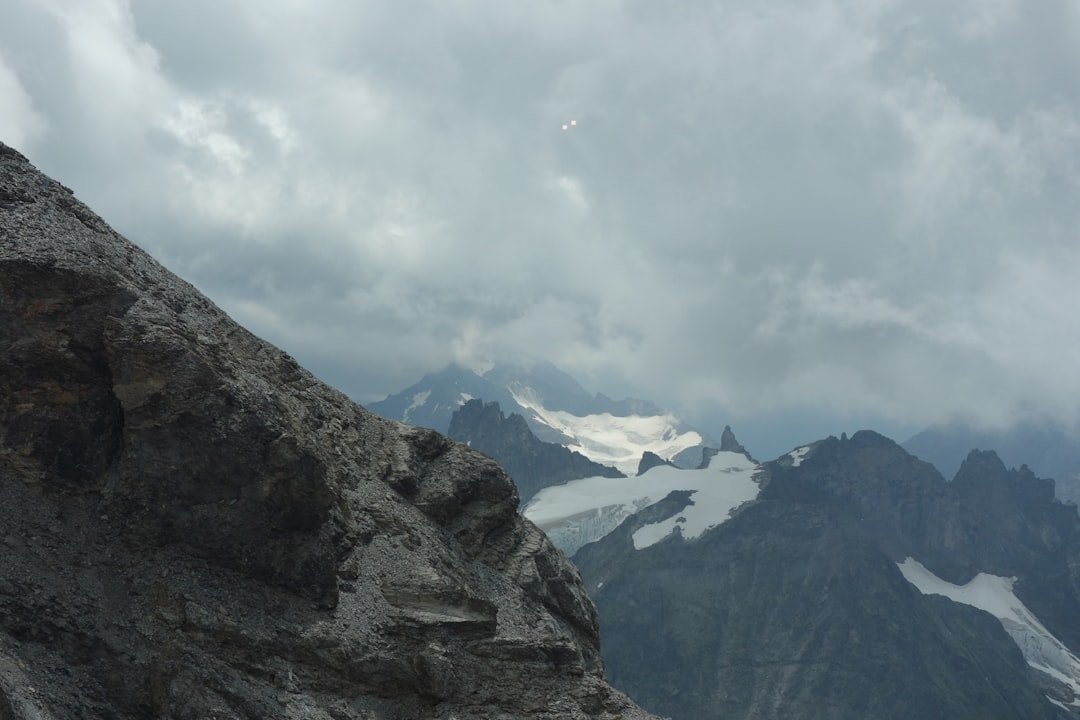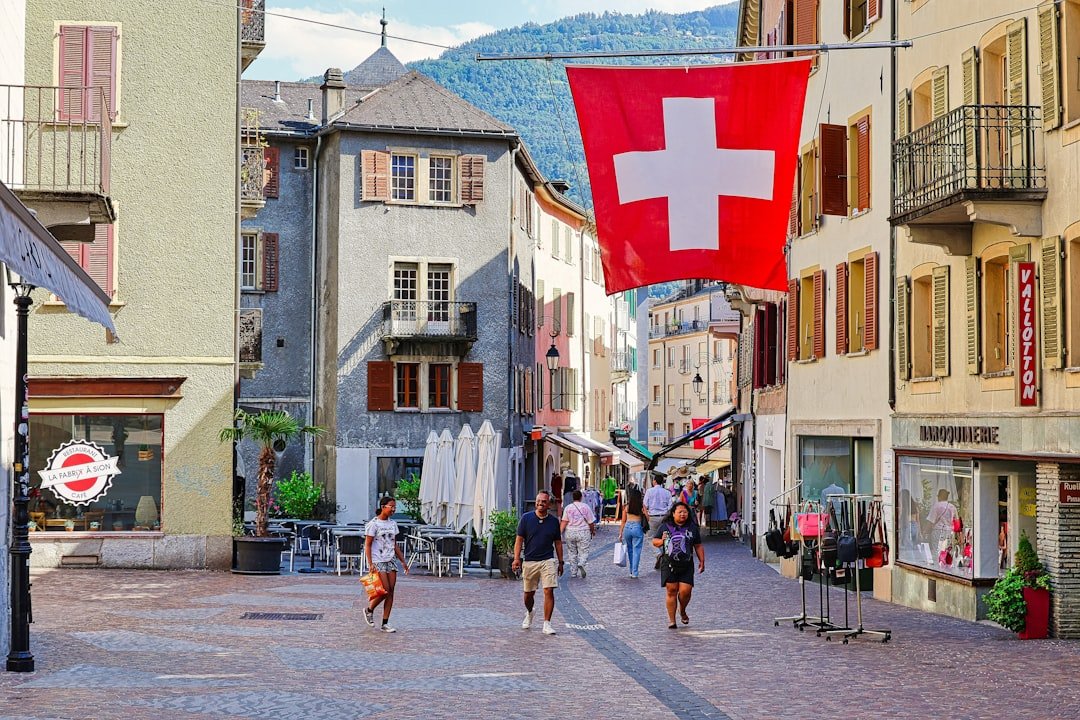
Arriving in Switzerland is akin to stepping into a postcard. The moment you land at Zurich Airport, the breathtaking views of the snow-capped Alps and lush green valleys greet you, setting the tone for an unforgettable journey. The airport itself is a marvel of modern architecture, seamlessly blending functionality with Swiss efficiency.
After clearing customs, travelers can easily access the city center via a short train ride, which offers a glimpse of the picturesque landscapes that define this beautiful country. The train ride is not just a means of transportation; it’s an introduction to the Swiss way of life, where punctuality and precision reign supreme. Once you arrive in Zurich, the largest city in Switzerland, you’ll find yourself immersed in a vibrant blend of culture and history.
The charming old town, known as Altstadt, is a labyrinth of narrow streets lined with medieval buildings, quaint shops, and inviting cafes. As you stroll along the Limmat River, the iconic Grossmünster church stands tall, its twin towers a symbol of the city. The atmosphere is lively yet relaxed, with locals and tourists alike enjoying the scenic views and the fresh air.
After settling into your accommodation, consider taking a leisurely walk along Bahnhofstrasse, one of the world’s most exclusive shopping streets, where luxury boutiques and Swiss watchmakers beckon.
Key Takeaways
- Day 1: Arriving in Switzerland
- Arrive in Switzerland and get settled in your accommodation
- Take some time to rest and adjust to the new time zone
- Familiarize yourself with the local transportation system
- Day 2: Exploring Zurich
- Visit the Old Town and explore the charming streets and historical buildings
- Take a stroll along Lake Zurich and enjoy the beautiful views
- Visit the Swiss National Museum to learn about the country’s history and culture
- Day 3: Discovering Lucerne
- Explore the iconic Chapel Bridge and Water Tower
- Take a boat cruise on Lake Lucerne for stunning views of the surrounding mountains
- Visit the Lion Monument, a poignant sculpture commemorating Swiss Guards who died during the French Revolution
- Day 4: Adventure in the Swiss Alps
- Take a scenic train ride to the Swiss Alps
- Enjoy outdoor activities such as hiking, skiing, or snowboarding
- Visit the Jungfraujoch, the “Top of Europe,” for breathtaking views
- Day 5: Relaxing in Geneva
- Explore the beautiful parks and gardens in Geneva
- Visit the United Nations headquarters and learn about its global impact
- Take a leisurely stroll along the shores of Lake Geneva
- Getting around Switzerland
- Utilize the efficient and reliable public transportation system, including trains, trams, and buses
- Consider purchasing a Swiss Travel Pass for unlimited travel on the public transportation network
- Renting a car is also an option for more flexibility in exploring remote areas
- Enjoying Swiss cuisine
- Indulge in traditional Swiss dishes such as fondue, raclette, and rösti
- Sample Swiss chocolates and cheeses from local markets and specialty shops
- Don’t miss out on trying Swiss wines and beers
- Must-see attractions in Switzerland
- Visit the Matterhorn, one of the most iconic mountains in the Swiss Alps
- Explore the picturesque Lauterbrunnen Valley with its stunning waterfalls
- Take a scenic train ride on the Glacier Express for breathtaking views of the Swiss countryside
- Packing tips for a trip to Switzerland
- Pack layers to accommodate the changing weather, including a waterproof jacket and sturdy walking shoes
- Don’t forget to bring a universal adapter for your electronic devices
- Consider packing a reusable water bottle to stay hydrated while exploring
- Choosing the right accommodation in Switzerland
- Consider staying in a traditional Swiss chalet for an authentic experience
- Look for accommodations with stunning views of the Swiss Alps or Lake Geneva
- Research and book accommodations in advance, especially during peak tourist seasons
- Tips for making the most of your 5-day Switzerland itinerary
- Prioritize your must-see attractions and plan your days accordingly
- Be flexible and open to spontaneous discoveries along the way
- Take time to savor the breathtaking natural beauty and peaceful atmosphere of Switzerland
Day 2: Exploring Zurich
Unraveling Switzerland’s History
Begin your day with a visit to the Swiss National Museum, where you can delve into the country’s rich history, from prehistoric times to the present day. The museum’s stunning architecture, reminiscent of a fairy-tale castle, adds to the experience.
Artistic Expressions
Next, head to Kunsthaus Zurich, one of Switzerland’s most prominent art museums, featuring an impressive collection of works by renowned Swiss artists like Alberto Giacometti and international masters such as Van Gogh and Monet.
A Day of Relaxation and Exploration
As the day unfolds, make your way to Lindenhof Hill for breathtaking panoramic views of the city and the river below. This serene park is an ideal spot for a picnic or simply to unwind and take in the surroundings. For lunch, savor traditional Swiss cuisine at a local restaurant, trying dishes like Zürcher Geschnetzeltes, a creamy veal dish served with Rösti, a crispy potato staple. In the afternoon, take a leisurely boat cruise on Lake Zurich to appreciate the stunning scenery from a different perspective, surrounded by gentle waves and a fresh breeze.
Day 3: Discovering Lucerne
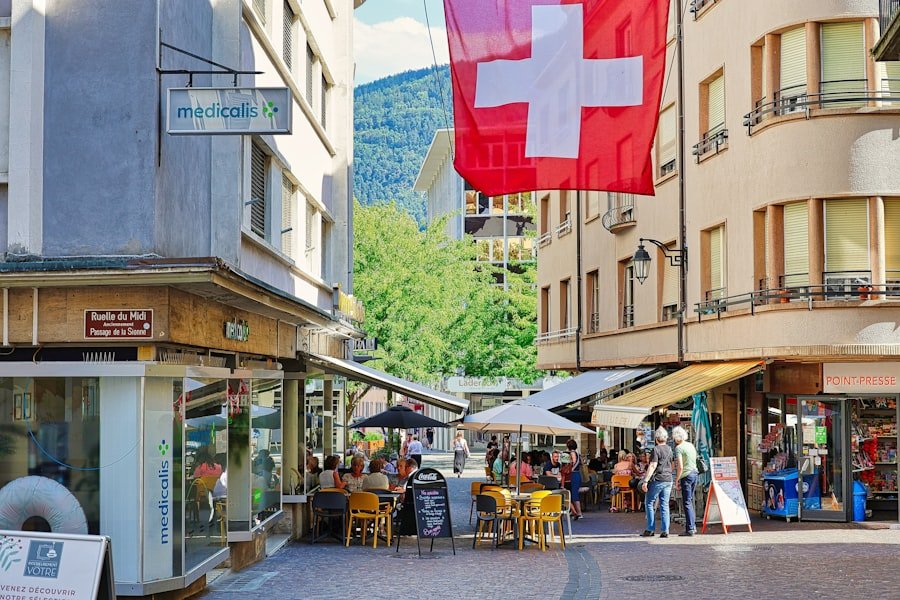
On your third day, embark on a short train journey to Lucerne, often regarded as one of Switzerland’s most picturesque cities. Nestled between Lake Lucerne and the surrounding mountains, Lucerne is famous for its well-preserved medieval architecture and stunning natural beauty. Upon arrival, take a moment to admire the Chapel Bridge (Kapellbrücke), an iconic wooden bridge adorned with beautiful paintings that depict the city’s history.
This bridge is not only a functional structure but also a symbol of Lucerne’s resilience after it was partially destroyed by fire in 1993. After exploring the bridge, visit the Lion Monument (Löwendenkmal), a poignant tribute to Swiss Guards who lost their lives during the French Revolution. Carved into a sandstone rock face, this sculpture captures the essence of bravery and sacrifice.
Following this emotional experience, consider taking a leisurely stroll along the lakeside promenade or enjoying a coffee at one of the many lakeside cafes. In the afternoon, take a cable car ride up to Mount Pilatus or Mount Rigi for breathtaking views of the surrounding peaks and valleys. The panoramic vistas are nothing short of spectacular and provide ample opportunities for photography enthusiasts.
Day 4: Adventure in the Swiss Alps
| Activity | Distance (km) | Elevation Gain (m) |
|---|---|---|
| Hiking | 10 | 800 |
| Rock Climbing | 5 | 300 |
| Paragliding | 0 | 1000 |
The fourth day is dedicated to adventure in the Swiss Alps, where outdoor enthusiasts can revel in a plethora of activities. Depending on the season, options abound for skiing, snowboarding, hiking, or mountain biking. If you’re visiting during winter months, head to popular ski resorts like Zermatt or St.
Moritz for world-class slopes and après-ski experiences that are quintessentially Swiss. For those who prefer summer activities, hiking trails abound in regions like Jungfrau or Lauterbrunnen, where you can explore stunning waterfalls and lush meadows dotted with wildflowers. For an adrenaline rush, consider paragliding over Interlaken or taking a scenic train ride on the Glacier Express, which offers breathtaking views of glaciers and mountain landscapes.
The experience of gliding through the air or traversing through majestic mountains is exhilarating and provides a unique perspective on Switzerland’s natural beauty. After an action-packed day in the Alps, unwind at a cozy mountain lodge or return to your base in Lucerne or Zurich for a well-deserved meal featuring hearty Swiss dishes like fondue or raclette.
Day 5: Relaxing in Geneva
As your journey nears its conclusion, spend your final day in Geneva, a city known for its international organizations and stunning lakeside views. Begin your day at Lake Geneva (Lac Léman), where you can take a leisurely stroll along the waterfront or rent a paddleboat to enjoy the serene waters. The Jet d’Eau fountain is an iconic landmark that shoots water 140 meters into the air and serves as a perfect backdrop for photos.
The surrounding parks and gardens provide ample opportunities for relaxation amidst nature. In addition to its natural beauty, Geneva boasts rich cultural offerings. Visit the Palais des Nations, home to the United Nations Office at Geneva, where guided tours provide insight into global diplomacy and international relations.
The city is also home to numerous museums such as the Patek Philippe Museum, showcasing exquisite timepieces that highlight Switzerland’s watchmaking heritage. As your day winds down, indulge in dinner at one of Geneva’s renowned restaurants that offer both local and international cuisine. Savor dishes like perch fillets from Lake Geneva or indulge in chocolate desserts that reflect Switzerland’s reputation as a chocolate paradise.
Getting around Switzerland
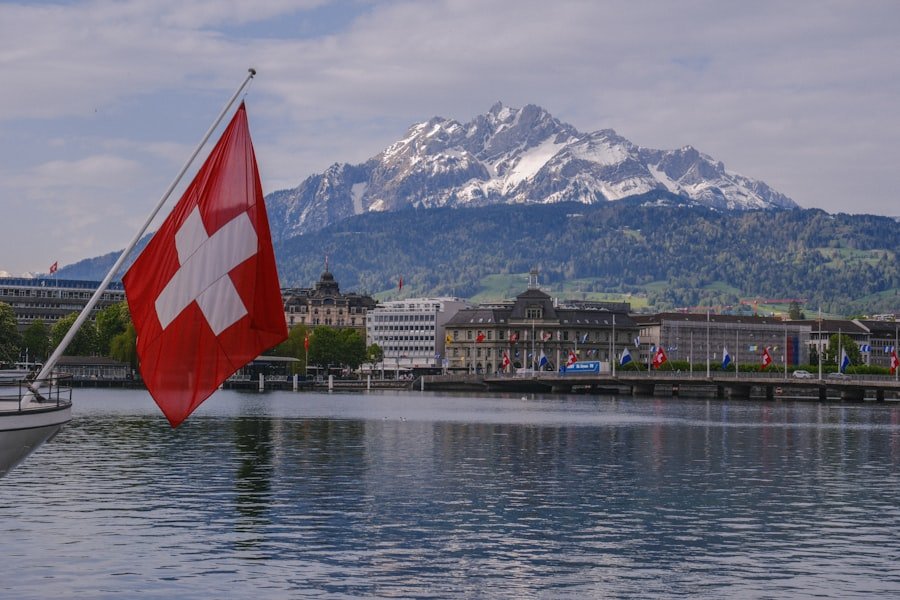
Navigating Switzerland is remarkably convenient due to its efficient public transportation system. The Swiss Travel System encompasses trains, trams, buses, and boats that connect even remote areas of this mountainous country. Trains are particularly popular among travelers; they are punctual and offer breathtaking views of landscapes as they traverse through valleys and over mountains.
Purchasing a Swiss Travel Pass can be advantageous for tourists as it provides unlimited travel on public transport for a set number of days while also granting access to various museums. In cities like Zurich and Geneva, trams are an excellent way to explore urban areas without the hassle of parking or navigating traffic. The tram networks are extensive and user-friendly; schedules are reliable and frequent.
For those who prefer more flexibility or wish to explore off-the-beaten-path destinations, renting a car can be an option as well. However, it’s essential to note that parking can be limited in city centers and that many towns are best explored on foot due to their compact size.
Enjoying Swiss cuisine
Swiss cuisine is as diverse as its landscape, influenced by various cultures due to its geographical location at the crossroads of Europe. Traditional dishes often feature hearty ingredients that reflect the agricultural heritage of the region. Fondue is perhaps one of Switzerland’s most famous culinary exports; this communal dish consists of melted cheese served in a communal pot where diners dip pieces of bread using long forks.
Each region has its own variation; for instance, fondue moitié-moitié combines Gruyère and Emmental cheeses for a delightful flavor. Another must-try dish is raclette, which involves melting cheese and scraping it onto boiled potatoes accompanied by pickles and cured meats. This dish is particularly popular during winter months when people gather around tables for warmth and camaraderie.
Additionally, don’t miss out on sampling Rösti—a crispy potato dish often served as a side or breakfast item—and Zürcher Geschnetzeltes—a creamy veal dish native to Zurich that pairs perfectly with Rösti.
Must-see attractions in Switzerland
Switzerland is replete with attractions that cater to diverse interests ranging from natural wonders to historical sites. One cannot visit without experiencing the majestic Matterhorn; this iconic peak near Zermatt is not only a symbol of Switzerland but also offers numerous hiking trails and skiing opportunities year-round. Another highlight is Jungfraujoch—the “Top of Europe”—where visitors can take a cogwheel train to reach breathtaking views of glaciers and surrounding peaks.
In addition to natural attractions, cities like Bern—Switzerland’s capital—boast UNESCO World Heritage sites with well-preserved medieval architecture including its famous clock tower (Zytglogge). The picturesque town of Montreux along Lake Geneva is renowned for its annual jazz festival and stunning lakeside promenade lined with flowers and palm trees. Each region has its unique charm; whether it’s exploring vineyards in Lavaux or visiting historic castles like Château de Chillon near Montreux, there’s no shortage of captivating sights.
Packing tips for a trip to Switzerland
Packing for Switzerland requires careful consideration due to its varied climate and terrain. Layering is key; temperatures can fluctuate significantly throughout the day depending on altitude and location. A good rule of thumb is to pack moisture-wicking base layers that can be easily added or removed as needed.
A lightweight waterproof jacket is essential for unexpected rain showers or windy conditions—especially if you plan on hiking or spending time outdoors. Comfortable walking shoes are crucial since much of your exploration will involve walking on cobblestone streets or hiking trails. If you’re visiting during winter months, ensure you have insulated boots suitable for snow conditions along with warm accessories like gloves and hats.
Don’t forget essentials such as sunscreen and sunglasses; even in cooler months at higher altitudes, UV rays can be intense.
Choosing the right accommodation in Switzerland
Selecting accommodation in Switzerland can greatly enhance your travel experience based on your preferences and budget. From luxury hotels with stunning views to charming guesthouses or hostels catering to budget travelers—options abound across cities and rural areas alike. In urban centers like Zurich or Geneva, consider staying near public transport hubs for easy access to attractions while enjoying vibrant neighborhoods filled with dining options.
For those seeking tranquility amidst nature, mountain lodges or chalets provide an authentic Swiss experience surrounded by breathtaking landscapes. Booking accommodations well in advance is advisable during peak tourist seasons—especially in popular destinations like Zermatt or Interlaken—to secure your preferred lodging type at competitive rates.
Tips for making the most of your 5-day Switzerland itinerary
To maximize your five-day itinerary in Switzerland, prioritize planning ahead while remaining flexible enough to embrace spontaneous adventures along the way. Start each day early; many attractions open around 9 AM allowing you ample time before crowds arrive at popular sites like museums or scenic viewpoints. Utilize public transportation efficiently by checking schedules ahead of time; trains often run frequently but may have limited service during off-peak hours.
Engage with locals whenever possible; they can provide invaluable insights into hidden gems off typical tourist paths—whether it’s recommending lesser-known restaurants or scenic spots worth visiting outside major cities. Lastly, allow yourself time simply to soak in Switzerland’s beauty—whether it’s enjoying a leisurely meal overlooking Lake Geneva or taking an impromptu hike through alpine meadows—these moments often become cherished memories long after your trip concludes.
If you’re looking to add some delicious culinary experiences to your Switzerland itinerary, consider trying out a simple and healthy recipe for homemade cottage cheese. This article on homemade cottage cheese provides step-by-step instructions on how to make this tasty treat at home. It’s a great way to add a touch of Swiss cuisine to your 5-day adventure in Switzerland.
FAQs
What are the must-visit destinations in Switzerland for a 5-day itinerary?
Some must-visit destinations in Switzerland for a 5-day itinerary include Zurich, Lucerne, Interlaken, and the Swiss Alps.
What are some recommended activities to do in Switzerland during a 5-day trip?
Recommended activities in Switzerland during a 5-day trip include exploring the old town of Zurich, taking a boat cruise on Lake Lucerne, visiting the Jungfraujoch in the Swiss Alps, and enjoying outdoor activities in Interlaken such as hiking and paragliding.
What is the best way to travel between cities in Switzerland for a 5-day itinerary?
The best way to travel between cities in Switzerland for a 5-day itinerary is by train. The Swiss public transportation system is efficient, and the scenic train rides offer breathtaking views of the Swiss countryside.
What are some local dishes to try in Switzerland during a 5-day trip?
Some local dishes to try in Switzerland during a 5-day trip include fondue, raclette, rösti, and Swiss chocolate.
What is the best time of year to visit Switzerland for a 5-day itinerary?
The best time of year to visit Switzerland for a 5-day itinerary is during the summer months (June to August) when the weather is mild and outdoor activities are in full swing. However, Switzerland is also beautiful in the winter months for those interested in skiing and winter sports.